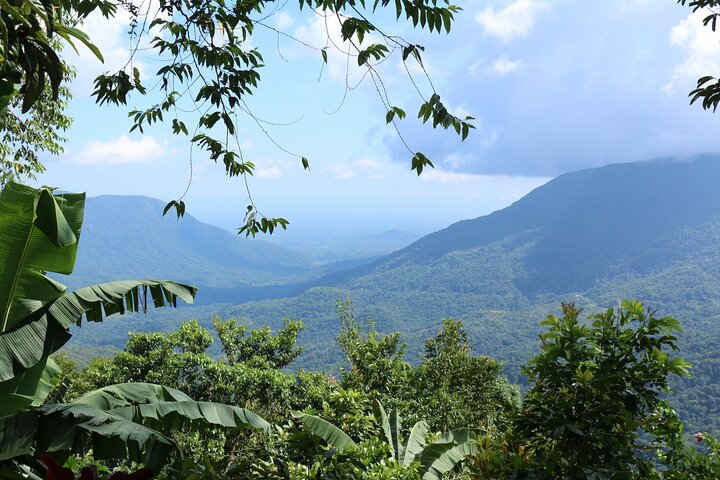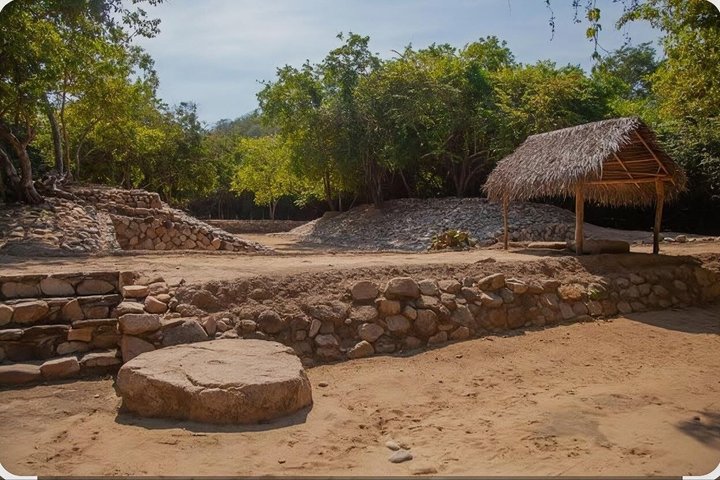
Copalita is where Huatulco's human history becomes visible. The site, known as Bocana del Río Copalita, was a ceremonial centre on hills close to the bays, and it sits inside an eco-archaeological park whose forest trails lead to viewpoints over the Pacific. The national institute that manages Mexican heritage lists it as open every day from nine in the morning to five in the evening, and places it about eight kilometres from Santa María Huatulco along the coastal boulevard, past the Tangolunda hotel zone. The tourism board describes ruins of a main temple and a serpent temple, a ball court and a cliffside trail with a stela that once guided canoes entering the open sea. Archaeologists have excavated the site for more than twenty years, and finds include figurine fragments, polished stone axes and a shell necklace from a burial. The mix of excavated stonework and surrounding jungle makes it far more atmospheric than a bare ruin. It also makes a natural change of pace on a beach holiday.
Why go
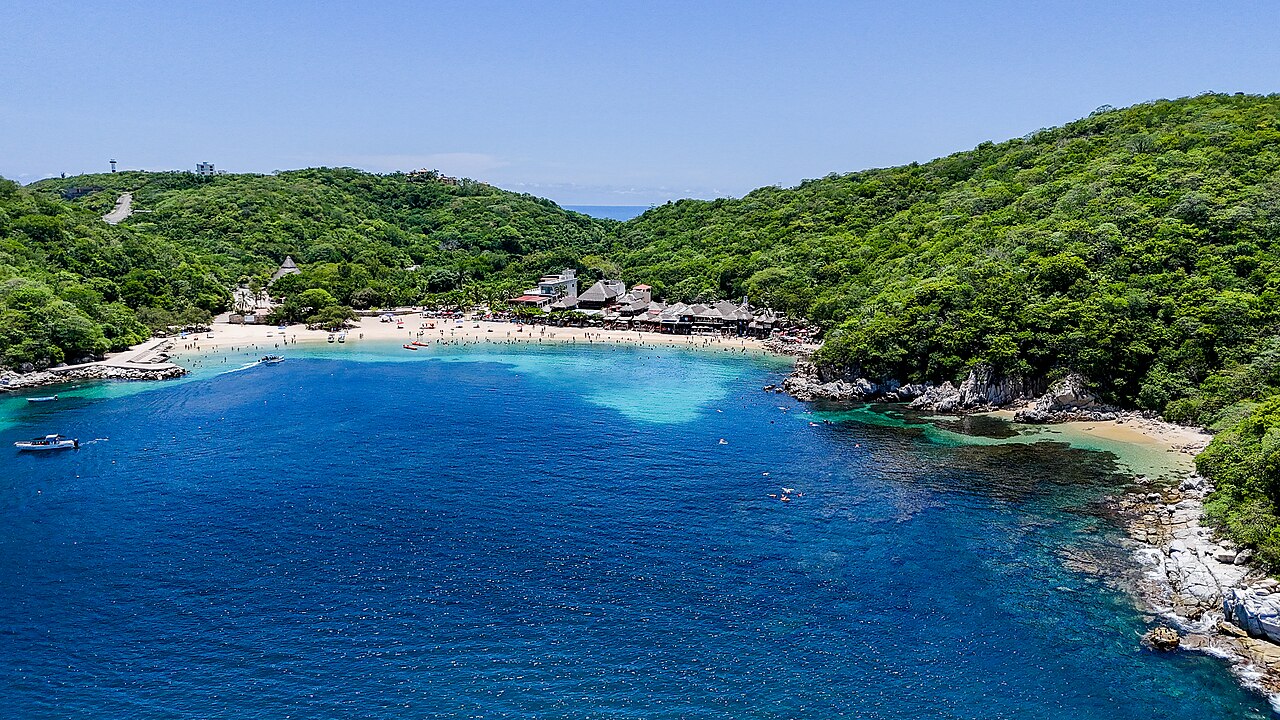
Most visitors come to Huatulco for the water, and Copalita gives the coast some depth. The ruins are modest in scale compared with the great highland sites, but the setting is the draw. Stone platforms sit in a clearing among tropical trees, and the trail climbs to cliffs where you look down on the surf and across to the headlands of the bays. Birdwatchers often find activity along the trails, and some operators run aromatic-plant walks through the surrounding forest.
Practical details
The institute page gives the daily opening hours and an address on the Copalita to Tangolunda boulevard, with the entrance about 350 metres from the bay. It does not state a regular admission fee, and it mentions a separate charge for visits outside normal hours, so check the price at the entrance or with your tour operator. Taxis from the Tangolunda and Santa Cruz areas are the simplest way to reach it, and many hotels can arrange transport.
Getting the most from it
Go as soon as it opens, because the forest is hot by late morning and the light is best early. Wear a hat and sturdy shoes, bring water and insect repellent, and allow around two hours to walk the ruins and the cliff trail. A guide adds a lot of context to what you are seeing. Combine it with a swim at nearby Tangolunda or Playa La Entrega afterwards for a rewarding half day.
What to expect
The experience
A self-guided or guided walk through excavated temples and a ball court, then a forest and cliff trail with views of the Pacific.
Best time
As soon as it opens, before the heat builds and when birds are most active.
How long
Two to three hours for the ruins and the cliff trail.
Tips
Check the entrance price and hours on arrival, wear a hat and sturdy shoes, bring water and repellent, and consider a guide for context.
Quick picks
- Best for
- Travellers who want one history and nature stop on a beach holiday.
- Families
- Fine for older children who can handle heat and uneven paths, less so for pushchairs.
- Couples
- A quiet, atmospheric morning with sea views from the cliff trail.
- Pair with
- Playa La Entrega or a swim at Tangolunda afterwards.
- Time needed
- A morning.
Good questions
When is Copalita open?+
The national heritage institute lists it as open every day from nine in the morning to five in the evening. Confirm before you go in case hours change.
Where is it?+
It is on the coastal boulevard between Tangolunda and the Copalita river mouth, about eight kilometres from Santa María Huatulco. Taxis and hotel transport are the easiest options.
What will I see?+
Excavated temples including a main temple and a serpent temple, a ball court and a cliffside trail with a stela that once guided canoes. The forest around it adds birdlife and sea views.
How much does it cost?+
The institute page does not give a regular fee and mentions a separate charge for visits outside opening hours. Ask at the entrance or your tour operator for the current price.
Is a guide worth it?+
Yes if you want context, because a guide can explain what the temples and the ball court were used for. Ask your hotel about guided visits.