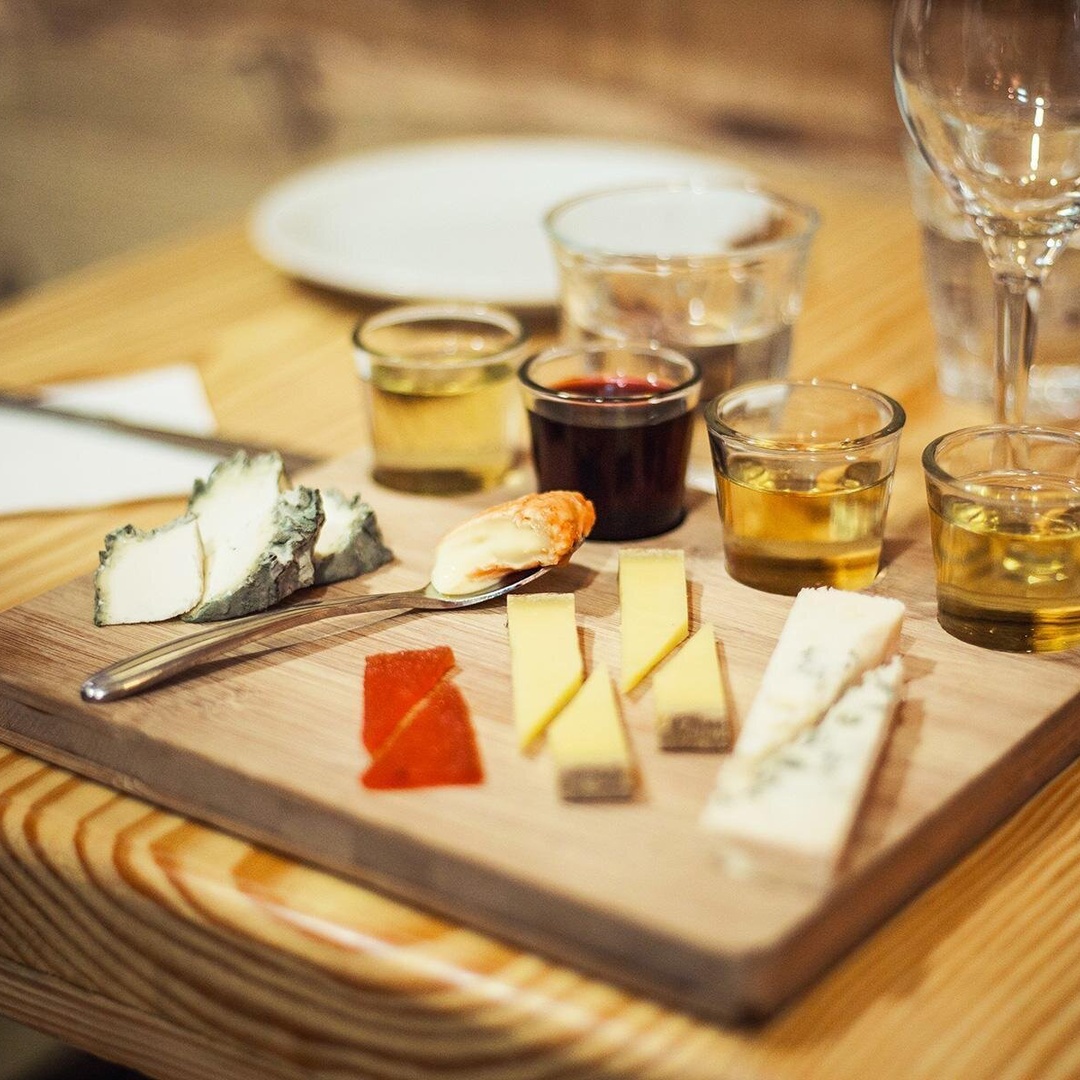
Few regions near a big city eat as well as the Hudson Valley. A long agricultural history, a steady stream of chefs leaving New York for the countryside, and some of the best farmland in the Northeast have produced a food scene with real depth. This guide is organized by the kind of meal and the place where it happens.
Main-street towns
The valley's food towns each have their own flavor. Beacon is the most walkable, with a Main Street of independent restaurants, bakeries, bars and cafes that draw heavily on nearby farms. The Gourmet Beacon Food Tour is the easiest way to taste the highlights and get the lay of the land, and it pairs naturally with an afternoon at Dia Beacon. Rhinebeck offers a more traditional village atmosphere, with the Beekman Arms tavern at its center and a selection of restaurants within a few blocks. Cold Spring has cafes and small restaurants along Main Street and the waterfront. Poughkeepsie has a growing restaurant and brewery scene that rewards a short evening walk.
Farm stands, orchards and markets
From late summer through autumn, roadside stands overflow with produce, and orchards offer apple picking, cider and cider donuts. Farmers markets run in most towns in season, and Beacon and Rhinebeck are particularly popular. The best strategy is to drive slowly, stop at the stands that look busy and buy what is in season. Corn, tomatoes and peaches arrive in summer, apples and pumpkins in autumn, and root vegetables and baked goods in winter.
Wine, cider and spirits
The valley is one of the oldest wine-growing regions in the country. Producers on the west bank near Highland and Marlboro are within a short drive of the Walkway Over the Hudson, and the Shawangunk Wine Trail covers vineyards in Ulster County. The Hudson Valley Wineries and Walkway Tour provides private transport between tasting rooms, so you can taste without driving. Cider houses, craft breweries and distilleries are also well established, and many offer tastings in barn-like or farmhouse settings. Always check opening hours, since small producers keep irregular schedules.
Culinary school and fine dining
Hyde Park is home to the Culinary Institute of America, whose campus restaurants are open to the public by reservation, a combination of training ground and showpiece that is a popular lunch stop between the Roosevelt and Vanderbilt sites. Check the school's current restaurant schedule before you go. For high-end dining in a retreat setting, resorts such as Wildflower Farms and Inness offer on-site restaurants with farm-focused menus, and the Castle Hotel in Tarrytown suits celebration dinners.
Brunch on the river
The Peekskill brunch cruise combines a meal with a scenic sail through the Highlands, which is a distinctive way to eat and see the river at once. Reserve ahead for weekends and foliage sailings.
Building a food day
A good food day starts with coffee and a pastry on a main street, moves to a market or farm stand late morning, includes a long lunch, and ends with a tasting at a winery or cider house before dinner. For a car-free version, take the train to Beacon, do the food tour, visit Dia and have dinner in town. For a Catskills version, stop at village cafes along the scenic byway and finish with dinner at a lodge.
Practical notes
Many small restaurants close early or take a day off midweek, so check hours. Weekend reservations are wise in popular towns, and autumn weekends can be very busy. Tell tour operators about dietary needs in advance, and carry cash for farm stands, which may not take cards. With a little planning, the valley is among the most rewarding eating regions within reach of New York.
Sustainable and thoughtful choices
Many valley restaurants proudly list their farm partners, and it is worth asking staff which ingredients are local that day. Visitors who care about sourcing can seek out farm stands, community-supported producers and farmers markets, where you can talk directly to the growers. Bring a cooler bag if you plan to buy cheese, meat or fresh produce for the ride home, and remember that some farm stands operate on an honor system with a cash box.
Seasonal eating guide
Spring brings asparagus, ramps and rhubarb, summer means berries, sweet corn and tomatoes, autumn is for apples, squash and cider, and winter is for hearty stews, baked goods and cellar-stored root vegetables. Planning a trip around a single crop, such as apple picking in autumn, gives a day a clear theme and a delicious souvenir.