The Hudson Valley stretches roughly a hundred miles from the northern edge of New York City to Albany, and the sights in this market are spread across about eighty of those miles. Choosing where to sleep is therefore the biggest planning decision, and it is worth thinking about by sight cluster rather than by town. There are five sensible bases, each with its own character.
Tarrytown and Sleepy Hollow (the lower valley)
This is the closest base to New York, and the only one that works well without a car. Metro-North reaches Tarrytown and the Philipse Manor station for Sleepy Hollow in under an hour from Grand Central. The sights are Kykuit, Lyndhurst, the Sleepy Hollow church and cemetery, and the Hudson waterfront. The Castle Hotel and Spa is the dramatic choice here, with a hilltop setting and a spa. This base suits history lovers, couples and anyone who wants a short trip from the city, but it is far from Dia, Storm King and the Roosevelt sites.
The Highlands (Bear Mountain, Cold Spring and West Point)
The Highlands are the most scenic stretch of the river, and the area offers good hiking, river views and the cadet-filled grounds of West Point. Overlook Lodge at Bear Mountain puts you in the park, with trails and the lake outside the door. A car is helpful, but Cold Spring is on Metro-North and works as a village base for people who prefer trains. This base suits hikers, families and those who want scenery over sophistication.
Beacon and the east-bank towns
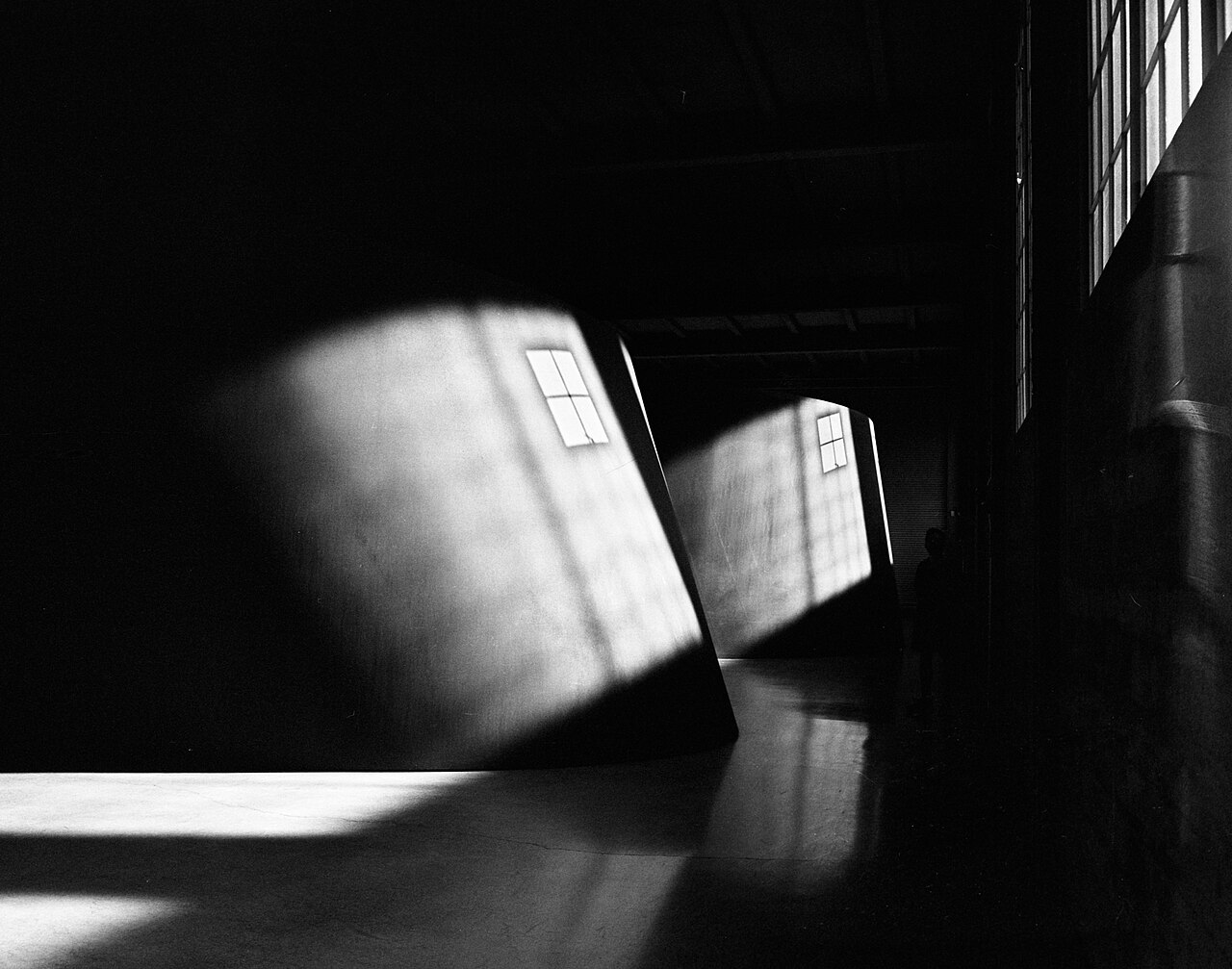
Beacon is the arts town, with Dia Beacon, Main Street restaurants and a Metro-North station. It is the best choice for a car-free art weekend. Lodging in town is limited, so nearby options include Poughkeepsie hotels and village inns. This base suits art lovers, couples and food fans.
The mid-Hudson (Poughkeepsie, Hyde Park and Rhinebeck)
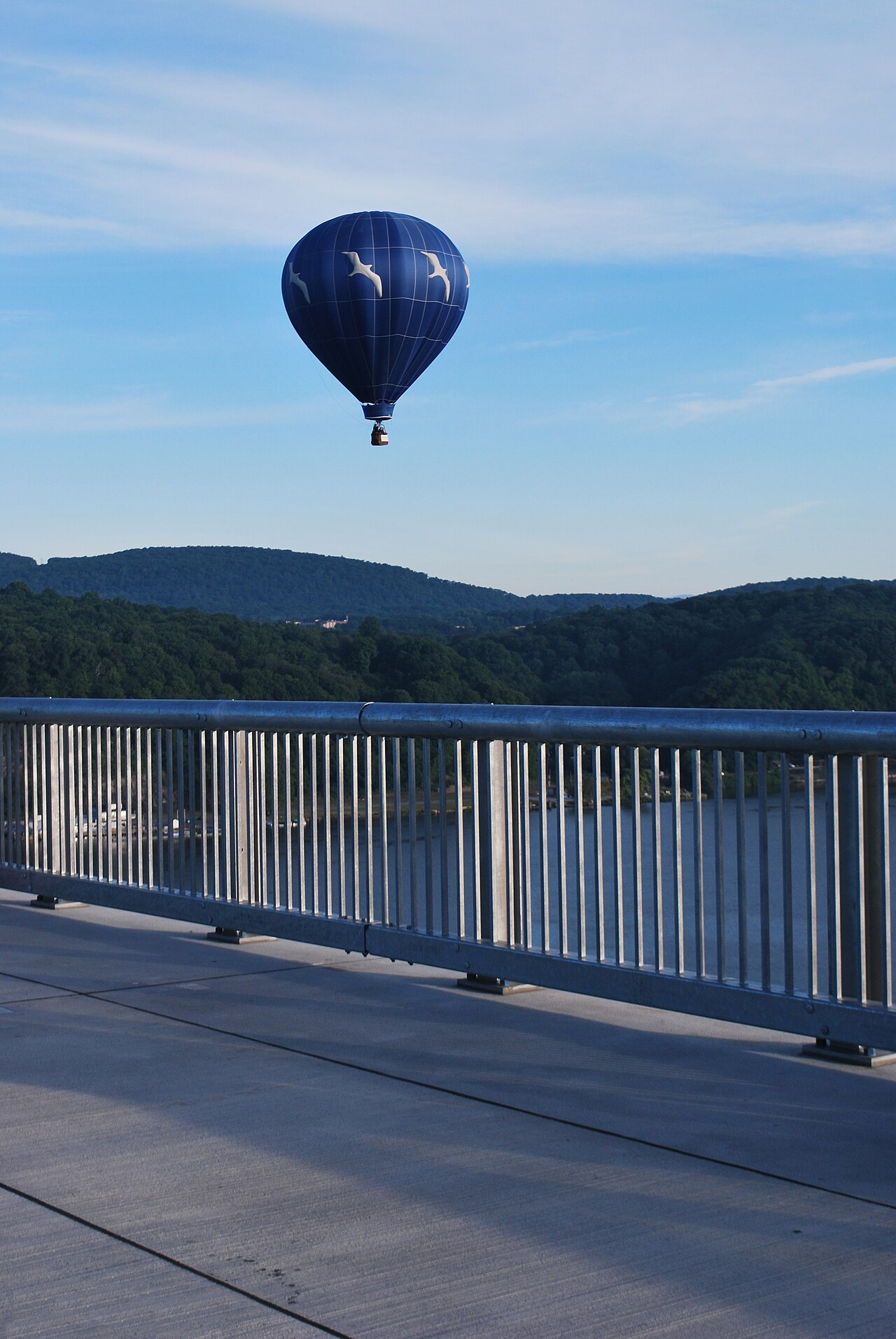
This is the place for presidential and Gilded Age history. The DoubleTree in Poughkeepsie is the logistical choice, close to the train station and the Walkway Over the Hudson, with Hyde Park about fifteen minutes away. The Beekman Arms in Rhinebeck is the characterful choice, a historic inn in a charming village. This base suits history lovers, first-timers and families, and the Poughkeepsie option works for travelers without a car.
The Shawangunks and Ulster County (New Paltz, Gardiner and Accord). This is the outdoors base, with Mohonk Preserve and Minnewaska on the doorstep and wineries, farms and small towns around. Wildflower Farms is the luxury choice, Minnewaska Lodge is the hiker-friendly design lodge, Inness in Accord is a stylish middle option, and the Hampton Inn in New Paltz is the dependable value choice. A car is necessary. This base suits couples, hikers and anyone who wants a quieter, rural feel.
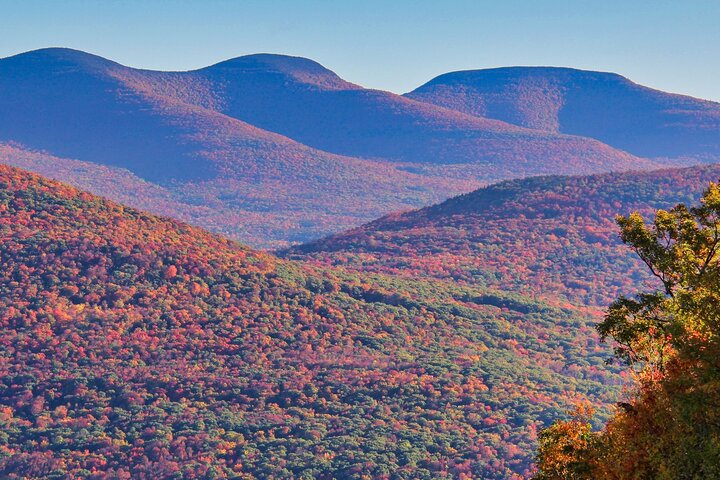
The Catskills (Mount Tremper, Phoenicia, Woodstock and Saugerties). The Catskills are the mountain choice, with scenic drives, canyoning, ice climbing and animal sanctuaries. Emerson Resort and Spa in Mount Tremper offers a resort stay with a spa, while AutoCamp Catskills near Saugerties offers glamping-style suites. A car is necessary, and the distances to the mid-Hudson sights are significant, so this base works best when the Catskills are the focus of the trip.
Matching base to trip
For a first visit of three days, split your stay: two nights in the mid-Hudson or Beacon area and one night in either Tarrytown or the Catskills. For a car-free weekend, choose Tarrytown or Beacon and use trains and taxis. For a hiking weekend, choose the Shawangunks. For a romantic escape, choose Wildflower Farms, the Castle Hotel or the Beekman Arms. Whatever you choose, book early for autumn weekends, when the valley's best hotels fill months ahead.
A few booking habits worth adopting
Start with the sights you cannot move, such as a timed Kykuit tour or a Storm King slot, then choose the base that sits closest to them. Book refundable rates where you can, since weather and foliage timing shift plans. If you are splitting your stay, put the longer drive on a day when you have no timed ticket, and leave the afternoon before a morning ticket free of long transfers. Finally, remember that distance on a map understates travel time in the valley, where river crossings are few and Friday and Sunday traffic can double a trip.