Eating in Hurghada works on two levels. Most visitors eat at their resort, where buffets and a la carte restaurants are polished, varied and easy. The more rewarding meals are outside the gates, in the old town, at the marina and on excursions, where you meet Egyptian cooking and Red Sea seafood at far lower cost. A good week uses both.
Start with breakfast the Egyptian way
Two dishes define a local breakfast. Ful medames is slow-cooked fava beans, mashed and dressed with oil, lemon and cumin, and taameya is the Egyptian version of falafel, made from fava beans rather than chickpeas and fried until it is green inside. Both arrive with warm flatbread, pickles and salad, and both are inexpensive and filling. Many resort buffets include them; if yours does, try them with a fried egg and strong tea.
Koshari is the national comfort food
A bowl of rice, lentils and macaroni, topped with chickpeas, a tomato sauce, a splash of vinegary garlic dressing and crisp fried onions, koshari is cheap, vegetarian and found at small dedicated shops across Egypt. It is a sensible lunch on a town day, and it is easy for vegetarians and vegans, since most versions contain no meat or dairy. Ask for the hot sauce on the side if you are not sure how spicy you like it.
Fish is the reason to eat by the sea
The Red Sea coast is the place for grilled or fried whole fish, often sold by weight at simple restaurants near the marina and in the old town. The usual pattern is to choose from a display of the day's catch, agree how it will be cooked and let the kitchen bring it out with rice, salad, tahini and bread. Grilled is the safest choice for first-timers. Calamari, prawns and fish stew also appear on many menus. Ask the price per kilo before you order, so the bill holds no surprises, and choose busy places where the fish turns over quickly.
Meat, mezze and sweets
Egyptian grills are built around kofta, kebab and grilled chicken, served with rice, bread and salads such as tahini, baba ghanoush and tomato with cucumber. Molokhia, a garlicky green soup made from jute leaves, is a classic home dish that divides first-timers; try a small bowl before you commit. For dessert, look for basbousa, a semolina cake soaked in syrup, and kunafa, shredded pastry with cheese or cream. Fresh juices, especially sugarcane, mango and pomegranate, are sold at small stands and cafes.
Tea, coffee and the Bedouin table
Tea is the national drink, usually served black, very sweet and with fresh mint if you ask. Bedouin-style tea, brewed over a fire and flavoured with herbs, is part of the desert safari village stop, and the barbecue dinner that follows is a good introduction to grilled meats, flatbread and simple salads under the stars. Egyptian coffee is strong and served unfiltered in small cups; let the grounds settle and stop before the bottom.
Where to eat by area
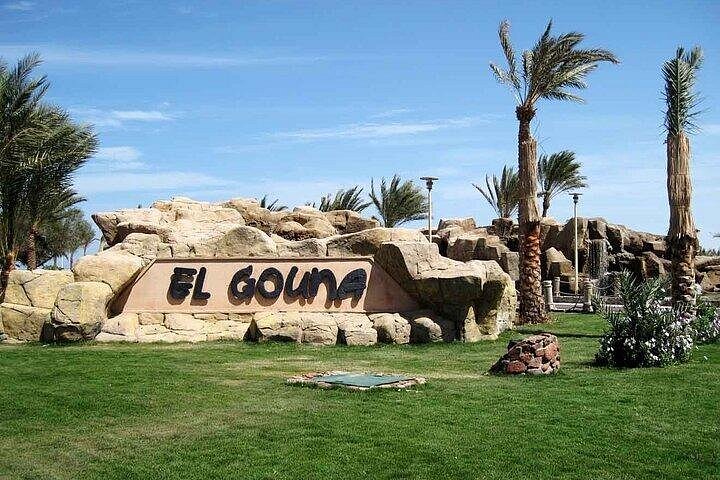
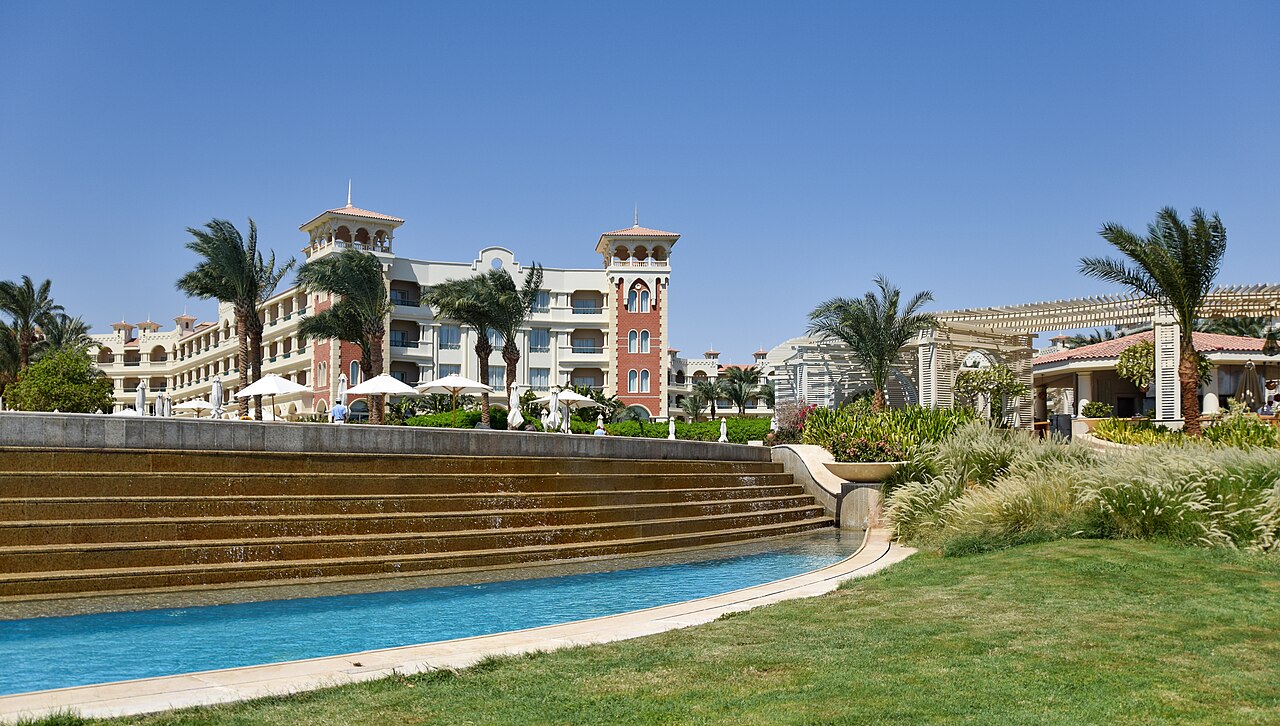
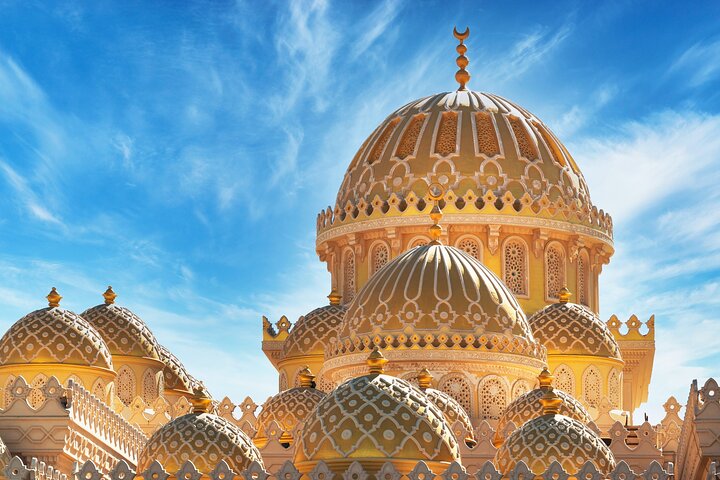
In the old town, small restaurants and cafes around the markets and El Mina Mosque serve the most local food, and a guided half-day tour is a gentle way to learn what to order. At the New Marina, restaurants lean towards seafood and views of the boats. In El Gouna, the marina and lagoon-side cafes offer a more international choice, with plenty of pizza, burgers and coffee. In Sahl Hasheesh, the Old Town area is built around cafes and terraces that are lively after sunset. Look at recent traveller reviews and menus rather than relying on a single name.
Alcohol, Ramadan and water
Alcohol is served in most resort hotels and in licensed bars and restaurants, but not in many local cafes and simple restaurants, and it is generally more expensive than the food. Local beer and wine are widely available at hotels. During Ramadan, which moves earlier each year, many local places open late or close in daylight hours, while resort restaurants keep serving visitors; evenings are lively and the sunset meal, iftar, is a good experience if you are invited or find a restaurant that offers it. Drink only bottled or filtered water, avoid ice in small local places and choose freshly cooked, hot food if your stomach is sensitive.
Paying and tipping
The Egyptian pound is the local currency. Cards are widely accepted at hotels and larger restaurants, but small cafes, juice stands and taxis want cash. A tip of around ten percent is normal in restaurants if no service charge is added, and small notes for drivers, guides and boat crews are expected, so keep a stack of low-denomination notes in your pocket.