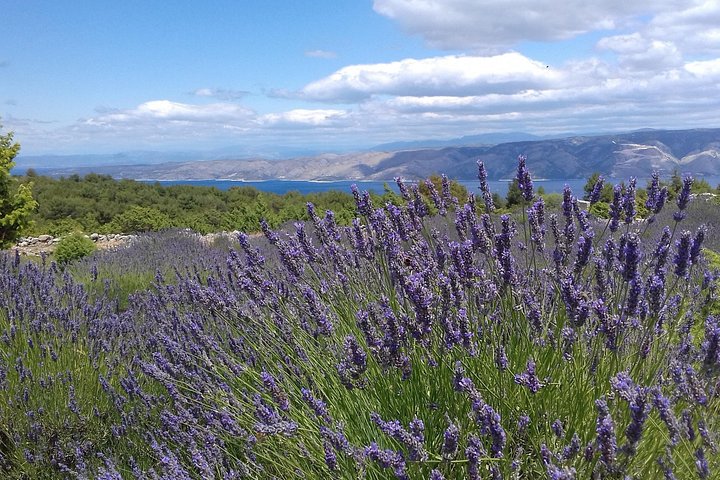
Lavender is Hvar's emblem, and the island has grown it for more than a century. It was introduced in the nineteenth century and spread across the dry limestone uplands, where the plant thrives on thin soil, bright sun and sea air. A guided lavender tour takes you from Hvar Town into the interior, climbing into the hills above the harbour toward villages such as Velo Grablje and Brusje, where the scent of oil and dried flowers drifts through the lanes. Along the way the guide explains how lavender is cut, dried and distilled, why local producers once supplied much of Europe's perfume industry, and how the crop was affected by synthetic substitutes and by emigration. You usually stop at a field to walk among the rows, visit a small distillery or a family shop, and taste a local herbal liqueur or honey. The trip suits anyone who enjoys the countryside, photography, or a slower alternative to the beach.
Timing is the single most important decision. The flowers bloom from roughly mid-June to July, with the peak depending on the year's weather, and the harvest follows soon after. If you visit during bloom you will see long violet rows against stone walls and blue sky, and the smell is unforgettable. Outside bloom, fields turn green and silver-gray, the villages are quieter and the tour is more about landscape and history than color. Ask the operator what to expect on your date, because it is easy to arrive after harvest and see cropped plants.
The interior of Hvar is a surprise to people who know only the harbour. The road climbs through pine forest and maquis shrubland, with views back to the Pakleni Islands and across to the mainland mountains. Velo Grablje, once among the island's richest villages, lost most of its population to emigration and now feels half-abandoned, though there is a strong sense of place and a few small workshops.
Brusje and the villages near Stari Grad offer a similar atmosphere with olive groves and vineyards. Many tours also visit a viewpoint where the whole length of the island opens out.
Practical points
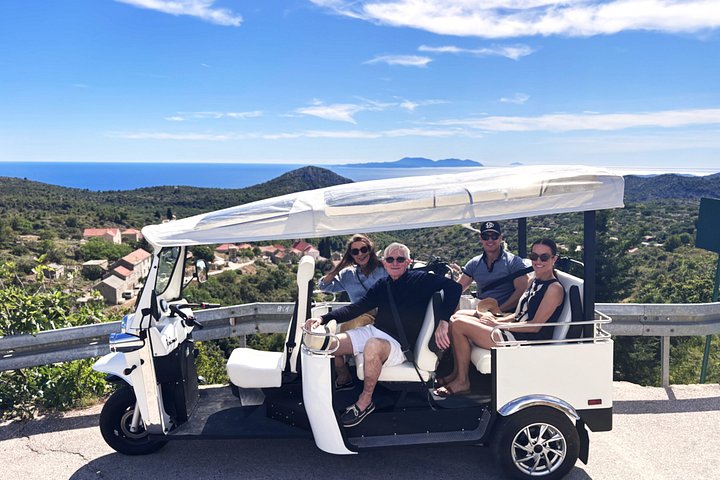
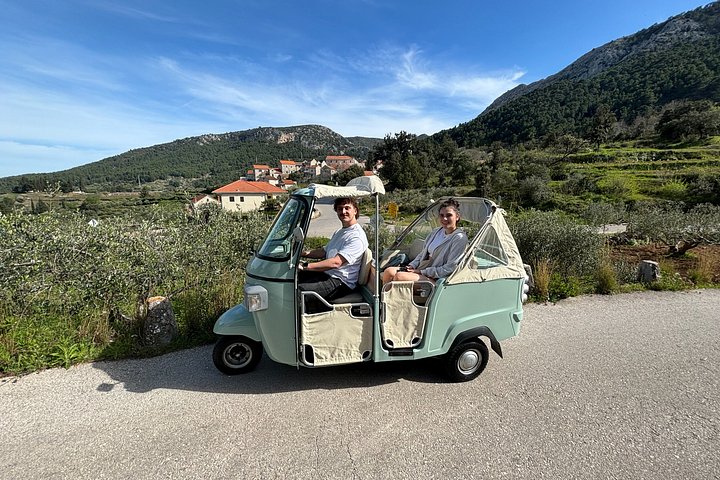
Wear sun protection and comfortable shoes, because stops involve uneven ground, and bring water. The vehicle may be a minibus or an electric tuk tuk, depending on the operator, and the group is generally small. Lavender products make good gifts, including oils, soaps, sachets and honey, and prices are lower in village shops than in town.
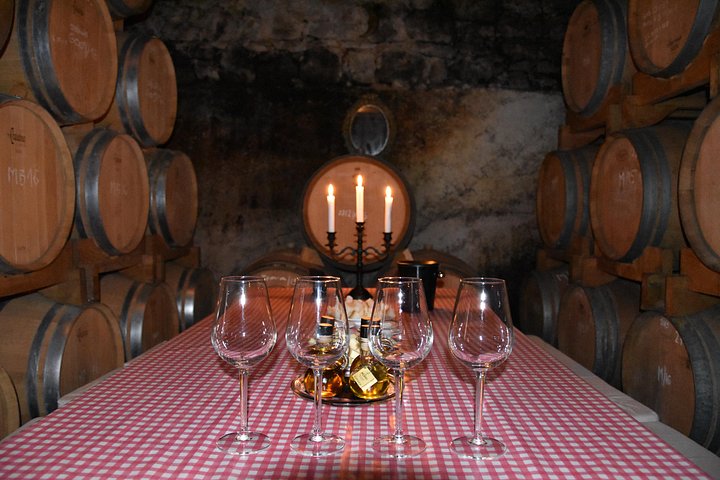
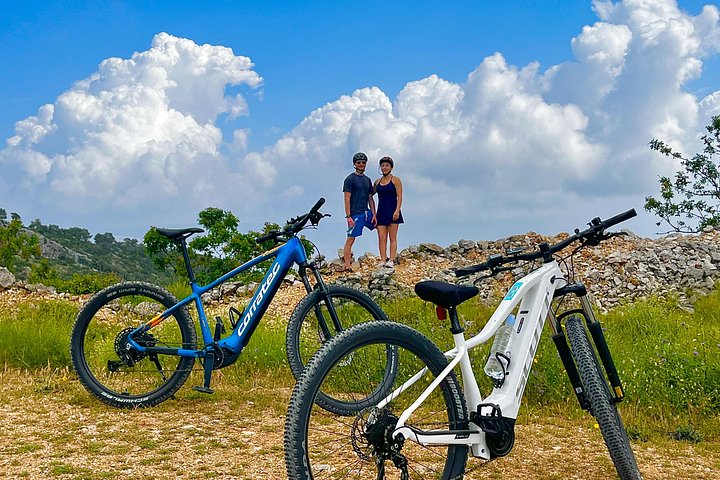
The season runs year round, but the experience is strongest from late spring through summer. For a longer day, combine it with a wine tasting or a stop in Stari Grad, and for a more active option, look at the guided e-bike tour. Allergic travelers should note that bloom brings pollen and bees.
Lavender is a delicate crop, so follow the guide's instructions about where to walk and avoid picking flowers without permission. If you want to take home plants or oil, ask the producers about export rules, and buy small bottles that fit in hand luggage. Early morning light is gentle for photographs, while the scent is strongest in the warmth of the afternoon, so choose your slot according to what matters most to you.
A hat and a light scarf help with sun and dust, and sturdy sandals are better than flip-flops on the stony paths between rows.
What to expect
The experience
A guided drive into Hvar's lavender country with a field walk, village stops and a taste of local products.
Best time
Bloom is roughly mid-June to July; other months are quieter and greener.
How long
Three to four hours.
Tips
Ask what is blooming on your date. Bring sun protection, water and a bag for lavender gifts.
Quick picks
- Best for
- Anyone who wants the island's scented interior.
- Families
- Good for families; fields and villages are easy to explore.
- Couples
- A photogenic late-afternoon countryside drive.
- Pair with
- A wine tasting or a Stari Grad stop.
- Time needed
- Half a day.
Good questions
When is lavender in bloom on Hvar?+
Roughly mid-June to July, depending on the year. Ask the operator before you book.
Is the tour worth it outside bloom?+
Yes for the villages and views, but the fields are green rather than purple.
Do we visit a distillery?+
Most tours include a small distillery or family shop; confirm stops when you reserve.
What should I buy?+
Lavender oil, soap, sachets and honey are classic. Village shops are cheaper than town.
Is it good for allergies?+
Bloom brings pollen and bees, so take precautions if you are sensitive.