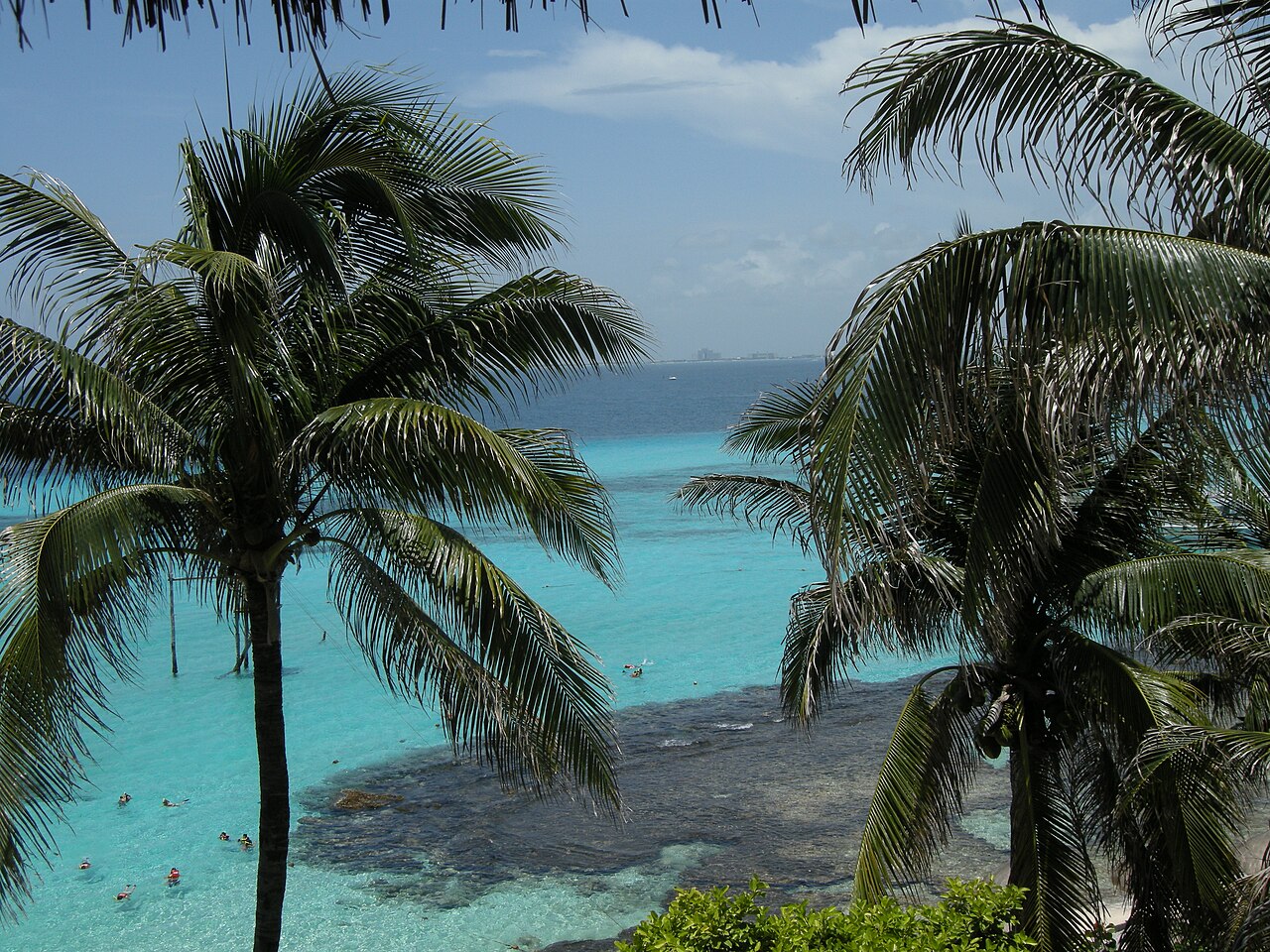
Every summer, large numbers of whale sharks gather in the plankton-rich waters off the northern tip of the Yucatan Peninsula, between Isla Mujeres, Isla Contoy and Holbox, and Isla Mujeres is one of the most convenient bases for swimming with them. These gentle filter-feeding sharks can grow to well over ten metres long, and in peak season boats often find many of them feeding at the surface. Tours leave early in the morning by speedboat, travel offshore for around an hour or more and let small groups slip into the water with a guide for short supervised swims alongside the sharks. Most trips finish with snorkelling on a reef and a beach stop or ceviche lunch on the way back. The season usually runs from about mid-May to mid-September, with July and August the most reliable months.
How the swim works
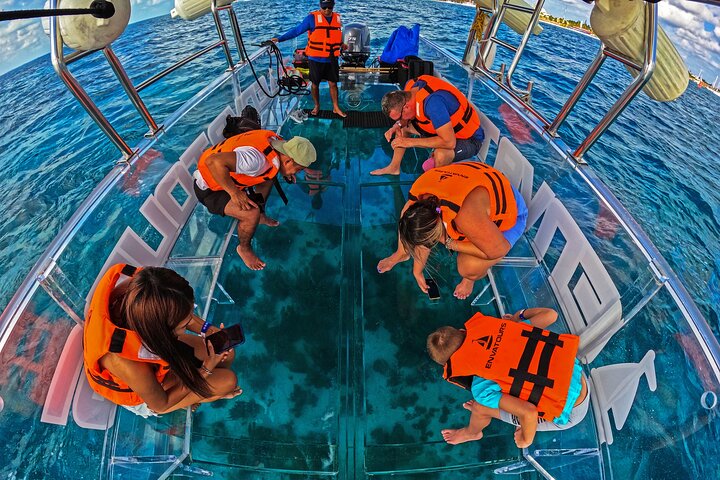
Whale shark tourism in Mexico is regulated, so each boat carries a limited number of passengers, life jackets are mandatory, and people enter the water two at a time with a guide for each swim. You float or swim gently beside the shark as it feeds, keeping a set distance, without touching it or using flash.
Most trips allow two or more short swims per person, depending on conditions and how many sharks are present. You need to be a reasonably confident swimmer, comfortable in open water with a snorkel and mask, and able to climb back into the boat from the water.
What to expect on the day
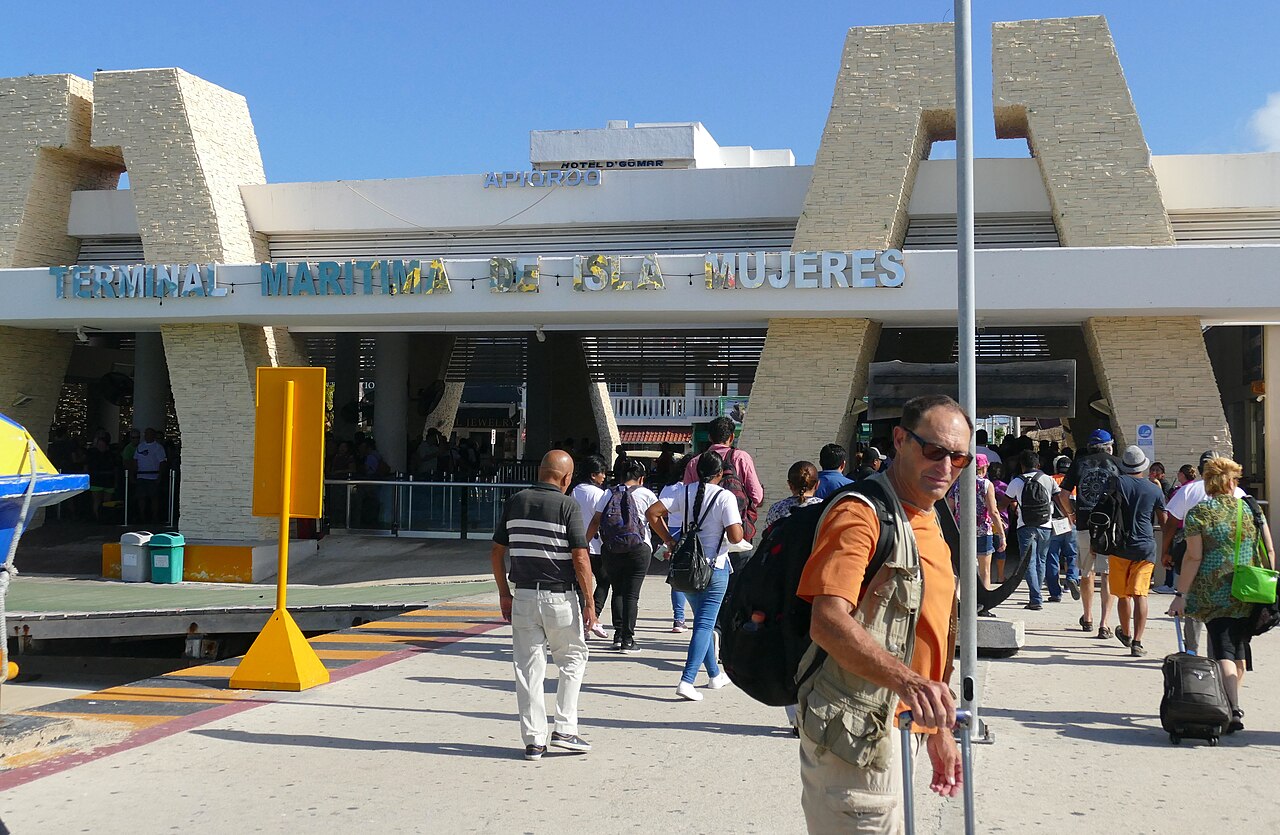
Departures are usually around dawn, from the island or from the Cancun side with hotel pick-up. The ride out can be long and bumpy in open sea, so anyone prone to seasickness should take precautions the night before. Sightings are highly likely in peak season but cannot be guaranteed, as these are wild animals.
Bring biodegradable sunscreen only if allowed, a rash vest, a hat, a towel and a change of clothes, and leave valuables at your hotel. Tours generally include equipment, water, snacks or lunch, and the park fee may be included or extra.
Who it suits
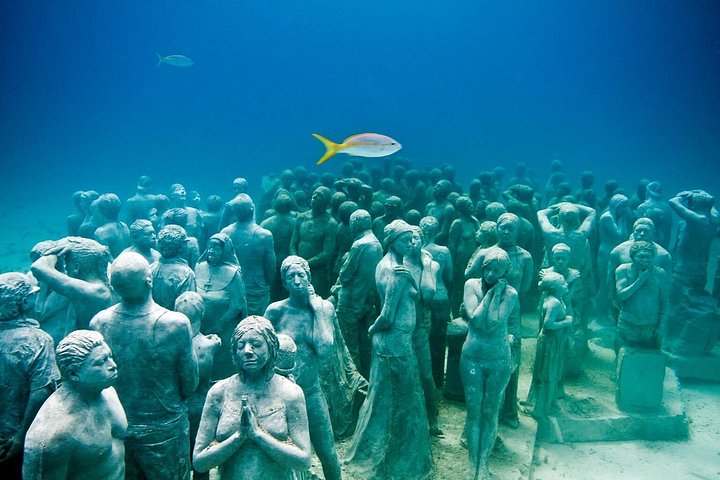
Wildlife lovers, keen snorkellers and anyone with a once-in-a-lifetime list, travelling between late spring and early autumn. Pregnant travellers and very young children are usually excluded, and the long boat ride makes it a demanding morning for people with back problems. Book a few days in advance in July and August, when the best operators fill up, and keep a spare day in case weather cancels your trip. Outside the season, Isla Mujeres still offers excellent snorkelling at MUSA, El Farito and the reef park.
What to expect
The experience
A small-group speedboat trip offshore with guided snorkelling swims beside feeding whale sharks, usually followed by reef snorkelling and a beach or lunch stop.
Best time
July and August for the most reliable sightings, within a season of roughly mid-May to mid-September.
How long
Six to eight hours including the long boat ride.
Tips
Book a few days ahead in peak season, take seasickness precautions, wear a rash vest and keep a spare day for weather.
Quick picks
- Best for
- Confident swimmers and wildlife lovers visiting in summer.
- Families
- Suitable for older children who swim well; younger children and pregnant travellers are usually excluded.
- Couples
- A shared bucket-list morning, then an afternoon nap and a sunset on Playa Norte.
- Pair with
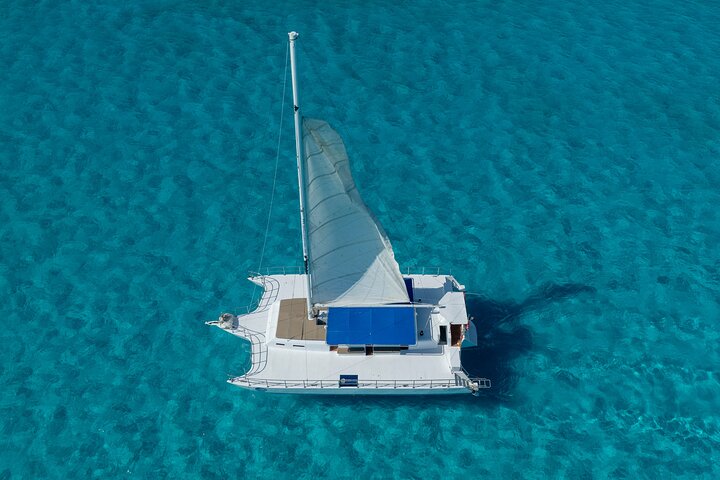
- Playa Norte, a lazy afternoon in town and a sunset catamaran another day.
- Time needed
- Most of a day.
Good questions
When is whale shark season at Isla Mujeres?+
Roughly from mid-May to mid-September, with July and August usually the most reliable months.
Do I need to be a strong swimmer?+
You need to be comfortable snorkelling in open water and able to swim gently for a few minutes; life jackets are mandatory.
Are sightings guaranteed?+
No. They are highly likely in peak season, but whale sharks are wild animals and conditions vary.
Can I touch the whale sharks?+
No. Regulations require swimmers to keep their distance and never touch or chase the sharks.
How many people are on each boat?+
Numbers are limited by regulation, and swimmers enter the water in pairs with a guide.