Isla Mujeres is warm all year, with daytime temperatures typically in the high twenties to low thirties Celsius and sea temperatures that suit swimming in every month. The choice of when to go is about rain, sea conditions, seaweed, crowds and price, plus one big wildlife event in summer. Here is how the year breaks down.
December to April: the dry season
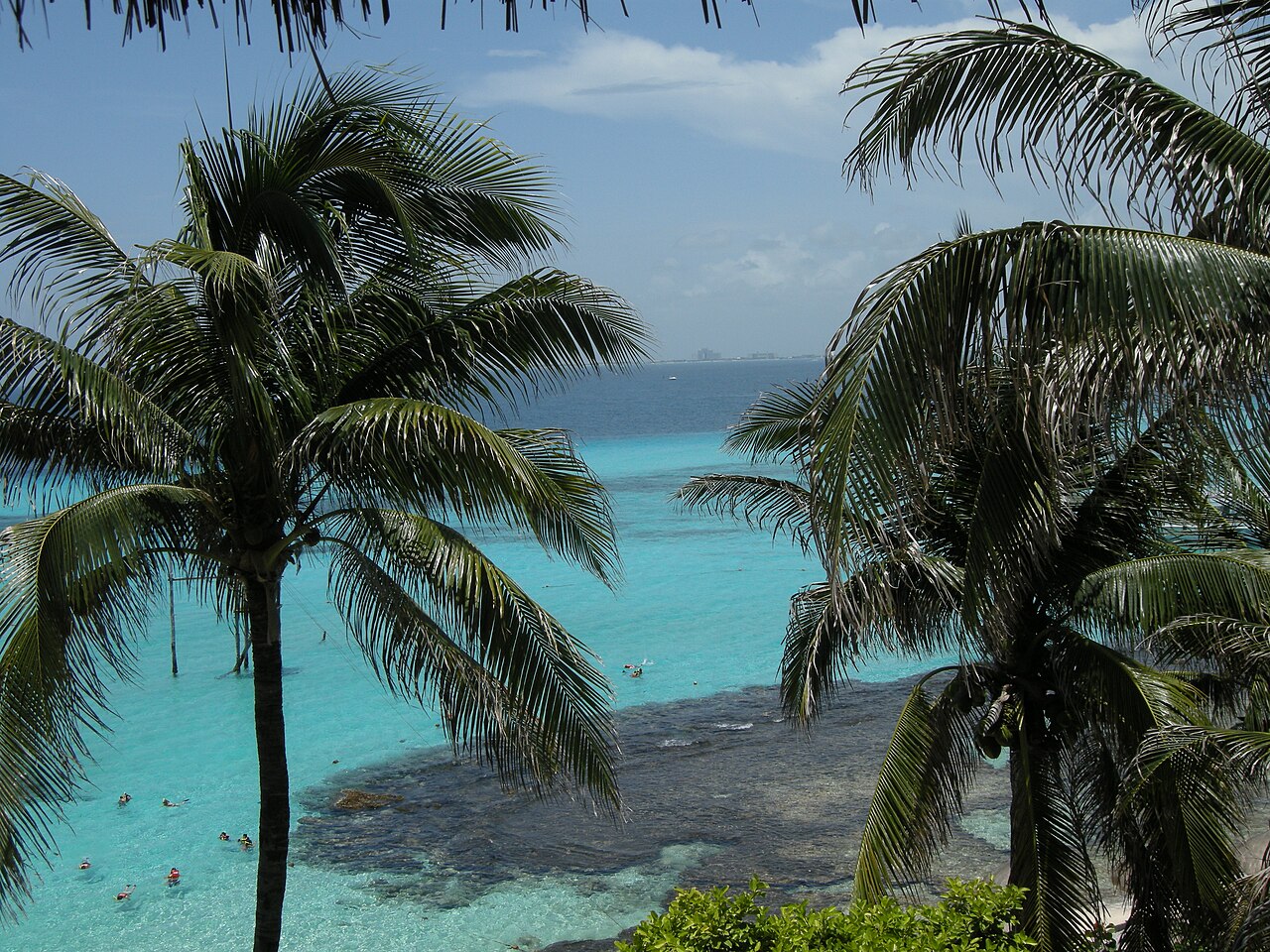
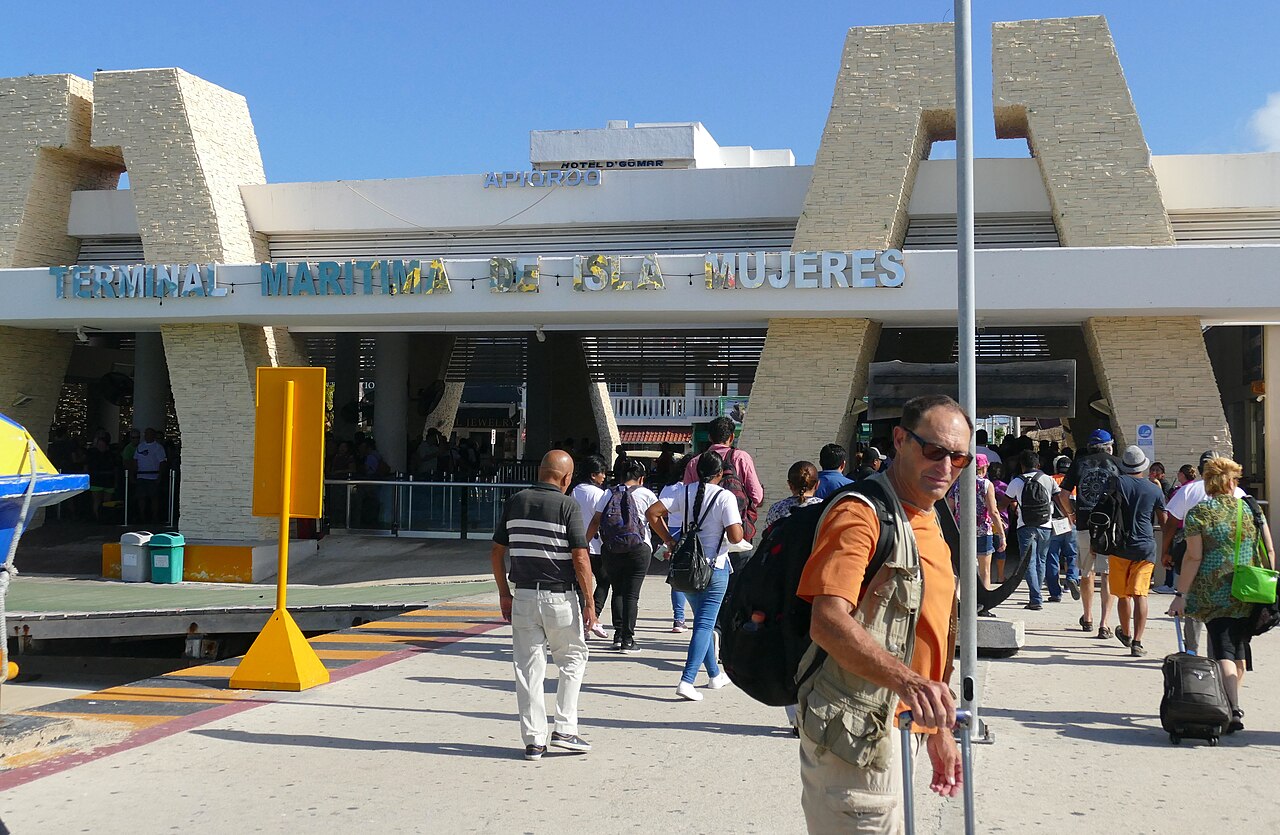
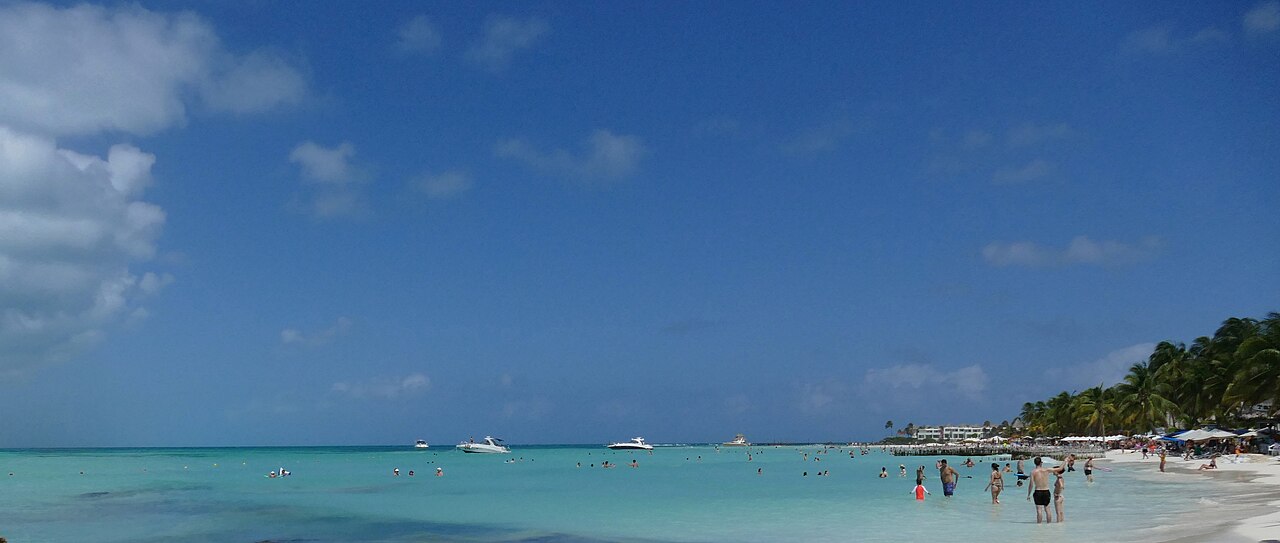
These are the most comfortable months, with lower humidity, mostly sunny days, clear water for snorkelling and calm swimming at Playa Norte. It is also high season, so hotel prices are at their highest from late December through Easter and the island is busiest, particularly around Christmas, New Year and Holy Week. Occasional winter cold fronts, known locally as nortes, bring wind and choppier seas for a day or two and can disrupt boat trips or the ferry, so keep a spare day for any trip that depends on the sea.
May to mid-September: summer and whale sharks
Summer is hot and humid, with afternoon showers that usually pass quickly. The big draw is the whale shark season, which runs from about mid-May to mid-September, with July and August usually the most reliable months, when large numbers of whale sharks gather to feed in the waters off the island. Tours leave early and sell out, so book a few days ahead. Summer is also the main season for sargassum, the brown seaweed that washes up on Caribbean beaches in varying amounts from year to year. Playa Norte, on the north tip, is often less affected than east-facing beaches, but conditions change with the wind, so check recent reports before you travel.
Hurricane season
The Atlantic hurricane season runs from 1 June to 30 November, with the highest risk generally from August to October. Most weeks pass without a storm, but a tropical system can bring heavy rain, suspend ferries and boat trips and, rarely, force evacuations. If you travel in these months, choose flexible bookings, take travel insurance that covers weather disruption and keep an eye on forecasts in the days before you go.
September to November: quiet and good value
September and early October are the quietest and cheapest time on the island, with the heaviest rain and peak hurricane risk, and some restaurants and businesses close for a few weeks of maintenance. From late October into November the rain eases, the sargassum usually fades, the water clears and prices remain lower than in winter, which makes November a strong choice for a beach-focused trip.
Events
The island holds a whale shark festival in summer, usually in July, and celebrates Day of the Dead at the start of November and its patron saint festivities in early December. Mexican holiday periods, particularly Easter week and the Christmas holidays, bring many domestic visitors and busier ferries.
Our pick
For the best all-round beach and snorkelling trip, go between November and April, ideally avoiding the Christmas and Easter peaks for better prices. For whale sharks, go in July or August, book early and accept the heat and the chance of seaweed. For value and quiet, late October and November offer clear water and fewer people without the winter premium. Whatever the month, start your days early to enjoy the calmest water and the coolest air.
Booking ahead
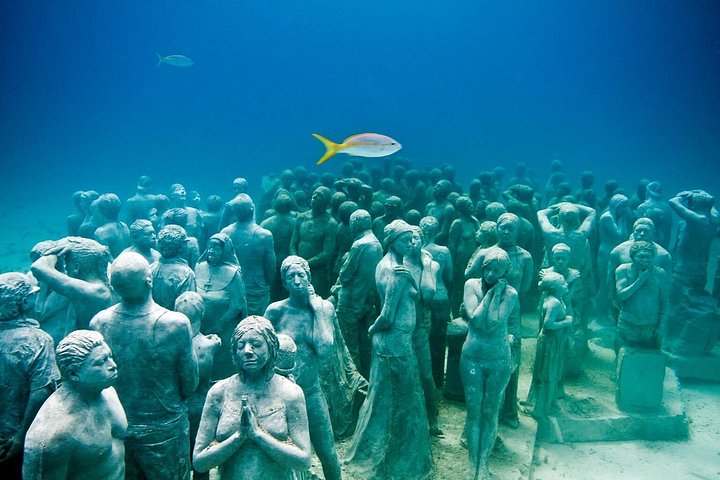
Rooms on the island are limited compared with Cancun, so peak dates sell out earlier than on the mainland. Reserve your hotel first, then the MUSA snorkel trip and any whale shark tour. Our first-timer's guide covers what else to book and our three-day itinerary works in any season.
Season by activity
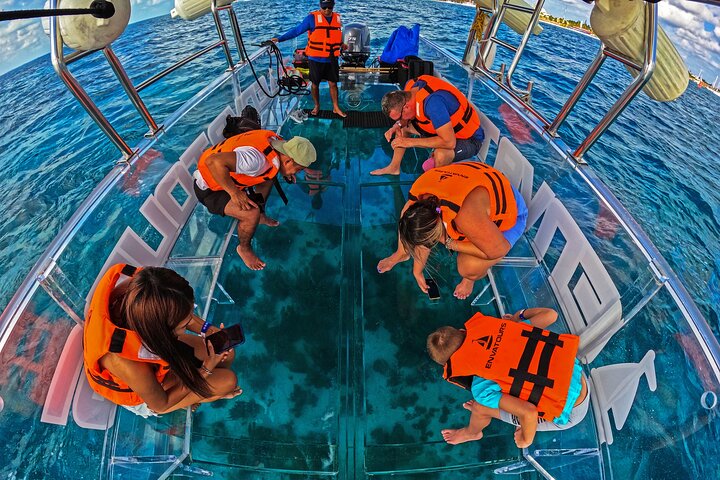
For snorkelling and diving, the dry months from about November to April usually bring the clearest water and calmest seas around MUSA, El Farito and the Manchones reef. Whale shark trips run only in their summer season. Isla Contoy trips run most of the year, weather permitting, but the daily visitor cap means you should book well ahead in the busy winter months. Sunset catamarans and beach clubs operate year-round, though boat trips of every kind are cancelled when the port authorities close the harbour in strong wind, so leave a buffer day in any season.
Prices and crowds
Hotel prices on the island follow the mainland pattern, with the highest rates over Christmas, New Year and Easter, strong demand from January to April, a second rise during the summer school holidays and whale shark season, and the lowest rates in September and October. Day-trippers from Cancun arrive mostly between late morning and mid-afternoon, so the island is noticeably quieter in the early morning and evening whatever the month.