Food is one of the best reasons to spend time in Islamabad and Rawalpindi. The twin cities draw on the cooking of Punjab, Kashmir, Khyber Pakhtunkhwa and beyond, and the result is a table of grilled meats, rich curries, fresh breads and sweet tea that rewards curiosity. Eating well here does not require a big budget, since some of the best meals come from busy kebab stalls and family restaurants. This guide covers what to try, where to look and how to eat safely and comfortably.
Breakfast and tea
A classic Pakistani breakfast might be halwa puri, a plate of sweet semolina pudding with fried puffed bread and chickpea curry, or paratha with omelette and tea. Tea itself is a ritual: doodh patti is strong, milky and sweet, and Kashmiri chai is pink and creamy, often garnished with nuts. Many cafes and dhabas serve tea all day, and sharing a pot is an easy way to start a conversation. Fresh juice, lassi and fruit chaat are good for hot afternoons.
Grills and kebabs
Seekh kebabs, chicken tikka, malai boti and chapli kebab, a spiced patty associated with Peshawar, are staples. Charcoal grills at roadside stalls and in markets produce smoky, juicy meat served with naan, chutney and salad. Look for busy places with fast turnover. Barbecue restaurants in the sectors offer a more comfortable setting, with air conditioning and family seating.
Curries and rice
Karahi, a tomato-based dish cooked and served in a wok-shaped pot, is a favourite, often made with chicken or mutton. Nihari and haleem are slow-cooked specialities, rich and warming in winter. Biryani and pulao are everyday comforts, and Afghan-style pulao with raisins and carrots is popular in the twin cities. Vegetarians can find daal, sabzi, paneer and other vegetable dishes, though meat is central, so ask clearly.
Where to eat
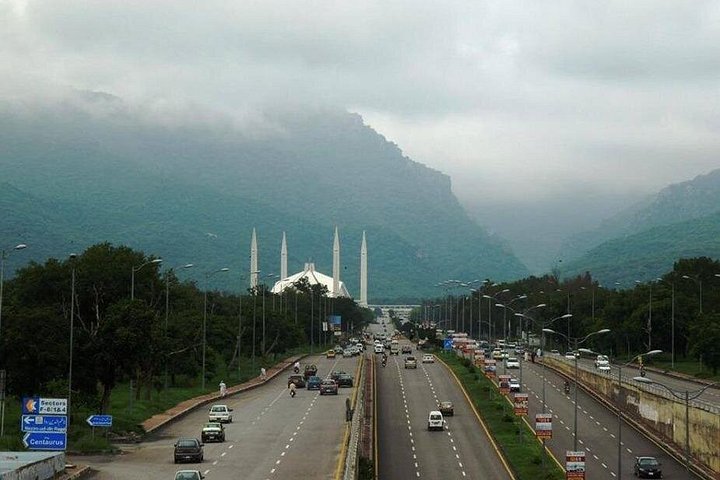
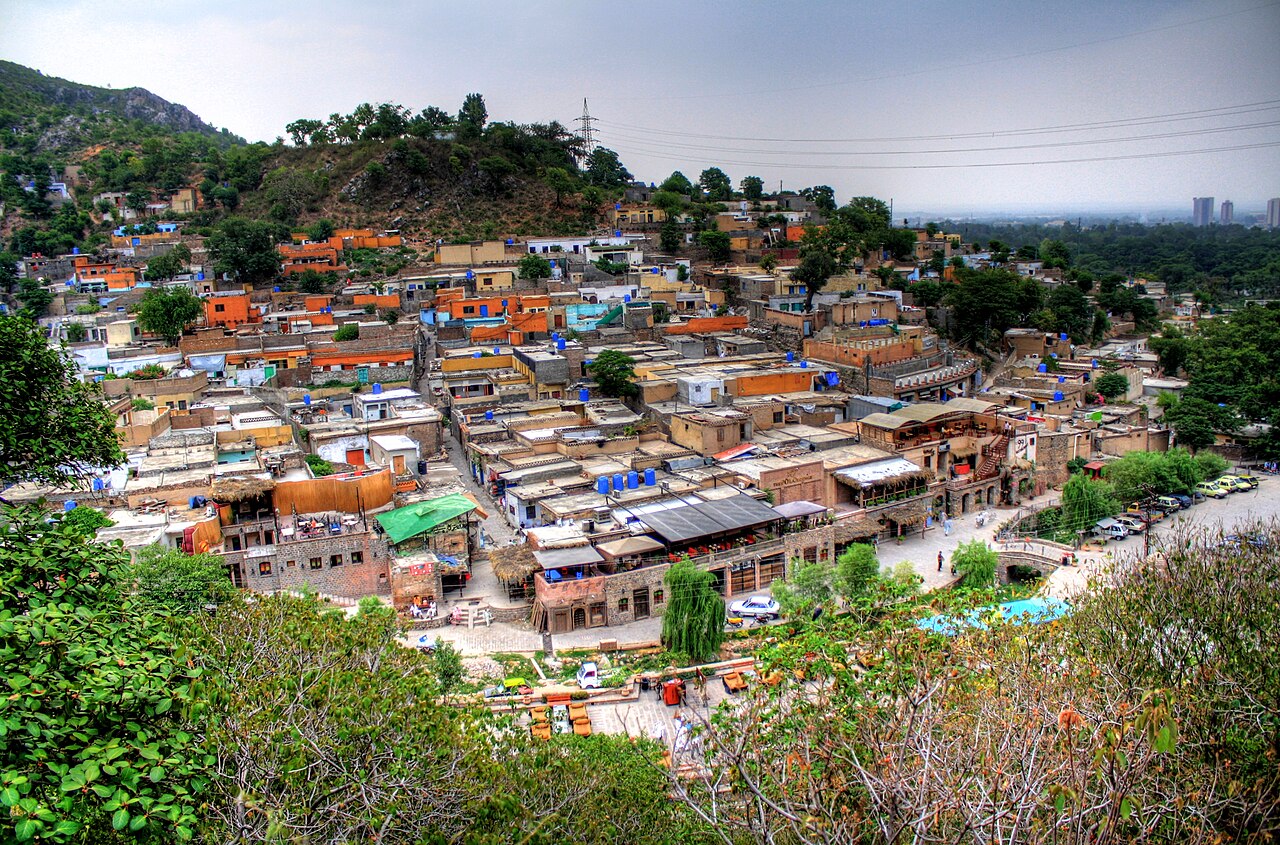
The sector markets, such as the ones in F-6, F-7 and G-6, have clusters of restaurants and food streets. The Margalla viewpoints offer meals with a view, especially at Pir Sohawa, and Saidpur Village is a pleasant place for a longer dinner. In Rawalpindi, the old city and Raja Bazaar have the best street food, best explored with a guide. Malls such as the Centaurus complex have food courts for easy family meals.
Sweets and snacks
Try jalebi, gulab jamun, barfi and kulfi, and look for roasted corn, samosas, pakoras and fruit chaat as snacks. Dried fruit and nuts from the north are excellent gifts. In winter, look for gajar halwa, a warm carrot dessert, and in summer for falooda, a cold drink with vermicelli and rose syrup.
Eating safely and politely
Choose busy places, hot food and freshly cooked dishes, drink bottled or filtered water and avoid ice if unsure. Wash hands before eating, and use your right hand for sharing food. Alcohol is restricted in Pakistan, and visitors should not expect it in most restaurants. During Ramadan, many places open only after sunset, and the evening meal, iftar, is a lively social time. Tip a modest amount if service is not included. Above all, be adventurous in a measured way, ask locals for recommendations and enjoy the generosity of a food culture where guests are treated like family.
Ordering tips
Dishes are usually shared, with bread and rice ordered to the table. Ask how spicy a dish is and request mild if needed, since local heat can be strong. Portions are generous, so order a few dishes among a group and add more if needed. Menus in hotels and malls are in English, while stalls may rely on pointing and a few words. Take cash for small places and keep small notes for tips.
Regional touches
Because the twin cities draw people from across the country, you can find Kashmiri tea, Peshawari kebabs, Punjabi curries, Afghan rice and northern dried fruit all in a few streets. If you are heading to Hunza or Swat, try trout, walnut bread and apricot dishes there too. Ask your driver or guide where they eat, because the best recommendations often come from people who eat out daily and know which places are consistently good.
A sample food day
Begin with halwa puri and sweet tea, snack on fruit chaat in the afternoon, share a plate of seekh kebabs and naan for dinner, and finish with kulfi or a pot of Kashmiri chai. For a special meal, book a table at a ridge restaurant at Pir Sohawa or a rooftop at Saidpur Village, where the setting is part of the pleasure. On a day trip, ask your driver for a roadside stop, because the simplest dhaba can serve the freshest bread and the hottest tea of the trip.