Islamabad has four distinct seasons, and the best time to visit depends on what you want to do. For the city itself, spring and autumn are the most comfortable. For the high mountains, summer is the window, and for snow in the nearby hills, winter delivers. This guide explains what each season is like, what is open and how to plan around weather and holidays.
Spring
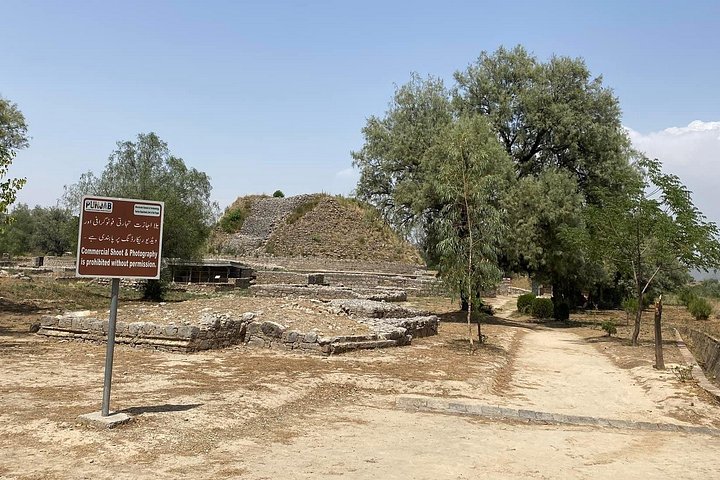
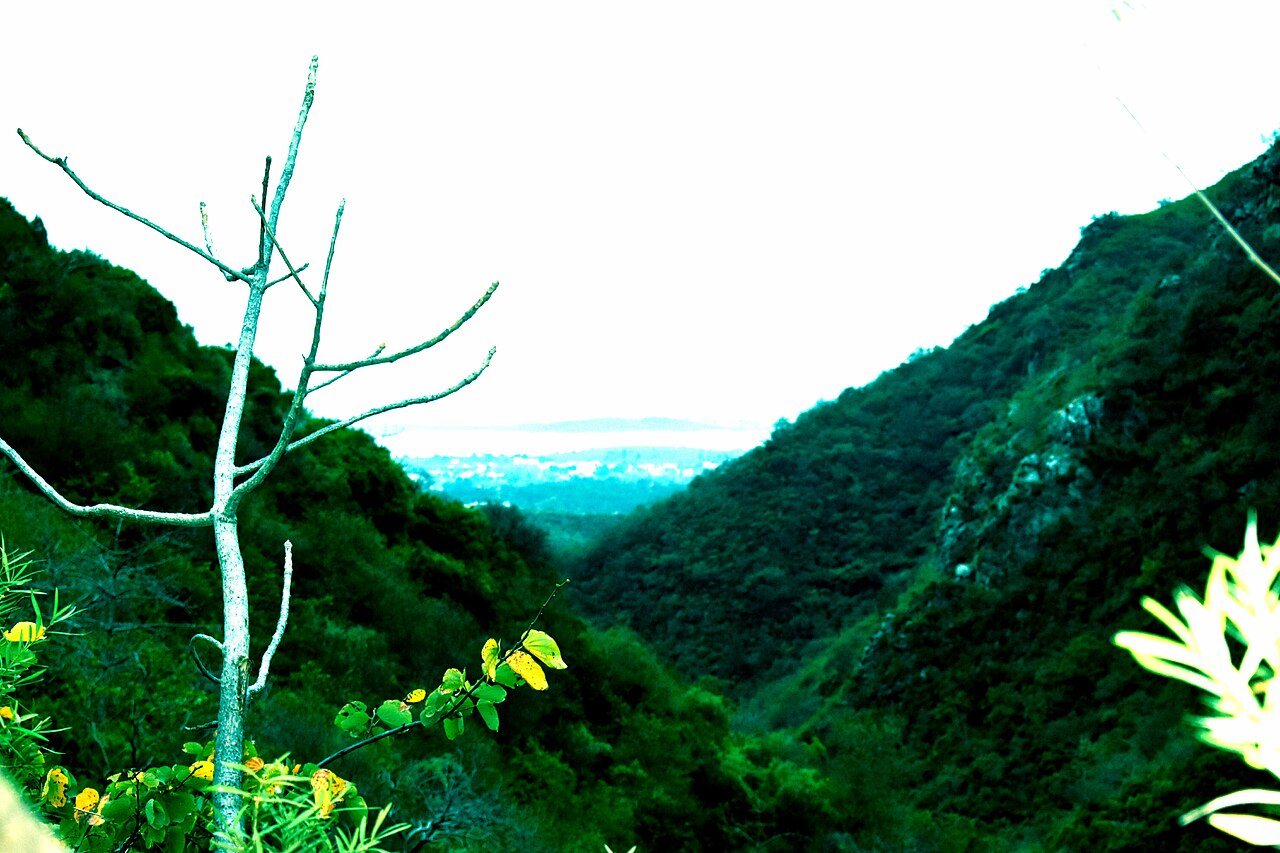
From March to April, the city is green, the air is mild and the Margalla Hills are at their best for walks. Days are warm, evenings are cool and there is often a haze of blossom. This is an excellent time for Faisal Mosque, the Pakistan Monument, Saidpur Village and day trips to Taxila. In the north, spring brings fruit blossom in valleys such as Hunza, although high passes may still be closed by snow. Showers are possible, so carry a light rain jacket.
Summer
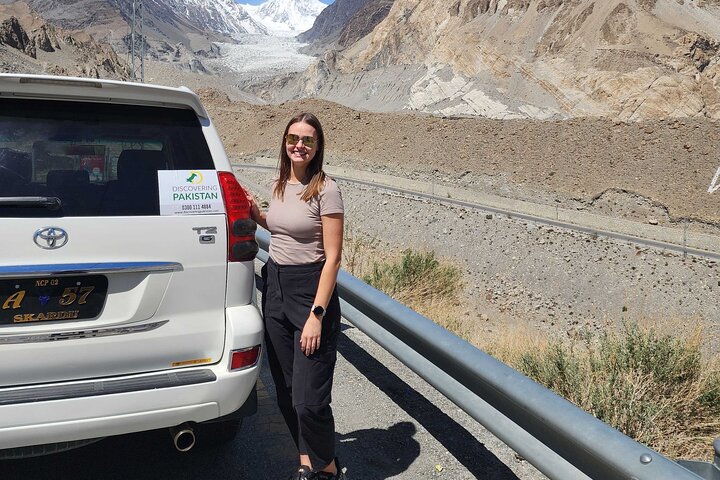
From May to August, the plains are hot, and midday temperatures can be very high. Early mornings and evenings are the time to sightsee, with the heat of the day spent in air-conditioned museums or hotels. The monsoon arrives in July and August, bringing heavy rain, humidity and occasional flooding or landslides. This is also the peak season for the north, when roads to Fairy Meadows, Hunza, Skardu and Deosai are open, and for hill stations such as Murree and Nathiagali, which offer cool air. Plan flexible northern itineraries, as weather and road closures can change schedules.
Autumn
From late September to November, many travellers consider this the finest season. Temperatures fall, skies clear and the northern valleys turn gold and red. The Margalla trails are pleasant, and sunsets at Daman-e-Koh are crisp. Hunza in autumn is a favourite for photography. High passes begin to close as snow arrives, so check access before booking a late trip. It is a popular period, so book hotels and tours in advance.
Winter
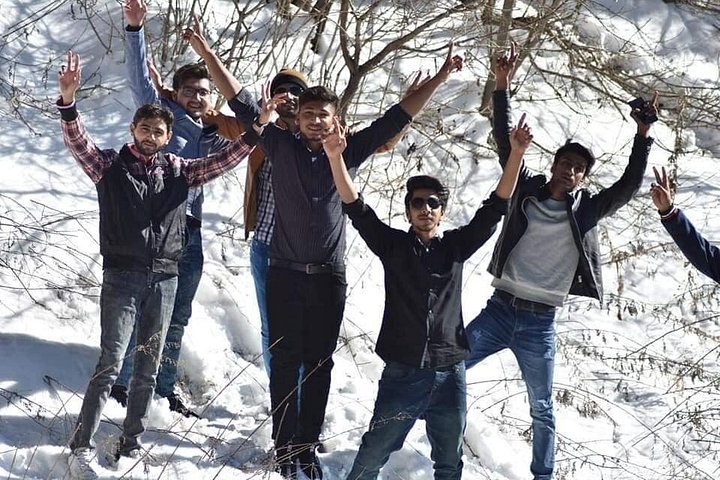
From December to February, Islamabad is cool and often dry, with foggy mornings and sunny afternoons. Hiking in the Margalla Hills is at its best, and sightseeing is comfortable. Murree and Nathiagali may see snow, which draws large crowds on weekends, and roads can be slow or require chains. Much of the high north is closed or very cold, so winter is the season for the city, the hills and low-altitude culture trips such as Taxila, Rohtas Fort and Rawalpindi.
Holidays and events
Ramadan shifts with the lunar calendar and affects opening hours, with many restaurants closed in daylight and lively evenings after iftar. Eid holidays bring heavy domestic travel, and hill stations and hotels fill up quickly. Public holidays and long weekends can make roads to Murree extremely busy. Check the calendar when you plan, and book early.
Putting it together
For a first trip combining the city and a short hill escape, choose spring or autumn. For the northern mountains, aim for summer, with a buffer for weather. For quiet sightseeing and hiking, winter is excellent. Whatever the season, dress in layers, carry water, respect local customs and check your government's current travel advice and local conditions before you go.
Packing by season
In spring and autumn, bring light layers and a rain jacket. In summer, pack breathable cotton, a hat, sunscreen and a reusable water bottle, and plan to rest in the afternoon. In winter, bring a warm coat, hat and gloves for hill stations, and sturdy shoes for snow. For the north, add a down jacket and good boots at any time of year, because mountain weather changes quickly.
Crowds and prices
Spring and autumn are the busiest for international visitors, while summer and holidays bring domestic crowds to the hills. Book hotels and tours early for these periods, and consider midweek travel to avoid traffic. Winter and the heat of early summer often bring better rates in the city, though the weather requires more planning.
Reading the weather
Forecasts for the capital can be misleading for the mountains, where conditions change by valley and altitude, so check local forecasts for each leg of your route. Fog can affect winter mornings and flights, and heavy rain can close roads in the hills and north. Build spare days into your plan, especially around international flights, and keep a flexible attitude. A rainy afternoon is a good time for the museums, a long lunch and a stroll through a covered market.