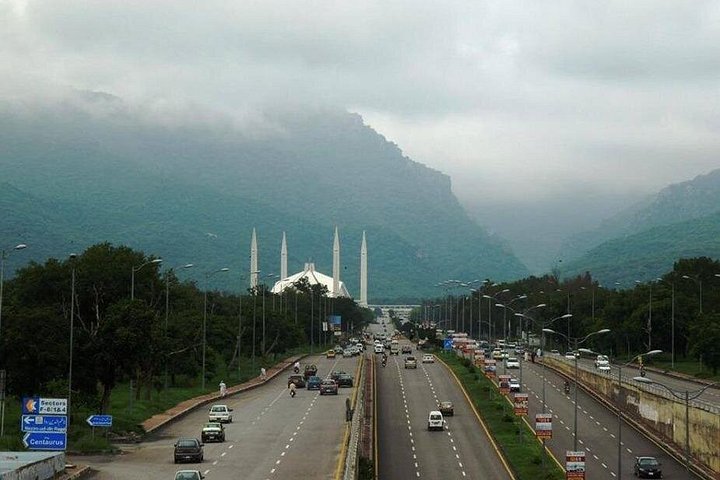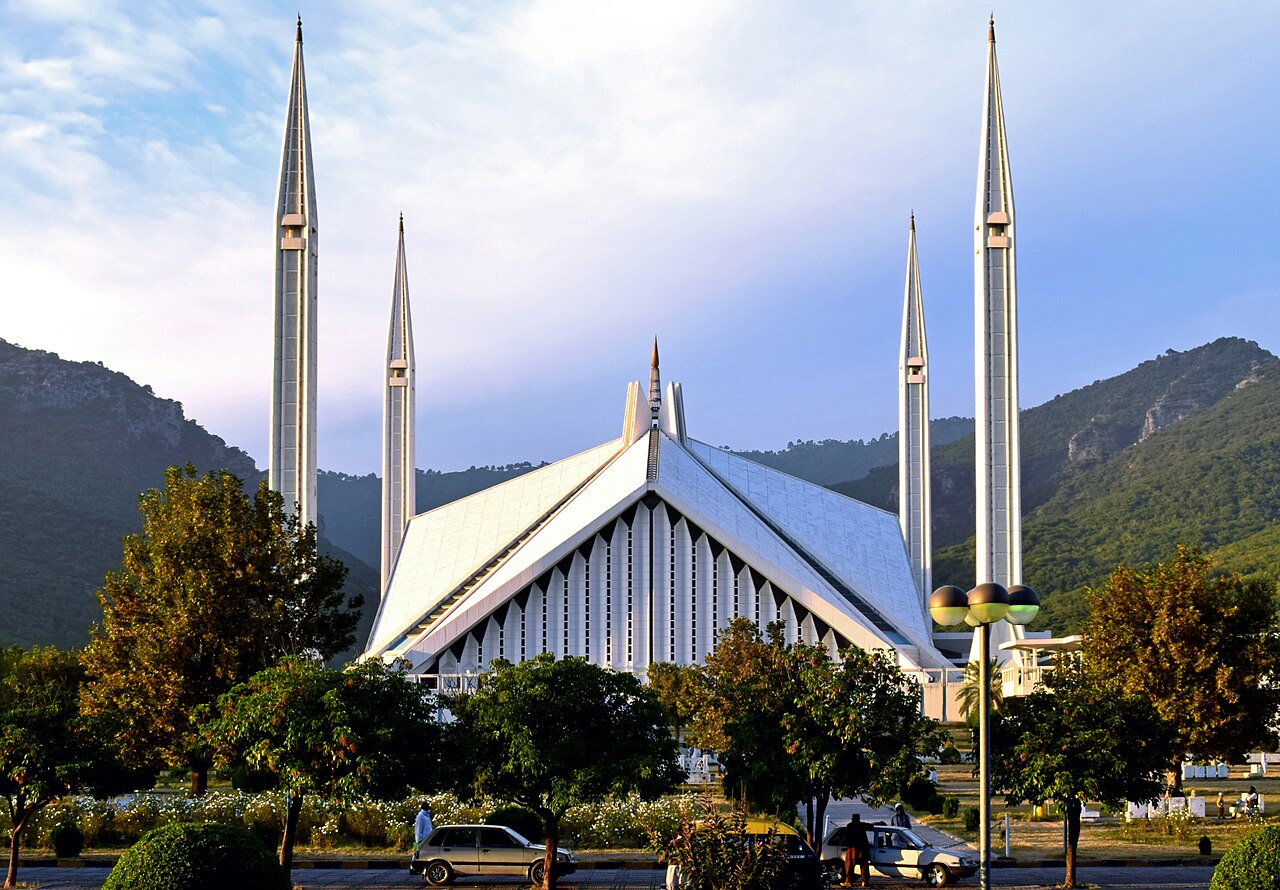
Islamabad is not what many first-time visitors expect. It is a planned capital built from the 1960s, laid out on a grid of numbered and lettered sectors against the green wall of the Margalla Hills, with wide avenues, quiet leafy neighbourhoods and far less chaos than Karachi or Lahore. That calm is part of the appeal, and it makes the city a gentle introduction to Pakistan. It is also a gateway: most travellers use it as the arrival point for trips north to Hunza, Skardu and Swat, or for day trips to Taxila, Murree and Rohtas Fort. Give the city itself at least two or three days, because its best moments, from sunset at Pir Sohawa to a slow evening in Saidpur Village, reward unhurried time.
Before you go: documents and advice
Check visa and entry requirements well in advance, since rules differ by nationality and are handled online for many travellers. Read your government's current travel advice for Pakistan and for the regions you plan to visit, particularly the north-west and border areas, and buy travel insurance that covers your whole itinerary, including trekking if relevant. Keep copies of your passport and visa, and tell your hotel or operator your plans. Travelling with a reputable local operator or driver for longer routes is sensible, and it makes arranging permits, road conditions and accommodation much easier.
How the city works
Sectors are named with a letter and number, such as F-6, G-7 or E-11, and each has its own market, mosque and parks. The Blue Area is the commercial spine, the Red Zone holds government buildings, and the Diplomatic Enclave is a secure district with its own access rules. Distances between sectors are longer than they look on a map, and walking between sights is rarely practical, so plan on taxis, ride-hailing apps or a car with a driver. The Metro bus links Islamabad and Rawalpindi along a central corridor, which is useful for cheap trips but less convenient for sightseeing. Traffic builds in the morning and evening, so start early.
Dress, etiquette and religion
Pakistan is a conservative Muslim country, and modest clothing is the safest and most respectful choice. Cover shoulders and knees, choose loose long clothing, and women should carry a light scarf for mosques and rural areas. Remove shoes before entering mosques and some homes. Use your right hand for eating and passing things, ask before photographing people and accept offers of tea graciously, since hospitality is central to local culture. During Ramadan, eating and drinking in public during daylight is discouraged, and some restaurants open only after sunset, so adjust plans. Friday midday prayers affect opening hours and traffic.
Money, connectivity and health
The local currency is the Pakistani rupee. Cards are accepted in larger hotels and malls, but cash is needed for taxis, markets and tips. Cash machines are common in the sectors, though foreign cards do not always work, so carry a back-up. A local SIM card, available at the airport or in the Blue Area with passport verification, makes maps and ride-hailing easier. Drink bottled or filtered water, eat at busy places, wash hands and carry basic medicines. Summers are hot, so use sun protection and stay hydrated.
What to see first
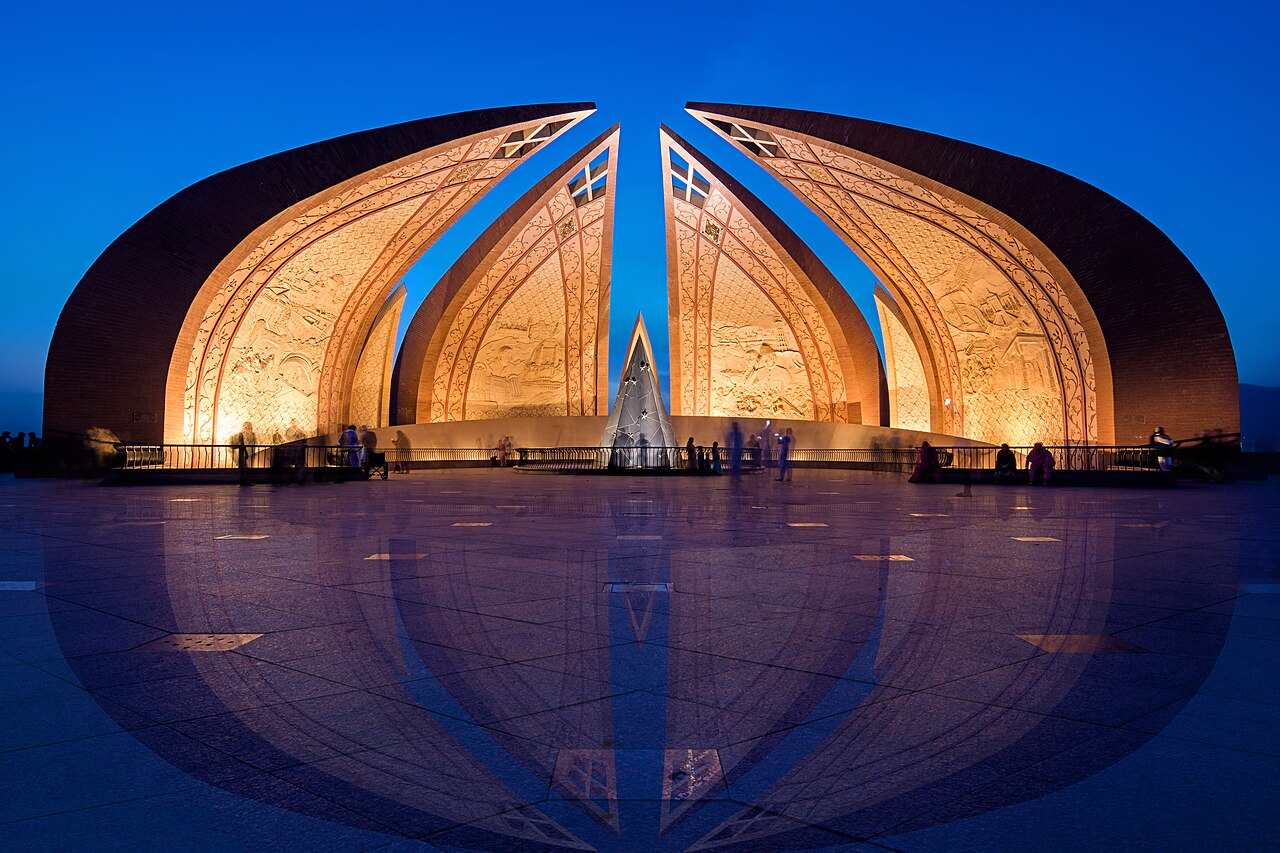
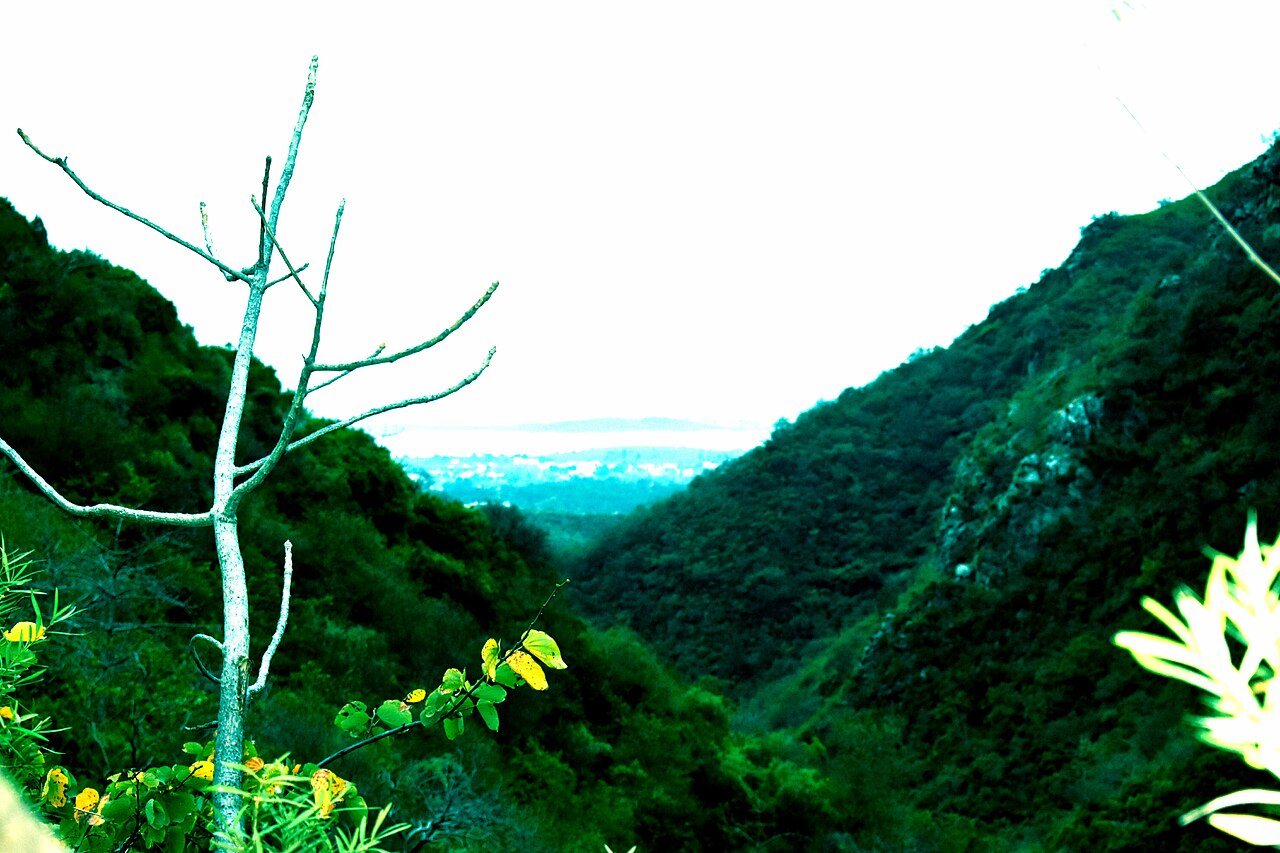
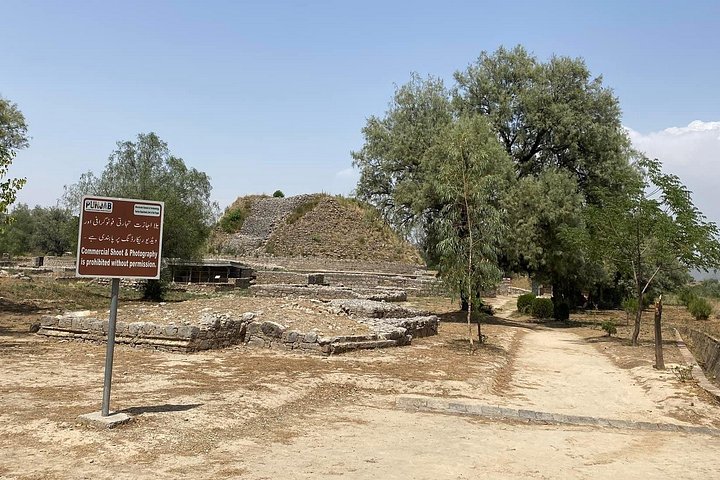
Start with Faisal Mosque, the Pakistan Monument and Lok Virsa for context, then add a Margalla Hills viewpoint at Daman-e-Koh or Pir Sohawa for sunset. Saidpur Village is the best easy evening, and a guided day trip to Taxila gives the deep history. If you want an easy first day, a guided city tour covers the highlights with transport and lunch. Spend the rest of your time on the day trips and northern journeys that make Pakistan so memorable. Above all, travel slowly, ask questions and accept invitations to tea when they come, because that is where the best stories begin.
Getting in and out
Islamabad International Airport lies southwest of the city, and the transfer to central hotels typically takes around an hour depending on traffic, so arrange a pickup or a trusted ride-hailing car in advance. Many international flights arrive at night, so confirm late check-in with your hotel. For onward travel north, you can fly to Gilgit or Skardu when weather allows, or drive along the Karakoram Highway, which is long but scenic. Always keep a spare day before an international flight, because mountain weather can disrupt both flights and roads.
Staying connected
Share your itinerary with your hotel, keep emergency numbers handy, and use registered taxis or ride-hailing apps. Keep valuables out of sight, carry a copy of your passport, and follow local advice about areas to avoid. Most visitors find locals curious, polite and generous, and a smile and a few words of greeting go a long way. Learning salaam, shukriya and a few numbers will earn warm responses and make bargaining in markets friendlier.