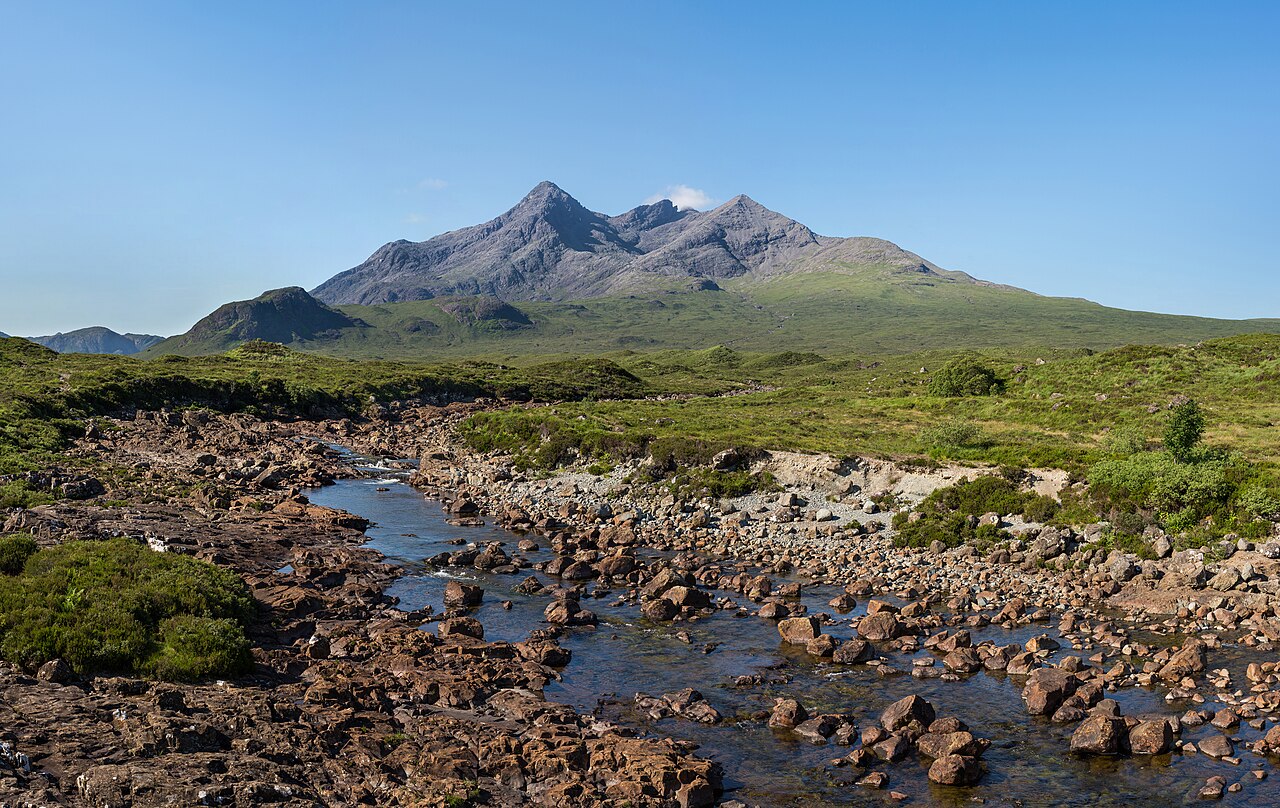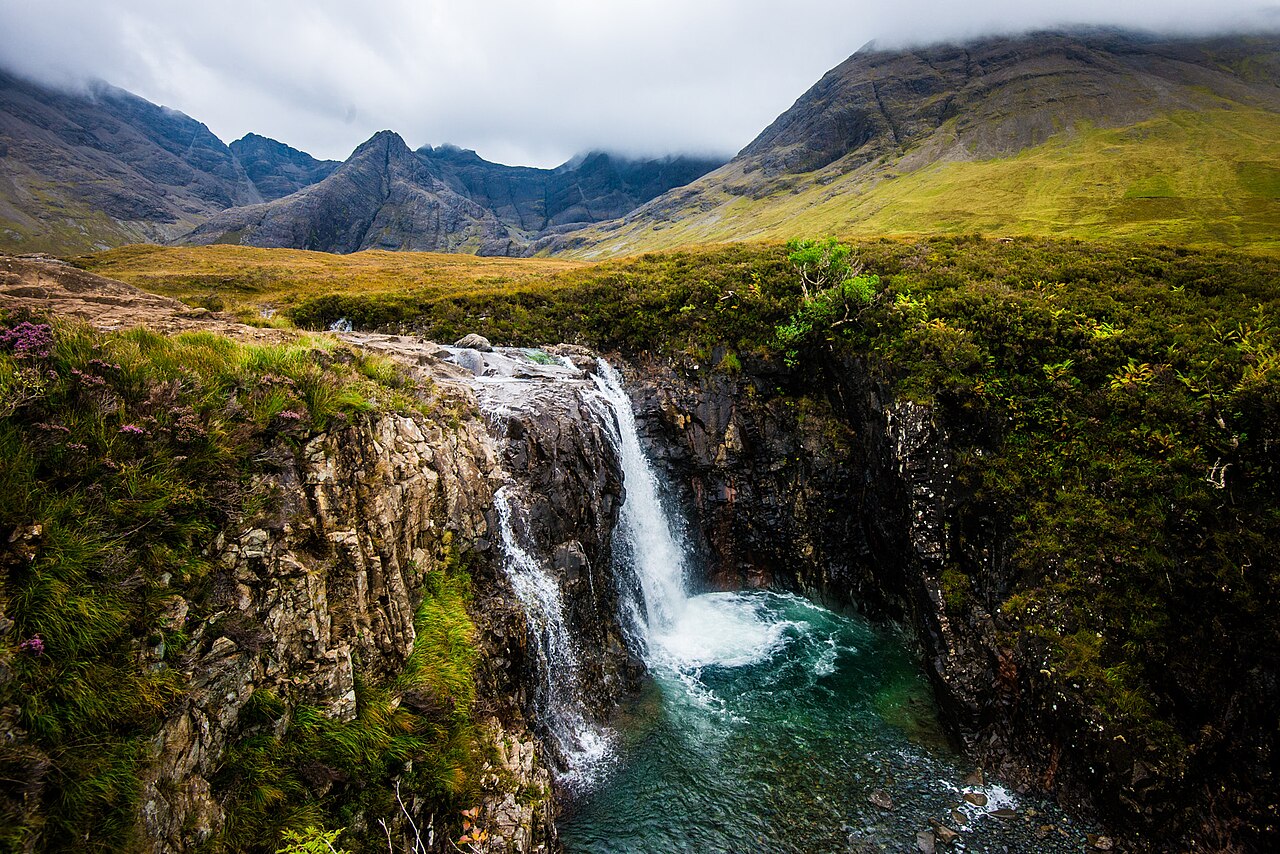
Skye is the largest of Scotland's Inner Hebrides, and it rewards a first visit with sea cliffs, ridges, waterfalls and a harbour town, but it is bigger and slower than it looks on a map. Roads are often single-track, distances are long and the weather changes quickly. Most of the best sights are free to visit, which means the planning is about time, daylight and road conditions rather than tickets. This guide is written for a winter visit, so it states plainly what is shut and what is open.
What is open and what is not
From 1 April to 15 October Dunvegan Castle and Gardens are open, but they are closed outside those dates, so they are shut in November. The boat trips to Loch Coruisk from Elgol run from April to October, weather permitting, and the harbour boat trips from Portree are seasonal too, so do not plan on either in winter. Talisker Distillery stays open daily from 10am to 4.30pm from November to February, apart from 25 and 26 December and 1 and 2 January, and can close at short notice in bad weather. Eilean Donan Castle keeps shorter winter hours, so check before you drive.
What to book ahead
Book your beds first, because winter closures mean fewer places are open, and ask about parking when you do. Book a Talisker tour if you want one, since booking ahead is strongly recommended. If you will not drive, reserve a day tour from Inverness or a multi-day tour from Edinburgh, which are the two common ways to reach Skye without a car. Everything else on this list is free and needs only good weather and a sensible start.
Getting around
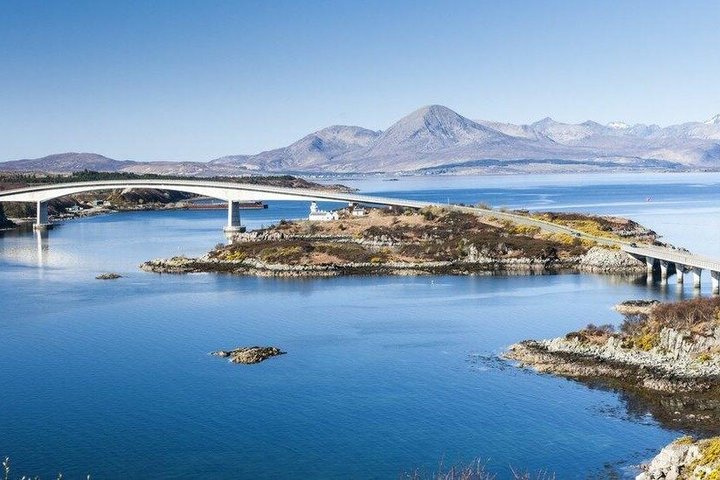
A car gives the most freedom, because the best viewpoints are spread across the island and buses are infrequent. The Skye Bridge is free to cross and Portree is about three hours from Inverness by road. Public transport links Portree with Dunvegan, Uig, Staffin and Broadford, but timetables are thin in winter. Drive slowly on single-track roads, use passing places and let faster traffic pass. If you prefer not to drive, a small-group day tour covers the highlights, though only briefly.
How many days
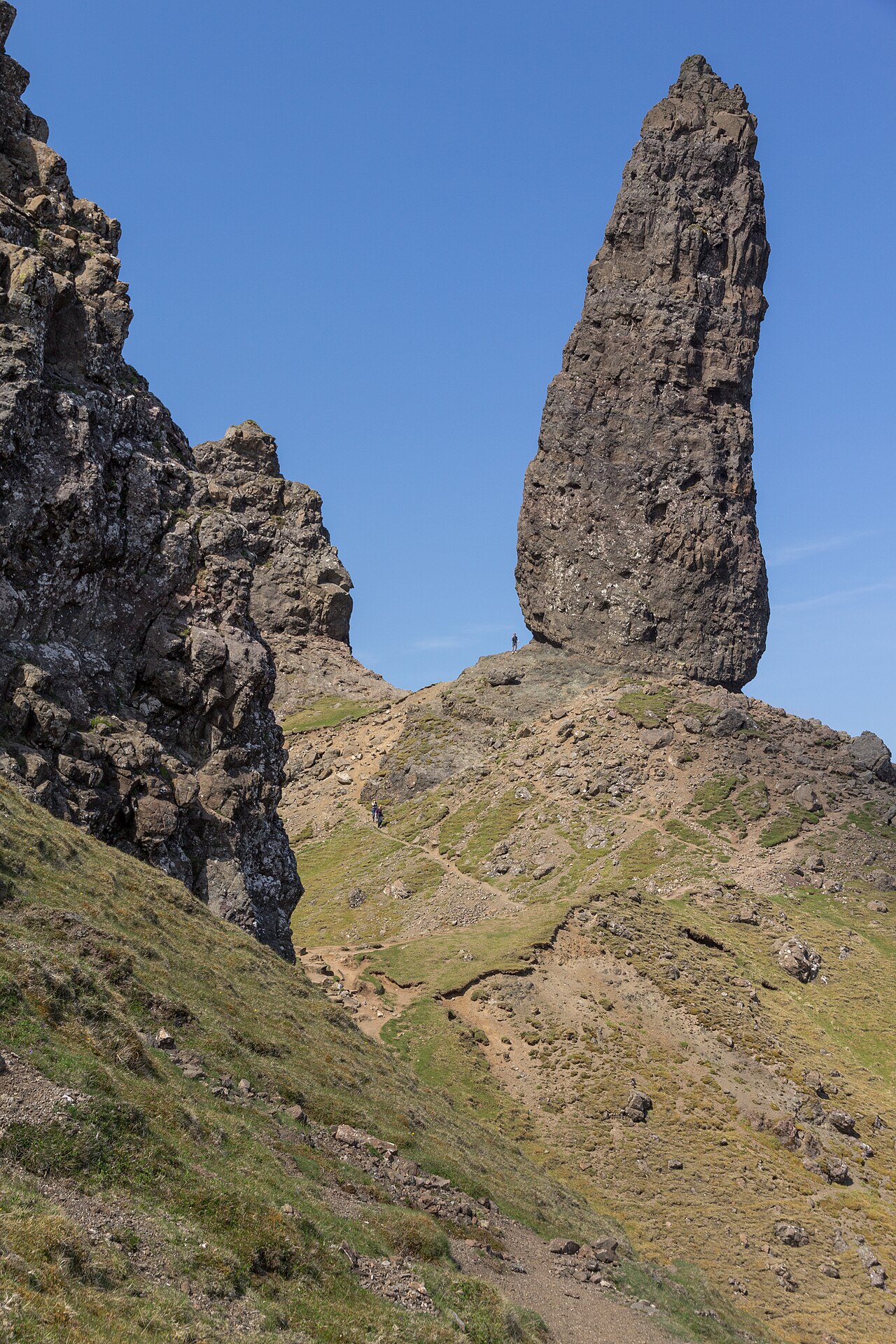
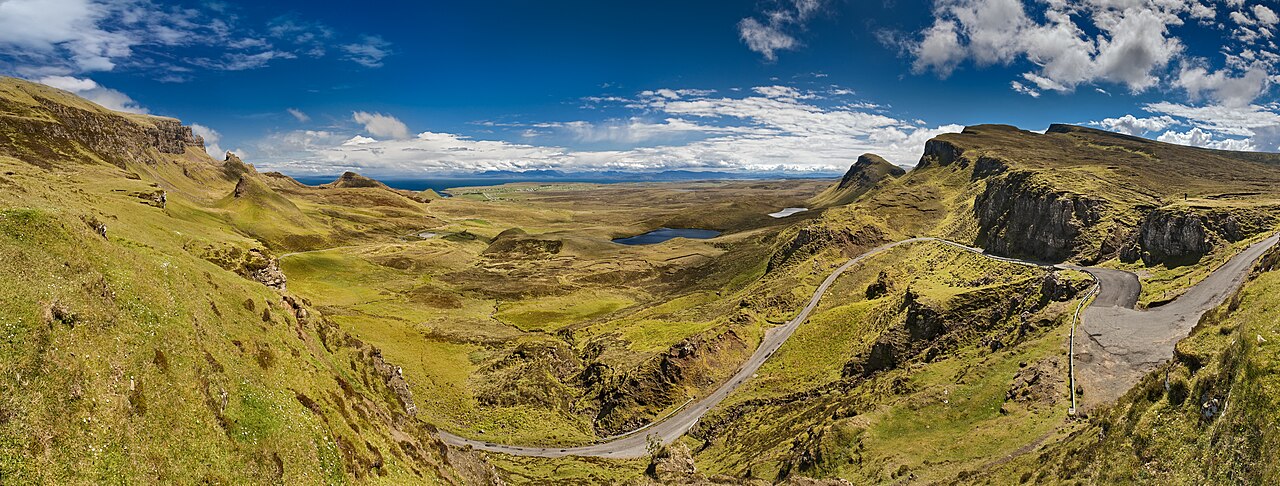
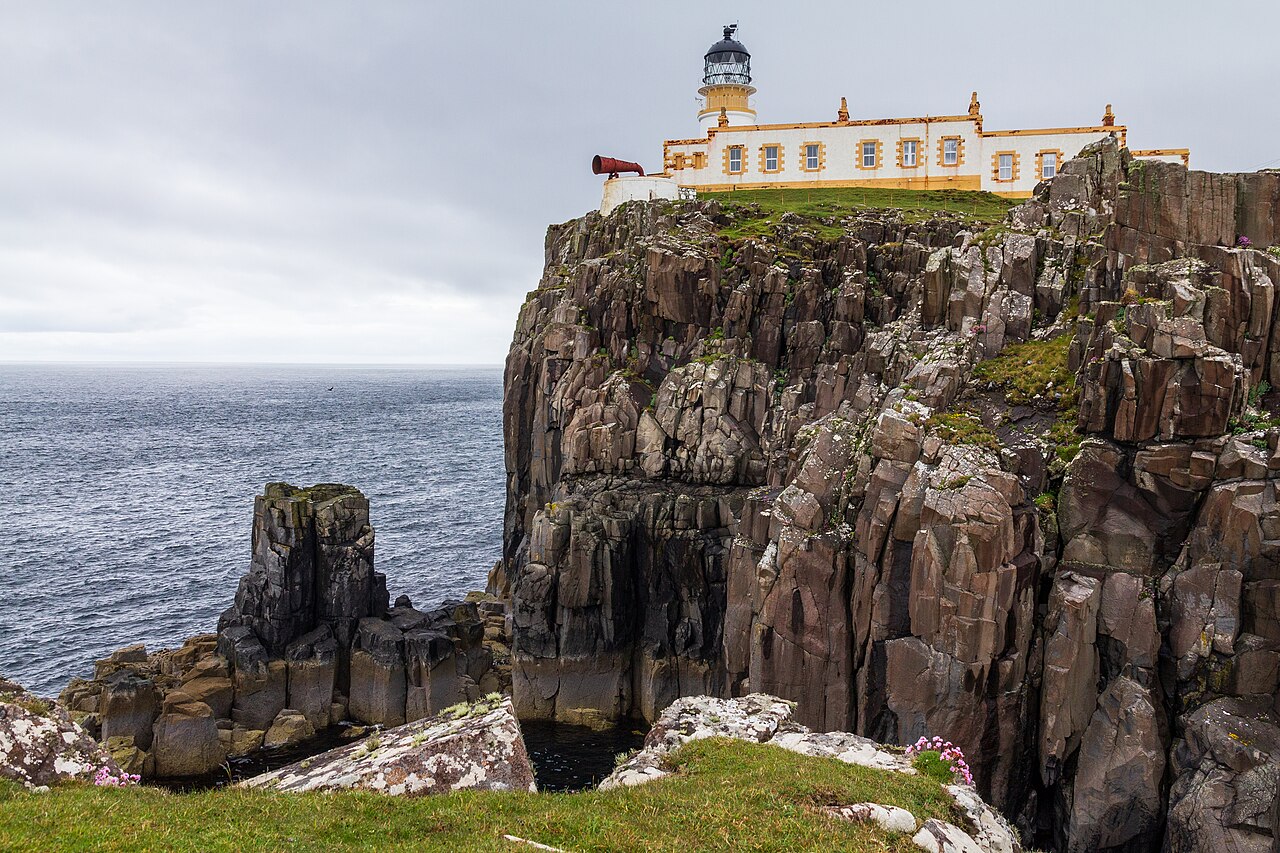
One day from Inverness gets you a taste, and two or three days let you see the island properly. A good three-day plan is the north on day one, with the Old Man of Storr, Portree and the Quiraing, the south-west on day two, with the Fairy Pools and Talisker, and the far west on day three, with Neist Point and Dunvegan village. Add a day for Eilean Donan and the drive in and out. In winter, daylight is short, under seven hours around midwinter, so plan one major outdoor activity a day and finish the rest by the fire.
Where the sights fit
The Old Man of Storr, Kilt Rock and the Quiraing sit on the Trotternish peninsula north of Portree, within about half an hour of each other. The Fairy Pools and Talisker are in the south-west near Carbost and Glen Brittle. Neist Point and Dunvegan are on the Duirinish peninsula in the west. Eilean Donan Castle is on the mainland at Dornie, just before the Skye Bridge. Portree sits in the middle of the north and is the natural base.
Weather and safety
The Quiraing and Neist Point are unsuitable in wind or mist because of high cliffs, and the Old Man of Storr can be muddy with a danger of rockfall at higher levels. Wear waterproof boots, carry a torch and a charged phone, check the forecast the night before and be ready to turn back. Choose hotels to match your plan, with Portree for the north, Sligachan for the Cuillin and south-west, Sleat for a quiet stay or Kyleakin for a first night, as described in our where-to-stay guide.