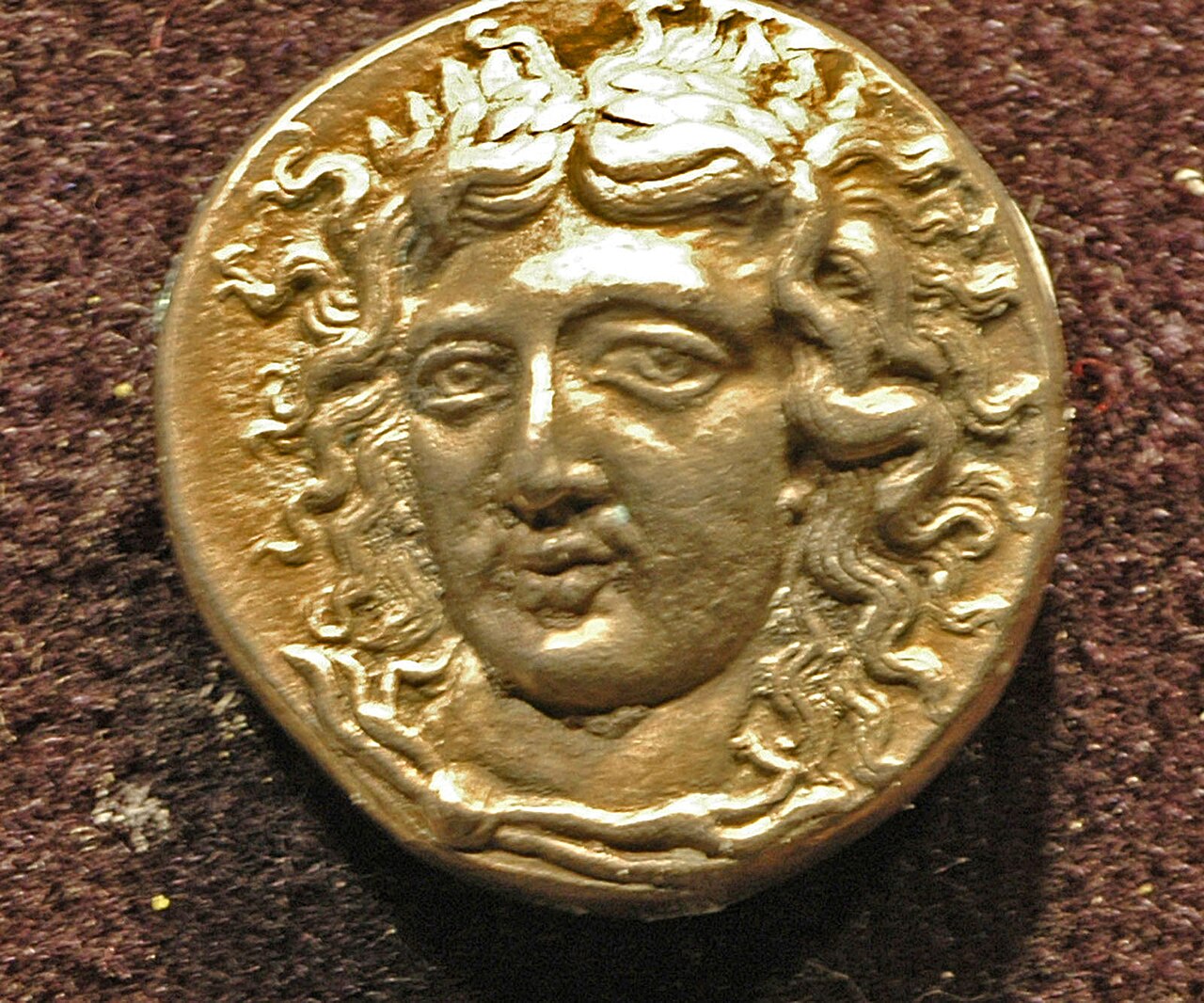
The İzmir Archaeology Museum stands in Bahribaba Park in Konak, on Halil Rıfat Paşa Caddesi, and its current building opened on 11 February 1984. The collection is arranged in a handful of halls. The Stone Works Hall on the entrance floor displays marble and stone sculptures, statues, busts, portraits and masks from the Hellenistic and Roman periods, with the marble statue of Androklos among the highlights. Upstairs, the Ceramic Works Hall traces pottery and artefacts from prehistoric times to the Byzantine period and includes a bronze statue of a running athlete and a bronze Demeter. A Treasure Room shows coins and objects in gold, silver, glass and gemstones, and the garden holds sculptures, sarcophagi, steles and inscriptions. Much of the material comes from excavations at the sites around İzmir, so the museum works as a clear introduction to Smyrna and the Aegean world before you head to the ruins themselves.
Plan the visit in three beats
Stone, clay and treasure. Start in the Stone Works Hall, where the Hellenistic and Roman portrait busts are especially good for faces and fashions, then climb to the ceramics for the bronzes and the sequence of pottery styles, and finish in the Treasure Room for coins and jewellery. Take your time in the garden, where sarcophagi and inscribed stones sit among the trees. The labels and signage are in Turkish and English, and the museum is not so large that it becomes tiring.
Practical points
The museum is run by the Ministry of Culture and Tourism, and tickets can be bought at the desk. Adults of all nationalities pay a modest fee in euros, and the Museum Pass The Aegean is accepted, which is worth considering if you will also visit Pergamon and Ephesus. Winter hours apply from 1 October to 1 April, with the museum open from 08:30 to 17:30 and the ticket office closing at 17:00, while summer hours run later in the evening.
Arrive by early afternoon in winter so you are not rushed. No closing day is listed on the national museums portal, but check before you go if you are travelling on a holiday, as opening arrangements can change.
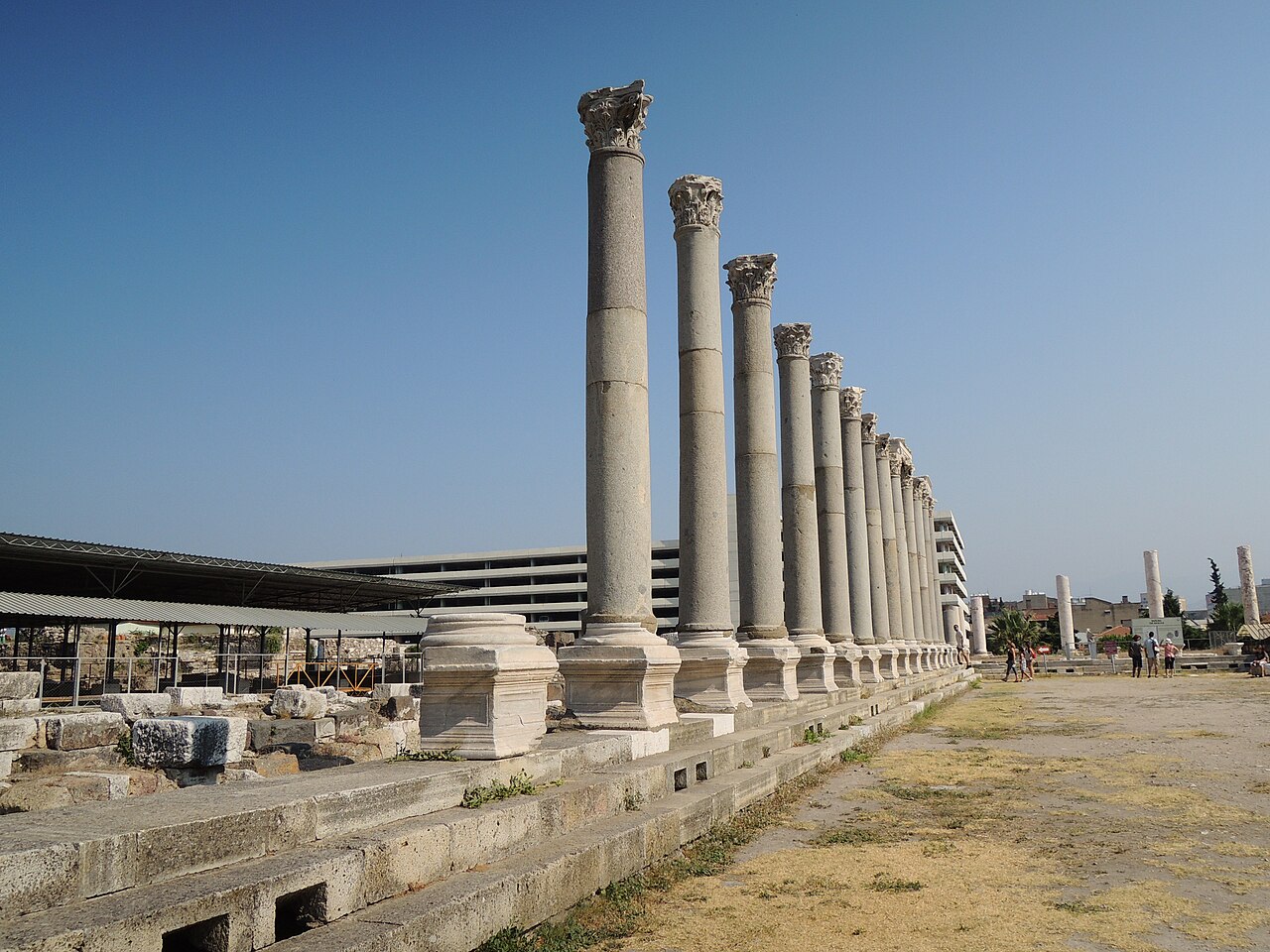
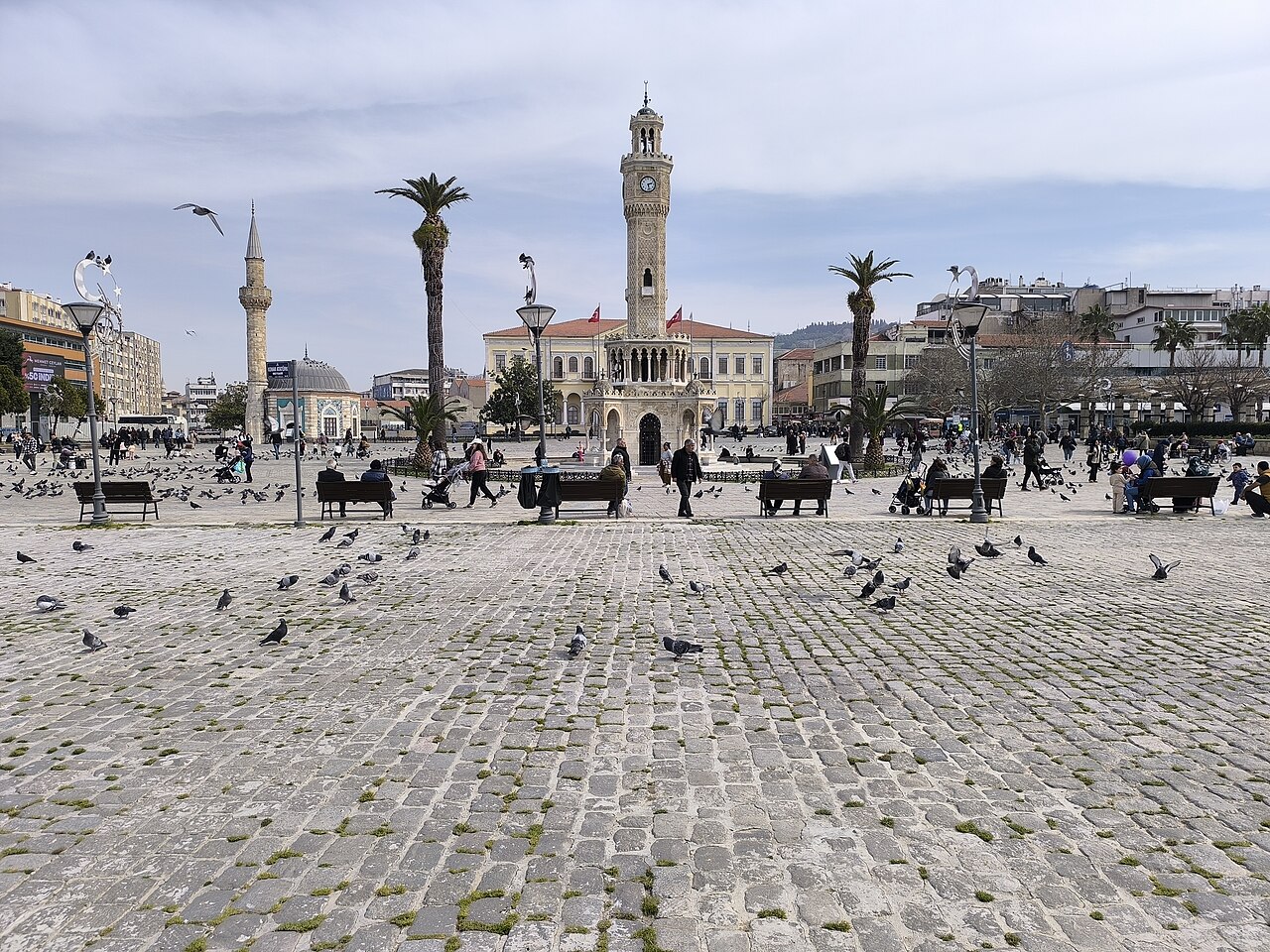
The museum is a natural companion to the Agora of Smyrna and Kadifekale, because it shows the objects that came from this ground. A short taxi or tram ride connects it with Konak Square, and the surrounding park is pleasant for a rest. If you only have time for one museum in İzmir, this is the one; combine it with a bazaar lunch and you have a full day of history and food that needs no booking in advance.
What to expect
The experience
A self-guided visit through stone, ceramic and treasure halls and a sculpture garden.
Best time
Late morning or early afternoon in winter, leaving time before the 17:30 closing.
How long
One and a half to two hours is comfortable for a full tour.
Tips
Buy your ticket at the desk, ask about the Museum Pass The Aegean if you will visit several sites and pair it with the Agora.
Quick picks
- Best for
- History lovers who want to see the objects behind the ruins.
- Families
- The bronzes, statues and garden hold the interest of older children, and the museum is not overwhelming in size.
- Couples
- A calm, indoor cultural hour, ideal on a rainy winter afternoon.
- Pair with
- The Agora of Smyrna, Kadifekale and the Kemeraltı Bazaar.
- Time needed
- One and a half to two hours.
Good questions
Where is the İzmir Archaeology Museum?+
It is in Bahribaba Park in Konak, on Halil Rıfat Paşa Caddesi. The current building opened in 1984.
What are the museum's highlights?+
Hellenistic and Roman marble sculpture including the statue of Androklos, a bronze running athlete, a bronze Demeter and a Treasure Room of coins and jewellery.
What are the winter opening hours?+
From 1 October to 1 April the museum is open from 08:30 to 17:30 and the ticket office closes at 17:00. Summer hours run later.
How much is a ticket?+
Adults of all nationalities pay a modest fee in euros, and the Museum Pass The Aegean is accepted. Some groups, including children of certain ages, enter free.
How long should I allow?+
Plan one and a half to two hours to see the stone, ceramic and treasure halls and the garden without rushing.