Jeddah is Saudi Arabia’s Red Sea gateway, a port city of old coral-stone houses, a long seafront and a warm, relaxed evening life. Most first-time visitors need two or three days, and the best plan is to book the few things that need a time slot and keep the rest flexible.
Entry and travel
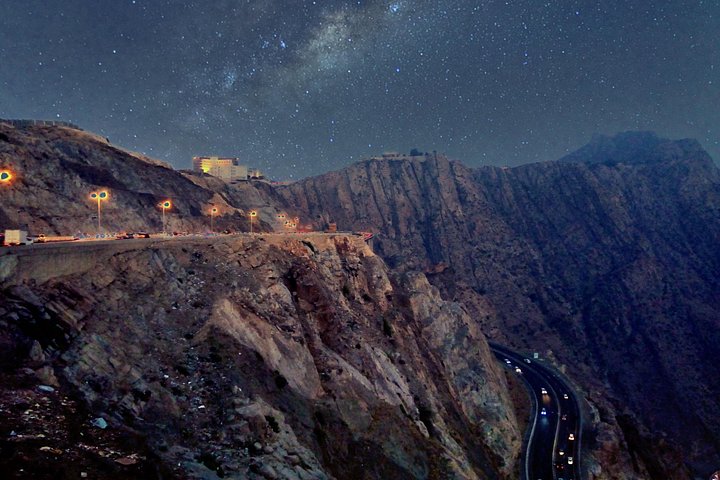
Visitors from many countries can apply for a Saudi tourist e-visa online before travel, and eligibility, fees and rules can change, so check the Visit Saudi portal for your nationality before you book flights. Makkah is open to Muslims only, and non-Muslim travellers use roads that bypass it, which matters if you plan a drive towards Taif. Dress modestly in public, with loose clothing that covers shoulders and knees, and carry your passport on longer drives.
When to go
The mild season runs from roughly November to March, with warm days and pleasant evenings. Summers are very hot and humid, so plan outdoor sights for the early morning or after sunset. Jeddah Season, the city’s big events programme, has usually been a summer affair, but dates change from year to year, so check Visit Saudi for any events during your trip rather than planning around a date from memory.
What to book ahead
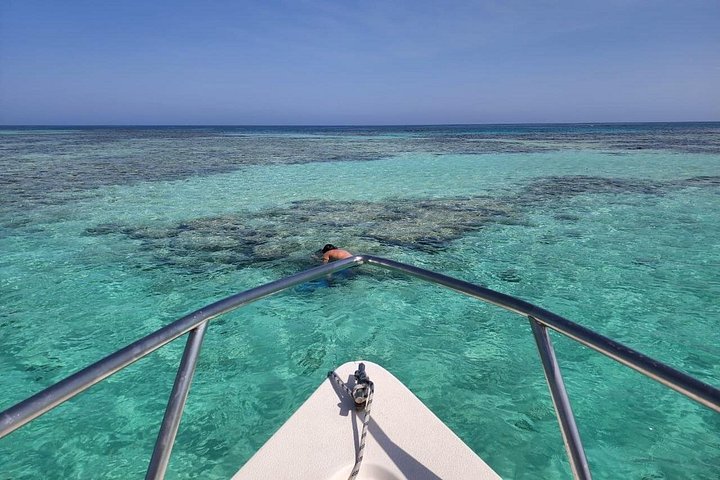
Book a time slot for teamLab Borderless Jeddah, especially at weekends and in the evening. Book the Red Sea snorkelling trip to Bayada in advance and keep a spare day in case the weather changes the plan. If you want a guide in Al-Balad, a walking tour of about three hours is the simplest way to understand the houses, and the Taif day trip needs an early start and a booking. The Tayebat Museum is easiest as part of a full-day tour or a taxi visit, and it is worth confirming its hours. Al-Balad, King Fahd’s Fountain and the Corniche are free and need nothing booked.
How to get around
Jeddah is a spread-out city built for cars. Taxis and ride-share apps are the easiest way to move between the old town, the Corniche and the hotels, and most visitors use them rather than rent a car. Allow extra time in the evening, when traffic builds on the main roads. Walking works well inside Al-Balad and along sections of the Corniche, but the heat and the distances make it a poor way to link the areas.
How many days
With one day, walk Al-Balad in the late afternoon, see Nasseef House, and finish with the Floating Mosque and King Fahd’s Fountain after dark. With two days, add the snorkelling trip or the aquarium and teamLab Borderless. With three days, add the Tayebat Museum and the Taif day trip, or simply slow down on the Corniche.
A simple plan
On day one, take a guided walk through Al-Balad in the afternoon, visit Nasseef House and have dinner in the old quarter. On day two, head out to Bayada for a morning in the water, rest in the afternoon, then watch the sunset at Al-Rahma Mosque and the fountain lit up. On day three, spend the day in Taif, or visit the Tayebat Museum and Fakieh Aquarium if you prefer to stay in the city.
What to bring
Light, loose clothing, a hat, sun cream, comfortable closed shoes for the old-town lanes and a refillable water bottle. A light layer helps on windy evenings by the sea, and a rash vest or T-shirt is useful on the boat. Check current local rules on alcohol, dress and photography before you go.
Where to stay
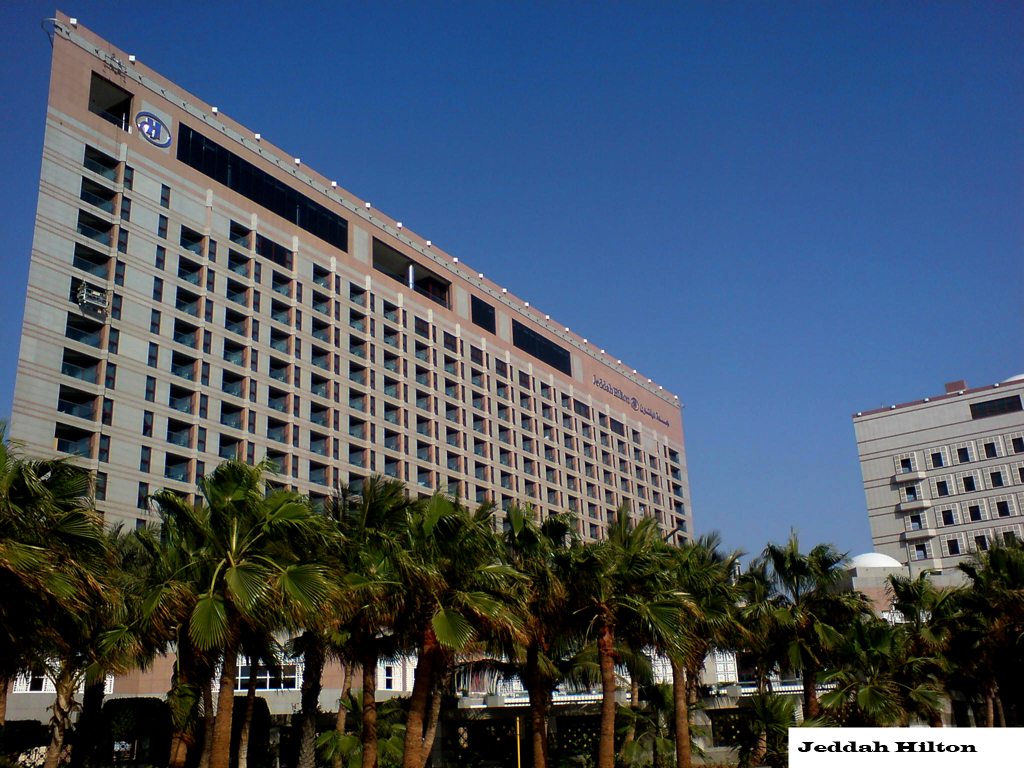
For a beach-and-Corniche trip, choose Park Hyatt Jeddah or the Jeddah Hilton. For value and airport access, choose Crowne Plaza Jeddah Al Salam or Holiday Inn Jeddah Gateway. For a base on foot to the old town, Lahdat Hotel Al Balad puts you in the quarter. The where to stay guide explains the choice in more detail.