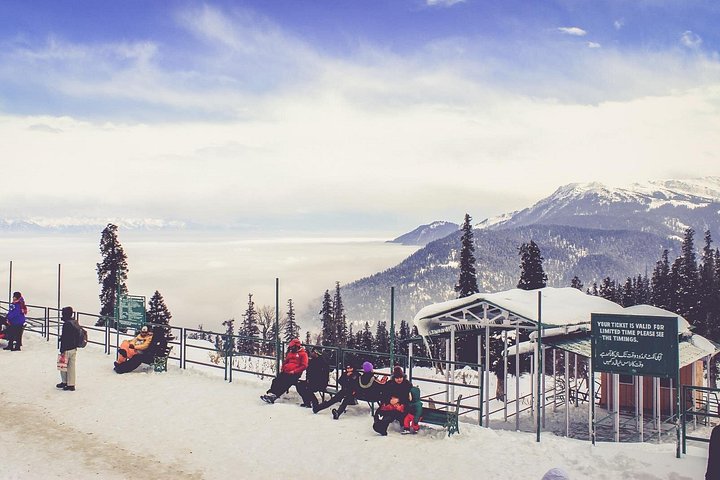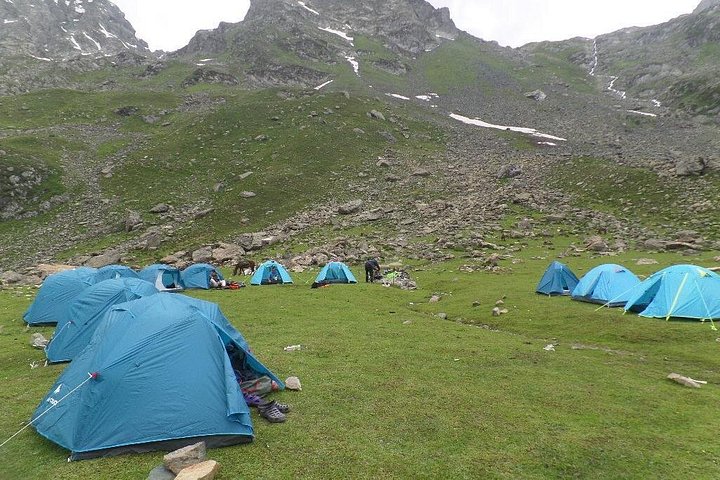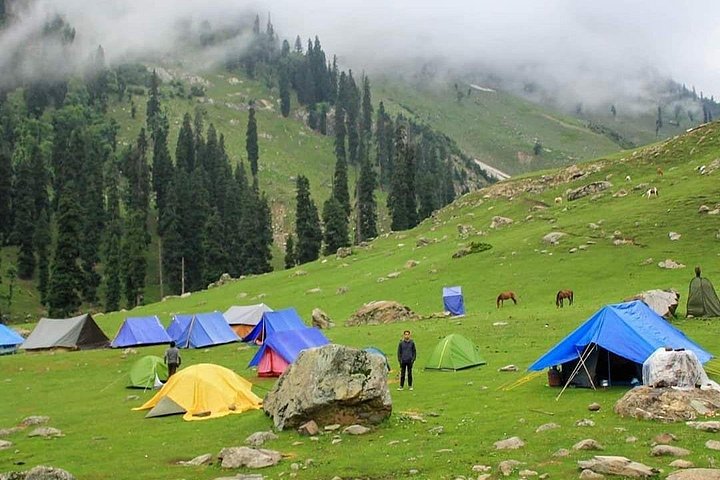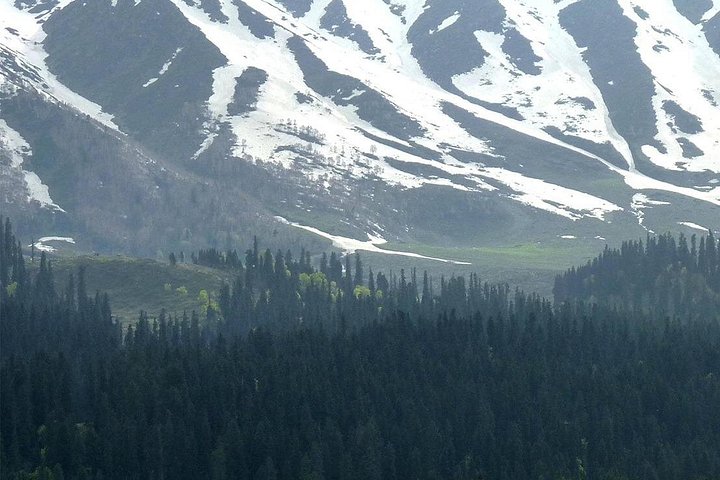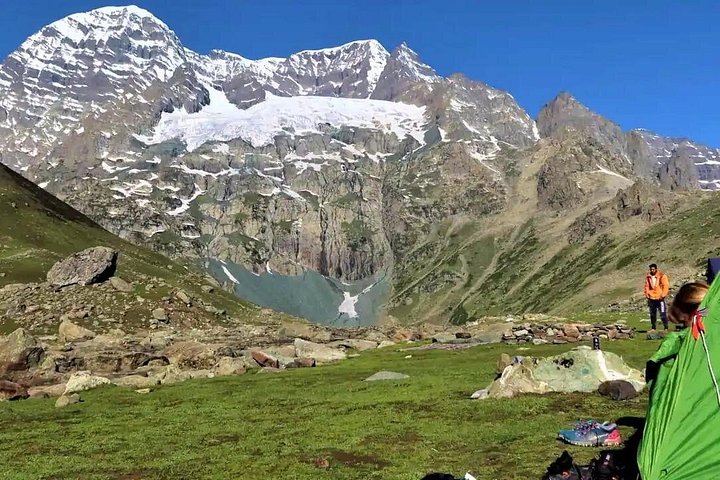
The Naranag and Gangabal trek is a classic shorter route in the Kashmir mountains, starting at the village of Naranag in the Kangan valley north of Srinagar. Naranag is known for the ruins of an ancient stone temple complex, a reminder of the valley's early Hindu heritage, and from here the trail climbs through forest and meadow to high lakes. The destination is Gangabal, a large alpine lake at the foot of Mount Harmukh, a sacred peak in local belief, with neighbouring Nundkol lake close by. The route passes grazing meadows, ice-cold streams and high camps with wide views, and the trek is well known as the final section of the Great Lakes route, although it can be done as a stand-alone journey.
The linked product is a six-day trek from Srinagar. Typical trips include transport to Naranag, camping equipment, meals and a guide, but you should confirm the itinerary, inclusions, group size and any extra costs. The season is summer, mainly July to September, as snow blocks the upper trail at other times. Days vary in length, with steady climbs and some steep sections, and altitude peaks above 3,500 metres, so fitness and acclimatisation matter. Weather can change quickly, so pack waterproofs and warm layers.
Gangabal has cultural importance, as pilgrims travel to the lake in late summer, and visitors should respect religious customs, keep noise low and avoid littering. Camps near the lake can be cold at night, so a warm sleeping bag is essential. Mobile coverage is minimal, so share your plans with your operator and carry a basic first-aid kit, headlamp and sun protection.
Stream crossings and wet sections require care. Insurance should include trekking at altitude and evacuation. As with all travel in the region, check your government's current travel advice and local conditions, and follow your operator's guidance on routes and timings.
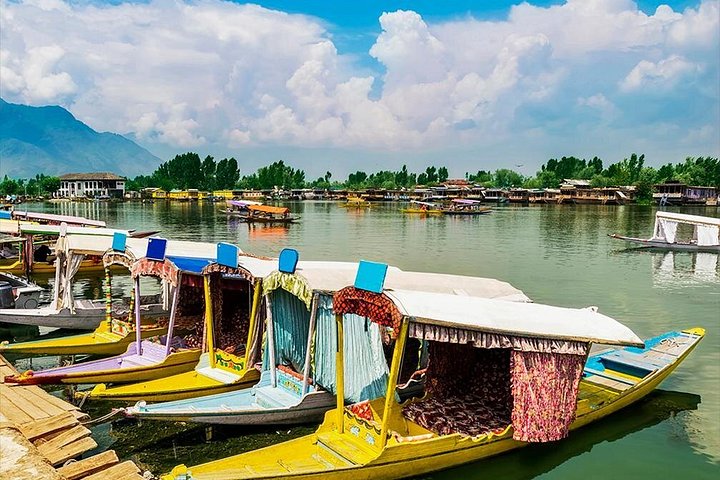
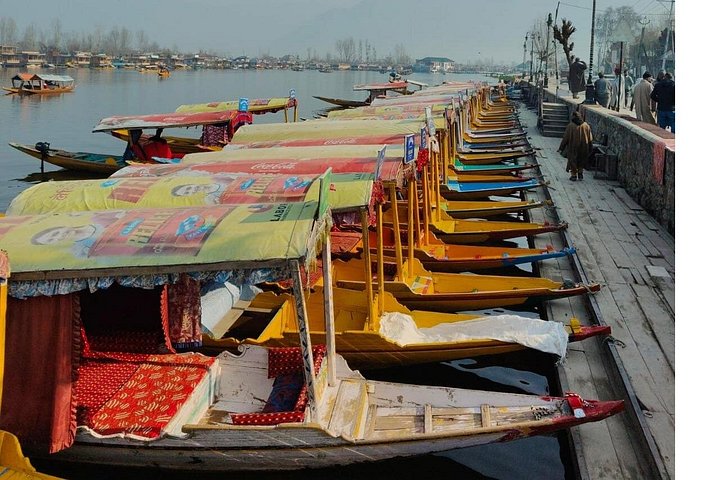
If you want a longer adventure, combine this route with the Great Lakes trek, and if you want comfort afterward, finish with a night on a Dal Lake houseboat. Be sure to leave time in Naranag to see the old temple ruins before or after the trek, and to taste simple village food made with local ingredients. Hire local guides and porters where possible, since this supports the mountain communities who rely on summer trekking income.
The temple ruins at Naranag, also known as Wangath, date from around the eighth century and are carved in a style typical of early Kashmiri architecture, with stone steps and stone-cut courtyards beside a clear stream. They are worth a visit in their own right and make a gentle warm-up before the trek.
The final approach to Gangabal brings views of Harmukh above the water, and the high camps are among the finest in the valley. Allow a flexible buffer day in case of weather, and start the trek with a full belly and plenty of water.
A typical day starts at sunrise with tea at camp, followed by a morning walk and a lunch stop in a meadow, and arrival at the next camp by mid-afternoon. The days are shorter than some other treks, which allows time for resting and for photography. Keep an eye out for flowers such as primulas and gentians in summer, and for the bright blue of the high lakes against dark rock. Hire a pony for your bag if you prefer to walk light, and agree the arrangements with your operator in advance.
What to expect
The experience
A guided six-day camping trek from Naranag to Gangabal Lake beneath Mount Harmukh, with meals and tents provided.
Best time
July to September, when the upper trail is clear of snow.
How long
Six days on the trail.
Tips
Acclimatise, bring a warm sleeping bag and waterproofs, respect pilgrimage customs and confirm what is included.
Quick picks
- Best for
- Trekkers wanting a high lake without the full Great Lakes commitment.
- Families
- Not suitable for young children.
- Couples
- An active shared adventure.
- Pair with
- The Great Lakes trek and a houseboat night.
- Time needed
- About eight days with travel.
Good questions
Where does the trek start?+
At Naranag, a village in the Kangan valley north of Srinagar, known for its ancient temple ruins.
What is Gangabal?+
A large alpine lake at the foot of Mount Harmukh, regarded as sacred and visited by pilgrims in late summer.
When is the season?+
Mainly July to September.
How hard is it?+
Moderate to hard, with steady climbs and altitude above 3,500 metres.
Can it be combined with other treks?+
Yes, it forms the final section of the Great Lakes route and can be linked to it.