The Castle of Saint George crowns a rounded hill above the village of Peratata, inland from the Livathos plain, and for centuries it was the island's capital and main stronghold. Its roots go back to the Byzantine period, and the Venetians took it over and strengthened it after their conquest of the island in the early sixteenth century. The fortress held a small walled town of houses, churches, and administrative buildings, and it remained the seat of government until the middle of the eighteenth century, when the capital moved down to Argostoli. Earthquakes and time have left much of it ruined, but the thick walls, bastions, and gate survive, and the views from the ramparts across olive groves, villages, and the sea are superb. Walking inside, you can trace the outline of lanes and chapels and imagine a busy medieval town.
A short drive from Argostoli brings you to the hill, where parking is available near the entrance. A modest path leads up through the gate, and visitors are free to wander the walls, enter ruined buildings, and spot the remains of a few churches. The site is open-air, with limited signage, so a little preparation helps; a guide or an information leaflet adds a lot.
Wear sturdy shoes, since stones and steps are uneven, and bring water and sun protection, as there is little shade. The ruins are best visited in the morning or late afternoon.
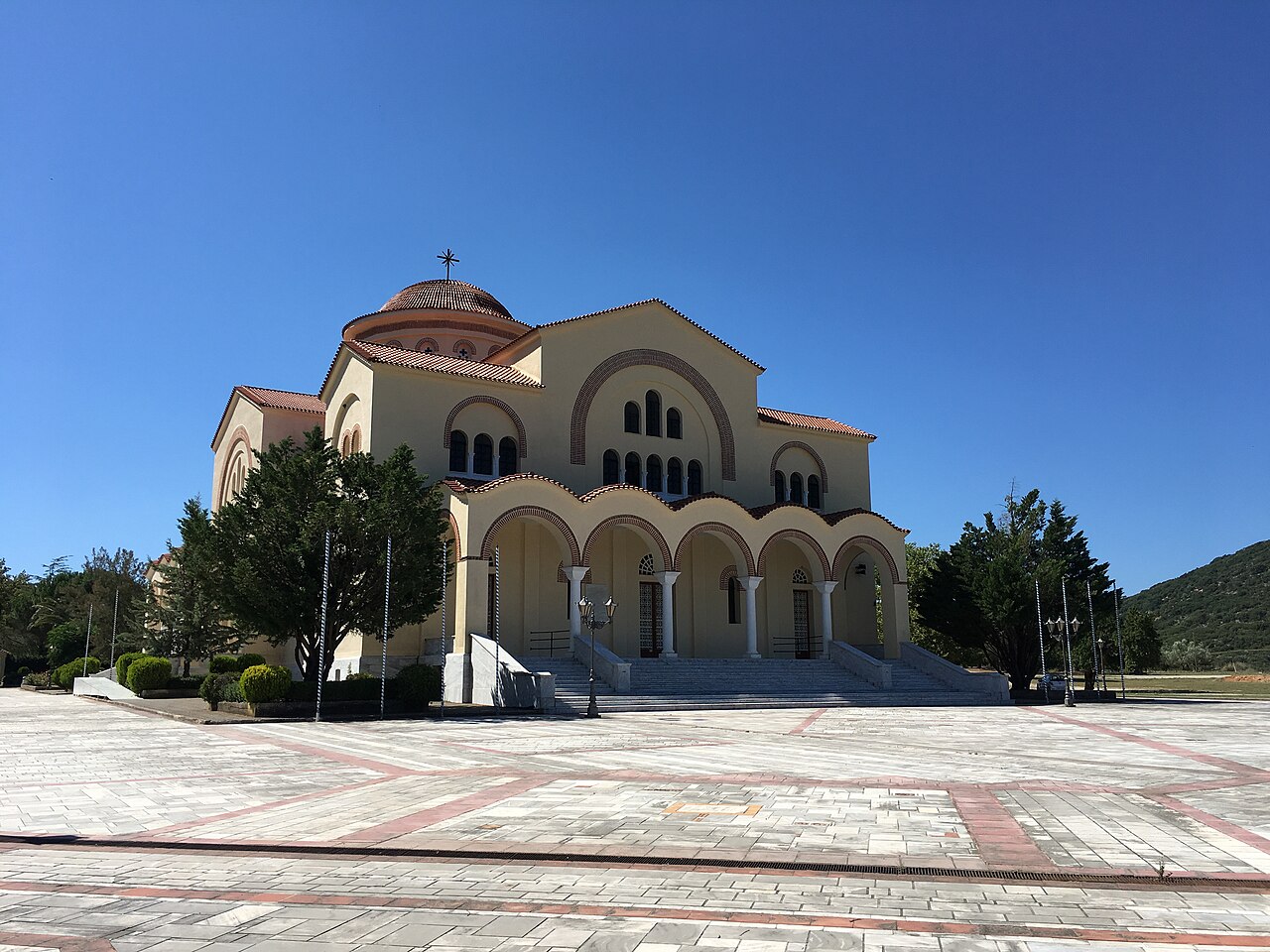
Below the castle, the village of Peratata has quiet lanes and a couple of tavernas, and the surrounding countryside is dotted with olive groves and small vineyards. Nearby, the Monastery of Agios Gerasimos in the Omala valley is a pilgrimage site and pairs well with a visit to the fortress. A half-day outing can cover both, with a lunch at a village taverna. Cyclists and walkers will enjoy the quiet roads in spring and autumn.
The history here also connects to the 1953 earthquake story, since the old capital was ruined by earlier quakes and the move to Argostoli shaped the modern island. Seeing the castle gives a useful sense of how the island's centre of gravity has shifted over time. Check with the local tourism office for current opening arrangements, as access and hours can vary by season.
If you are interested in Venetian heritage, the island has a few other fortified sites, including the castle of Assos in the northwest. Together they make a satisfying thread for a history-minded itinerary. Families can enjoy the climb, but watch children near uncovered drops on the walls.
When you reach the top, orient yourself with the landscape. To the south and west lie the plains and the sea, to the east the slopes of Mount Ainos, and below you the village rooftops. The Venetian ruling class lived within the walls, while the countryside supplied wine, oil, and currants that moved by sea. Imagine that traffic of carts and mules as you walk, and the fortress becomes more than a pile of stones, a place with its own bustling life.
Bring a camera for the panoramas, and a small flashlight if you want to peer into dark chambers, but stay on clear paths. Linger near the gate for the best shot of the plain, and picnic in the shade of the village below if you wish.
What to expect
The experience
A self-guided walk around the walls, bastions, and ruined buildings of a hilltop fortress with long views.
Best time
Morning or late afternoon for cooler air and softer light.
How long
One to two hours.
Tips
Sturdy shoes, water, and sun protection. Check hours and any entry fee locally.
Quick picks
- Best for
- History lovers and view hunters.
- Families
- Fine for older children; watch them on the walls.
- Couples
- A quiet late afternoon with a village taverna dinner.
- Pair with
- Agios Gerasimos Monastery, Peratata village, and a winery stop.
- Time needed
- One to two hours, or a half day with the monastery.
Good questions
Why was the capital moved to Argostoli?+
The island's administration shifted from the hilltop fortress to the coastal town in the middle of the eighteenth century, as the harbour became more important.
Is there an entry fee?+
Check locally. Access and charges can vary, so confirm before you go.
How do I get there?+
By car or taxi from Argostoli, a short drive. Parking is near the entrance.
Are there facilities?+
Few. Bring water and sun protection, and eat in the village below.
What is the best time to visit?+
Morning or late afternoon, to avoid midday heat on the exposed hill.