Ko Lanta has two main seasons, and choosing between them changes your trip more than almost any other decision. The dry season is the classic beach holiday, with flat seas and open parks. The green season is quieter, cheaper and less predictable. Understanding the pattern helps you pick dates and set expectations.
The dry season: roughly November to April
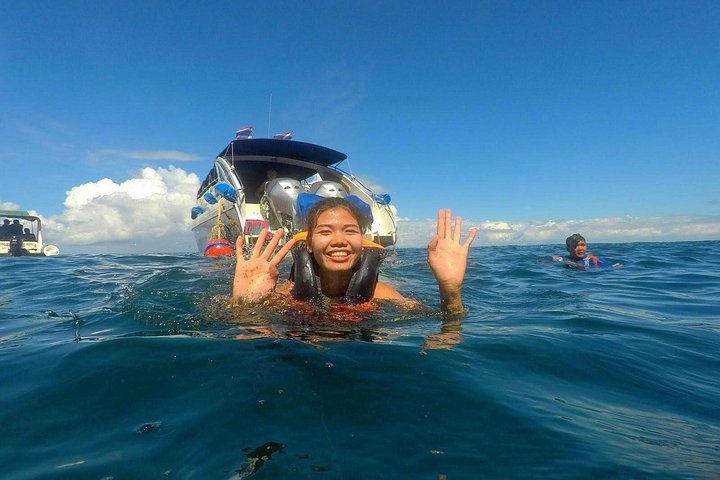
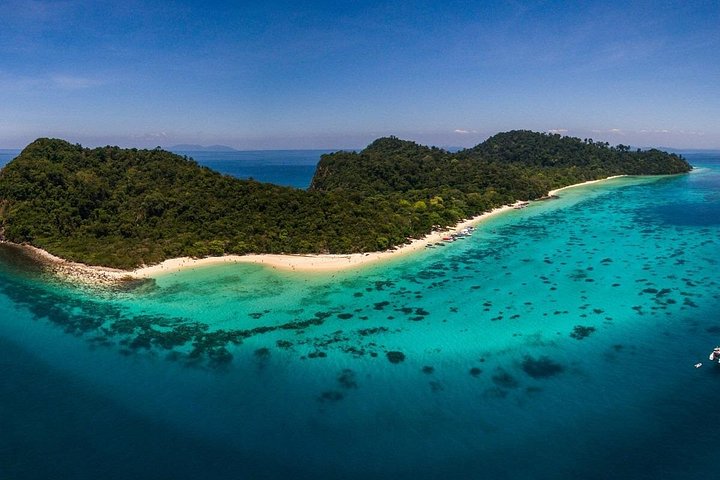
This is the time most visitors come, and it earns its reputation. Skies are mostly clear, the sea is calm and the water is clear enough for good snorkeling. Island trips run daily, the marine park around Koh Rok and Koh Haa is open and the beaches are at their best. December to February is the peak, with the busiest beaches, the highest prices and the best chance of calm weather. Book hotels and popular tours early if you travel then. The shoulder months of November and March can offer lovely weather at lower rates, though November can still bring a late shower.
The hot months: March and April
As the dry season winds down, temperatures climb and the sun is fierce. Seas stay calm, and visibility can be excellent. Days are hot, so plan boat trips early and rest in the middle of the day. Hydration, sun protection and a hat are essential. The end of the dry season also brings the quietest nights for plankton viewing, because dark skies and calm water suit it.
The green season: roughly May to October
The southwest monsoon brings rain, wind and rougher seas. Showers can be heavy, but they often come in bursts, with sunshine in between. Waves on the west coast beaches can be strong, and red flags mean you should stay out of the water. Many restaurants, shops and resorts close for part of this period, particularly in the heaviest months, and island boat trips are limited, with frequent cancellations. The marine park islands, including Koh Rok and Koh Haa, are generally closed or restricted.
Why visit in the green season?
It has real advantages for the right traveler. Prices drop, crowds thin and the island turns lush and green. Waterfalls flow strongly, the mangroves are beautiful in the rain and the old town is peaceful. Cooking classes, spas and cultural visits fill the days. If you do not need to swim or snorkel every day, the green season can be rewarding. Choose a hotel with a pool, build in flexibility and keep a sense of humor about the weather.
Boat trips and the season
If an island trip matters to you, aim for the dry season and book early in your stay in case a day is cancelled. Operators cancel when the sea is unsafe, and good ones offer a refund or another date. In the shoulder months, ask about conditions on the day, because a calm morning can turn rough in the afternoon. For the clearest snorkeling water, plan for December to March.
Crowds and holidays
Peak dates around the new year, Chinese New Year and school holidays are the busiest, and flights and ferries can be full. Weekdays are quieter than weekends in the old town. Beaches in the south are calm even in high season, while Long Beach and Klong Dao are the most lively.
Practical packing by season
For the dry months, pack light clothing, reef-safe sunscreen, a rash vest and a hat. For the green months, add a rain jacket, quick-dry clothes and waterproof bags for your electronics. Insect repellent is useful all year. If you plan to ride a scooter in the wet, take extra care, because roads are slippery.
Our recommendation
For a classic beach and snorkeling holiday, travel between December and March. For good weather and better value, try November or early April. For a quiet, green and budget-friendly escape with a flexible plan, consider the wetter months, and treat boat days as a bonus rather than a promise.
Health and comfort through the year
In the dry season the main concerns are sun and dehydration, so drink plenty of water, wear a hat and reapply sunscreen after swimming. In the green season, the risks shift to slippery roads, strong currents and mosquitoes, so wear shoes with grip, respect the flags and use repellent in the evening. Jellyfish appear at certain times, usually in the wetter months, so ask locally before swimming. Whatever the season, keep to the advice of lifeguards and boat crews, and carry a small first aid kit with plasters and antiseptic for reef scrapes.