Ko Lanta rewards the effort of getting there, but the journey needs a little planning. The island has no airport, and the last leg involves road transfers and car ferries. Once you arrive, the island is long and public transport is limited, so it helps to know your options. This guide covers the main routes and the best ways to get around.
From Krabi Airport
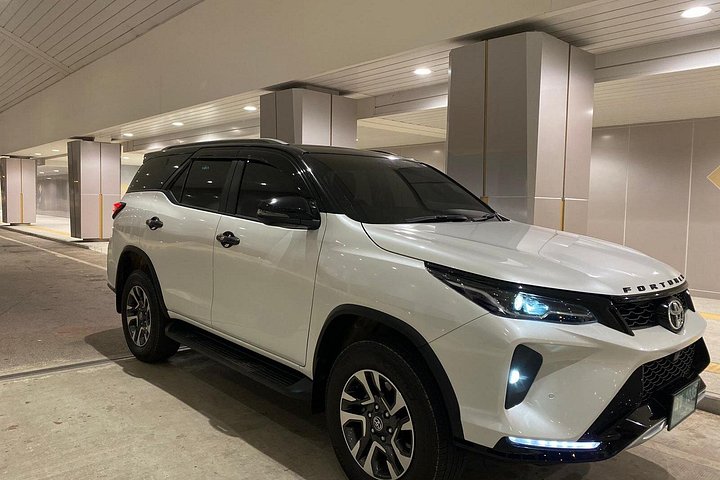
Most visitors arrive through Krabi. The drive to Ko Lanta takes around two hours and includes two short car ferry crossings, first onto Ko Lanta Noi and then onto Ko Lanta Yai. A private transfer is the easiest way to go, because the driver meets you at arrivals, handles the ferries and takes you to your hotel door. Shared minivans are cheaper and run on fixed schedules, with several drop-offs. Taxis from the airport are also available, but you should agree on a price before you get in. If your flight lands late, check that your transfer will still be running.
From Krabi Town and Ao Nang
Minivans run between Krabi Town and the island, and they take a similar time to the airport route. From Ao Nang and Railay, passenger ferries and speedboats run in the high season, usually from about November to April, and they are a scenic alternative to the road. They arrive at Saladan or at a pier on the island's west coast, depending on the operator. Schedules vary, so check them in advance and arrive early.
From Phuket
The overland route from Phuket takes longer, typically four hours or more, and the ferry from Phuket's Rassada pier runs in the dry season. Ferries are a pleasant way to see the coast, and they often stop at Phi Phi on the way. In the wetter months, services are reduced or stopped, so a road transfer is more reliable.
From the Trang islands and other places
Speedboats connect Ko Lanta with Koh Ngai, Koh Mook, Koh Kradan and Koh Lipe in the dry season. These are useful if you plan to continue your trip by sea. In the wet season, many routes stop. Always check the latest schedule, and allow for delays.
The car ferries
The two crossings are short, about ten to fifteen minutes each, and they run frequently through the day and into the evening. At busy times, such as holidays, there can be queues. Your driver handles the tickets. If you are traveling by public van, the ferry is included in the fare. Late at night, services slow, so avoid arriving very late if you can.
Getting around the island
Ko Lanta Yai has one main road along the west coast, so most places are strung along it. Taxis and tuk-tuks are available, but they are not cheap and do not run late, so agree on the fare before you go. Many visitors rent a scooter, which is the cheapest and most flexible option. Ride carefully: the road has hills, bends, sand and loose gravel, and accidents are common. Wear a helmet, drive slowly, never ride after drinking and check that your travel insurance covers scooters and that you hold the right license.
Walking and cycling
Within a beach area such as Klong Dao, you can walk to restaurants and shops. Bicycles can be hired in some places, but hills and heat make long rides hard. For longer distances, choose a taxi, a driver for the day or a tour that includes transport.
Tours and transfers
Most boat tours include hotel pickup, and some land tours do as well. If you are staying in the far south, factor in the longer pickup time. For a day exploring the island, you can hire a driver or join a small-group trip.
Leaving the island
Leave extra time on your departure day, especially in high season, to allow for ferry queues and traffic. If you have a flight, aim to arrive at the airport at least three hours before departure. Book your onward transfer in advance, and keep the driver's contact number handy.
Costs and money-saving tips
Private transfers are the most expensive option but save time and stress, especially for families and groups, because the cost is shared across the car. Shared vans and public ferries are cheaper but slower. Scooters are the lowest daily cost, though fuel, deposits and the risk of accidents add up. If you plan to do several tours, check which ones include transport, and consider booking a driver for one long sightseeing day rather than paying for many short taxi rides. Carry small bills, since drivers often cannot change large notes, and agree on every fare before you start.