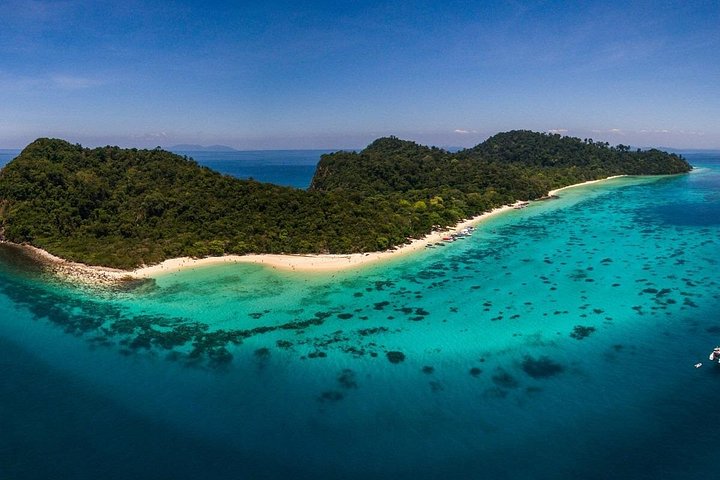
Ko Lanta is a long, slow island on the Andaman coast of Krabi province, and its charm is exactly that it is not trying to be Phuket. There are no high-rise hotels, no neon strips and very little traffic. What you get instead is a string of west coast beaches, a quiet east coast with an old fishing town, a national park at the southern tip and a ring of small islands offshore that make some of the best day trips in southern Thailand. This guide covers the basics so that your first visit goes smoothly.
The island, in brief
Ko Lanta is really two islands. Ko Lanta Noi, the smaller one, is the northern stepping stone you cross on the way in, and it is mostly rubber plantations and villages. Ko Lanta Yai, the larger island, is the one most visitors mean. The pier town of Saladan sits at its northern tip, and from there a single road runs down the west coast past the beaches, then curves to the south. The east coast has the old town, mangroves and fishing villages. It is about thirty kilometers from end to end, so where you stay matters.
The beaches from north to south
Klong Dao is the first long beach and the easiest for families, with shallow water and plenty of cafes. Long Beach, also called Phra Ae, is the social center, with bars and live music. Farther south the bays get quieter and prettier, including Klong Nin and Kantiang Bay, and the very south has the national park and its lighthouse. As a rule, the farther south you go, the calmer, greener and more expensive the logistics become.
Getting there
There is no airport on the island. Most visitors fly into Krabi, then travel by road for around two hours, with two short car ferry crossings along the way. A private transfer is easiest, and shared vans are cheaper. In the high season, from roughly November to April, boats also run from Ao Nang, Railay and Phuket. Whatever you choose, allow generous time, because ferry queues and island roads add up.
What to book
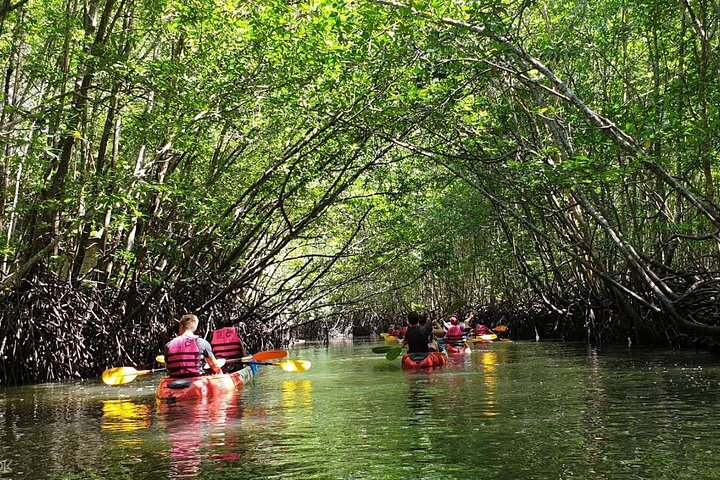
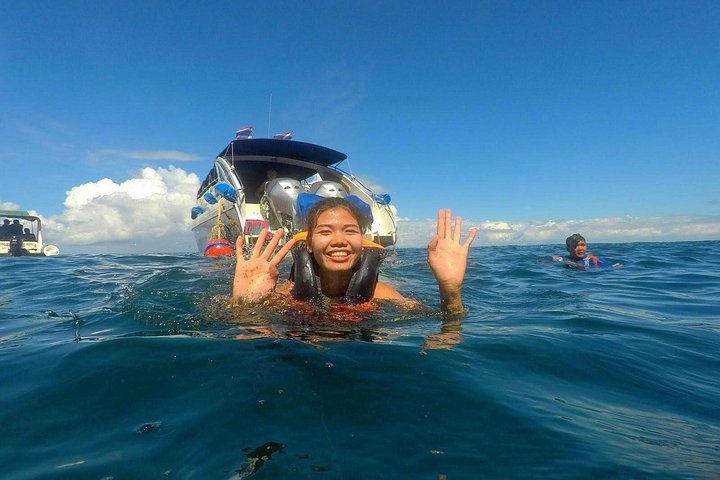
The headline trip is the four islands tour with a swim through Emerald Cave, offered by speedboat and by longtail. For the clearest snorkeling, take the full-day trip to Koh Rok and Koh Haa. For something gentler, book a half-day mangrove kayak or boat tour, which is sheltered and works on windy days. Add a Thai cooking class, a sunset plankton trip and an evening in the old town and you have a well-rounded stay. Most tours include hotel pickup, but confirm this when you book.
Seasons in short
The dry, calm season runs from about November to April. Seas are flat, boats run daily and the marine park is open. From May to October the monsoon brings rain, waves and red flags on the beaches, and many restaurants and resorts close or scale down. It is cheaper and greener, but island trips are unreliable. If you want a guaranteed beach holiday, plan for the dry months.
Getting around
Taxis and tuk-tuks serve the main road, but they are not cheap and they do not run late. Many visitors rent a scooter. It is convenient, but the road has hills, bends and loose gravel, and accidents are common, so wear a helmet, drive slowly and check that your insurance covers you. If you are not confident, use taxis or join tours.
Respect and etiquette
Ko Lanta has a large Muslim community, and the old town and fishing villages are conservative. Cover up when you leave the beach, ask before taking photographs of people and remove your shoes before entering homes or religious buildings. Do not feed monkeys, do not touch coral and take your rubbish with you from boats and beaches.
Money and practicalities
Thailand uses the baht. ATMs are available in Saladan and along the main road, but cash is useful for small restaurants, markets and tips. Bring reef-safe sunscreen, insect repellent, a hat, a dry bag for boat days and a power adapter. Mobile signal is generally good, though it can be patchy in the south.
A simple first plan
Spend the first day settling into the beach and adjusting to the heat. Use day two for a four islands or Koh Rok trip while you have energy. Day three could be the mangroves and old town, followed by a cooking class or a sunset boat trip. Add a visit to the national park and Kantiang Bay if you have a fourth day. With a week, you can add a second island day and plenty of unplanned beach time, which is what Ko Lanta does best.