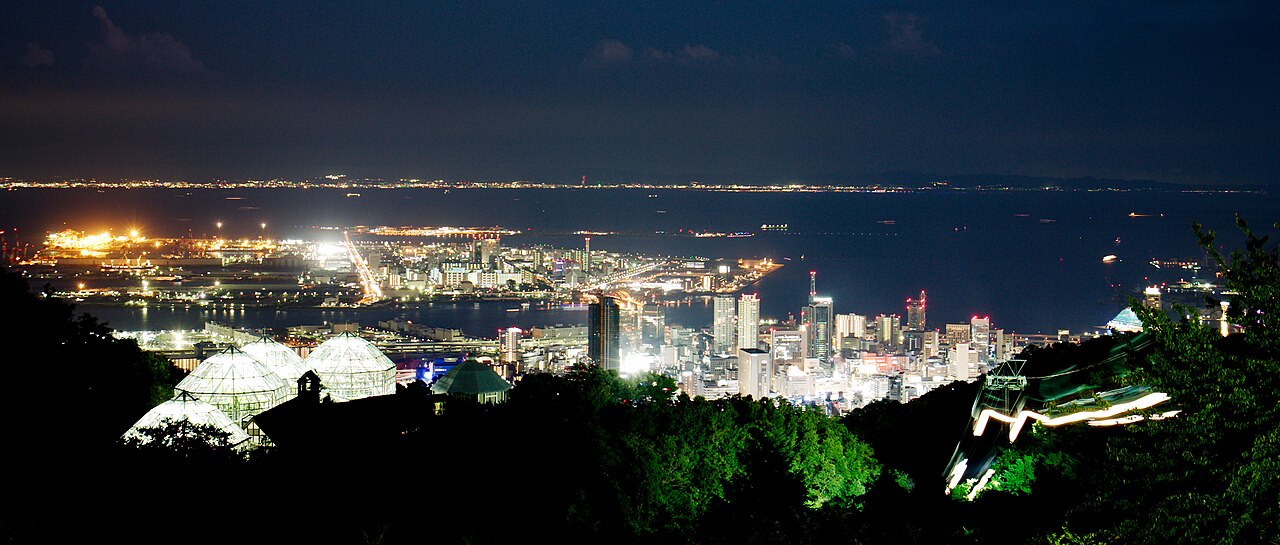
Kitano-cho is the part of Kobe that tourists remember in postcards. When the port opened to foreign trade in the nineteenth century, merchants and diplomats from Europe and America built homes on the slope above the new settlement, and many of those ijinkan, or foreigners' houses, survive as small museums, shops and cafes. The streets are steep, narrow and lined with timber-framed and brick houses with bay windows, turrets, verandas and colored shutters, each in a different national style. Walking the lanes is free, and the district is pleasantly compact, so a morning or afternoon is plenty. Visitors choose a handful of houses to enter, often one or two with an interesting story, and then stop for coffee or cake in a house that has been turned into a cafe. The district's own association describes sixteen former residences, plus a number of shops and eating places, with individual admission fees that are modest and set house by house. The best of Kitano is the combination of architecture and views: from the upper lanes the city falls away to the harbor, and on clear days you see Osaka Bay and the shape of Awaji Island across the water.
The setting explains the charm. Kobe was one of the first Japanese ports opened to foreigners in the late nineteenth century, and the foreign settlement was built on flat ground by the water, with the hillside above allotted to residences. Kitano, uphill from the old settlement, filled with villas whose owners wanted breezes, light and views.
After the Second World War and again after the 1995 earthquake, many houses were repaired, moved or reused, which is why you see a mix of preserved homes, shops and cafes. A few of them, like the club once used by foreign residents, are open to visitors with set hours and a ticket price.
How to do it
Climb from Sannomiya or Shin-Kobe station on foot, or take a taxi to the top and walk down, which saves your legs. Start at a main street such as the sloping lane lined with shops and follow the signs from house to house. Check each house's opening days before you commit, because some close on set days each month or for repairs, and at least one famous house has been closed for restoration work in recent years.
Many houses open from morning to late afternoon, so late morning is a good starting time; weekends are busier, and the lanes are at their loveliest on a quiet weekday.
Pairing and timing
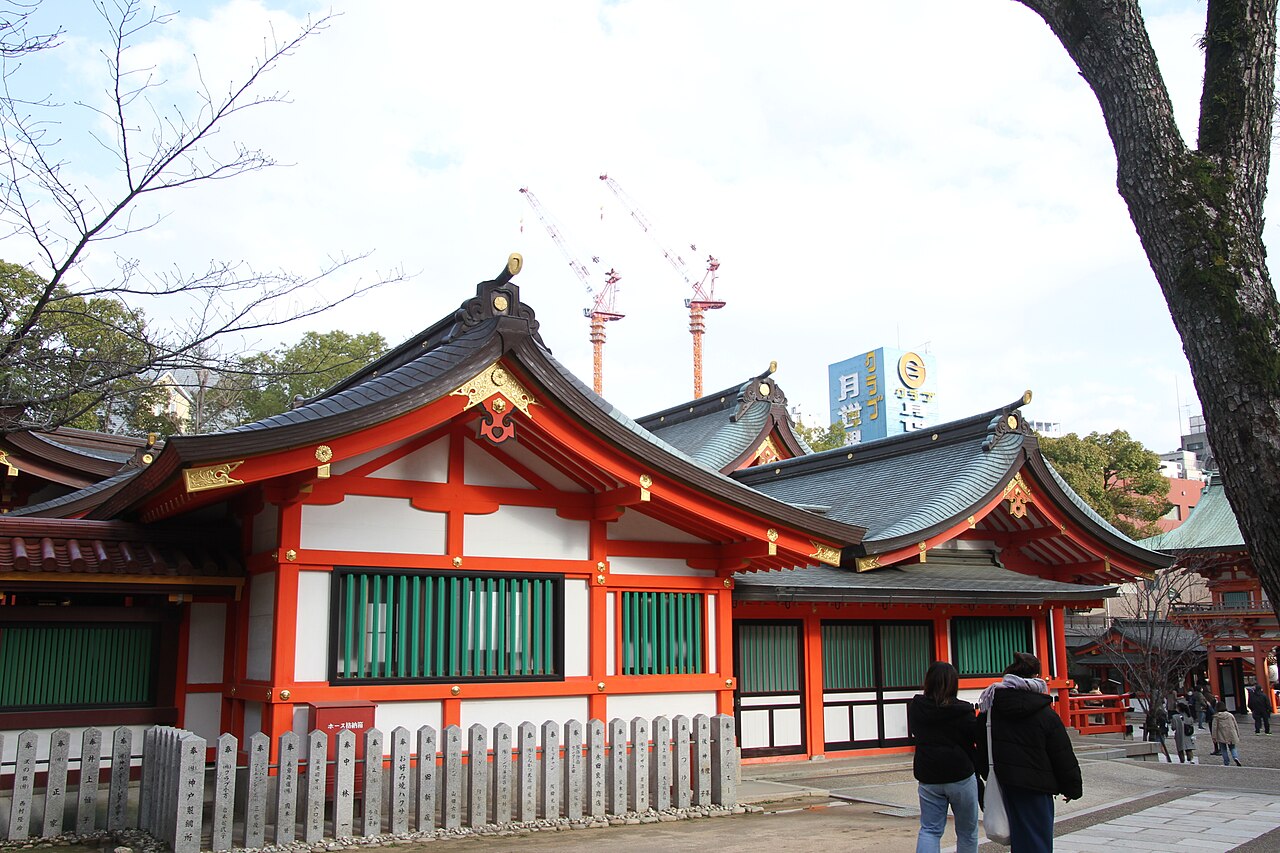
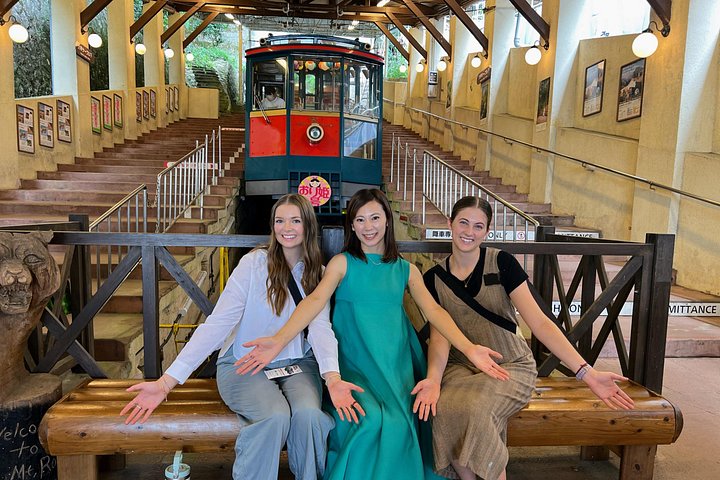
Kitano goes naturally with the Nunobiki ropeway and herb gardens, which start from Shin-Kobe station just below the district, and with Ikuta Shrine at the bottom of the hill. Spring and autumn are the best seasons, with blossom and colored leaves framing the houses, and December brings a festive glow.
Wear comfortable shoes, because the slopes and stairs add up, and bring a little cash or a card for house entry and cafe stops. Treat it as a stroll rather than a checklist, and you will leave with a feel for what made Kobe different from other Japanese cities.
What to expect
The experience
A self-guided uphill walk through lanes of preserved Western-style houses, with optional paid entry to individual houses and plenty of cafe stops.
Best time
A quiet weekday morning, or spring and autumn for blossom and leaf color; clear afternoons give the best harbor views.
How long
Two to three hours for a relaxed visit with two or three houses and a cafe.
Tips
Take a taxi up and walk down. Check each house's closing days, carry a little cash, and wear shoes you can climb stairs in.
Quick picks
- Best for
- Architecture lovers and anyone who wants the old port-city atmosphere of Kobe.
- Families
- Fine for school-age children with a few houses and a cake stop; the slopes and stairs are hard with strollers.
- Couples
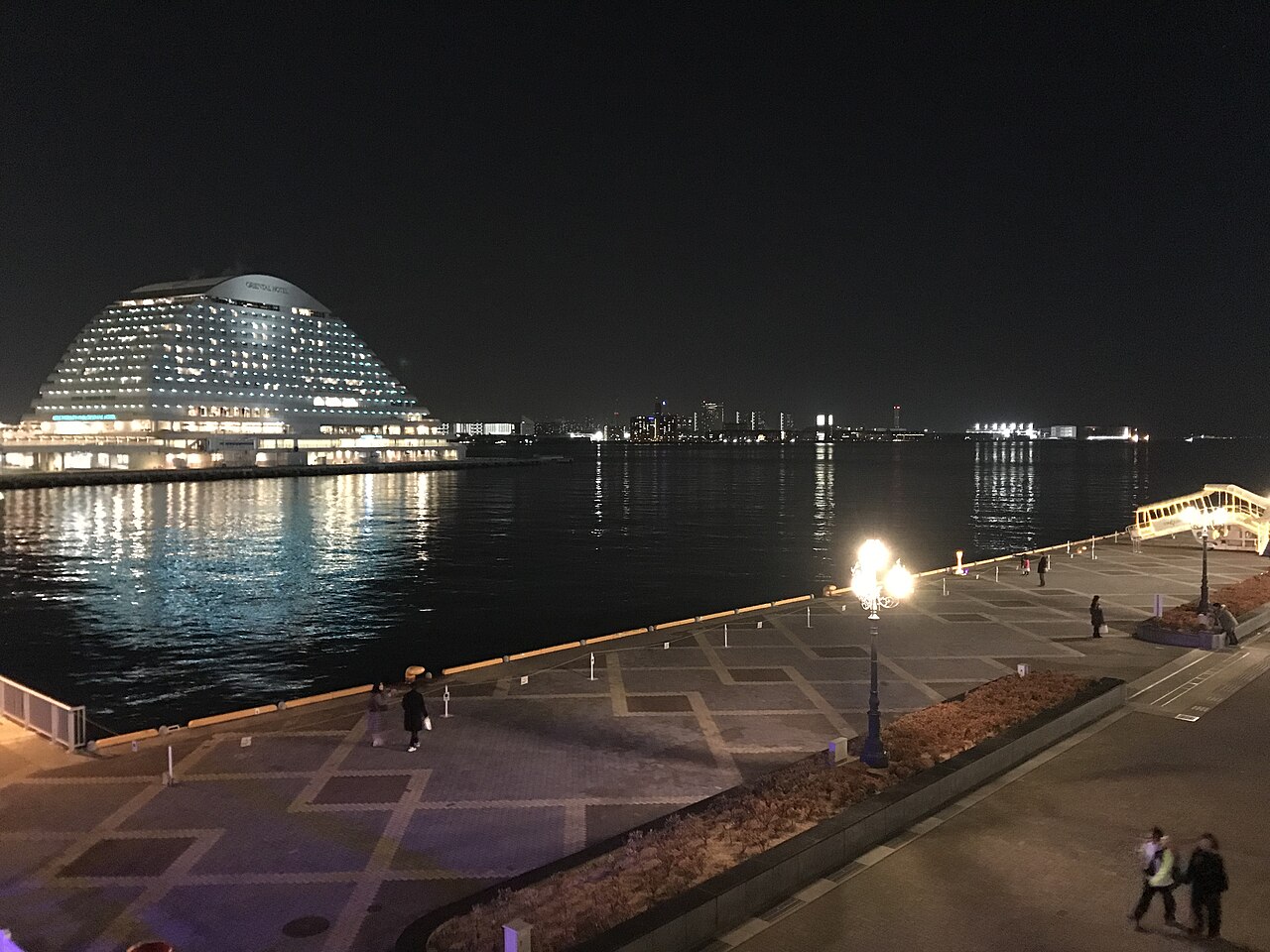
- Wander at the end of the day, then walk down to the harbor for dinner; the cafe terraces are the highlight.
- Pair with
- The Nunobiki Herb Gardens ropeway from Shin-Kobe, Ikuta Shrine and a Kobe beef dinner downhill.
- Time needed
- Half a day with the houses; an hour or two if you only stroll.
Good questions
Is it free to walk around Kitano?+
Yes. The streets and viewpoints are free to walk. Individual houses charge a small admission fee, set house by house, and some offer shared tickets or packages.
How many foreigners' houses can you visit?+
The district's association lists sixteen former residences, along with shops and eating places, though not every house is open at all times. Pick two or three rather than trying to see them all.
Are the houses open every day?+
Opening hours vary by house, and some close on a set day each month or for repairs. Check before building your day around one particular house.
How do I get there from Sannomiya?+
It is an uphill walk of about ten to fifteen minutes north of Sannomiya or a short walk from Shin-Kobe. Taxis make the trip easy if you want to save energy for the slopes.
Can I combine Kitano with other sights?+
Yes. The Nunobiki herb gardens and ropeway are next door from Shin-Kobe station, and Ikuta Shrine and the Sannomiya shopping streets are at the bottom of the hill.