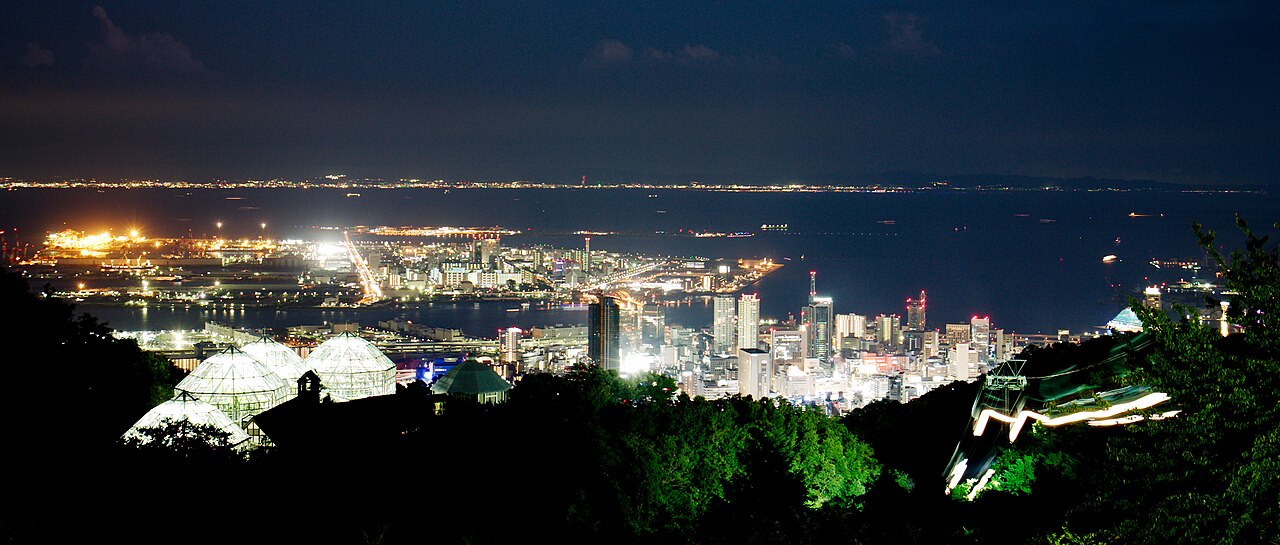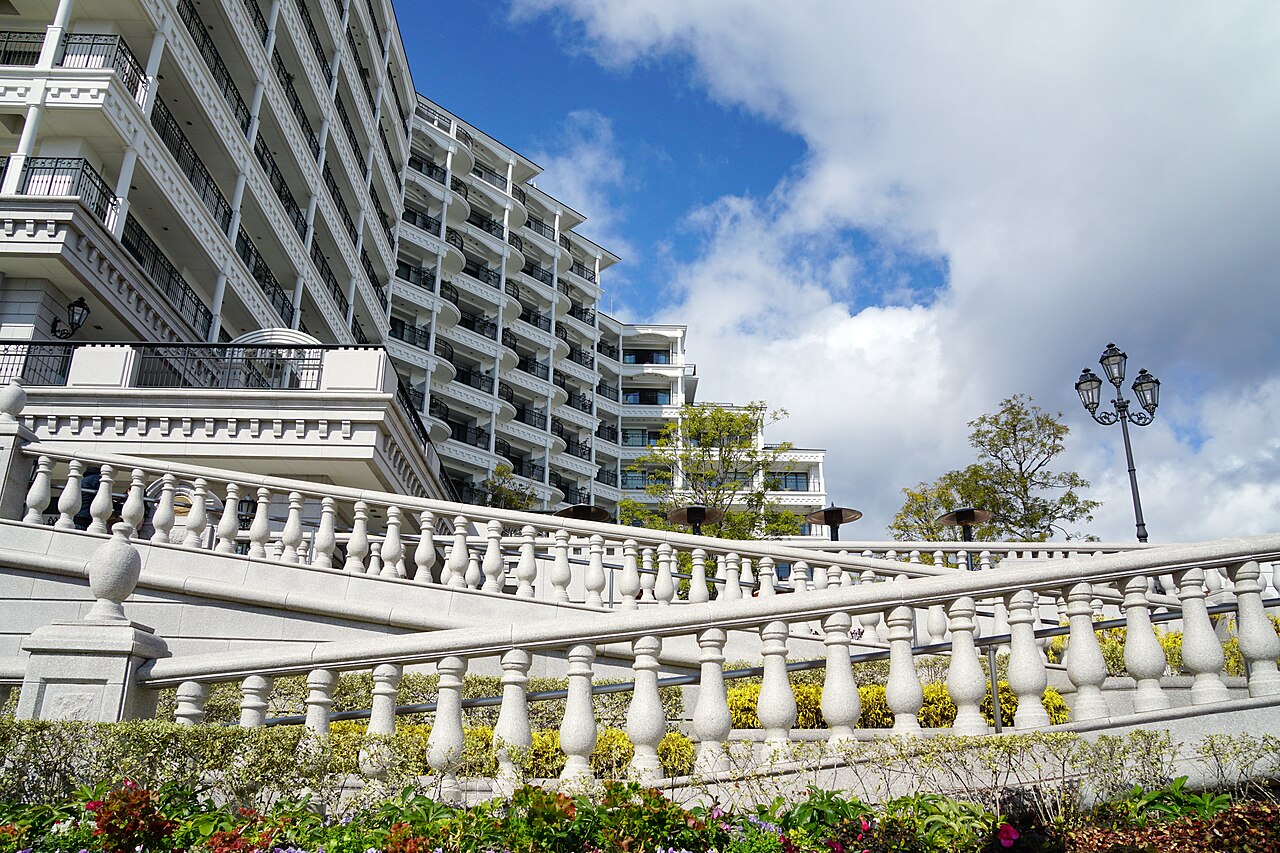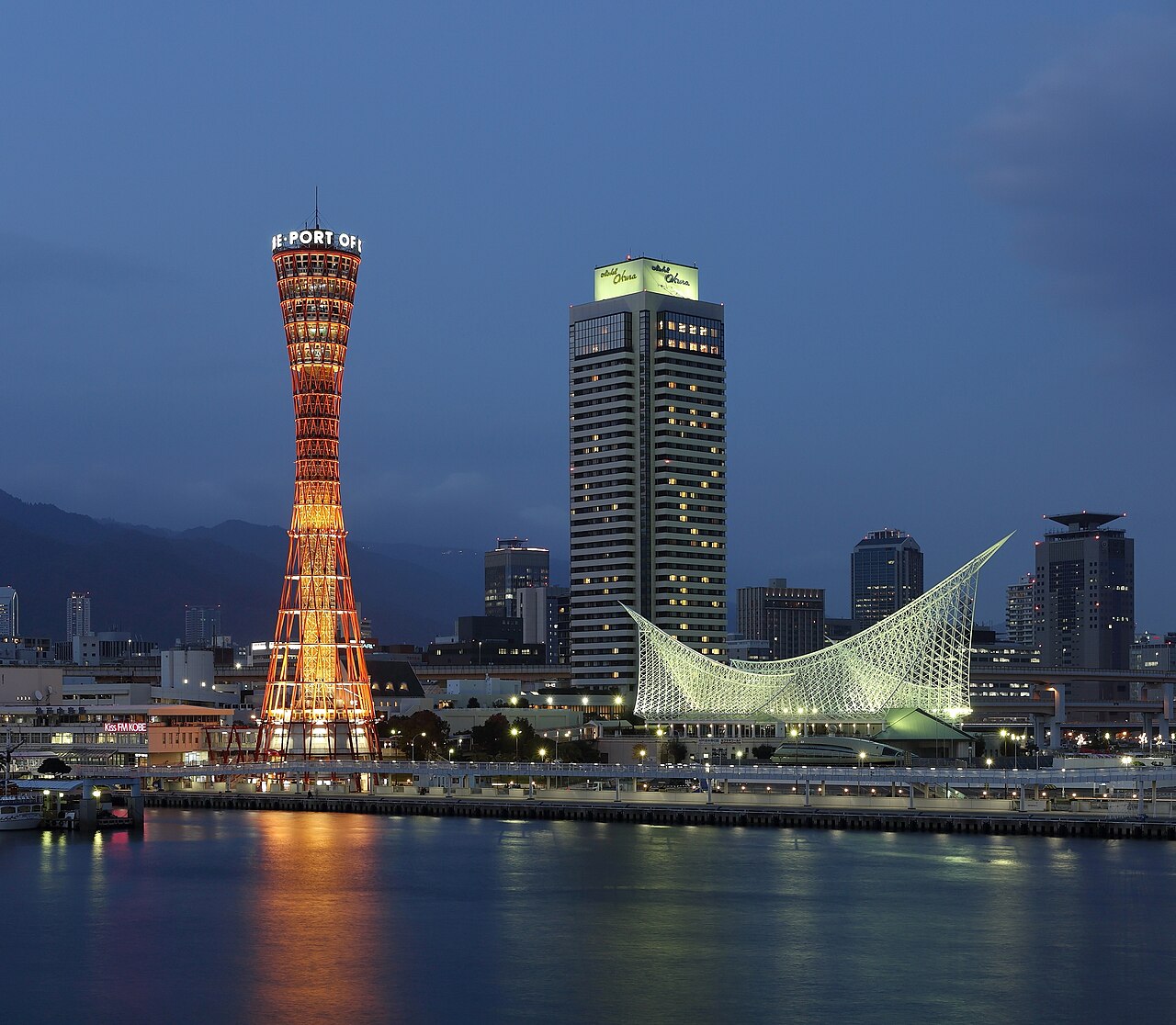
Kobe is one of the easiest big cities in Japan to enjoy. It is long and narrow, squeezed between the sea and the Rokko mountains, so almost everything you want to see is within a short walk, train ride or cable car of everything else. It has a port-city past that left behind hillside foreigners' houses, a waterfront with a red tower and a Chinatown, and it sits beside hot springs, sake breweries and one of the most famous beef traditions in the world. This guide covers the practical side of a first visit.
What to book ahead
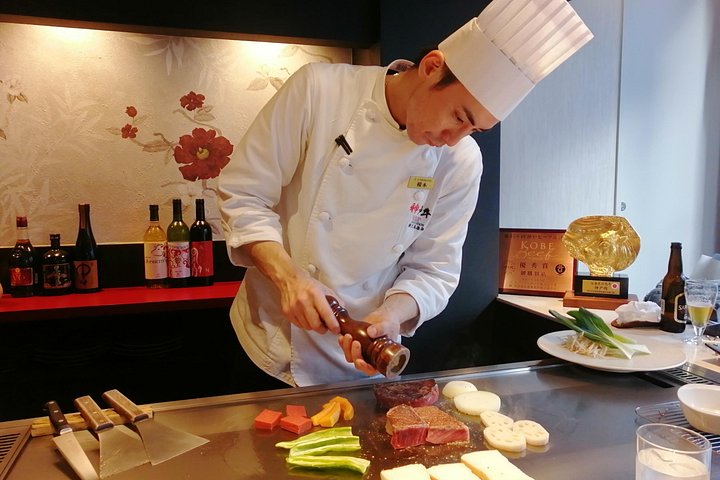
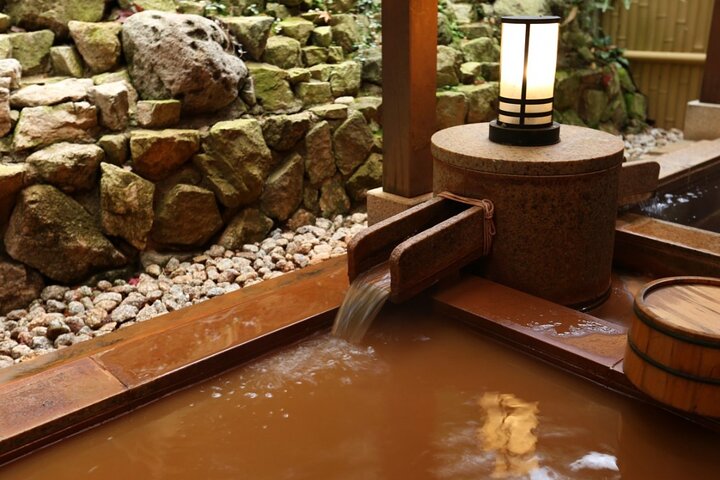
Very little needs booking weeks in advance, but a few things are worth securing. The Kobe Port Tower sells tickets for a specific date and time, and the sunset and evening slots go first at weekends. The Nunobiki Herb Gardens ropeway ticket can be bought ahead, and it saves time on busy autumn and Christmas weekends. A Kobe beef dinner, especially at a teppanyaki counter, should be reserved a few days out, and lunch sets are cheaper for the same grade of meat. Sake brewery tours and guided food walks fill up in autumn and winter. If you want a night in an Arima Onsen ryokan, book it early, because the best rooms go quickly in the leaf season.
Getting around
Sannomiya is the center of everything: JR, Hankyu, Hanshin, the subway and the Port Liner all meet there, and the shopping streets, Ikuta Shrine and the walk up to Kitano start from its doorstep. Shin-Kobe, one subway stop or a long walk to the north, is the bullet-train station and the base for Kitano and the Nunobiki ropeway. Motomachi and Kobe stations serve the waterfront, Meriken Park and Harborland, and a city loop bus connects the main sights. Kobe Airport is about eighteen minutes from Sannomiya by Port Liner, and Osaka is roughly half an hour away by JR, which makes Kobe a relaxed base for the region. Buy an IC card for trains and buses, and keep some cash for small restaurants and house admissions.
How many days
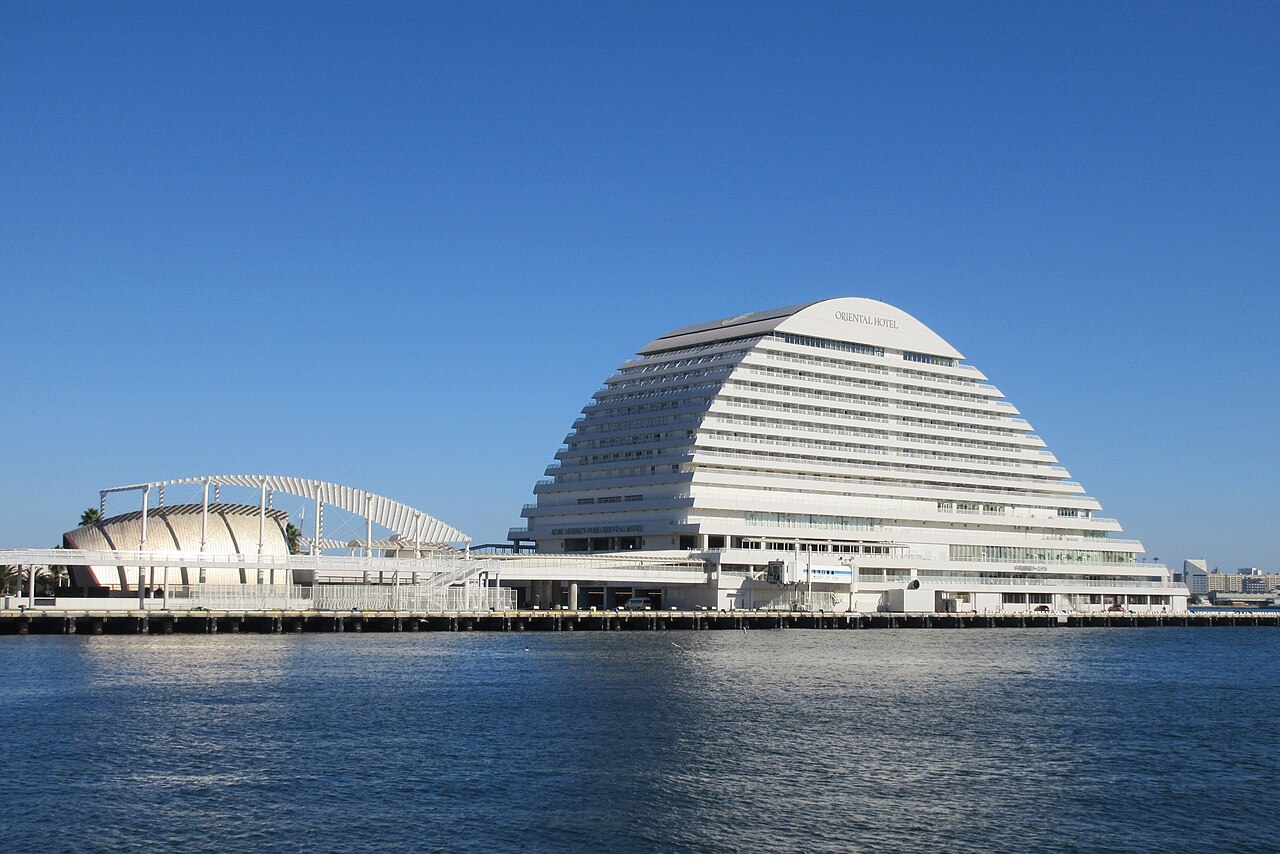
Two days covers the city; three days adds the mountains and hot springs. A good first day starts at Ikuta Shrine, climbs to the Kitano foreigners' houses for a morning of lanes and cafes, rides the Nunobiki ropeway in the afternoon and finishes with Kobe beef. The second day belongs to the waterfront: Meriken Park, Harborland and the Port Tower at sunset, perhaps with a harbor cruise. The third day is for the mountains and onsen: ride the Rokko Cable Car in the morning, cross the ridge to Arima Onsen for a bath and lunch, and return to the city, or spend the afternoon at the Nada sake breweries instead. If you have a fourth day, the Akashi Kaikyo Bridge is an easy half-day trip, and Himeji Castle is the one longer excursion worth considering.
Seasons
Spring brings blossom, and autumn from mid-November into early December colors the mountains and the hillside lanes. The Nunobiki gardens switch to Christmas evening openings from early November, and the city's Luminarie light festival lights the streets in December. Summer is hot and humid, so the mountains and the waterfront evenings are the best choices. Winter is crisp and clear, which suits night views and the hot springs. Note that the Nunobiki ropeway has a long inspection closure from late January to mid-February 2027.
Eating
Kobe beef is the headline, but also try Nankinmachi's street food, bakeries and cafes in the foreigners' district and sake in Nada. Lunch sets are good value everywhere. Many places do not take reservations by English email, so ask your hotel to book for you.
Where to stay
For trains and day trips choose Sannomiya, for waterfront views choose a harbor hotel, and for the hot springs consider a night in Arima. Our Where to Stay guide compares them in detail, and a few of our picks are on the water while others are minutes from the station.