Kota Kinabalu is warm and humid all year, with temperatures that stay in a narrow band and rain that can fall in any month. The question is therefore less about hot and cold and more about wet and dry, calm seas and rough seas and how busy it is. This guide gives general patterns, which vary from year to year, so treat them as a guide to the odds rather than a guarantee.
The general pattern
Sabah sits close to the equator and has no real winter. The drier, sunnier months are generally from about March to October, with the sea usually calmer and the water clearer for snorkelling and diving. The wetter months, roughly from November to February, bring more frequent heavy showers and rougher seas, especially for the longer boat crossings. Even in the wet months, rain often comes as a heavy shower in the afternoon rather than a whole-day downpour, and many visitors find the quieter season pleasant and good value.
For islands and snorkelling
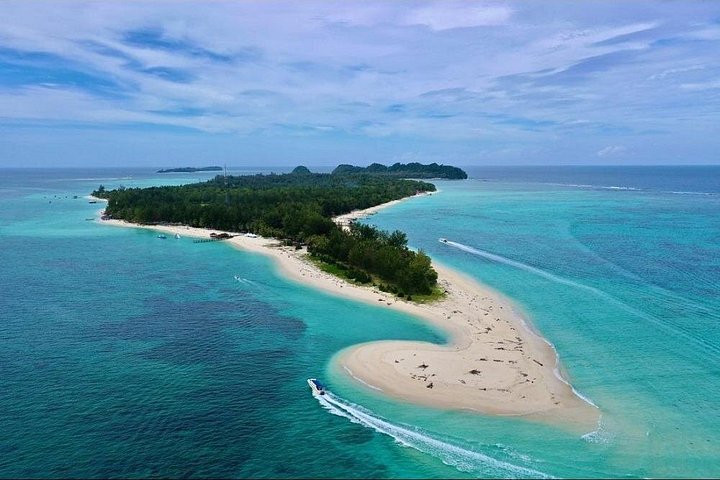
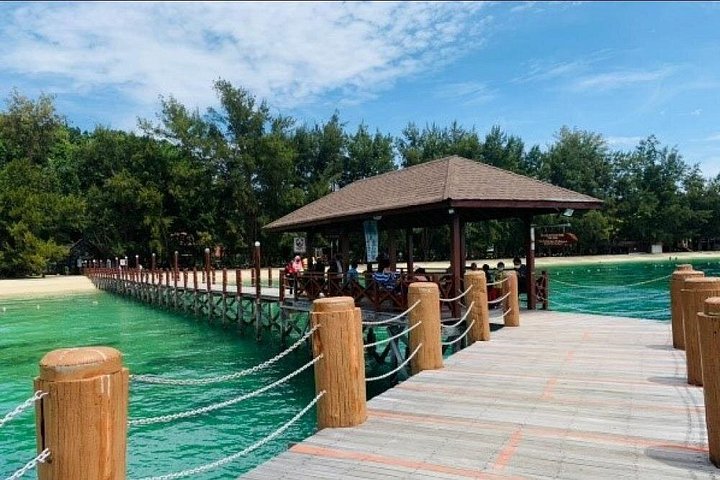
The marine park islands near the city are sheltered and are usually accessible for most of the year, though the clearest water and calmest crossings tend to come in the drier months. The longer crossings to Mantanani and Mengalum depend more on the sea, so the drier months are the safer choice and a spare day is wise at any time. If the sea is rough, operators may cancel or change the trip, and your plans should allow for that.
For the mountain and highlands
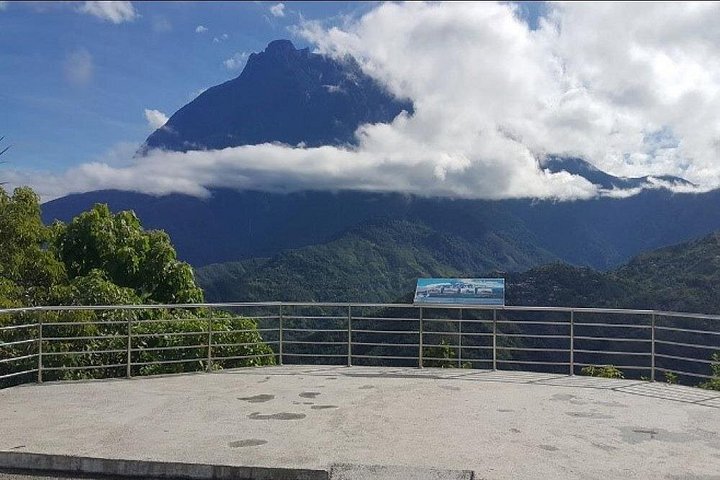
Kinabalu Park, Kundasang and the tea terraces are cool all year, and mornings are usually clearest, whatever the season. Cloud often builds over the peak by midday, so start early. In wetter months, the paths are muddier and leeches are more active, so wear suitable shoes. The canopy walk and hot springs at Poring are enjoyable in any weather, and a rain layer is always useful. If you plan to climb the mountain, which is outside the scope of our trips, book the permit months ahead and expect the drier months to be the busiest.
For wildlife and rivers
Proboscis monkeys at the Klias and Bongawan rivers are seen all year, and fireflies are visible in the evening in most months, so the river cruises work in every season. Rafting depends on river levels. Heavy rain can raise the water and change or cancel a trip, while a very dry spell can lower it. The Kiulu is the gentler river, and the Padas is the bigger one. Rafflesia blooms cannot be predicted at all, so go when it suits you and treat a bloom as a bonus.
Festivals and busy periods
The Kaamatan harvest festival, celebrated by the Kadazan-Dusun people at the end of May, is the best-known cultural event, with ceremonies, music and food, and it is a good time to be in Sabah. Chinese New Year, the Muslim festival of Hari Raya and school holidays bring more domestic travellers, which can mean busier tours, fuller hotels and higher prices. If you want a quieter trip, avoid the main holiday weeks, and if you want to see festivals, book flights and hotels early.
Heat and humidity
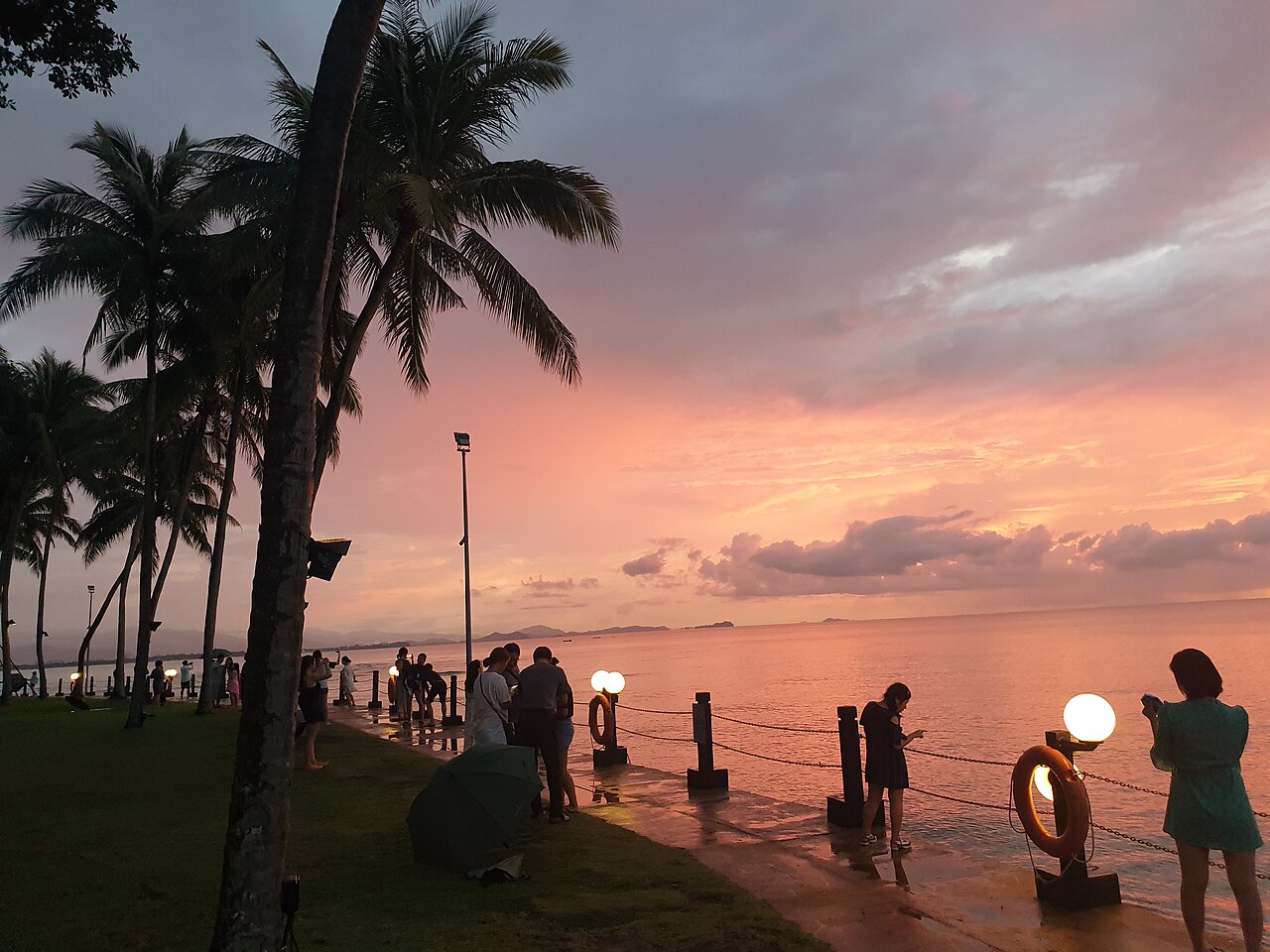
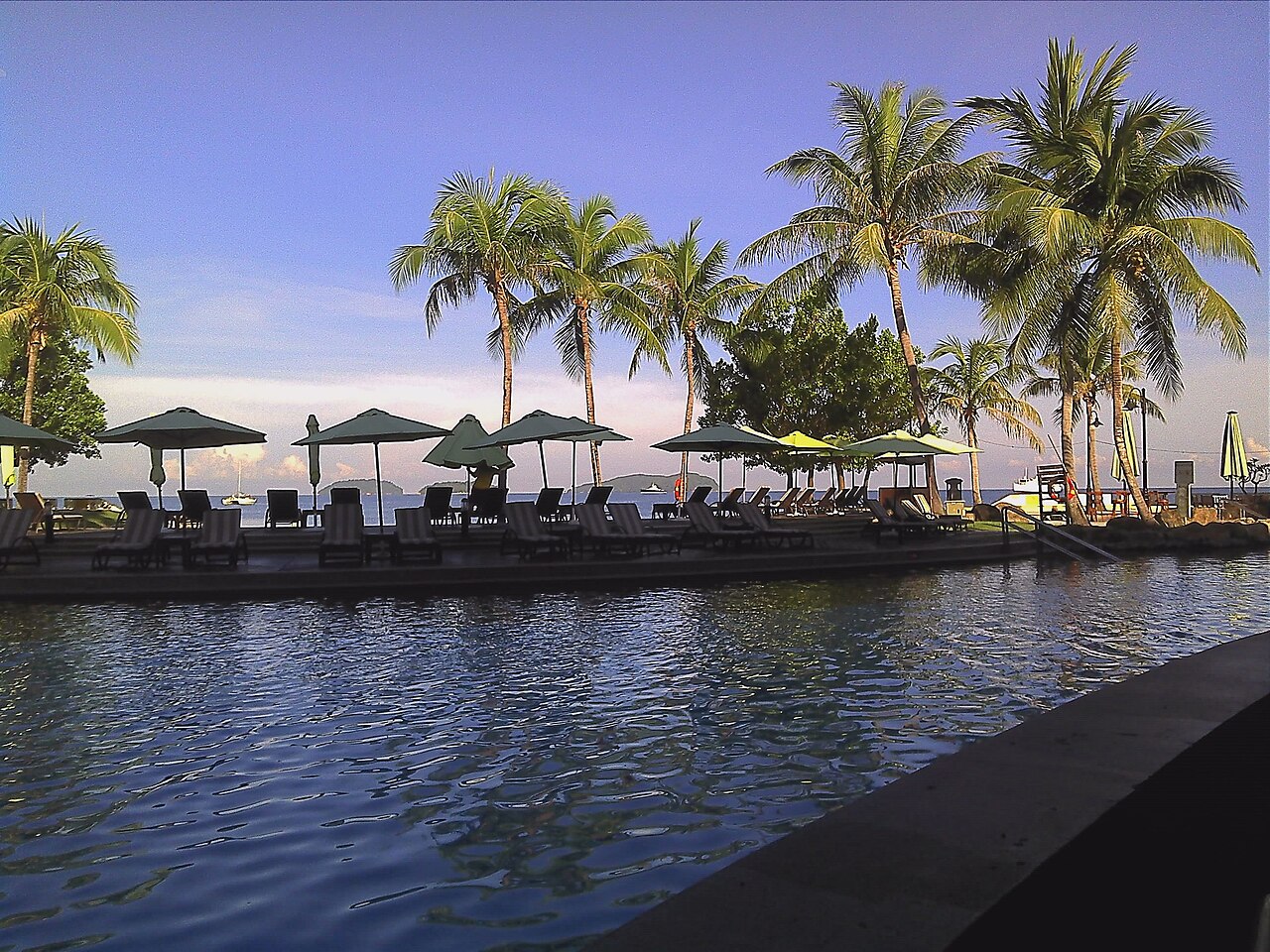
The coast is hot and humid in every month, with highs usually in the low 30s Celsius. Plan outdoor activities for the morning and the late afternoon, take a break in the middle of the day and drink plenty of water. Light, loose clothing, a hat and sunscreen are essential. Highland areas are noticeably cooler, so bring a light jacket for the mountain days.
Putting it together
For the best balance of calm seas, clear water and bright days, aim for the drier months. For lower prices and fewer crowds, consider the wetter months and be flexible. Whenever you go, keep a spare day for weather, book the long day trips early in your stay so that there is time to reschedule, and check the forecast before the boat days.
Packing for the season
In any month, pack light, quick-drying clothes, a rain jacket or compact umbrella, sunscreen, insect repellent and shoes that can get wet. For the highlands add a fleece. A dry bag or waterproof pouch is useful on boat days and river trips. Travel insurance that covers cancellations and activities is sensible, since boats and river trips depend on the weather.