Kota Kinabalu is a city that eats well and eats outdoors. The food is a mix of Chinese, Malay, indigenous Kadazan-Dusun and Murut traditions, with a strong seafood habit and a hawker culture that runs from breakfast stalls to late-night grills. This guide covers where to start, what to try and how to avoid the common mistakes.
Seafood by the kilogram
The signature meal is fresh seafood chosen at a stall and cooked to order. At the waterfront markets and hawker centres, such as the Todak Waterfront Hawker Centre and the Segama Night Market, you point at fish, prawns, crab, squid or clams on ice, they are weighed and you choose how they are cooked, usually grilled, steamed with ginger, fried with garlic or chilli, or tossed in a sauce. The key rule is to agree the price per kilogram and the cooking charge before the food goes on the grill. Ask for the total, check the weight and keep a note of what you ordered. Eat early in the evening, when the choice is best and the stalls are not yet crowded. Our night markets and waterfront seafood page has more detail.
Sabah dishes to look for
Hinava is a Kadazan-Dusun dish of raw fish cured in lime juice with ginger, shallot and chilli, a bit like ceviche. Tuaran mee is a springy egg noodle from the town of Tuaran, usually served fried with roast pork or vegetables or in a soup. Sabah beef noodle soup, with rich, aromatic broth, is a common lunch. Ambuyat, a sticky sago dish dipped in a sour sauce, is a speciality of the wider region. Local chicken and pork dishes, wild ferns such as midin, and grilled fish wrapped in leaves are worth ordering when you see them. For the adventurous, some restaurants serve sago grubs and other traditional delicacies, but you can enjoy a full meal without them.
Breakfast and snacks
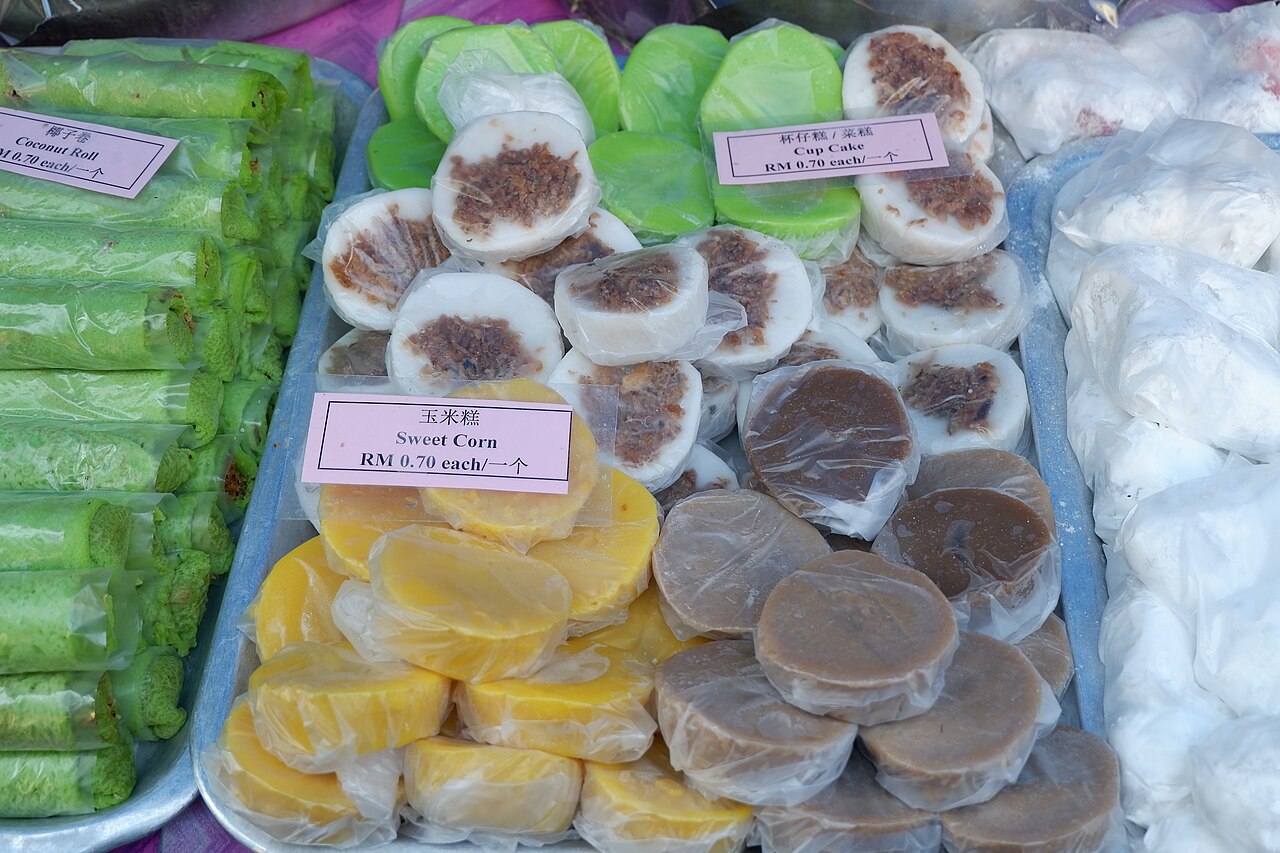
Breakfast is a good time to try local flavours cheaply. Look for kopitiam coffee shops with kaya toast and soft-boiled eggs, noodle stalls, and fried or steamed snacks at the Gaya Street Sunday Market, where the stalls sell everything from cakes to grilled skewers. Fresh fruit stalls sell tropical fruit, and in season you may see durian, mangosteen, rambutan and pomelo. A cold sugar-cane drink or coconut is a welcome break in the heat.
Coffee and tea
Sabah grows its own coffee and tea. Tenom coffee is the well-known local brew, served strong, and Sabah tea comes from plantations in the highlands near Kinabalu Park. Kopitiam coffee is usually served with condensed milk, so ask for it with less sugar or black if you prefer. A visit to the Sabah Tea Garden is an easy way to taste the local leaf.
Halal, non-halal and alcohol
Sabah is multicultural, and you will find halal Malay and Indian restaurants, non-halal Chinese seafood and pork dishes and a lively mix of both in the hawker centres. Check the signs or ask if it matters to you. Alcohol is available at many restaurants, bars and hotels, though not everywhere, and local beer and rice wine are easy to find. Drink responsibly and respect local customs.
Food tours and cooking classes
If you want a guided introduction, a street food walking tour or a cooking class with a market visit can give you the names and the confidence to order for yourself. Book these early in your stay so that you can use what you learn for the rest of the trip.
Practical tips
Cash is useful at stalls, although many restaurants take cards. Carry small notes. Tap water is not generally drunk, so choose bottled or filtered water. Choose busy stalls with a quick turnover, eat food that is cooked hot and use hand sanitiser. Many stalls open in the evening, and Sunday brings the market. Tips are not expected at hawker stalls, but a small round-up is appreciated in restaurants. Allow time for a slow dinner at the waterfront, where the sunset and the fish make the meal.
A simple eating plan
For a short stay, have breakfast at a kopitiam or the Sunday market, a noodle lunch at a hawker stall, an afternoon coffee or tea break and seafood at the waterfront in the evening. On a day trip, eat the lunch that is included, and save your appetite for dinner back in the city. Ask your hotel or guide for a recommendation, because locals know which stalls are at their best on which night.