Krabi has two main seasons, and choosing between them is the biggest decision you will make for your trip. The dry season, from roughly November to April, brings sun, calm seas and the best conditions for boats. The green season, from roughly May to October, brings rain, rougher water and lower prices. Neither is a bad time to visit, but they suit different travellers, and the right choice depends on what you want to do. This guide explains how each season works and what to book in each.
The dry season: November to April
This is the high season, and for good reason. Skies are mostly clear, the sea is flat, visibility is best for snorkelling and the island tours run on schedule. Temperatures are warm and humidity is lower than in the wet months, particularly from December to February, when mornings can feel fresh. The downside is crowds and price: hotels cost more, boat tours fill up and popular beaches are busy by midday. Book accommodation and the main boat tours ahead, and start your days early to enjoy the quiet side of the coast.
The peak: December to February
These are the busiest and driest months, with the clearest water and the highest prices. Christmas and New Year are especially full, and it is worth booking months ahead. This is the best period for far-flung snorkelling trips like Koh Rok, for sunrise departures and for sunset cruises with plankton on moonless nights. Evenings are comfortable and pleasant, and the beaches are at their best.
The hot months: March to April
The sea is still calm but the air grows hotter and more humid, and by April the heat can be strong. Crowds thin out, and prices start to fall. It is a good time for swimming and snorkelling, but plan your outings for early morning and late afternoon, and use the middle of the day for shade, a pool or a cooking class. Visibility can drop a little as the season ends, and the first afternoon storms may appear in late April.
The green season: May to October
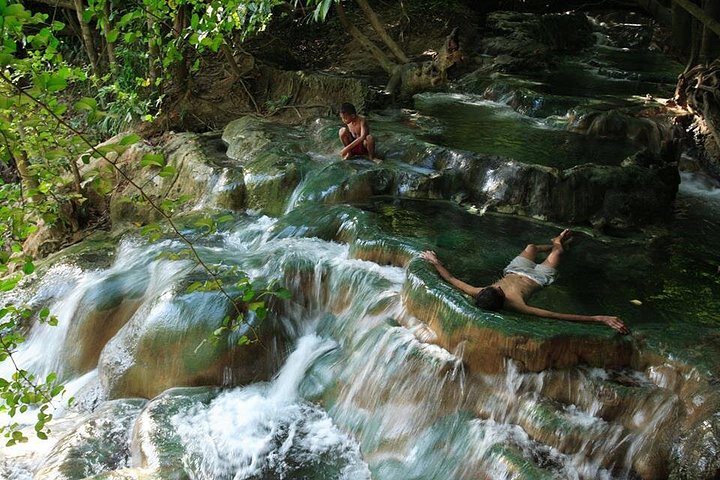
Expect regular rain, often in short, heavy showers rather than all-day downpours, and some days of grey skies. The sea is rougher, with bigger waves and stronger currents, and boat tours can be shortened, rerouted or cancelled. The marine park around Koh Rok and Koh Haa closes for the season, and some operators reduce their departures. In return, the landscape is lush, the waterfalls and the Emerald Pool are at their best, crowds are small and hotel rates are lower. It is a good time for travellers who want jungle, culture and food rather than constant boat trips.
The wettest months
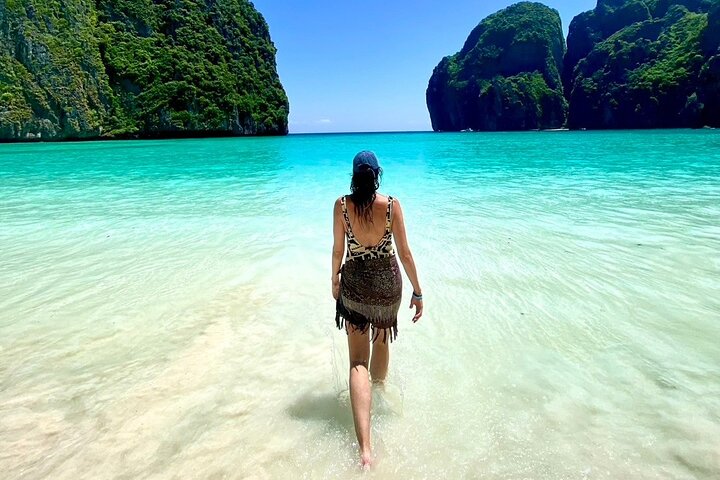
Rainfall peaks in the middle of the green season, usually from about August to October, and these months have the roughest seas. Maya Bay is closed from 1 August to 1 October each year to allow the ecosystem to recover, so day trips to Phi Phi substitute other stops in that period. If you travel at this time, choose flexible bookings, keep a spare day and plan indoor activities, such as a cooking class, a visit to caves and mangroves or a spa afternoon.
What works in the rain
Many of the best things to do in Krabi are not on the water. White water rafting on the Songprak River is best when the rains fill the river, ziplining continues in light rain, the elephant sanctuary and the Tiger Cave Temple are usually open all year, and the Cheow Lan Lake trip is lush and atmospheric after showers. Muay Thai nights are indoors, and cooking classes are a perfect rainy-day plan. If a boat tour is cancelled, ask for a refund or a move to another day.
Choosing by interest
If you want to snorkel, dive or island hop, visit between December and March. If you want to climb at Railay, the dry season gives the best rock and weather, though the cliffs are usable on drier days of the green season. If you want to see the plankton glow, travel in the dry season and aim for a dark night. If you want to save money and avoid crowds, pick the shoulder periods around May and October. If you are travelling with young children, the calm seas of January and February are the easiest.
Practical tips
Whatever the season, wear reef-safe sunscreen, carry a light rain jacket and keep valuables in a dry bag. Check the forecast for your boat day, but also ask the operator, who knows the sea. Book free-cancellation rates for tours and rooms in the green season, and build a buffer into your itinerary. In the dry season, book popular tours at least a few days ahead. Whenever you come, start early, drink plenty of water and keep a flexible mind, because Krabi rewards visitors who adjust their plans to the weather.