Płaszów lies in the south of Kraków, in the district of Podgórze, and today it looks like an area of grassy hills, scrubland and footpaths with a few scattered monuments. In 1942 and 1943 the German occupiers built a forced-labour camp here, on the site of two old Jewish cemeteries, for Jews from the Kraków ghetto, and in early 1944 it was turned into a concentration camp. Thousands of people were imprisoned and many were killed here, including by the camp's commandant, whose house still stands nearby. Most visitors know the camp from Schindler's List, but the film was shot elsewhere on a constructed set, and the real site is far larger, quieter and more open than that. What remains is mostly the landscape itself: the quarry where prisoners were forced to work, the Grey House that served as the camp's headquarters, a few surviving foundations and a large memorial monument raised in the 1960s. The site is now a memorial and a protected area, managed by the Museum of Kraków, and it is free to walk.
This is a place for quiet reflection rather than a conventional attraction. There are few buildings, and the story is told largely through outdoor information boards, the memorial and the guides who walk the paths with you. A guided walk of about two hours, like the one linked here, is the most meaningful way to visit: it explains where the barracks, roll-call ground and quarry were, and it tells the stories of individual prisoners and of the people who tried to help them.
Without a guide, the site can look like an empty park, and it is easy to walk past the things that matter most.
How to visit well
Treat the site with the respect due to a cemetery and a place of mass murder. Speak quietly, stay on the paths, and do not climb on monuments. Dress for the weather and wear sturdy shoes, because the ground is uneven, there is little shelter and there are no cafes on site. Bring water. Because the site is large, the walk can be longer than you expect, and it is more tiring in summer heat and winter wind.
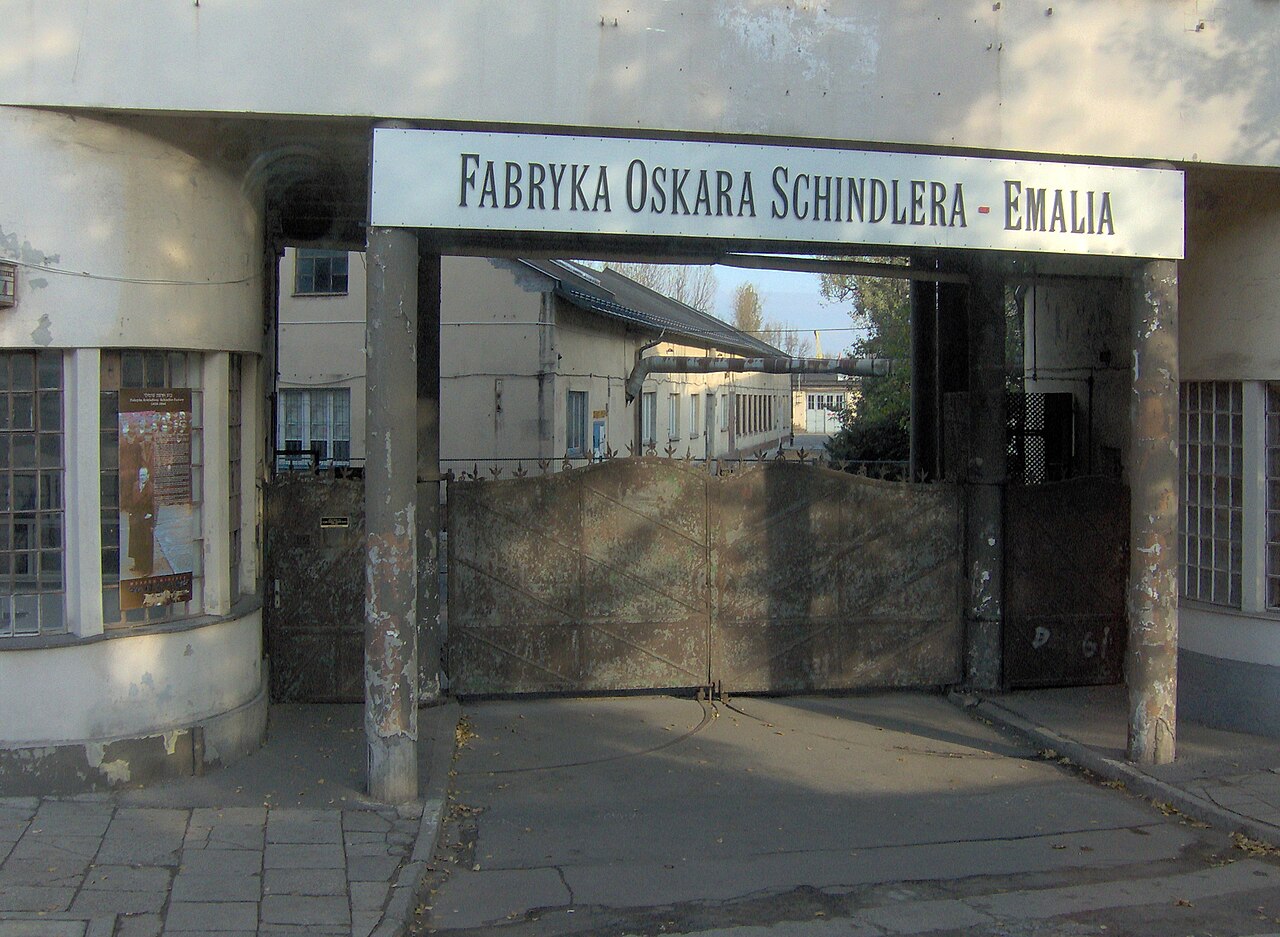
Getting there is easy. The memorial is reachable by tram and bus from the centre of Kraków in about twenty minutes, and it is close to Schindler's Factory and the former ghetto in Podgórze, so many visitors combine the three. A good sequence is to visit the museum at Schindler's Factory first, for the story of the occupation, then walk to Ghetto Heroes Square and the remaining ghetto wall fragments, and finish at Płaszów for the full picture of what happened. Allow half a day for all three, and a quiet evening afterward.
Who it suits
History lovers, anyone who has seen Schindler's List and wants to understand the reality, and visitors who feel that a trip to Auschwitz-Birkenau should be placed in the context of what happened in the city itself. It is not an easy or light visit, and it is not recommended for young children.
Teenagers who have studied the period may find it deeply affecting. If you are travelling with a family, consider visiting without children, or choose the shorter museum visit instead. Take time afterwards for a quiet coffee in Kazimierz, and give yourself room to absorb what you have seen.
What to expect
The experience
A guided walk across the open-air memorial site, with outdoor information boards, the monument and the Grey House.
Best time
Morning or early afternoon in dry weather, when the paths are easiest to walk.
How long
About two hours on a guided walk, longer if you explore on your own.
Tips
Dress for the weather, wear sturdy shoes, bring water and treat the site with the quiet respect of a cemetery.
Quick picks
- Best for
- Visitors who want to understand the reality behind Schindler's List.
- Families
- Not recommended for young children; consider the shorter museum visit instead.
- Couples
- A sombre visit; leave time afterwards for a quiet coffee in Kazimierz.
- Pair with
- Schindler's Factory and Ghetto Heroes Square in Podgórze.
- Time needed
- Half a day with the other Podgórze sites.
Good questions
What is Płaszów?+
The site of a Nazi forced-labour camp, later a concentration camp, in the Podgórze district of Kraków. It is now an open-air memorial site.
Is the film Schindler's List shot at Płaszów?+
The film used a constructed set near the site rather than the camp itself. The real memorial is far larger and quieter.
Is there much to see at Płaszów?+
Mostly landscape: the quarry, the Grey House, a few foundations and a large monument. A guide makes the site understandable.
Is it free to enter?+
The grounds are open to walk. A guided tour adds explanation and stories that are hard to read from the boards alone.
Is Płaszów suitable for children?+
It is a heavy subject and the site is not recommended for young children. Teenagers who have studied the period may find it meaningful.