Lake Como works in every season, but it is a different lake in each one. The villas, gardens and boats run on a seasonal calendar, the weather shapes what is pleasant to do and the crowds rise and fall with the months. This guide walks through the year so that you can choose the season that matches what you want from a visit.
Spring, from late March to May
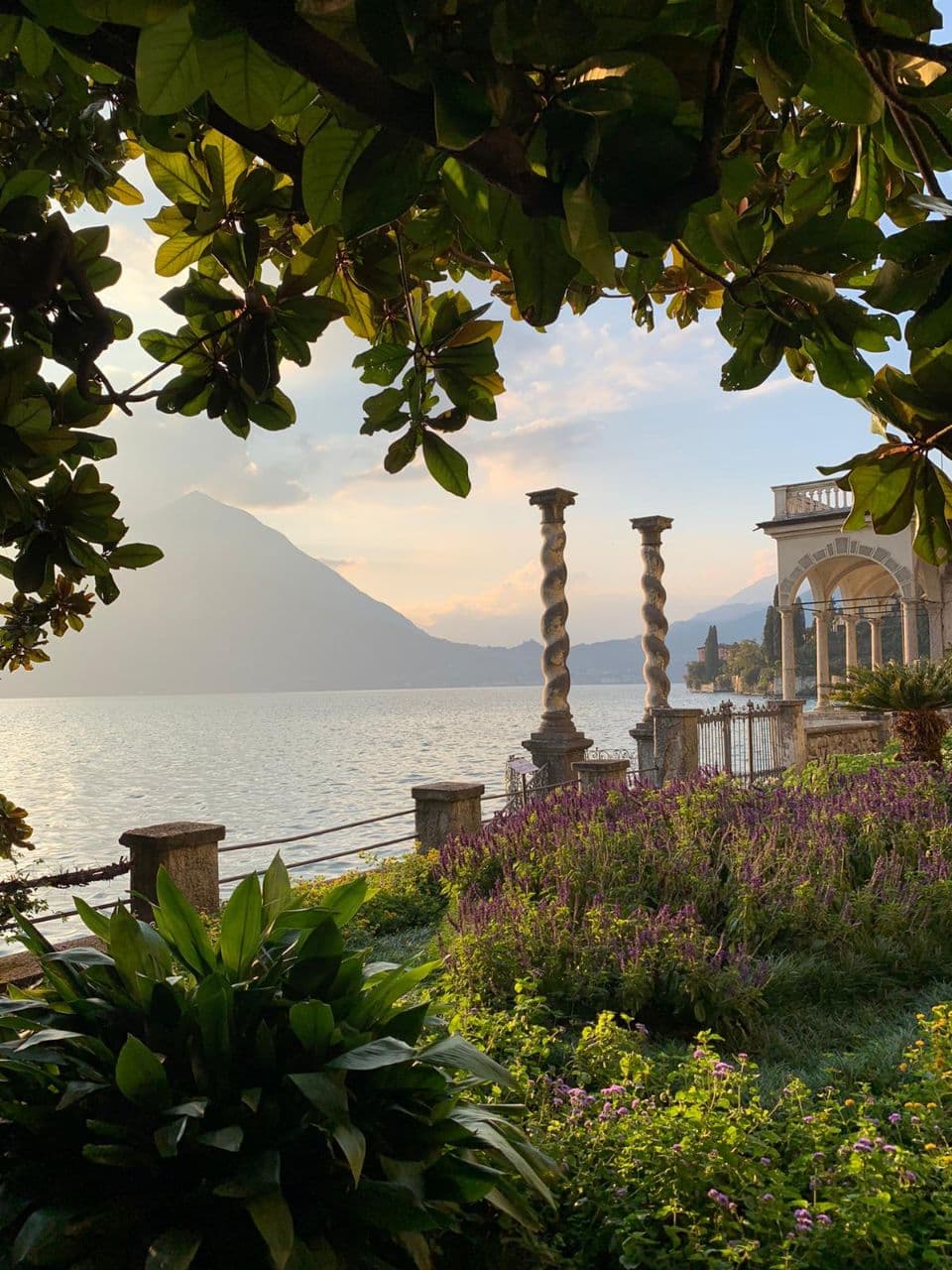
This is the lake at its most colourful. The gardens reopen, with Villa Melzi in Bellagio opening at the end of March, and the azaleas and rhododendrons at Villa Carlotta bloom in April and May. Wisteria hangs over the lakeside walls, the mountains still carry snow and the air is clear. Ferries move to a fuller timetable, hotels begin to reopen and the villages are lively without being packed, except around Easter and the May holidays when Italian visitors fill the lake. Evenings can be cool, and showers are common, so bring a waterproof layer. Spring is the best time for garden lovers.
Summer, June to August
Everything is open, the ferries and hydrofoils run frequently and the days are long, which makes this the easiest season for logistics. It is also the busiest and hottest. Bellagio, Varenna and Como are crowded by mid-morning, the popular villas sell out of timed tickets and hotel prices are at their highest. Haze often hides the mountains, and afternoon thunderstorms can blow up quickly. If you come in summer, book villas and hotels well ahead, start early in the morning, take the boat rather than the road and plan a quiet lunch away from the lakefront. Swimming is pleasant, and a boat rental or a kayak tour is at its best.
Early autumn, September and October
For many people this is the best time of all. The water is still warm in September, the crowds thin out after the first week and the light turns golden. The villas and gardens remain open into October, the ferry timetable is still generous and the chestnut woods behind Menaggio turn colour, with restaurants adding mushroom, chestnut and venison dishes to their menus. Walks such as the Sentiero del Viandante are at their best, and the mountains are usually clearer than in summer. Expect cooler mornings and the occasional wet day.
Late autumn, November
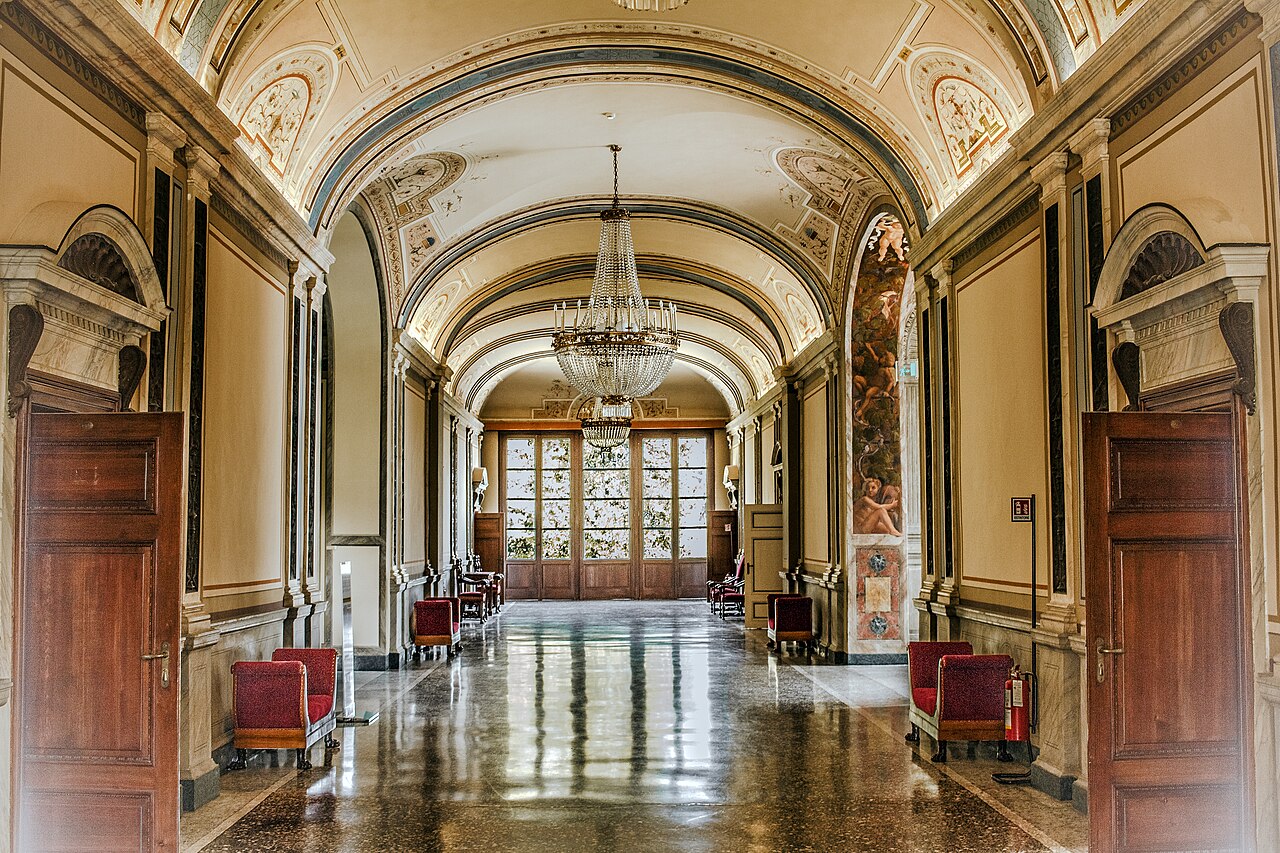
The season winds down. Gardens such as Villa Carlotta move to a reduced calendar of selected days, Villa del Balbianello opens on a shorter schedule, Villa Melzi has closed and many hotels shut until spring. Mist is common, and the light can be beautiful on clear mornings. This is a good time for a quiet visit based in Como town, where hotels and restaurants stay open, with day trips by ferry and visits to the villas that keep their winter timetable.
Winter, December to early March
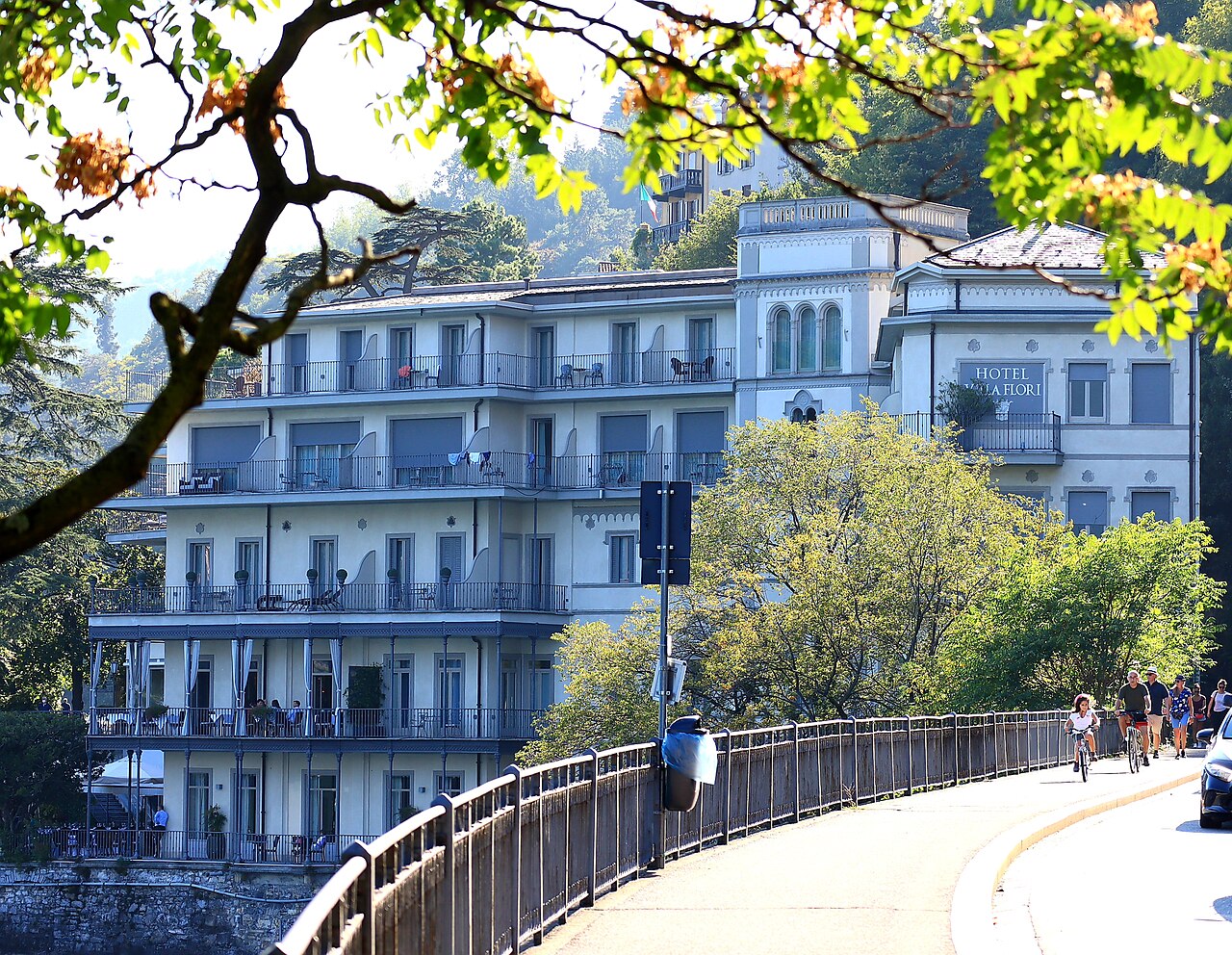
The lake is at its quietest. Ferries run a reduced winter timetable, many lakeside hotels and restaurants close, and the grand villas are mostly shut, though Villa Monastero in Varenna keeps a Thursday-to-Monday timetable through the cold months and the Christmas lights at Villa Cipressi make Varenna especially pretty in December. Days are short and the weather can be grey, but clear days bring snow-capped views and almost empty streets. Como town, with its cathedral, funicular and cooking classes, is the dependable base, and Milan is an easy day trip by train when the weather is poor.
Weather and wind
The lake moderates temperatures a little, so it is milder on the shore than in the mountains behind it. Two local winds shape boating: the tivano blows from the north in the morning, and the breva blows from the south in the afternoon, which is why small-boat trips and kayak tours are best in the morning. Always check the forecast before a non-refundable boat rental, and allow a spare day in your plans for the weather.
Choosing your month
For gardens, choose April or May. For the easiest travel and swimming, choose June to August, but book ahead. For the best balance of weather, crowds and open attractions, choose September or early October. For quiet, low prices and a different mood, choose the cold months and base yourself in Como. Whatever month you choose, check each attraction’s page for its current opening pattern, and check the ferry timetable the day before you cross.