There is no bad time to visit the Lake District, only different kinds of trip. The weather is changeable in every season, rain is a fact of life in one of the wettest parts of England, and the same view can look entirely different from one hour to the next. What changes through the year is the number of visitors, the hours of daylight, the opening times of attractions and the kind of walking you can safely do. Choose the season that matches the kind of trip you want, and pack for all weather.
Spring: daffodils, waterfalls and lambs
Spring runs from March to May, and it is one of the most beautiful times to visit. Daffodils bloom along lake shores and in village churchyards, the very landscape that inspired Wordsworth, and the lower fells turn green. Waterfalls such as Aira Force are full after the winter rain, lambs are in the fields, and the gardens at places such as Muncaster Castle come alive with rhododendrons and azaleas towards the end of the season. Easter is busy, but outside the holiday weeks the park is relatively quiet, and many seasonal attractions, boats and cafés return to fuller timetables.
Summer: long days and big crowds
From June to August the days are long, with light until late in the evening, and everything is open, from the full Windermere cruise timetable to the steam launches and the water sports centres. This is also the busiest time, especially in July and August and during school holidays, when Bowness, Ambleside and Keswick are packed, car parks fill early and accommodation is at its most expensive. The remedy is to start early, go to quieter valleys such as Wasdale, Eskdale and Ennerdale, and book accommodation and timed-entry sights well ahead. Summer is also the best time for high-level walking, swimming in lakes and tarns, and boat trips.
Autumn: colour and quieter roads
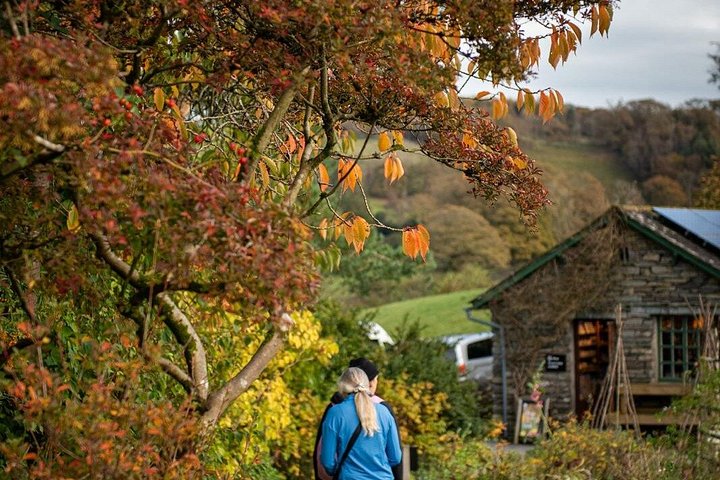
September and October are many locals' favourite months. The bracken turns copper, the woods turn gold and red, and the light is low and soft, which is superb for photography at places such as Tarn Hows and Derwentwater. The crowds thin after the summer holidays, and the weather is often settled in September, though rain increases as the season goes on. Days are shortening, so plan walks with time in hand, and check that seasonal attractions are still on their longer timetable before you travel.
Winter: quiet, atmospheric and serious
From November to February the Lakes are at their quietest, with frost on the fells, snow on the high tops and mist on the lakes. Days are short, with only seven or eight hours of usable light in midwinter, and many attractions run reduced days and hours, and some close for a period. Lake boats run reduced timetables, the Green Cruise on Windermere does not operate, and mountain roads such as Hardknott, Wrynose and Kirkstone can be icy or closed. On the other hand, you get empty paths, cheap accommodation, log fires and some of the most dramatic light of the year. The high fells need winter skills and equipment, including an ice axe and crampons when there is snow and ice, so choose lower walks such as Loughrigg Fell, Orrest Head or the Friar's Crag path unless you are experienced. Spa hotels, distilleries, museums and cosy pubs come into their own.
Matching your trip to the season
For walking and swimming, choose late spring to early autumn. For photography, choose autumn and winter. For families, school holidays work but are busy, and the shoulder seasons are calmer. For romantic breaks, winter spa stays are hard to beat. For cheaper accommodation, choose weekdays outside holidays, and for quiet, choose November, January and early February.
Practical tips for any season
Pack waterproofs, layers, proper boots, a hat and gloves, even in summer. Check the Mountain Weather Information Service forecast before any fell walk, and tell someone your route. Book ahead for holidays, weekends and timed-entry sights, and check seasonal opening before you travel. Finally, build flexibility into your plans, because the best Lakeland days are often decided over breakfast. A useful habit is to have a wet-weather plan and a clear-weather plan for every day, such as a museum, a spa or a distillery for the first and a fell walk or a cruise for the second, then choose after you have looked at the sky and the forecast together.
