Levi changes completely through the year, and the right time to visit depends on what you want to do. Winter is the headline season, with snow, huskies and the aurora, but late summer and autumn have their own appeal, and spring offers bright days and deep snow. This guide walks through the seasons so that you can match your trip to your interests.
Early winter, November to mid-December
Snow arrives and the village prepares for the season. Days are short, and the landscape turns white. Some activities begin as soon as there is enough snow, but conditions can be variable. The aurora is possible on clear nights. Prices are often lower than at peak times, and the village is quieter. It suits travellers who want a taste of winter without the crowds.
Midwinter, mid-December to February
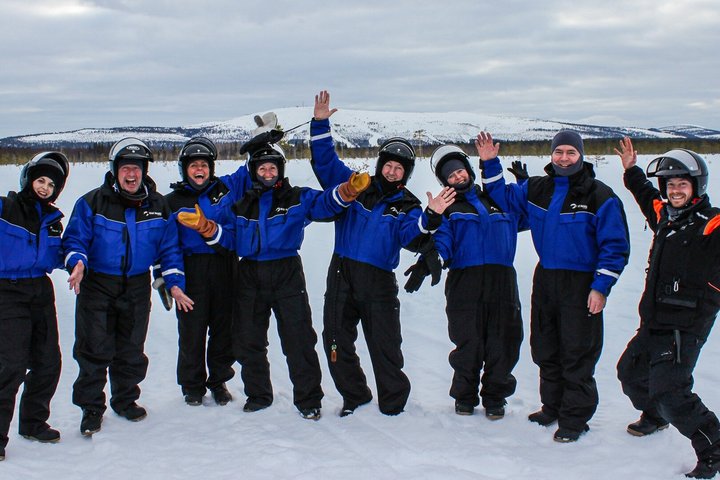
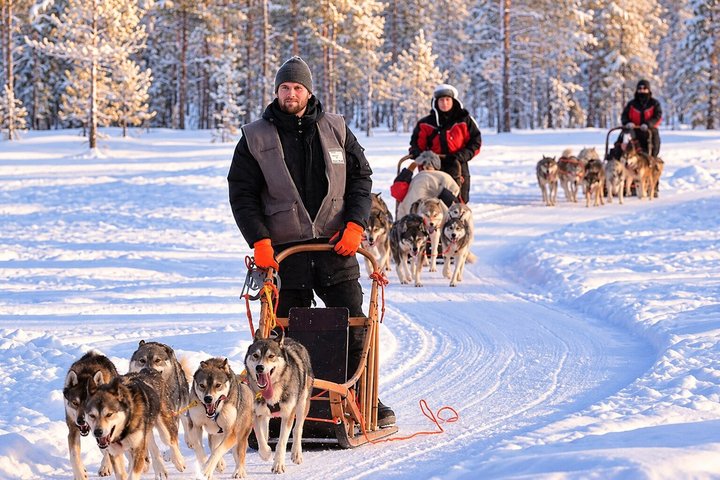
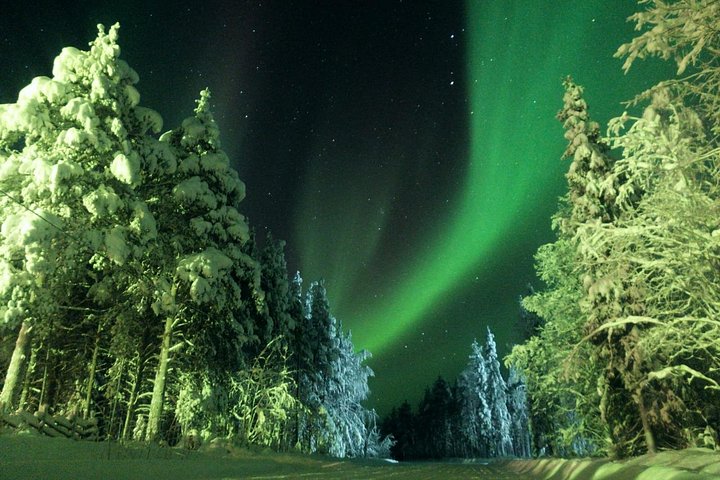
This is the classic Lapland season. Snow is reliable, trails are in good shape and all the main activities run. Days are very short around the winter solstice, with only a few hours of twilight, but the blue light is beautiful. The aurora season is in full swing, and the cold can be intense, so dress carefully. Christmas, New Year and school holiday weeks are busy and expensive, so book early.
Late winter and spring, March to April
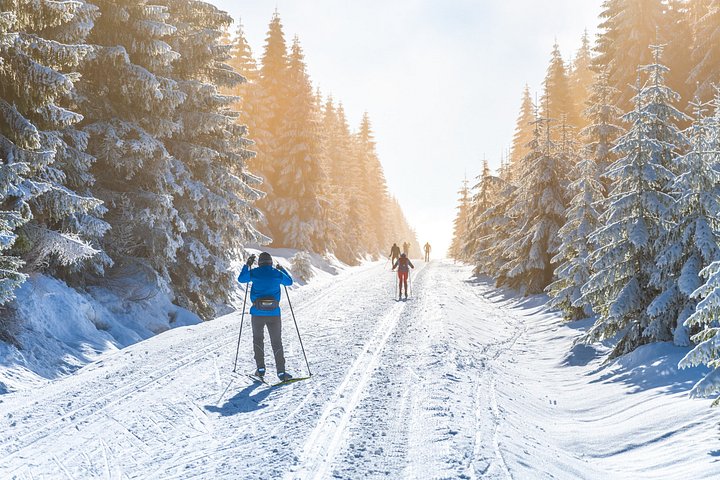
Days lengthen quickly, and the sun brings bright, sparkling snow. Temperatures are milder, which suits families and anyone who dislikes extreme cold. The aurora is still possible in March and early April. Snow activities continue, and skiing is excellent in sunny weather. As April advances, the snow softens and some activities end, so check dates.
Late spring and early summer, May to June
The snow melts, the landscape is muddy and the village is quiet. Some businesses are closed. It is a transition period and not a popular time for visitors. By June, the days are long and the first flowers appear.
Summer, late June to August
The midnight sun brings continuous daylight in midsummer, and the fells turn green. Hiking, cycling and fishing are popular, and the air is fresh. Mosquitoes can be a nuisance, so bring repellent. The aurora is not visible because of the light. Free hiking trails on the Levi fells are the main draw for budget travellers.
Autumn, September to October
The ruska season turns the fells red and gold in September, and the first frosts arrive. The aurora returns as nights grow dark, and the weather is often crisp and clear. It is a lovely time for hiking and photography, with fewer visitors and lower prices. Snow can arrive in October, and some winter activities begin at the end of the month.
Choosing your time
For snow activities and a classic Lapland experience, choose December to March. For milder temperatures and bright days, March is hard to beat. For colour and quiet, choose September. For the midnight sun and hiking, choose July. For the aurora, choose any dark month between late August and early April, and be flexible.
Daylight through the year
Levi lies far north of the Arctic Circle line, so daylight changes dramatically. In midwinter the sun barely rises, and the sky glows with a blue twilight for a few hours. By March there are long bright days, and by June the sun barely sets. This affects planning: aurora viewing needs dark skies, while hiking and photography benefit from long light. Understanding the daylight pattern helps you pick activities that suit the month you have chosen and avoid surprises about when you can be outdoors.
Temperatures and clothing
Midwinter temperatures can fall well below freezing, and cold snaps are part of the season. March and April are milder, but the wind can still bite. Summer days can be pleasantly warm, with cool nights. Autumn is crisp, with the first frosts. In every season, pack layers and a windproof jacket. Winter visitors should check rental options for overalls and boots, and summer hikers should bring waterproofs and insect repellent. Packing for the season you have chosen, not the one you expect, is the simplest way to stay comfortable.
Booking tips
Winter weeks, especially those around Christmas, New Year and February holidays, fill early. Book accommodation, flights and key activities months ahead. Shoulder seasons offer better availability and lower prices.