Lexington is a city that makes more sense once you leave it. At its centre sit a courthouse square, a university, a basketball arena and a lively run of restaurants and bars, but the reason most visitors come lies beyond the ring road, in the soft green hills and black plank fences of the Bluegrass. This is the Horse Capital of the World, home to the farms where champion Thoroughbreds are bred, the racetrack where they are tested and the auction ring where they are sold. Add a bourbon industry that sits on the doorstep, a layer of nineteenth-century history and a food scene that has grown steadily more confident, and you have a destination that rewards a long weekend. This guide explains how to approach a first visit.
Start with the horses
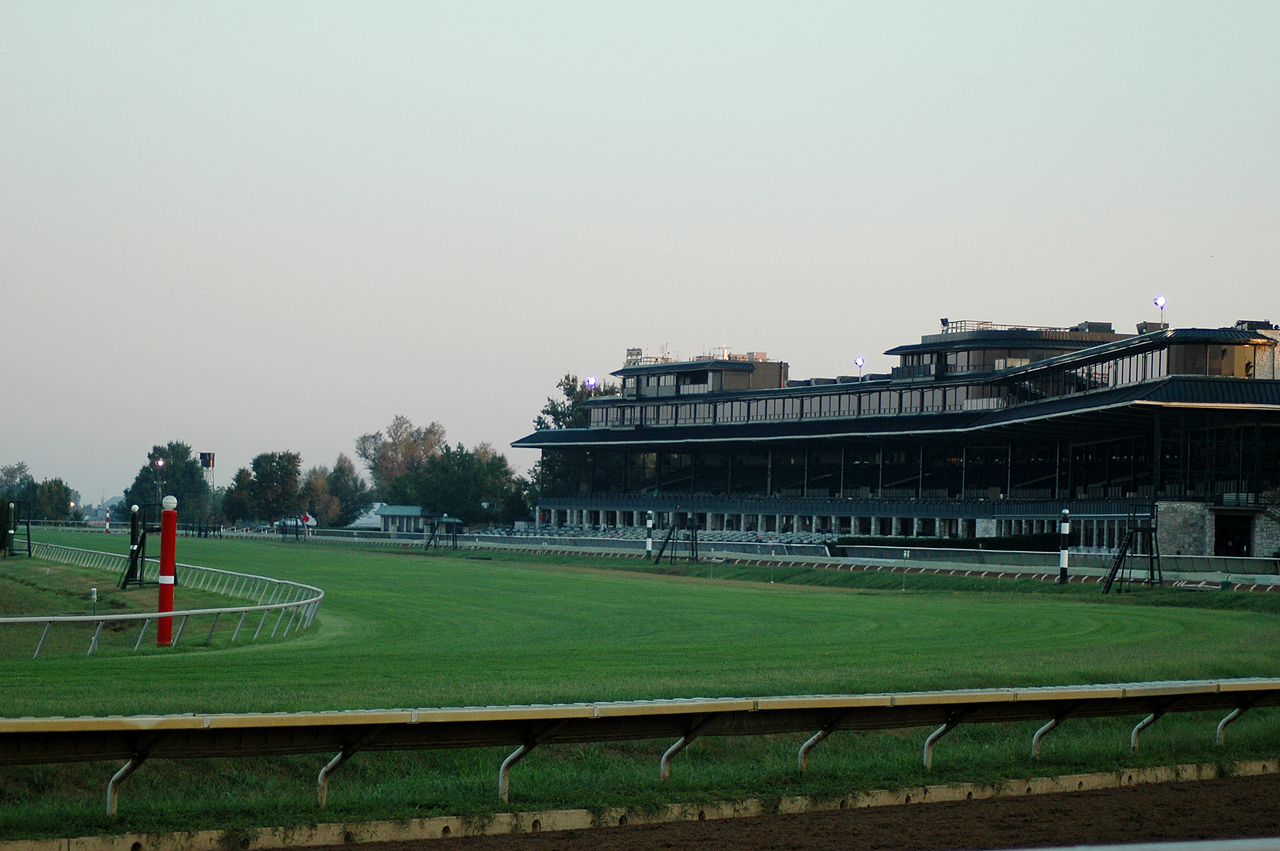
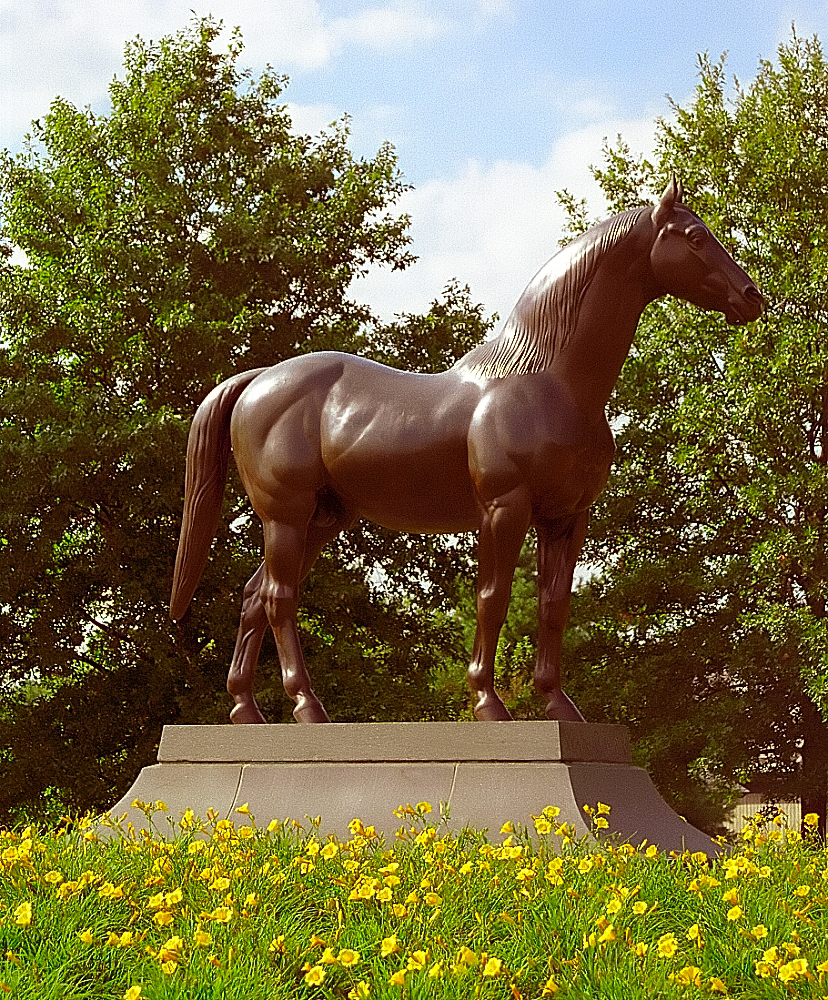
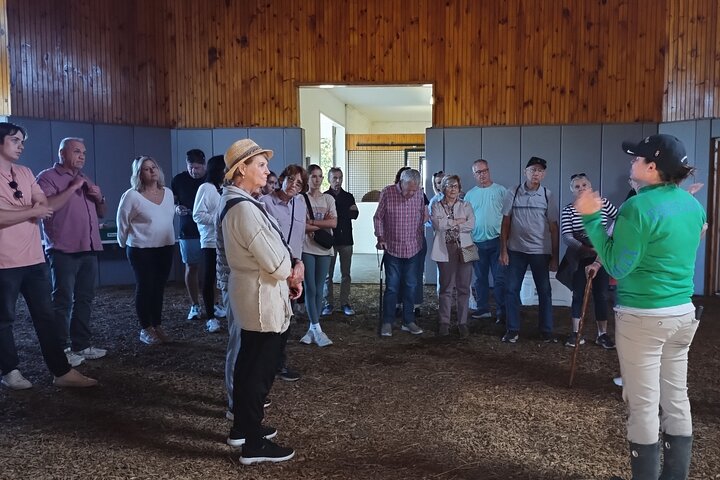
Every visit should include at least one horse experience, because it explains the landscape. The simplest choice is a guided Thoroughbred farm tour, which takes you to working farms and tells the story of breeding, stallions and sales. If you want more access and fewer people, an insider tour of private farms is worth the extra cost. The Kentucky Horse Park is the best all-round option for families, with museums, stallions and daily demonstrations in season. Keeneland is the one that feels like a place out of time: a stone-and-ivy racecourse with two short race meets a year and free morning workouts where you can watch horses gallop at sunrise.
Understand the geography
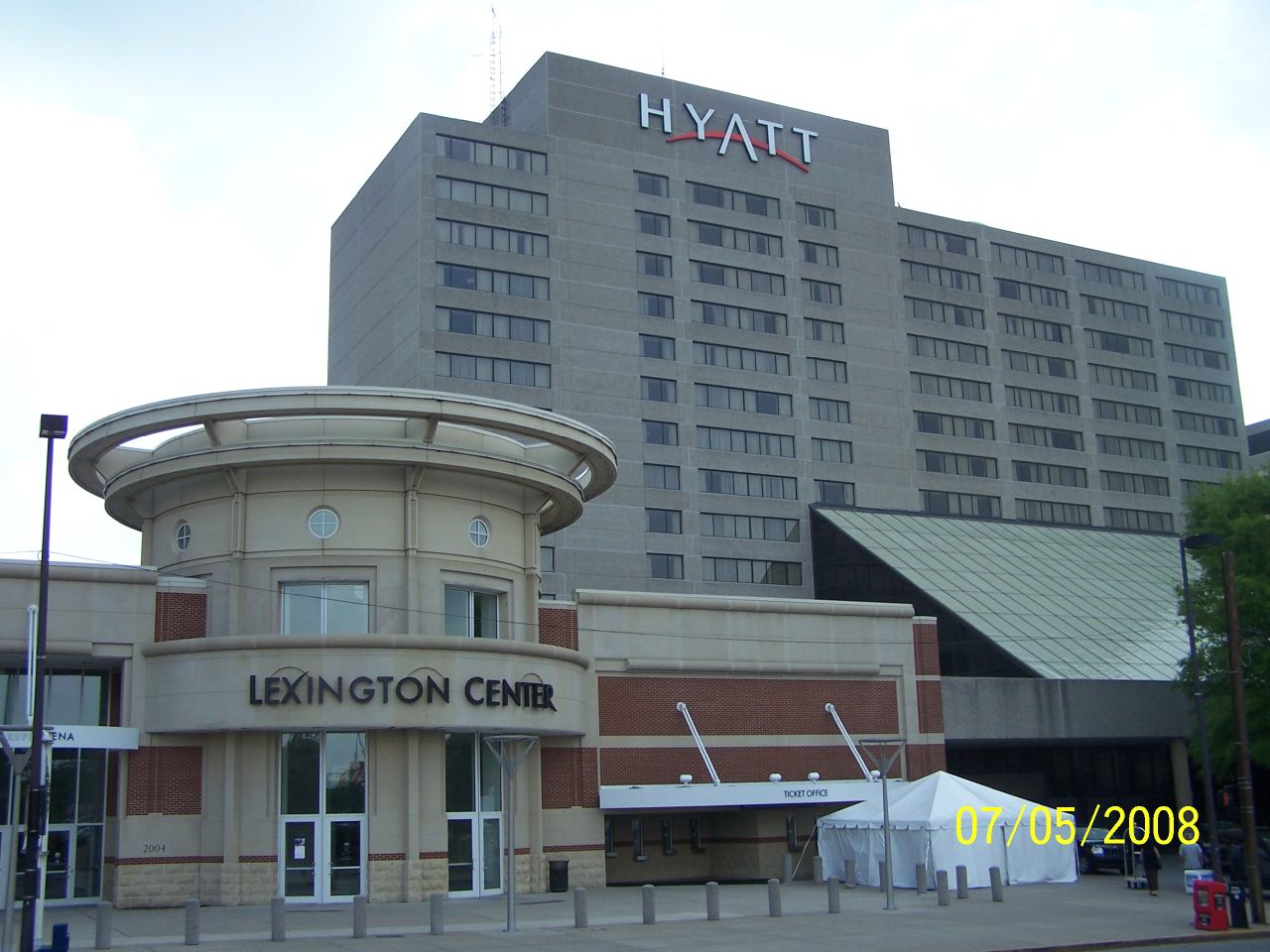
Downtown Lexington is small and walkable, with the historic Gratz Park district, the courthouse square, the Lexington Center and the arena all within a few blocks. The Distillery District sits just north of the centre. The horse farms, Keeneland and the Horse Park are a short drive in different directions, and the distilleries at Versailles and along the Old Frankfort Pike are about half an hour away. A car is helpful, but guided tours remove the need for one, which also solves the designated-driver problem when bourbon is involved.
Taste the bourbon
Kentucky makes most of the world's bourbon, and Lexington is a convenient base for the Bourbon Trail. For a scenic, polished visit, Woodford Reserve in Versailles is a National Historic Landmark with copper pot stills. Castle & Key, a restored castle distillery with sunken gardens, is among the most photographed places in the state. If you prefer to stay in the city, a tasting in the Distillery District or a bourbon educator session gives you an introduction without a long drive. Book distillery tours ahead, particularly on weekends and in autumn, and always plan for transport.
Add history
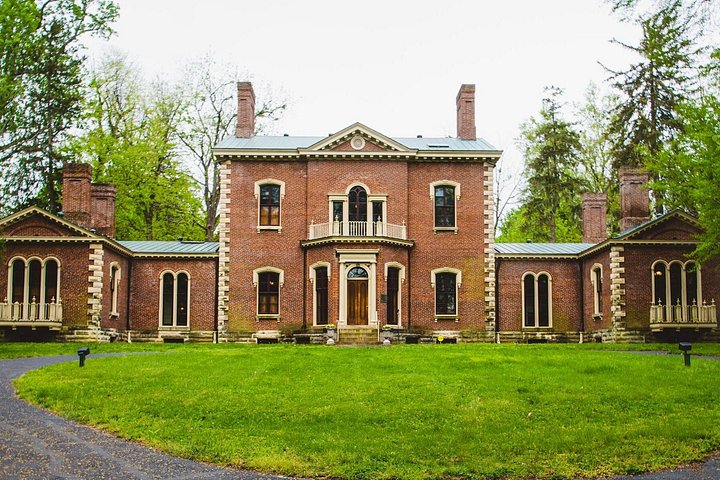
Lexington was the cultural capital of the early West, and its historic houses tell important parts of the American story. Ashland, the home of Henry Clay, offers a guided tour and a specialty tour on the enslaved people of the estate. The Mary Todd Lincoln House shows where Abraham Lincoln's wife grew up. Waveland State Historic Site interprets an antebellum farm and mansion. A day that includes two of the three gives a rounded picture of the era, including its contradictions.
Eat and drink downtown
Lexington's restaurants lean on local ingredients, and a walking food tour is the quickest way to sample them. Try Kentucky classics such as beer cheese, burgoo, country ham and biscuits, then finish with a cocktail built on local bourbon. The Distillery District is lively in the evening, with outdoor spaces, music and craft beer. For a special dinner, the hotel restaurants and the chef-run places near Gratz Park are good choices.
Add a day trip
If you have a fourth day, Shaker Village of Pleasant Hill, about 25 miles southwest, is a restored 1805 community with trails, craft demonstrations and a seasonal riverboat. It is as calm as the city is lively. Frankfort, the state capital, is also within easy reach, and Castle & Key sits along the road between the two cities.
Plan around the calendar
Spring and fall are the best seasons. The April Keeneland meet and the October fall meet are social highlights, with lodging prices to match. Summer is warm and green, and winter is quiet, with lower rates and cosy restaurants. Wildcats basketball games at Rupp Arena and university graduation weekends fill hotels, so check the calendar before you book.
Where to sleep
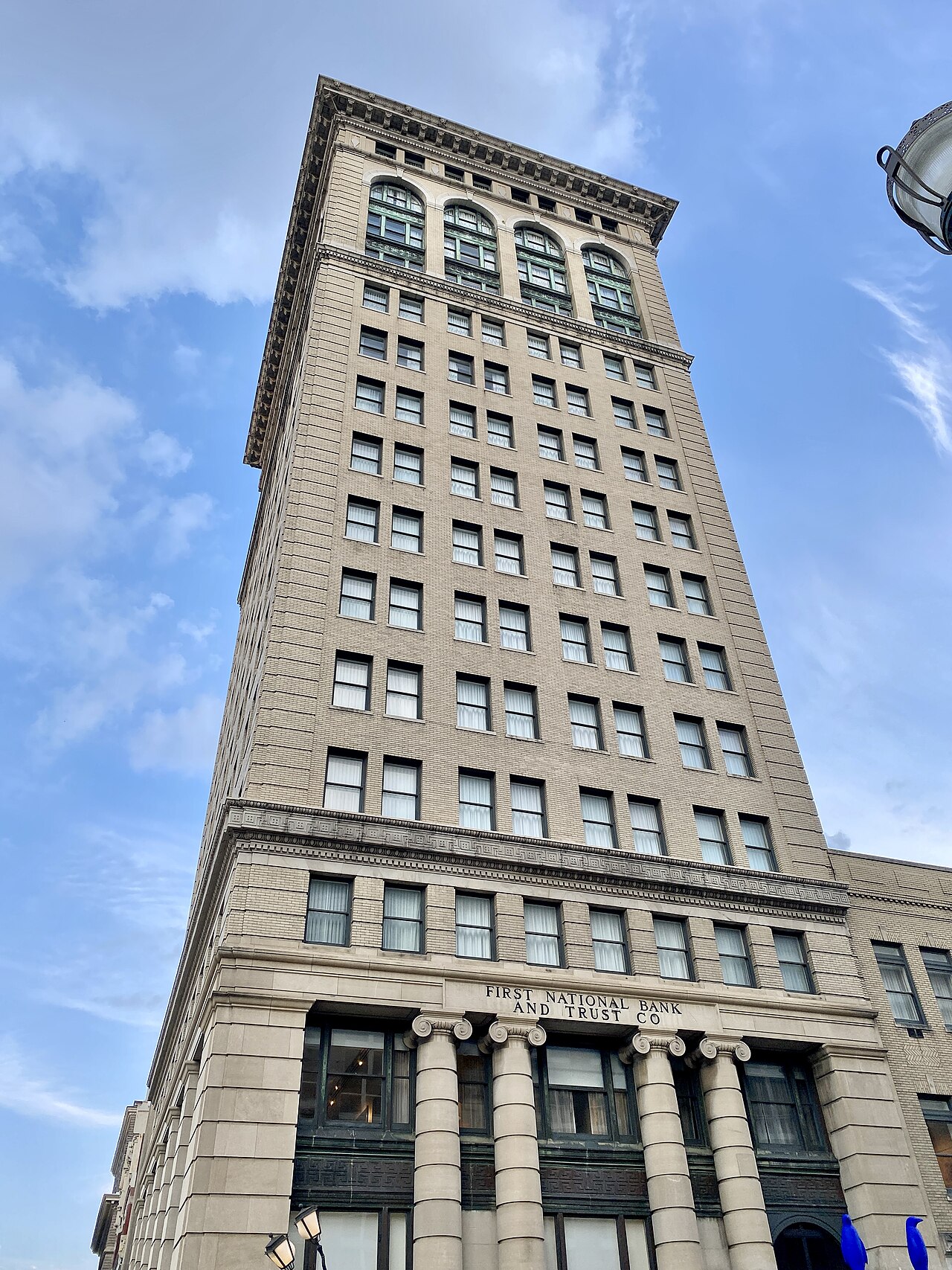
Downtown hotels such as the Gratz Park Inn, 21c Museum Hotel, the Hilton and the Hyatt Regency put you within walking distance of restaurants and bars. The Griffin Gate Marriott and the Campbell House suit travellers who prefer space, a pool and easy parking. For a countryside night, consider the Inn at Shaker Village. Book early for race weekends.
A simple formula
On day one, take a farm tour in the morning and a downtown food tour in the evening. On day two, visit Keeneland or the Horse Park and a distillery. On day three, add history with Ashland or the Mary Todd Lincoln House and finish with a Distillery District dinner. Keep one flexible slot for weather, because the best moments in Lexington are often a few unplanned hours on a quiet farm road.