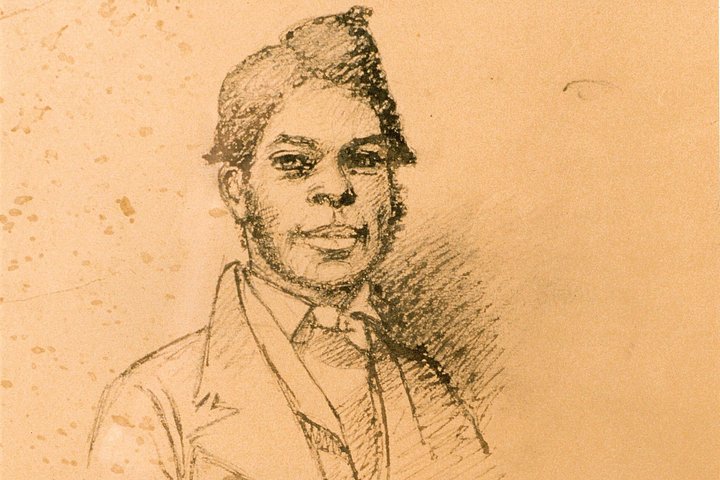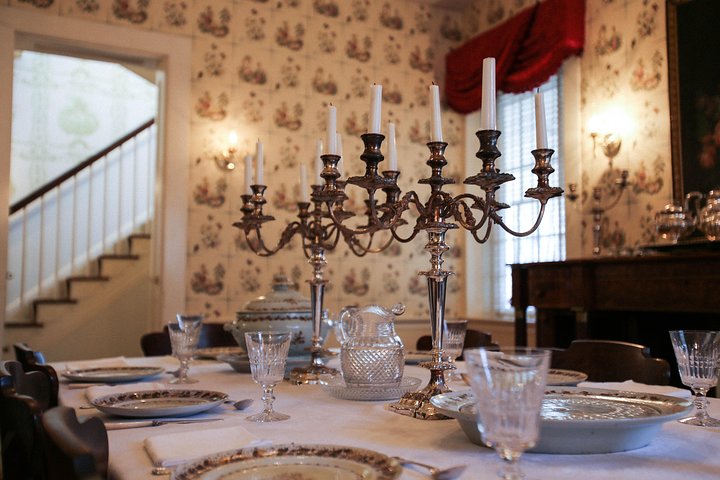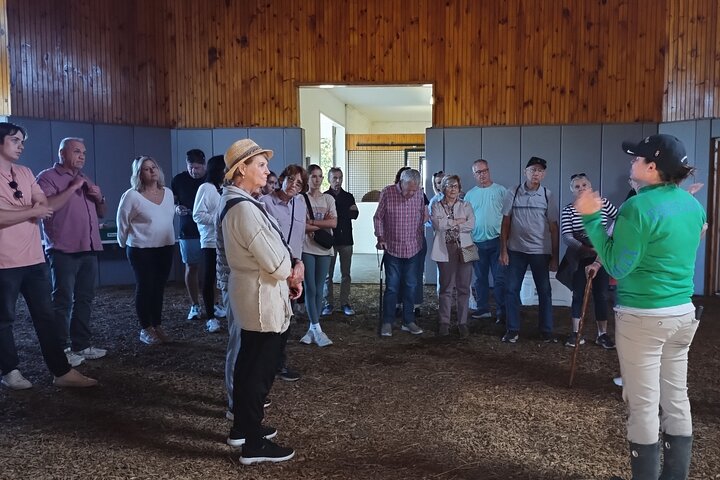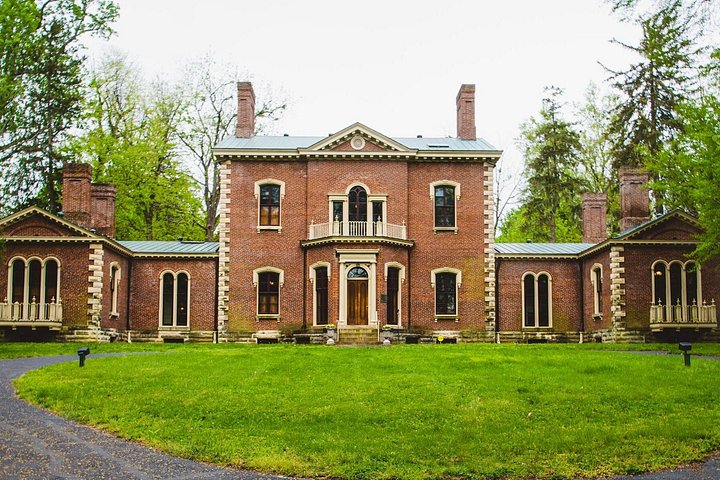
Few Americans shaped the nineteenth century as thoroughly as Henry Clay, and Ashland is where he lived. A Speaker of the House, Senator, Secretary of State and three-time presidential candidate, Clay was known as the Great Compromiser for his role in brokering deals that delayed the Civil War. The estate, named for the ash trees that once crowded the property, sits on Richmond Road in the middle of a Lexington neighbourhood, an oasis of lawn, old trees and garden behind a handsome brick house. The mansion that visitors tour today is a rebuilding of the original by Clay's son after the statesman's death, retaining much of the older plan and furnishing it with pieces that belonged to the family. A guided tour walks through the public rooms and explains Clay's career, his family life and the political bargains that made him famous and, to some, infamous. The tour does not shy away from difficult subjects, including Clay's ownership of enslaved people and the contradictions of a man who spoke for union while living within an economy built on slavery. The guides are generally strong at placing the house in the larger story of Kentucky and the nation. The grounds are part of the charm. A formal garden, shaded lawns, outbuildings and a landscape designed in the early twentieth century by the Olmsted Brothers give Ashland a calm beauty that is a pleasant counterpoint to the city outside. Visitors can wander the grounds, sit under a tree and imagine the days when Clay hosted visiting politicians on the porch.
Plan about an hour for the guided house tour and extra time for the grounds. Tours generally run on a schedule that varies by season, and reservations are advisable for weekends and for specialty tours such as the one on the history of enslaved people at Ashland. Confirm hours and the tour menu when you book, and wear comfortable shoes since the house involves stairs and the grounds are uneven in places.
Ashland is the best single stop for a traveller interested in American history in Lexington. It pairs well with the Mary Todd Lincoln House, which tells a connected story, because the Todd family and the Clay family were neighbours in the early nineteenth century and Mary Todd's family knew Clay well. A morning at Ashland and an afternoon at the Mary Todd Lincoln House make a satisfying history day.
The estate suits adults and older children with an interest in history. Younger children may find the house tour long, but the grounds are easy for them to enjoy. The place is quiet, which many visitors appreciate after a day of horse farms and distilleries.
The estate also hosts seasonal events, from garden programmes to holiday tours, and these are worth watching for if your dates are flexible. Check whether the museum shop is open, since books on Clay and the period make good souvenirs. If the weather is fine, finish with a slow loop of the grounds and a seat under the old trees, which is as restful a break as the city offers.
Allow a few minutes for the orientation at the start of the tour, where guides usually explain the layout and the safety rules for historic rooms, and keep bags small since large packs are often discouraged inside historic houses.
What to expect
The experience
A guided tour of the Henry Clay mansion and its Olmsted-designed grounds in the middle of Lexington.
Best time
Spring and fall for the gardens. Check seasonal hours, as the house schedule varies.
How long
About an hour for the tour, plus time for the grounds.
Tips
Reserve for weekends, wear comfortable shoes and ask about the specialty tours on enslaved life at Ashland.
Quick picks
- Best for
- History lovers who want a human-scale story about the road to the Civil War.
- Families
- Older children will enjoy the grounds, and younger ones may find the tour long.
- Couples
- A calm, scenic hour in a beautiful setting.
- Pair with
- The Mary Todd Lincoln House and a lunch downtown.
- Time needed
- One to one and a half hours.
Good questions
Who was Henry Clay?+
A Kentucky statesman who served as Speaker of the House, Senator and Secretary of State, remembered as the Great Compromiser.
Is the house original?+
It is a rebuilding of the original by Clay's son, containing many family pieces and following the older plan.
Are the grounds open?+
Generally yes, with seasonal variation. Check current hours and any event closures.
Does the tour cover slavery?+
Yes. Interpretation addresses Clay's enslaved workers, and there is a separate tour focused on that history.
Is it accessible?+
The house has stairs, so check access arrangements with the museum when you book.