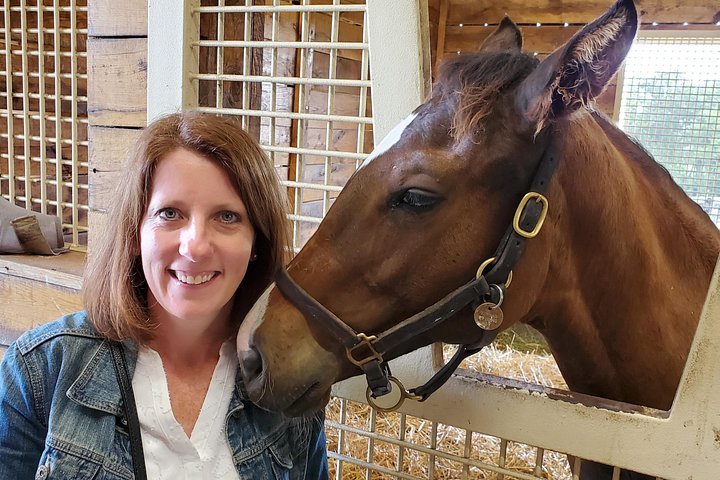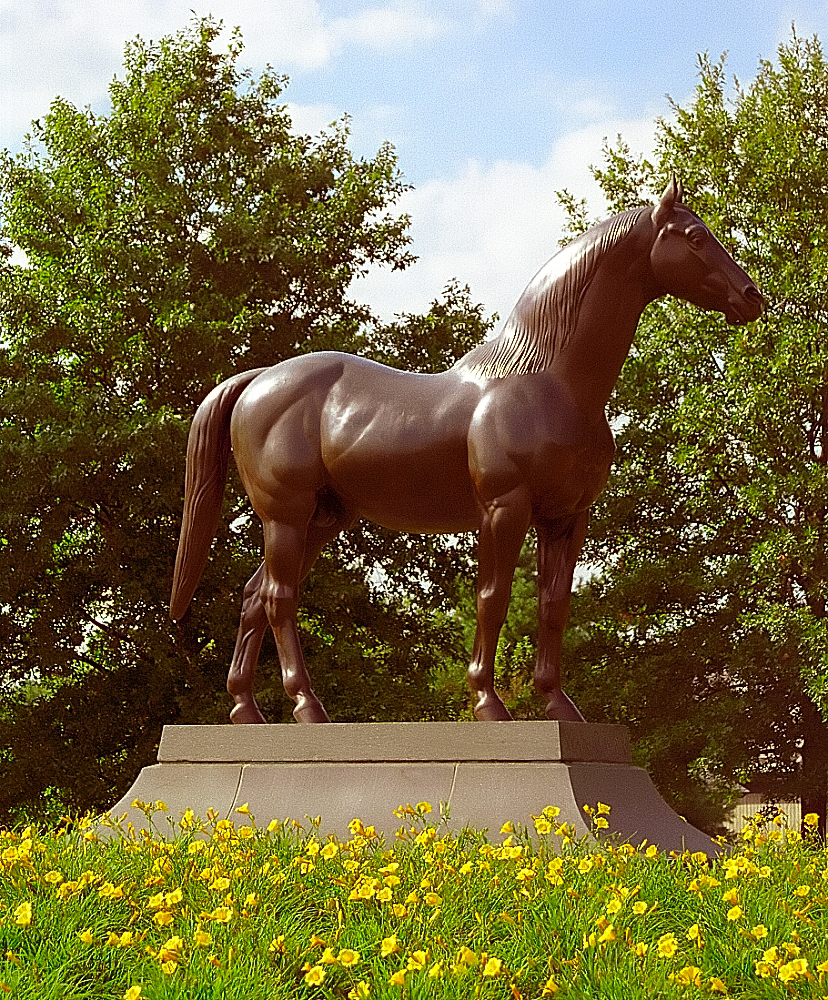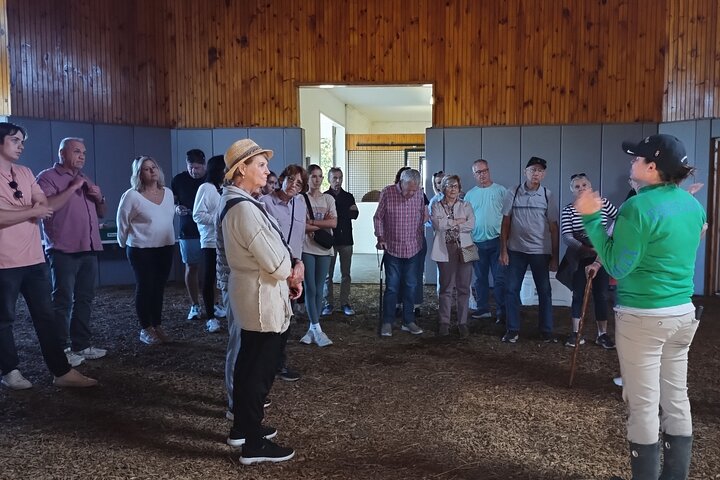
Lexington's identity is written in four-board fences. Out past the city limits, the countryside rolls in low green swells, divided by miles of black or white plank fencing and dotted with stone walls, stallion barns and paddocks where mares and foals graze. A guided half-day Thoroughbred farm tour is the simplest way to see it without a car, a map or any idea whom to call. The group travels in a van or small coach with a guide who knows which farms stand stallions, which have raised famous winners and which are quietly owned by dynasties whose names appear on the sales catalogue every September. Tours of this kind generally visit one or two working farms, with a stop at a stallion barn or a broodmare paddock when the farm allows it, and drive past others for photographs from the road. Because these are real businesses rather than museums, what you see depends on the season and on the day. Spring brings foals, many of them only days old and still wobbling beside their mothers. Summer and early fall mean sleek yearlings being prepared for the sales. Winter is quieter, but stallions are still handled and the landscape has its own austere beauty. The guide explains the cycle, from breeding in the late winter and spring to the January 1 universal birthday that makes every Thoroughbred a year older on the same day. The commentary is the real value. You learn why limestone-rich soil grows the calcium-heavy grass that builds strong bone, how a stud fee works, why a top stallion can be a business worth millions, and how the Kentucky horse industry supports an enormous web of trainers, vets, farriers and breeders. Most visitors leave with a very different picture of a horse than the one they arrived with.
Plan the tour for a morning, when horses are often turned out and light across the fields is at its best. Wear closed shoes you do not mind getting dusty, bring a layer for the barns, and carry a camera with a zoom if you have one, since some of the best views are from the road. Access is at the discretion of each farm, so treat any individual stallion or farm name as a possibility rather than a promise, and ask the operator when you book what a typical itinerary includes.
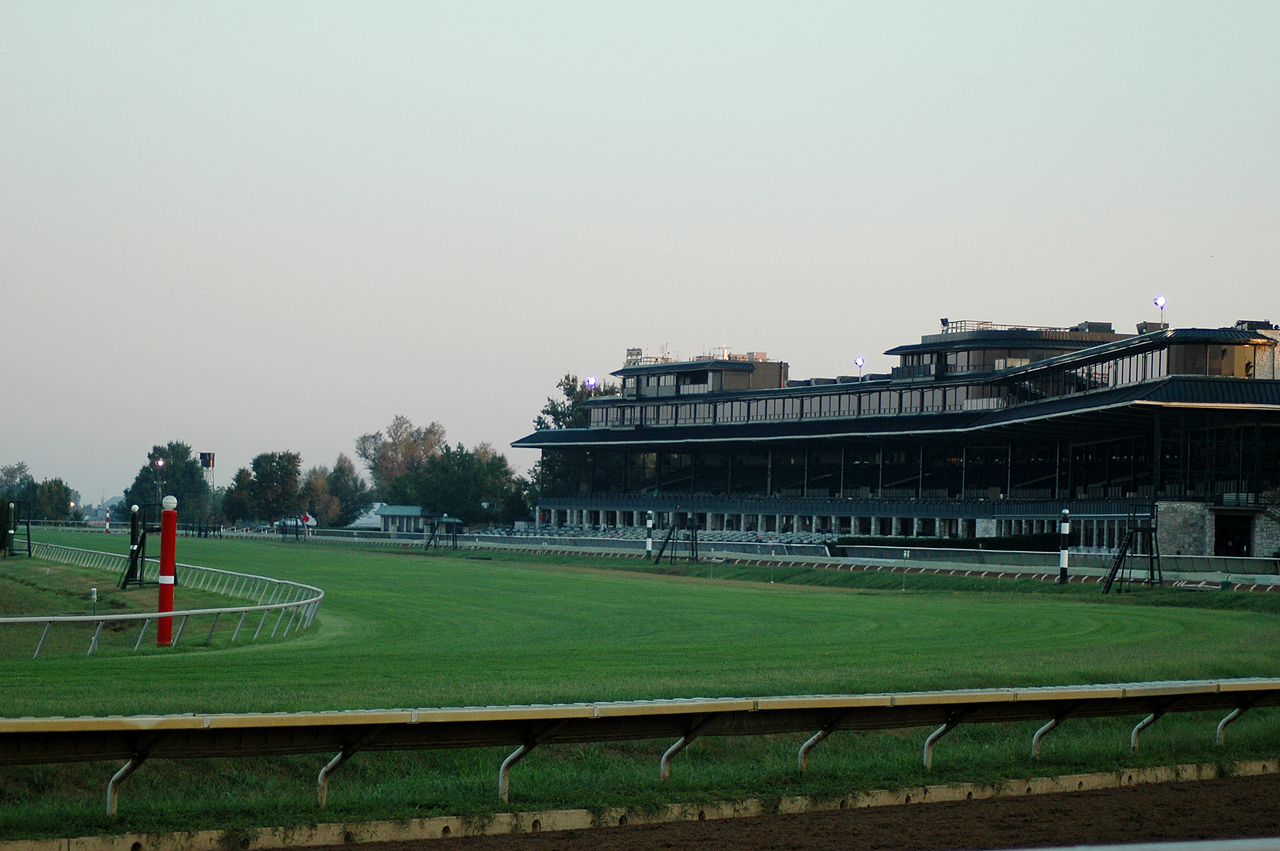
This tour pairs well with Keeneland in the afternoon, a distillery stop on the Old Frankfort Pike, or a visit to the Kentucky Horse Park the next day. If you can only do one horse experience in the region and you want depth, choose the farm tour for the working-farm feel and the Horse Park for museums and breed demonstrations. If you are visiting in October, Keeneland's fall meet and the sales calendar change the mood of the whole region, so book early.
The tour suits almost everyone. Children who like animals will be happy, couples will enjoy the scenery, and anyone curious about the business behind Kentucky's famous horse racing gets the story in a form they can see. It is mostly seated and light on walking, with short steps in and out of the vehicle at each stop.
What to expect
The experience
A narrated half-day drive through the Bluegrass with stops at working Thoroughbred farms, a stallion or mare barn when access allows, and photo stops from the road.
Best time
Spring for foals, late summer and fall for yearlings and autumn colour. Morning departures catch horses turned out.
How long
Three to four hours including transfers.
Tips
Wear closed shoes, bring a light layer, and ask which farms are typical for the season. Farm access is up to each owner.
Quick picks
- Best for
- First-timers who want the Horse Capital story without renting a car.
- Families
- Children who love animals will enjoy foals and paddocks, and the tour is mostly seated.
- Couples
- A scenic, easy half day with excellent countryside views.
- Pair with
- Keeneland, Castle & Key or Woodford Reserve, and a downtown dinner.
- Time needed
- Half a day.
Good questions
Will I see horses up close?+
Usually, yes, at one or two stops, but access depends on the farm, the season and the day. Treat a close encounter as likely rather than guaranteed.
When is the best season?+
Spring for foals and late summer to fall for yearlings and colour, though winter has its own quiet beauty and stallions are still handled.
Are the farms real working farms?+
Yes. They are private businesses, which is why tours are guided and why specific farms and barns can vary.
Is this good for children?+
Very. Animals at close range are the draw, and the seated format works for most ages.
Do I need a car?+
No. The tour provides the transport, which also means you can enjoy the day without worrying about navigating farm roads.