Lima has a reputation as one of the great food capitals of the world, and the reputation is deserved. The city sits on a cold, rich ocean, draws on Andean, Spanish, African, Chinese and Japanese traditions and is proud of its cooks. Eating well here does not require a huge budget, but it does help to know what to order and how to organise your meals around the sights.
Start with ceviche
The national dish is raw fish cured in lime juice with chilli, onion and salt, served with sweet potato and toasted corn. It is traditionally a lunchtime dish, made with the day's catch, so look for ceviche at lunch rather than dinner and choose places that are busy at midday. Related dishes include tiradito, which is sliced fish in a spicy sauce without the onions, and leche de tigre, the citrus broth served as a drink.
Other dishes to try
Lomo saltado is a stir-fry of beef, onion, tomato and chips, a good example of the Chinese influence known as chifa. Aji de gallina is shredded chicken in a creamy yellow chilli sauce, causa is a layered cold potato terrine with fillings, and anticuchos are grilled skewers, usually beef heart, served from street stalls and restaurants alike. Nikkei cooking, a fusion of Peruvian and Japanese styles, is another local speciality. For dessert, try picarones, fried sweet-potato doughnuts with syrup, or suspiro limeno, a rich caramel pudding.
Pisco and other drinks
The pisco sour, made from pisco, lime juice, sugar syrup, egg white and bitters, is Peru's signature cocktail, and every bar has its own version. A chilcano mixes pisco with ginger ale and lime and is lighter and more refreshing. Non-alcoholic choices include chicha morada, a sweet drink made from purple corn, and the bright yellow Inca Kola, which Peruvians love. Coffee has improved greatly in recent years, and good cafes are easy to find in Miraflores and Barranco.
Take a food tour
A guided gourmet tour is the quickest way to understand the city. The Lima food tour moves between neighbourhoods, tasting ceviche, street snacks and drinks and explaining how each dish fits into local life. Go on your first or second day, so that you know what to order for the rest of your stay. Tell the operator about allergies and dietary needs when you book, since a tour with set tastings has less flexibility than a restaurant menu.
Learn to cook
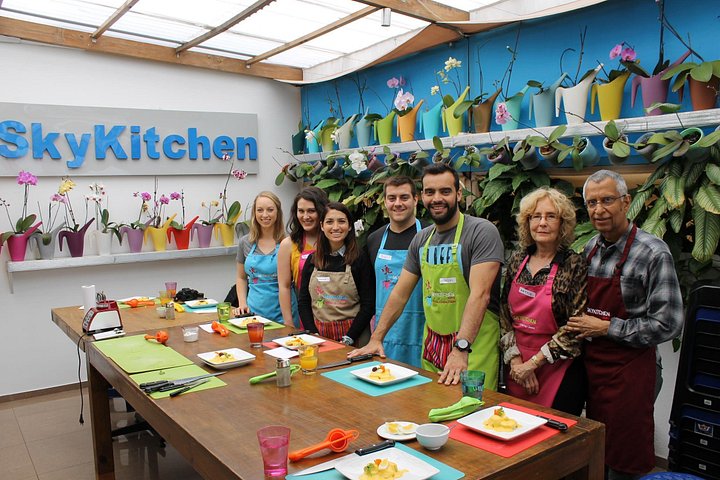
The cooking class and market visit begins in a local market, where you taste fruits you may never have seen before, and then moves to a kitchen where you prepare a Peruvian meal yourself. It is hands on, good for groups and a real souvenir, because you leave with recipes you can repeat at home. Classes run at fixed times and are usually non-refundable, so book once your dates are firm.
Where to eat by area
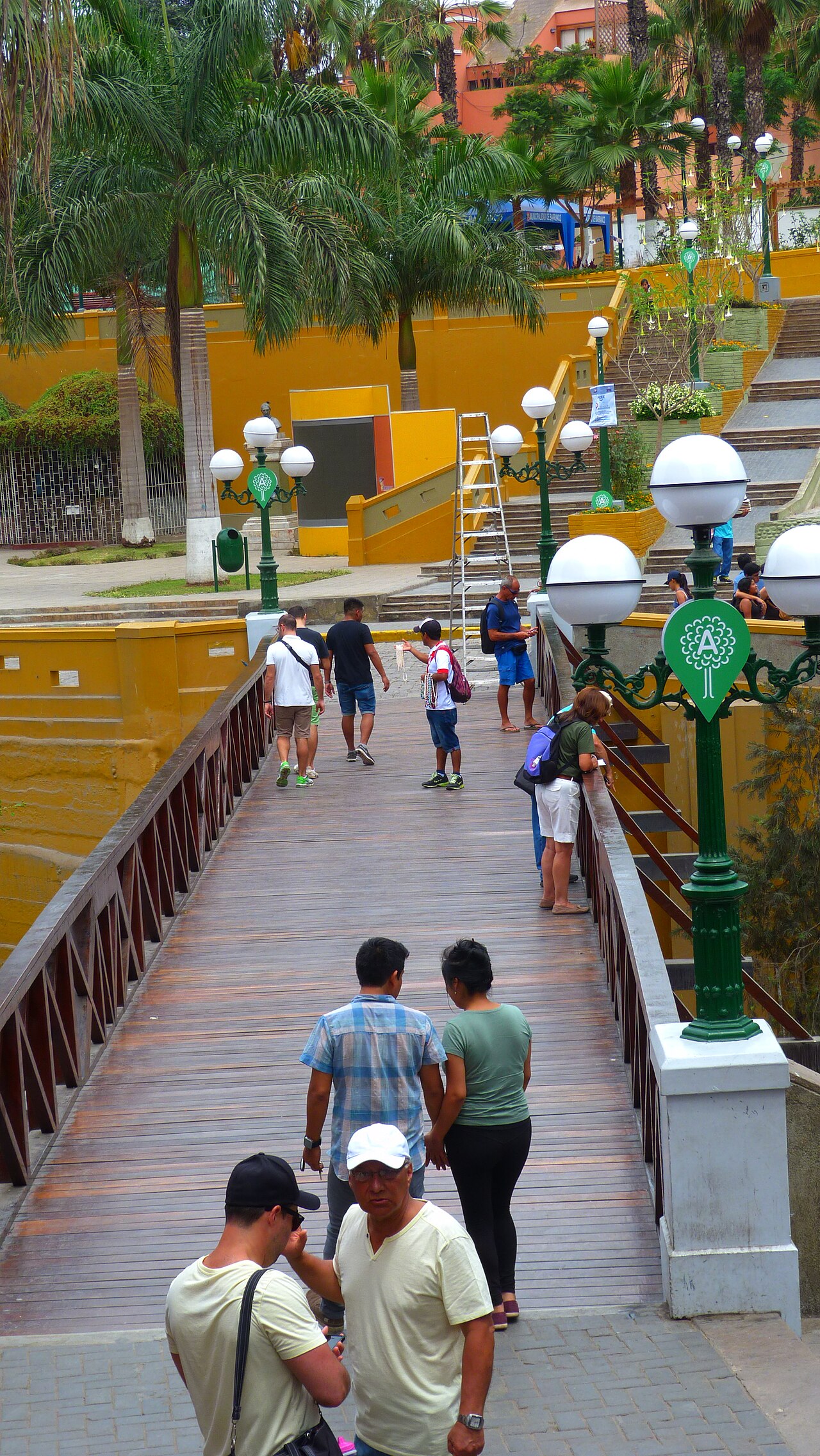
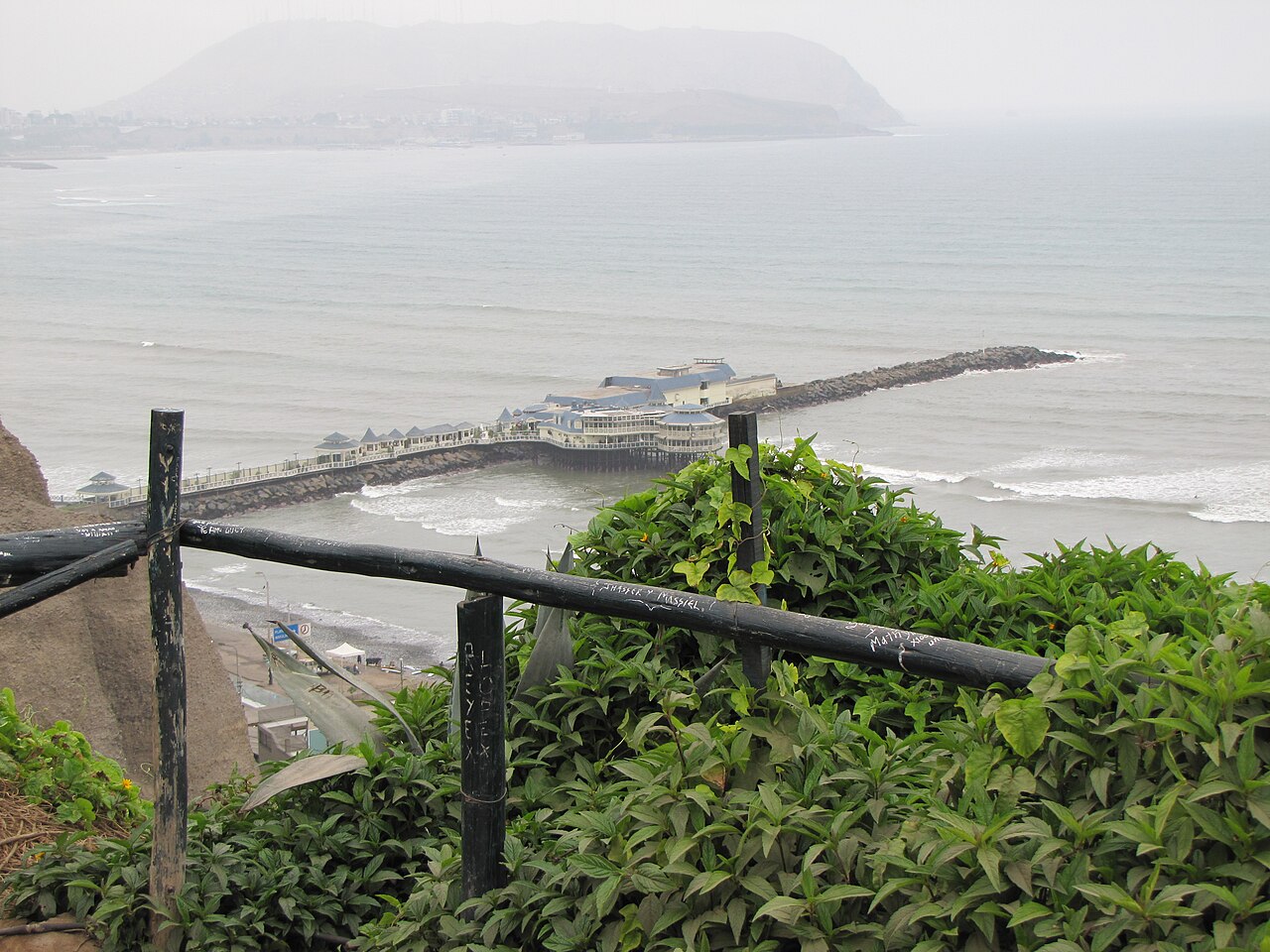
Miraflores offers the widest range, from casual cevicherias to polished tasting-menu restaurants, with plenty of choice along the cliff and around Parque Kennedy. Barranco is the place for evening dining and cocktail bars, often in restored mansions. The historic centre has traditional lunch spots, and San Isidro has some of the city's formal restaurants. Book ahead for popular tasting menus, especially at weekends.
Eating safely
Lima's restaurants are used to visitors, and most travellers eat well without problems. Choose busy places with a quick turnover, particularly for raw fish, avoid tap water and ice in simple stalls and carry hand sanitiser for street food. If you have a sensitive stomach, start with cooked dishes for the first day or two, and keep to bottled water.
Plan around the sights
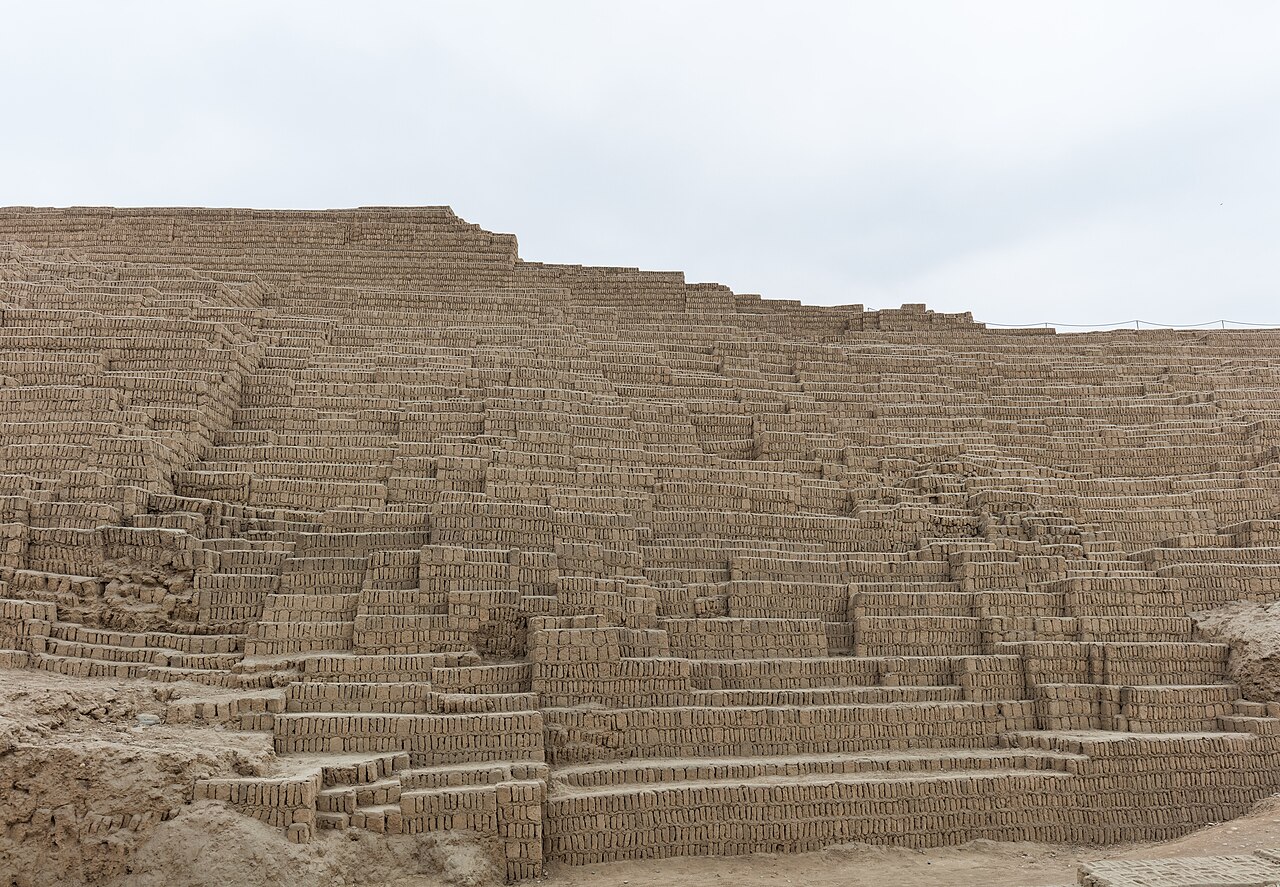
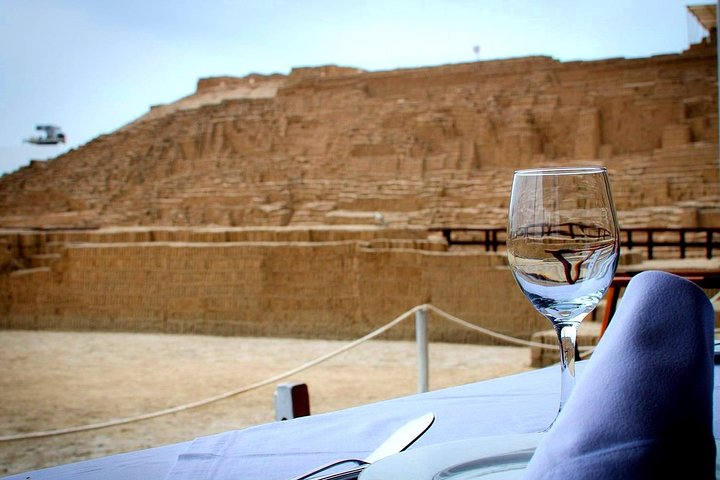
Combine meals with what you are seeing. Have ceviche for lunch after the Larco Museum or Huaca Pucllana, where the site restaurant offers dinner with a view of the pyramid, and keep dinner in Barranco for the evening. If you are taking a long day trip, such as Paracas, eat a good breakfast and bring snacks, because lunch on the road can be simple. A pisco sour on the Malecon at sunset is a fine way to end any day.
Markets and street food
For a taste of everyday Lima, visit a neighbourhood market such as the one in Surquillo, where stalls sell tropical fruit, fresh fish, spices and ready-to-eat snacks. Arrive in the morning when stock is freshest, go with a guide or a friend if your Spanish is limited and try anything cooked in front of you. Street desserts and freshly pressed juices are a good place to start, and a morning market stroll pairs naturally with a cooking class.