Portugal
Lisbon
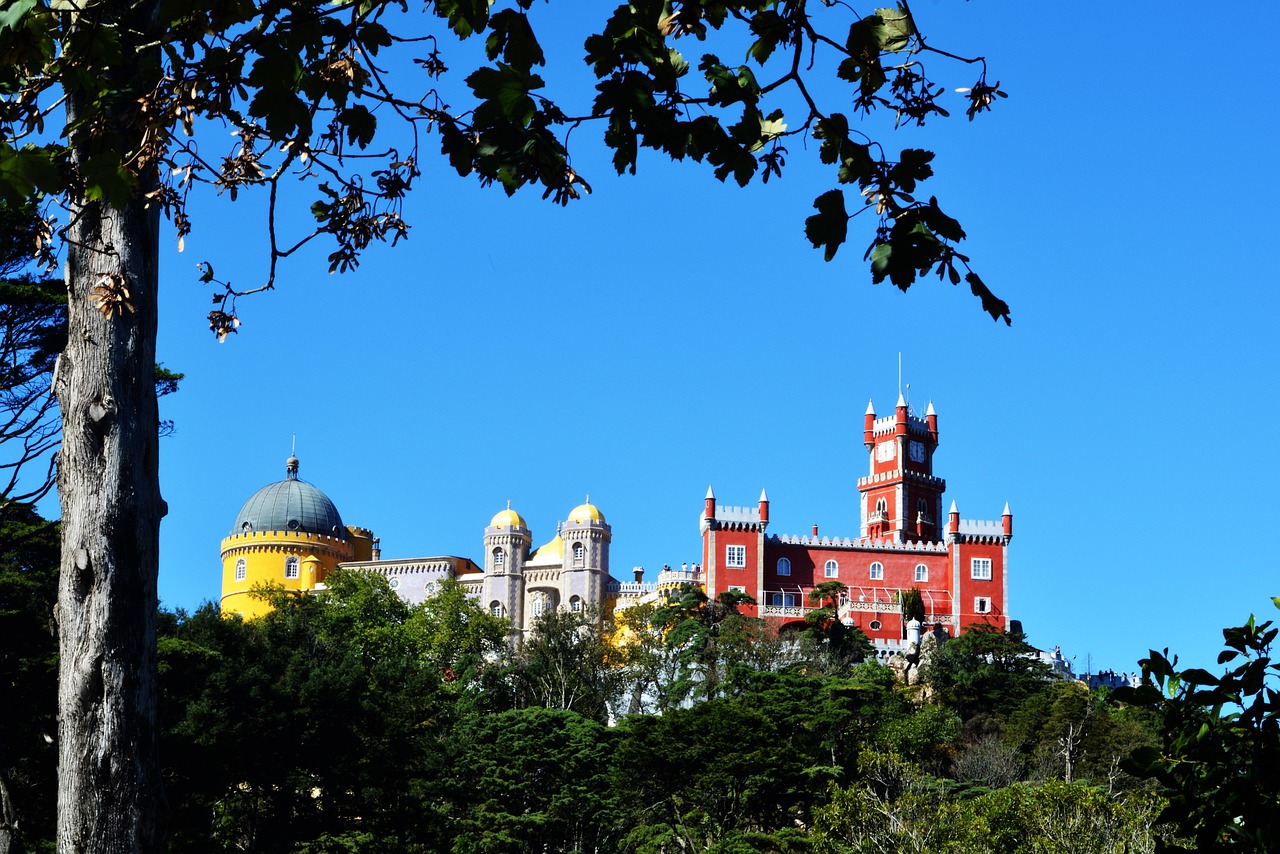
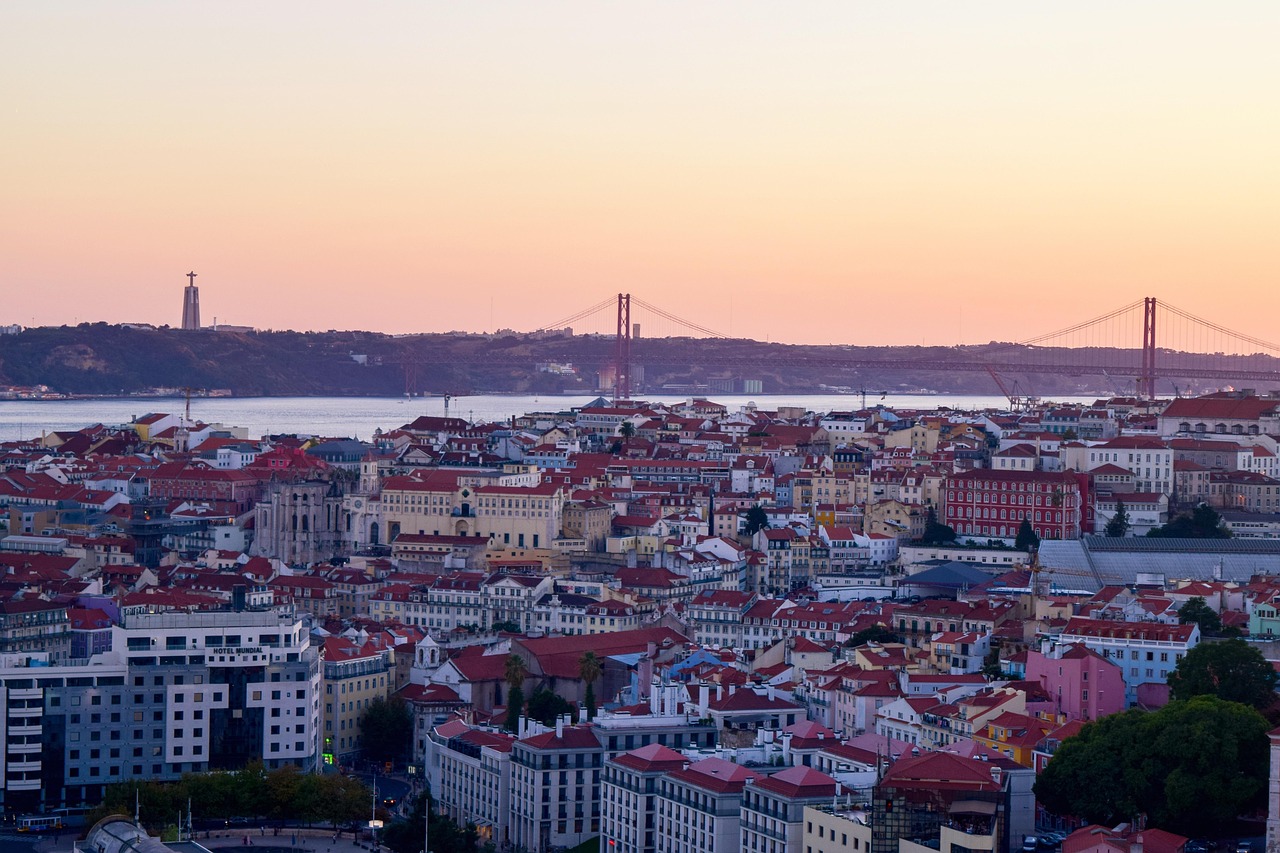
Lisbon is the European capital that still feels like a discovery: a city of tiled facades and laundry lines, of yellow trams grinding up impossible hills, of fado drifting out of Alfama doorways and custard tarts still warm from the oven. It was the launch pad of the Age of Discoveries, and Belém still wears that fortune in stone — the Manueline lacework of the Jerónimos Monastery, where Vasco da Gama lies, and the little fortress of Belém Tower, freshly restored and reopened in 2026. Up top, São Jorge Castle watches over a medieval maze the great earthquake of 1755 spared, while the grid of the Baixa below is the rational city Pombal rebuilt from the rubble. This guide books Lisbon properly — timed cloister slots at Jerónimos, the castle at opening, Pena Palace with the right entry time, tram 28 without the crush, and the honest truth about which historic funiculars and lifts are still closed — and pairs it with miradouro sunsets, the Time Out Market, a fado night, and the original pastéis de Belém. Then it matches you to the right hotel, from the Four Seasons Ritz and a pousada on Praça do Comércio to boutique Alfama and a palace hostel by the best viewpoint in town, because in a city of seven hills, where you sleep decides how many of them you climb.
43 booking options
Hotels
Where to Stay
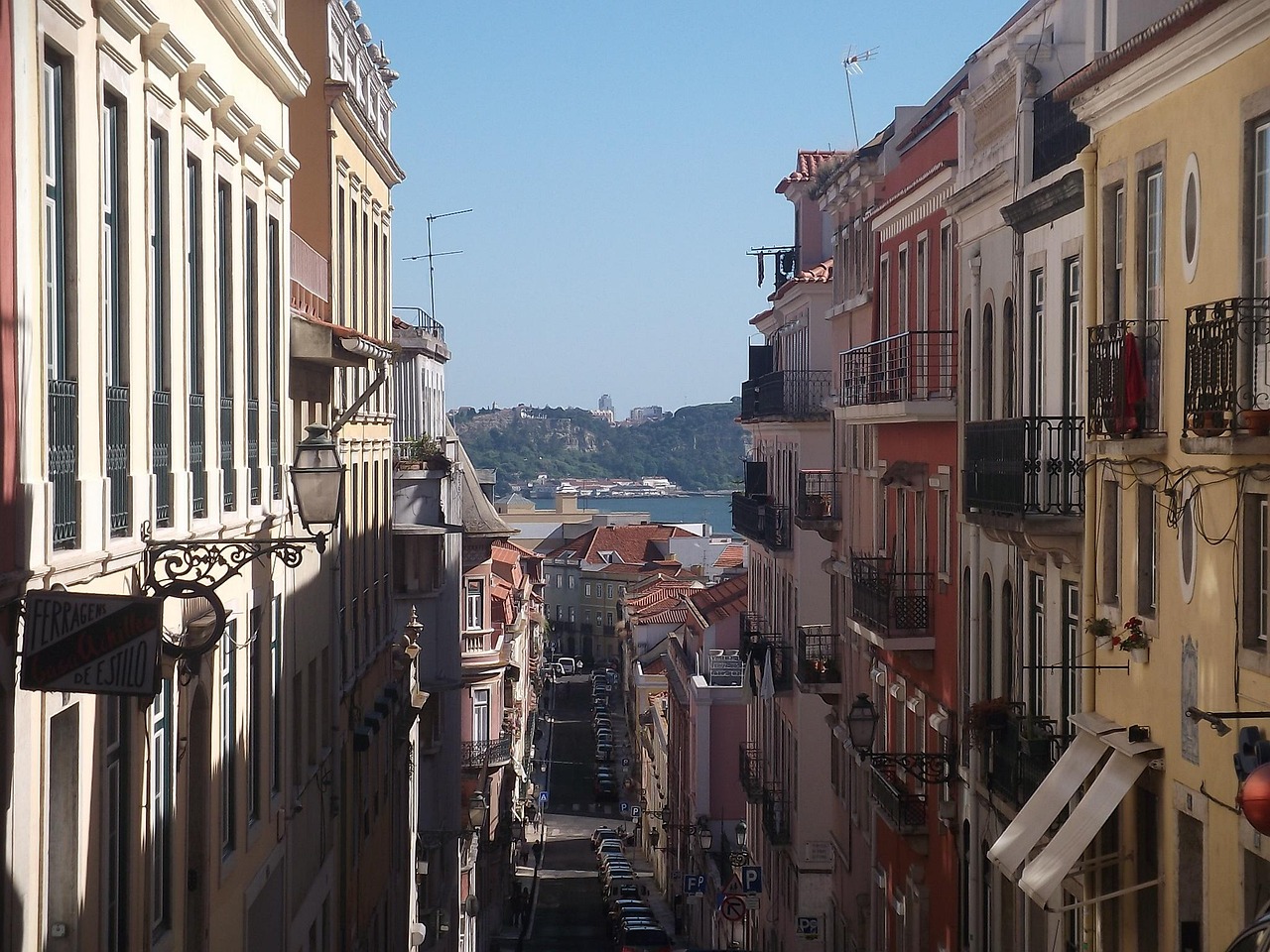
Bairro Alto Hotel
Chiado / Bairro Alto
The Chiado's grande dame on Praça Luís de Camões — an eighteenth-century building reimagined by architect Eduardo Souto de Moura, with elegant rooms, a rooftop terrace and restaurant over the river, and the best of Chiado and Bairro Alto on the doorstep.
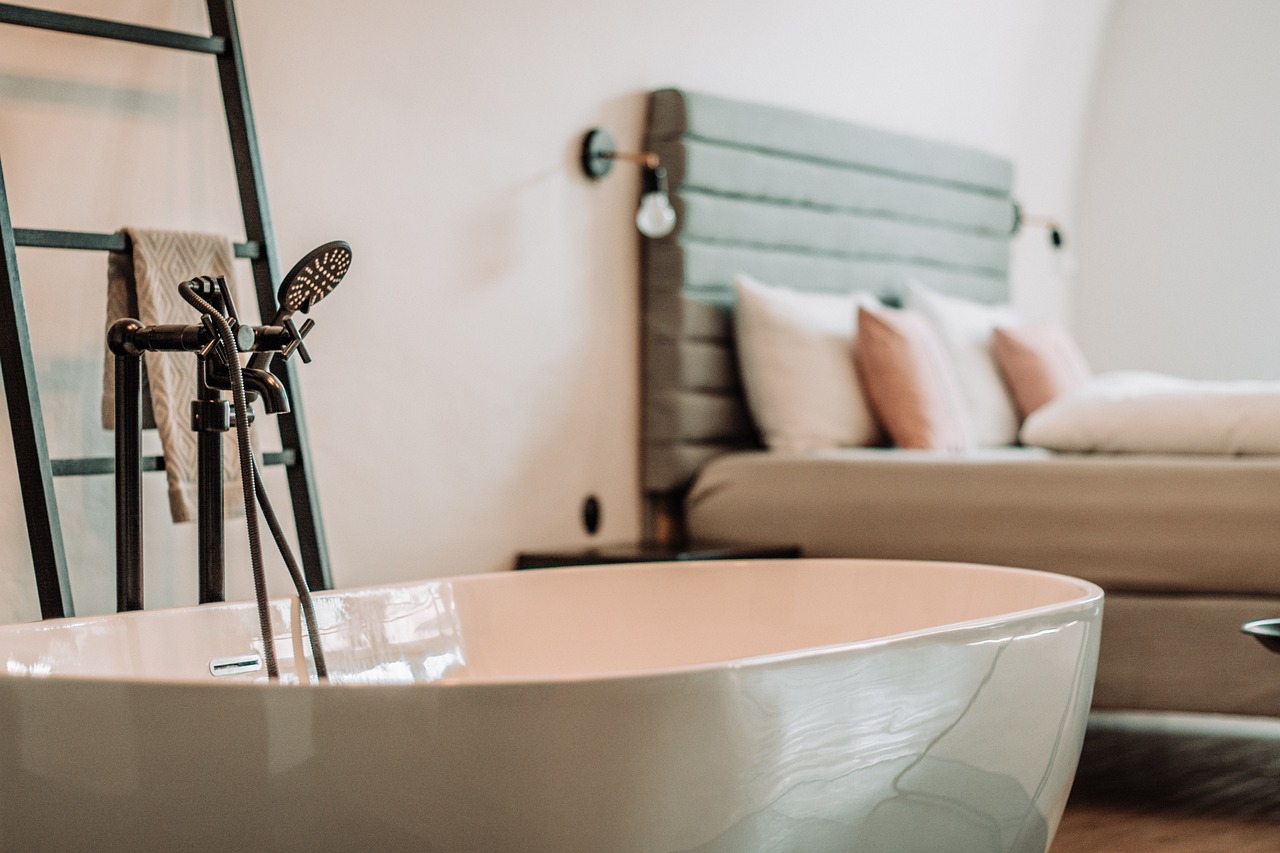
Four Seasons Hotel Ritz Lisbon
Avenida da Liberdade / Eduardo VII Park
Lisbon's grand modernist landmark above Eduardo VII Park — mid-century Portuguese art in every corridor, spacious rooms with terraces over the city and the river, an award-winning spa, and a famous weekend brunch at Varanda.
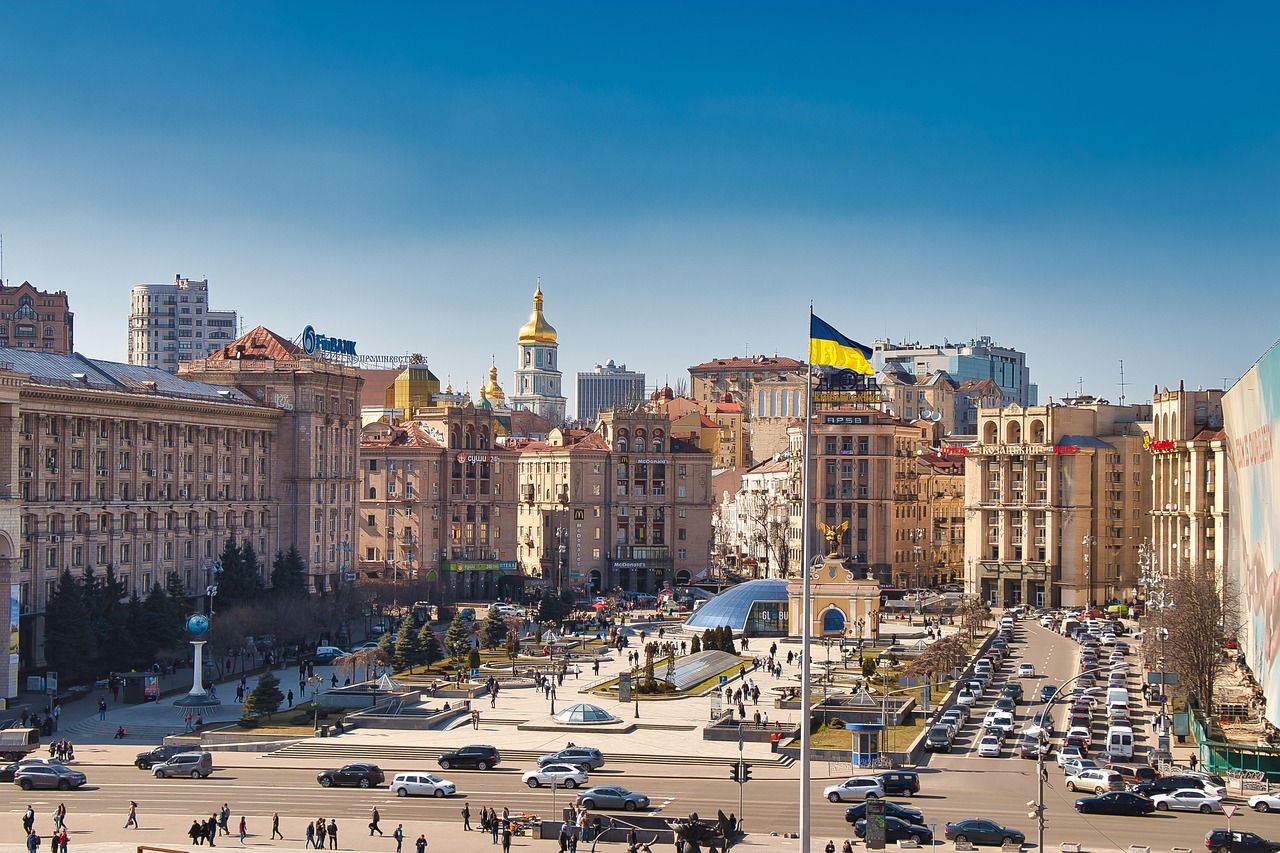
Pousada de Lisboa Praca do Comercio
Baixa / Praça do Comércio
A five-star monument hotel in a former ministry on Praça do Comércio — ninety rooms with historic art lent by the Lisbon Museum, a gilded Great Hall, a heated indoor pool, and the river and the Baixa right outside the door.
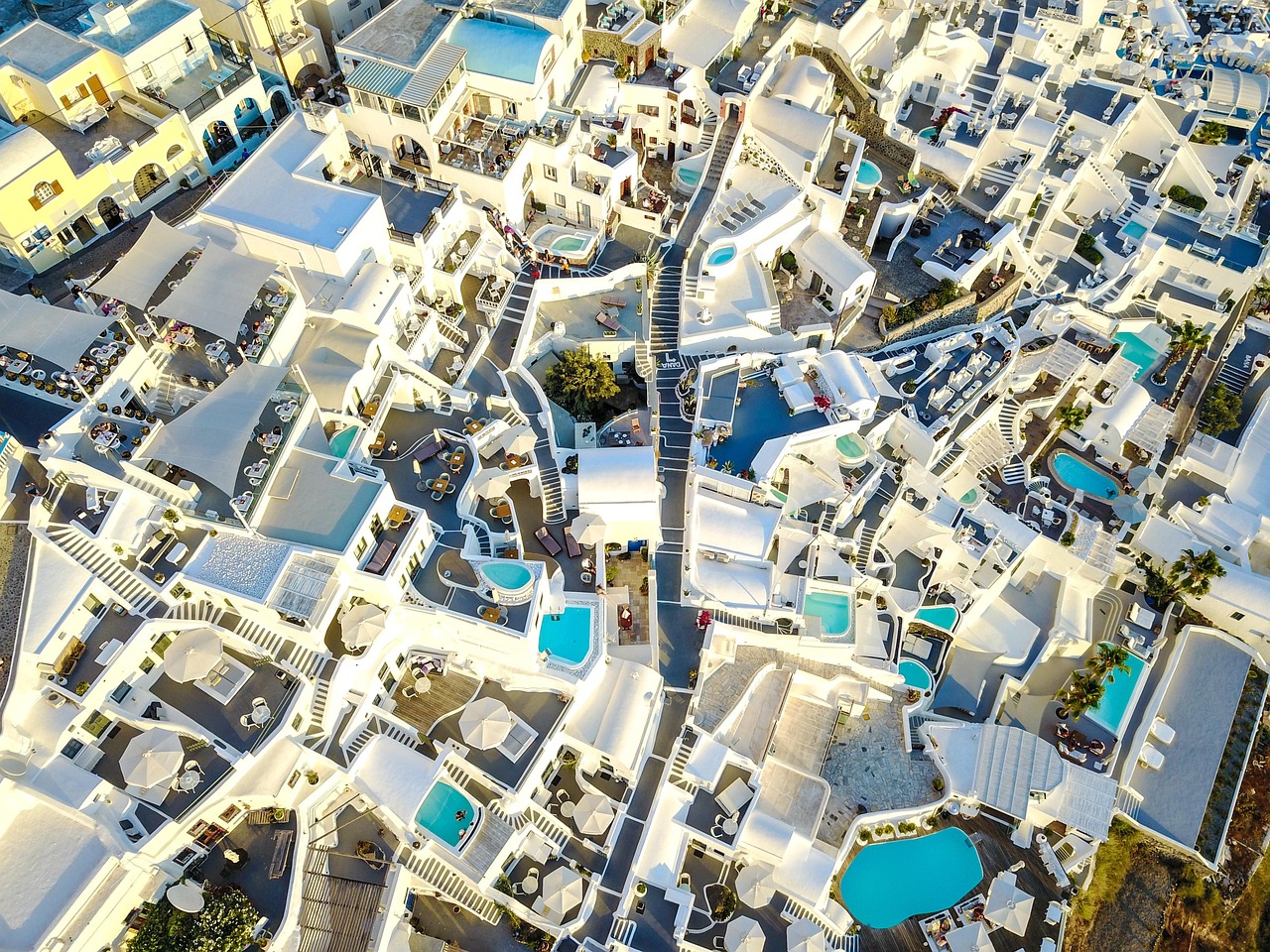
Memmo Alfama
Alfama
A design-led boutique hotel tucked into the lanes of Alfama — white minimalist rooms, a wine bar and terrace with panoramic views over the rooftops and the Tagus, and the cathedral and castle a short stroll away.
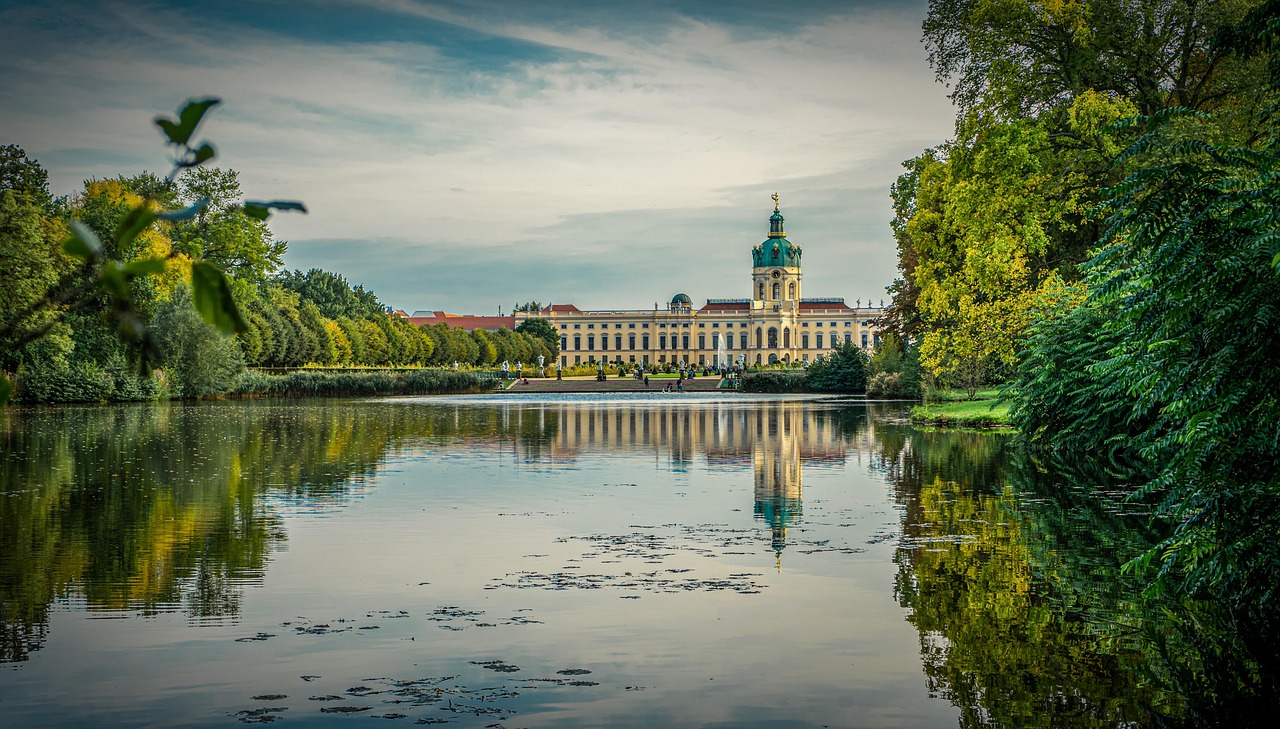
Pestana Palace Lisboa Hotel and National Monument
Alcântara / Western Lisbon
A palace hotel and national monument in western Lisbon — opulent salons, a lush subtropical garden, indoor and outdoor pools, and the Valle-Flôr restaurant, halfway between the centre and Belém.
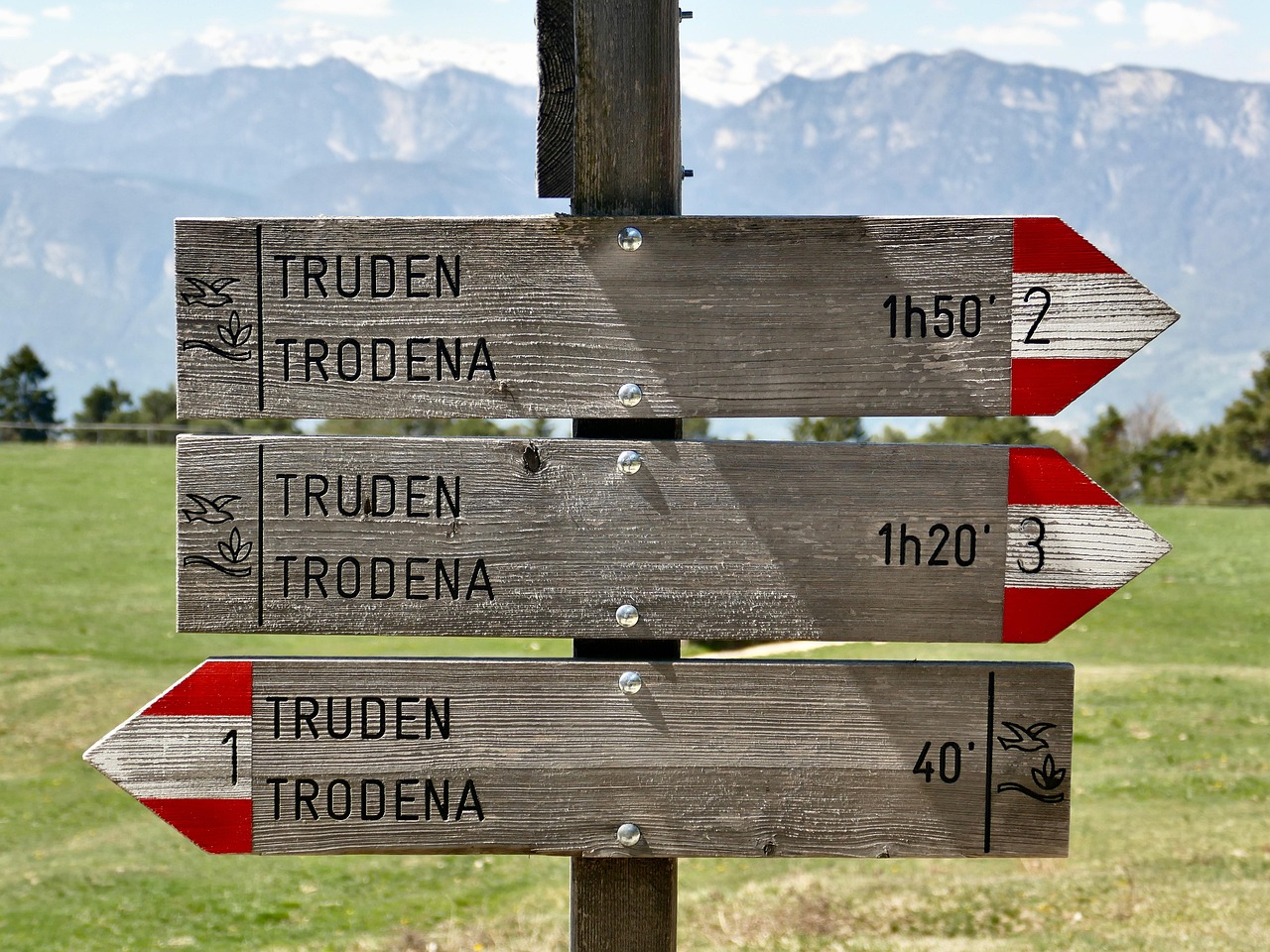
The Lumiares Hotel and Spa
Bairro Alto
Apartment-style luxury in the Bairro Alto — light-filled studios and suites with full kitchens, a rooftop bar with city views, and an intimate spa, a member of Small Luxury Hotels of the World.

Independente Principe Real
Príncipe Real / Bairro Alto
The stylish budget pick — dorms and private suites in two late-nineteenth-century palaces right beside the São Pedro de Alcântara viewpoint, with two restaurants, terraces open to the public, and Bairro Alto and Príncipe Real outside.

Martinhal Lisbon Chiado
Chiado / Bairro Alto
The family hotel that works in the middle of a city — spacious studios and apartments with kitchenettes and bunk beds, a supervised kids club and a garden bar, in a restored nineteenth-century building between Chiado and Bairro Alto.
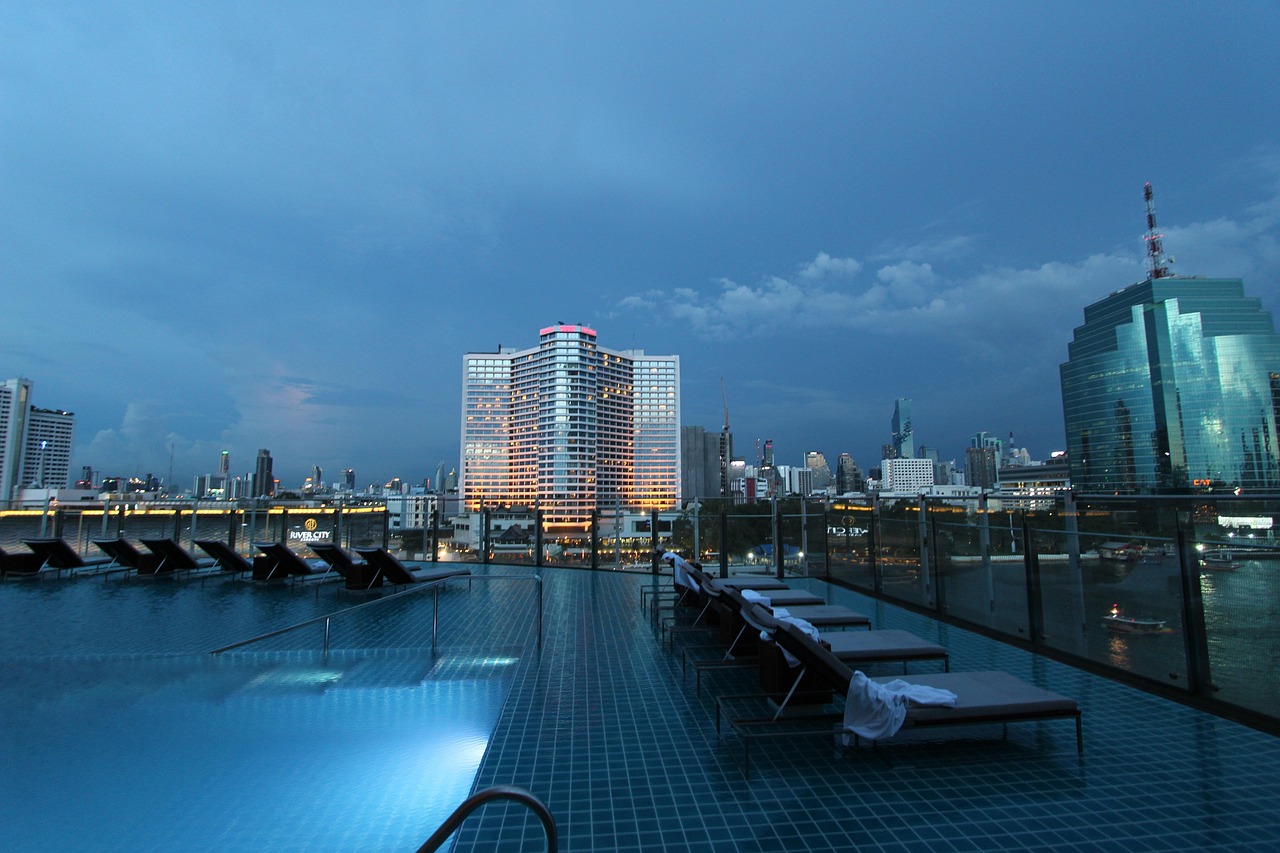
Corinthia Lisbon
Sete Rios / Praça de Espanha
A big, polished five-star tower near the Sete Rios transport hub, with more than five hundred rooms, a huge spa with an indoor heated pool, several restaurants and a sky lounge — a dependable choice for families and anyone who wants resort-style facilities in the city.
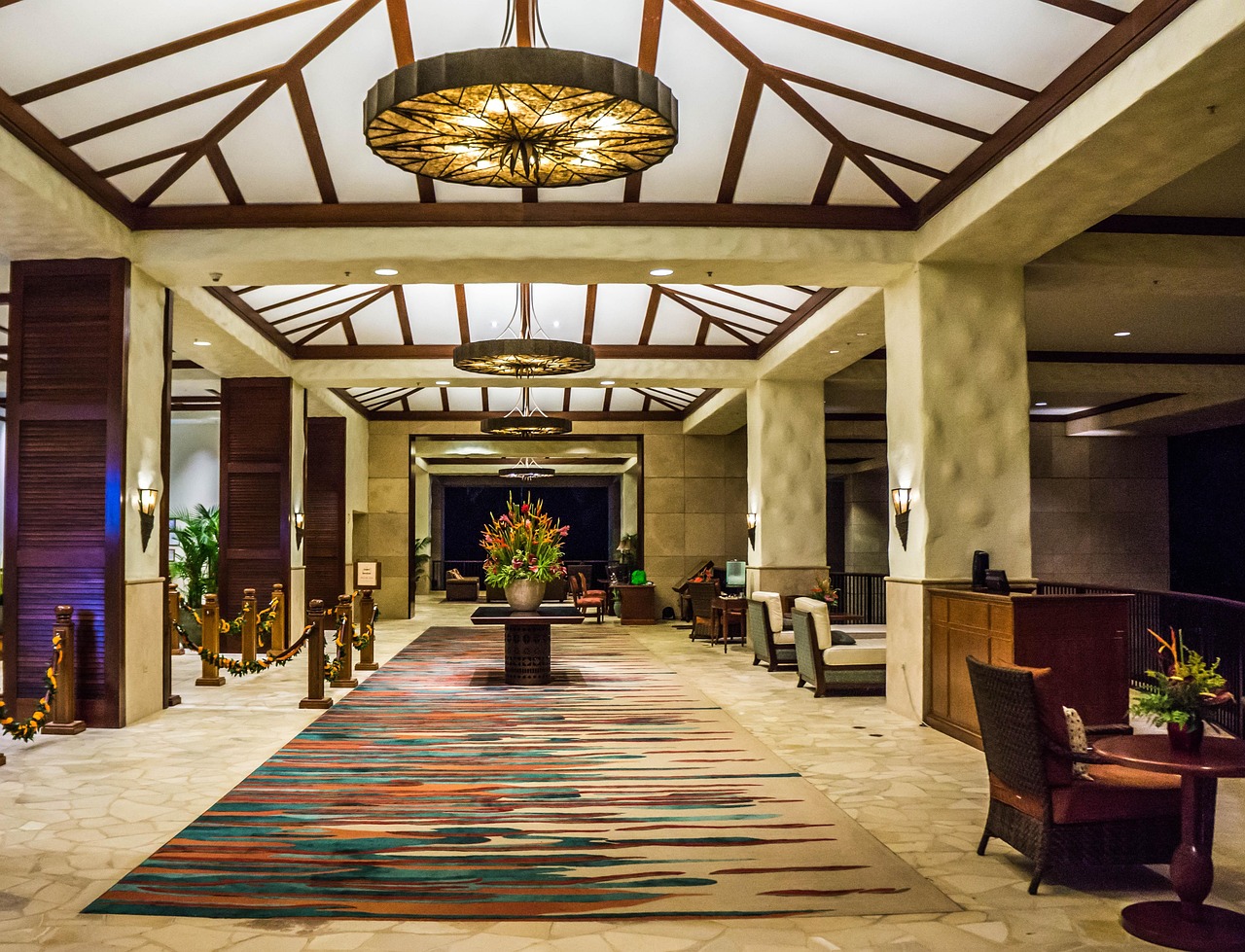
Hotel Avenida Palace
Restauradores / Rossio
Lisbon's grand old Belle Époque hotel on Praça dos Restauradores, beside Rossio station — chandeliers, marble and gilded salons, 82 classically furnished rooms and suites, and an unbeatable central location for walking everywhere in the old city.

Hotel Britania
Avenida da Liberdade
A small Art Deco gem by the modernist architect Cassiano Branco, on a quiet street just off Avenida da Liberdade — 33 generously sized rooms, original 1940s interiors restored with care, and the warm, personal service of the Lisbon Heritage Collection.
As Janelas Verdes
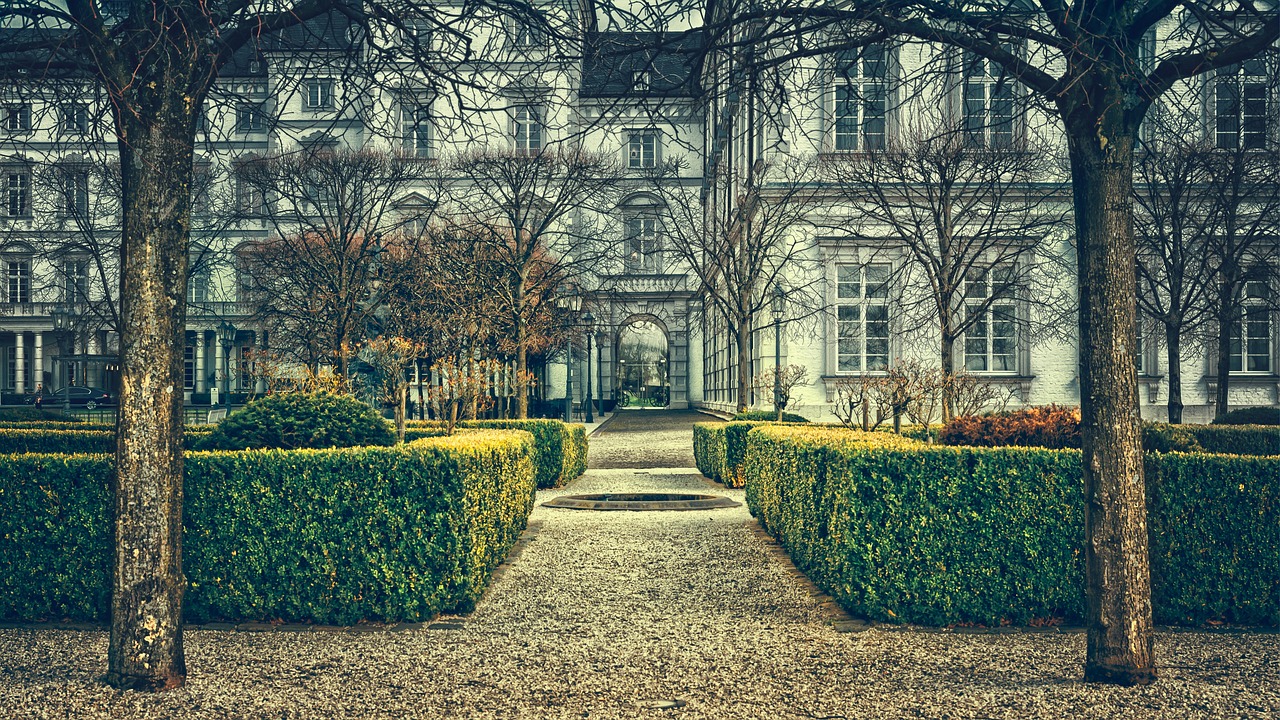
Lapa / Madragoa
An eighteenth-century townhouse beside the National Museum of Ancient Art in Lapa, with 29 cheerful rooms, a walled garden where breakfast is served in spring and summer, and a literary legend linking it to the novelist Eça de Queirós.
My Story Hotel Rossio
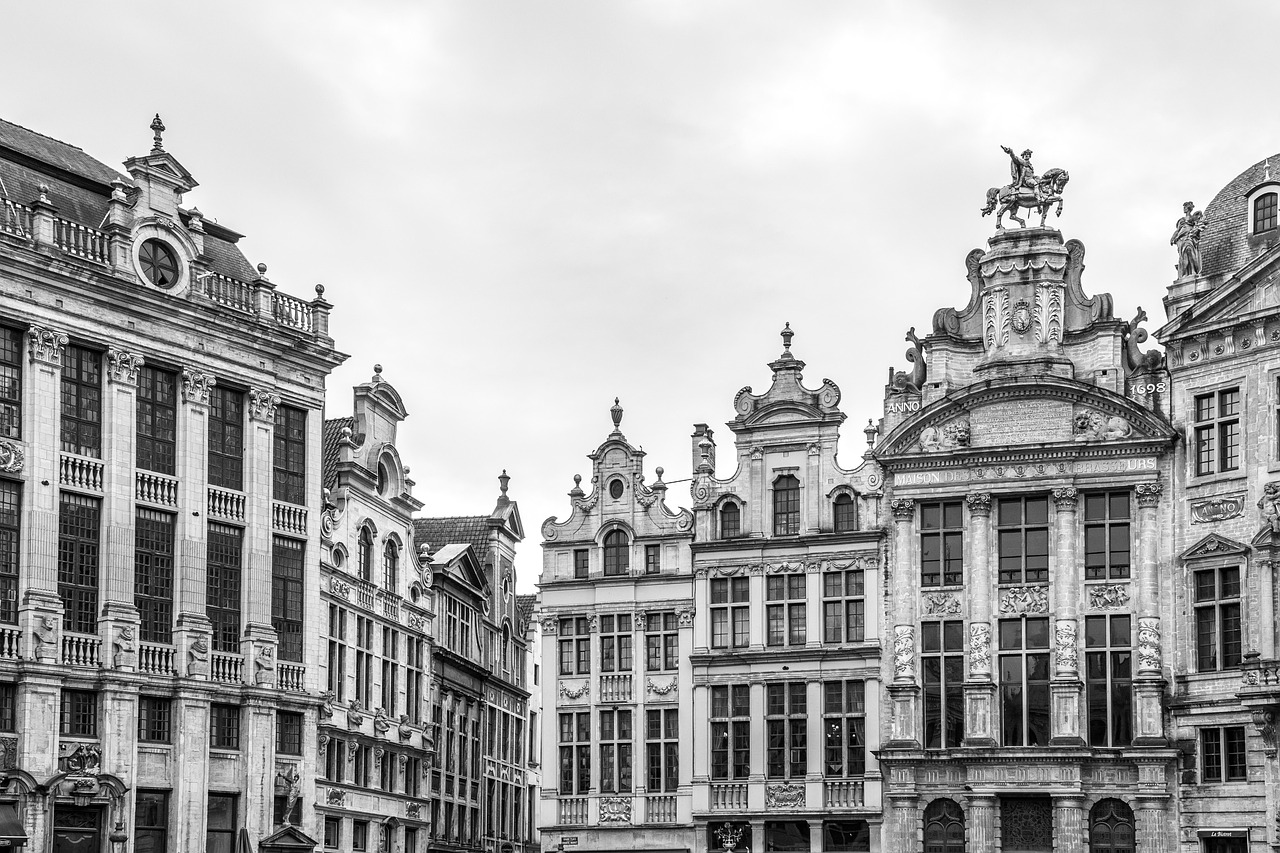
Rossio / Baixa
A bright, good-value three-star right on Rossio square — modern, compact rooms, many with views over the wavy pavements and fountains of the square, a restaurant and bar, and the Baixa, Chiado and Alfama all within walking distance.
Inspira Liberdade Boutique Hotel
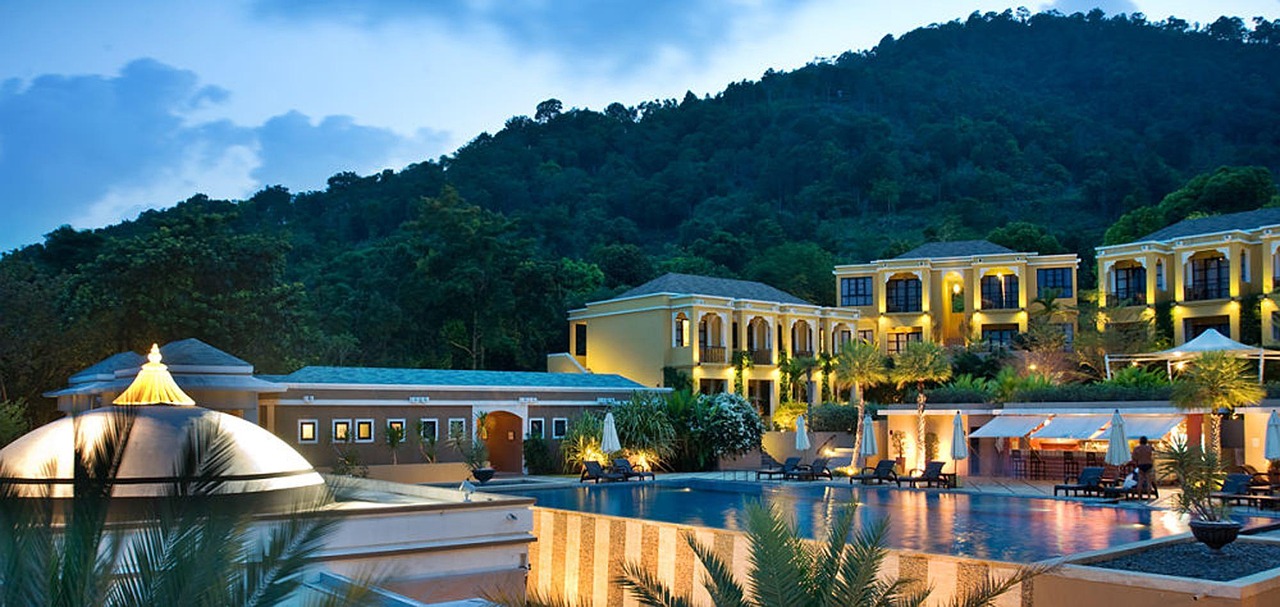
Santa Marta / Avenida da Liberdade
A calm, eco-minded four-star in the Santa Marta district just behind Avenida da Liberdade — 89 contemporary rooms, a wellness area with sauna and jacuzzi, a spa, and a Mediterranean show-kitchen restaurant with gluten-free certification and plenty of vegan options.

Home Lisbon Hostel
Baixa
The friendly, family-style budget favourite in the Baixa — dorms and private rooms in an old building steps from Rua Augusta, free walking tours, a guest kitchen and the famous home-cooked Mamma's Dinner that turns strangers into friends.
Attractions & Tours
What to Do
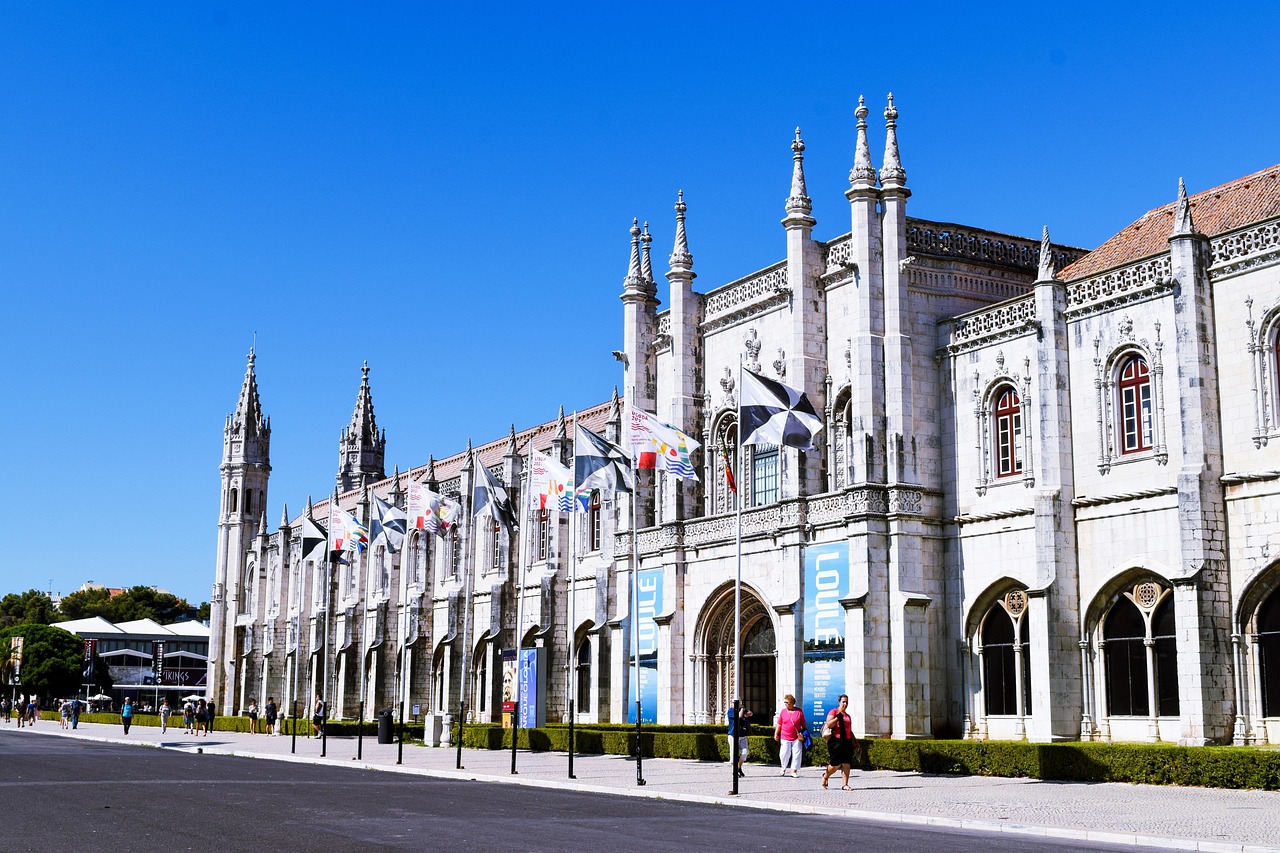
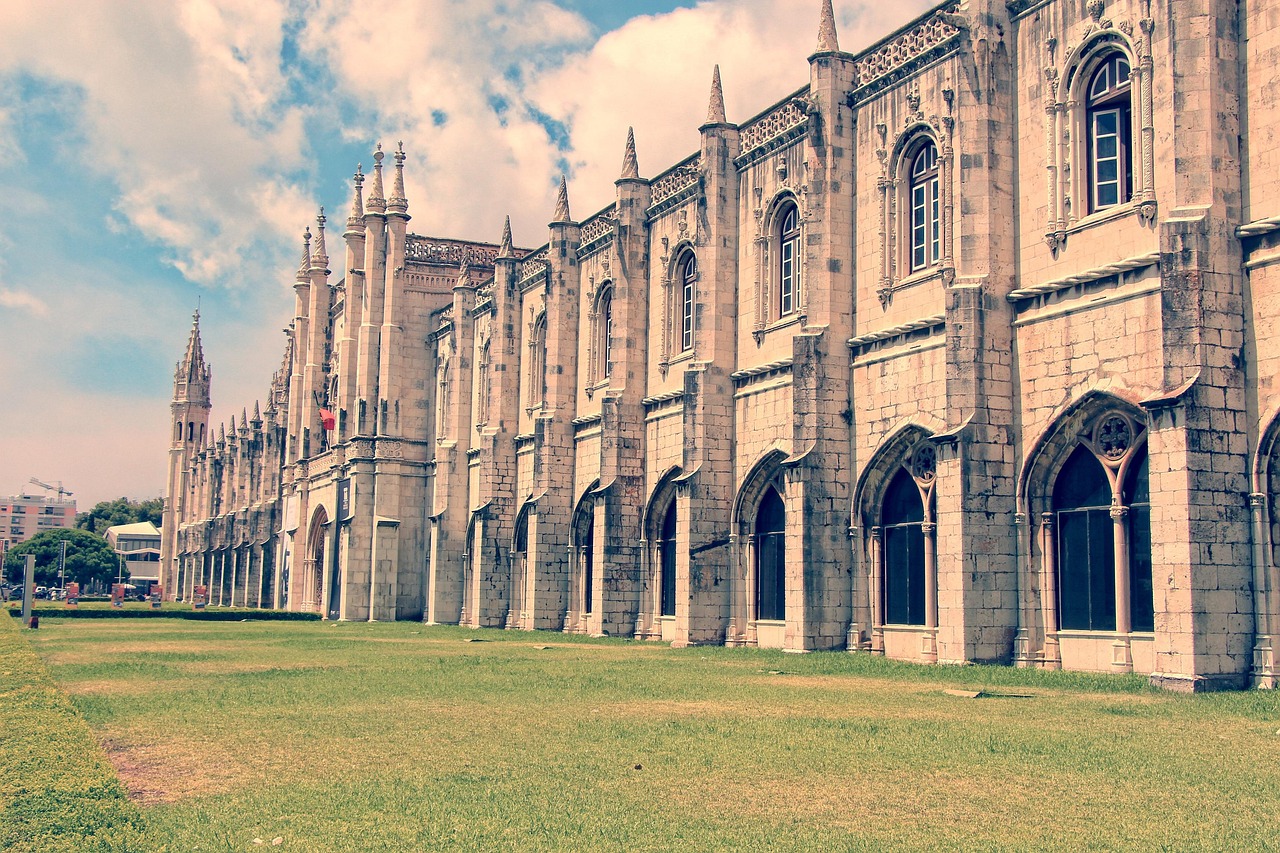
Jerónimos Monastery
The masterpiece of Portugal's golden age — a Manueline monastery of carved ropes, sea creatures and armillary spheres, built on spice-trade money, with Vasco da Gama's tomb in the church and one of Europe's most beautiful cloisters. Book a timed cloister slot and arrive early.
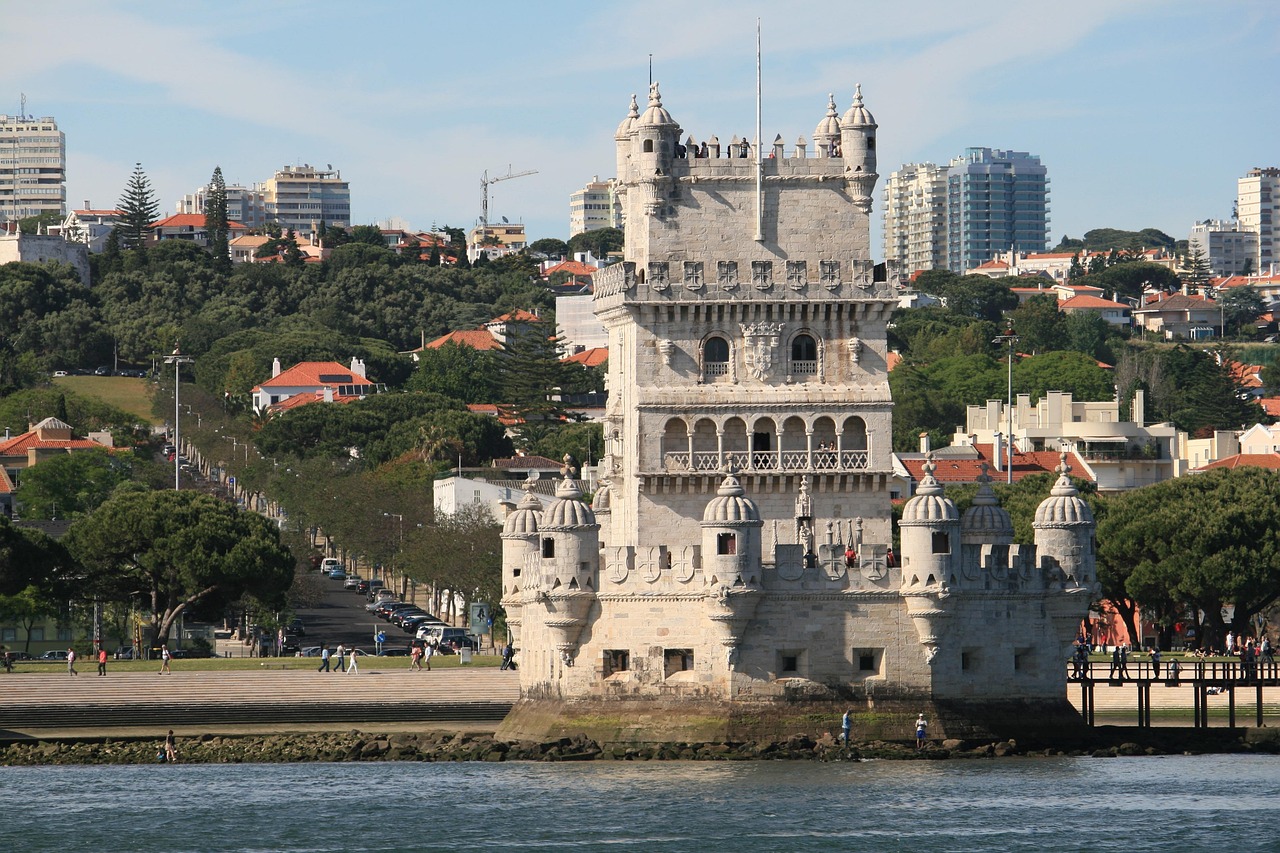
Belém Tower
The little Manueline fortress that guarded the mouth of the Tagus and waved the navigators off to sea — freshly restored and reopened in 2026, with a new timed-slot system that finally tames the old queues. Climb the narrow stair to the terrace for the river.
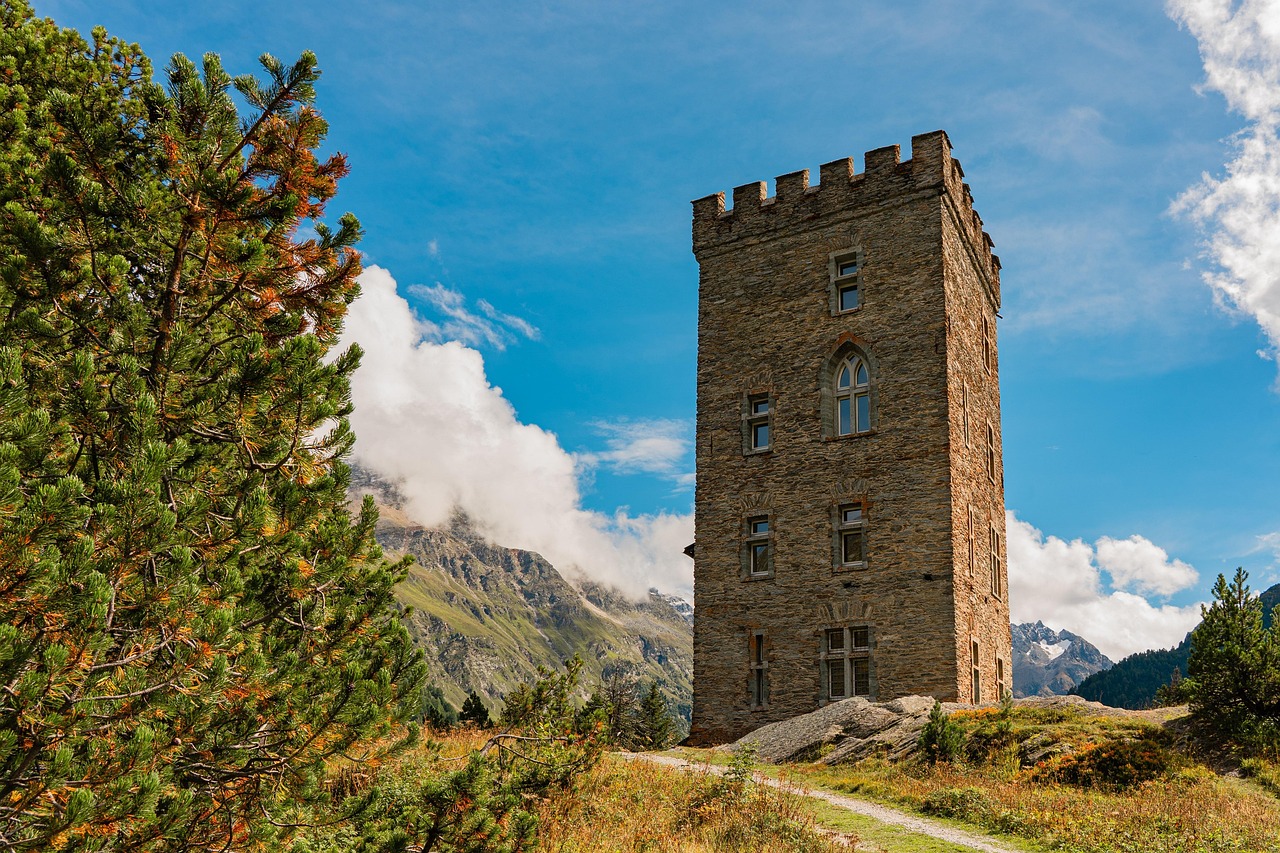
São Jorge Castle
The hilltop citadel where Lisbon began — Moorish walls and towers, pine-shaded terraces with peacocks, an archaeological site with Islamic-era houses, and the best panorama over the red roofs and the river. Go at opening, before the tour groups climb the hill.
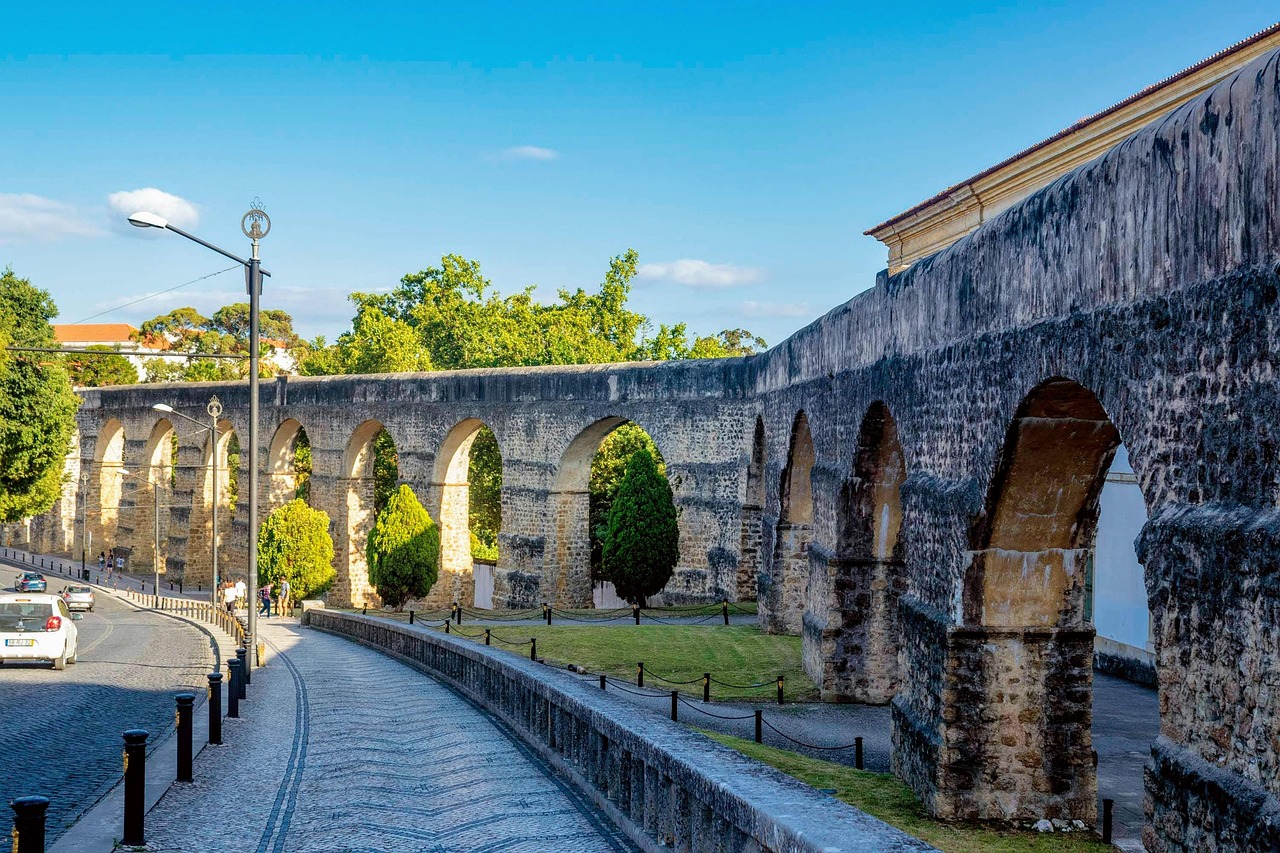
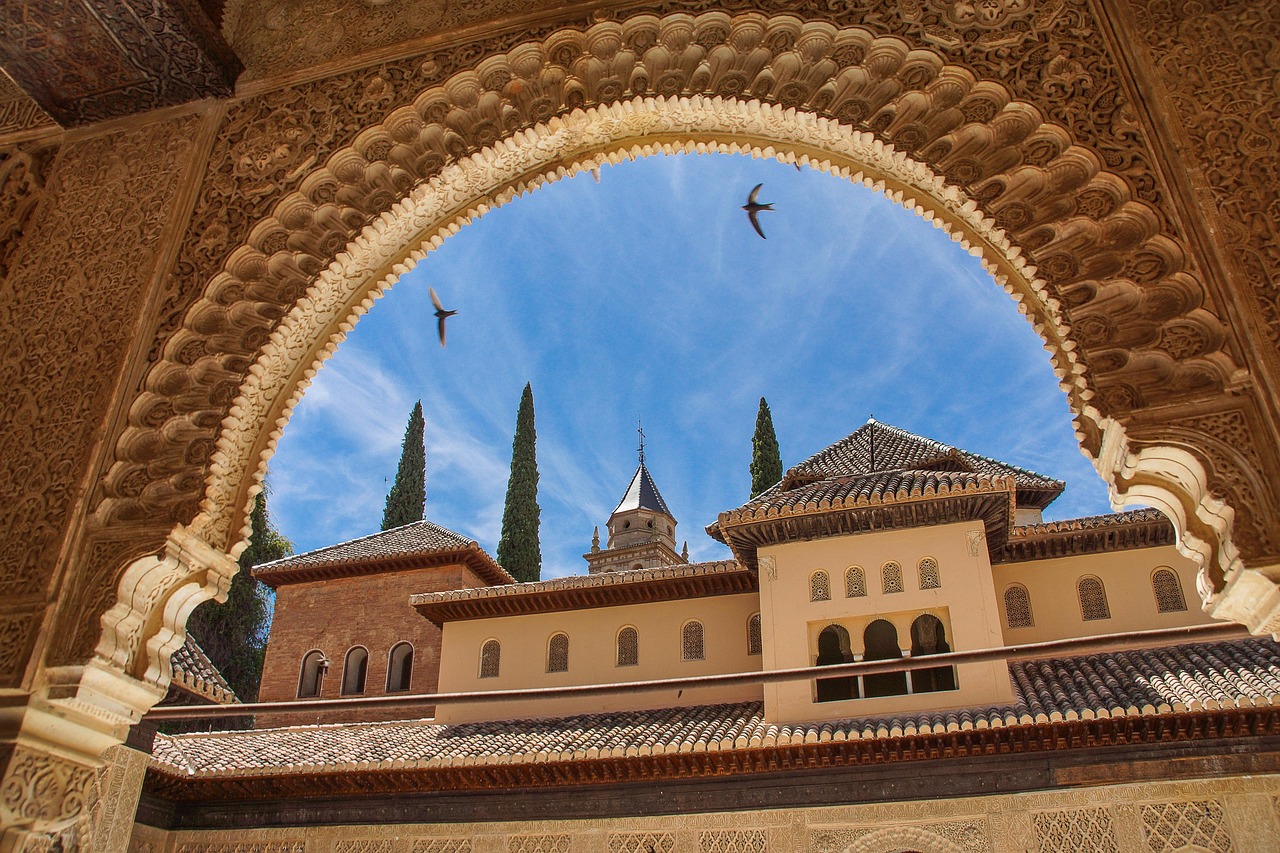
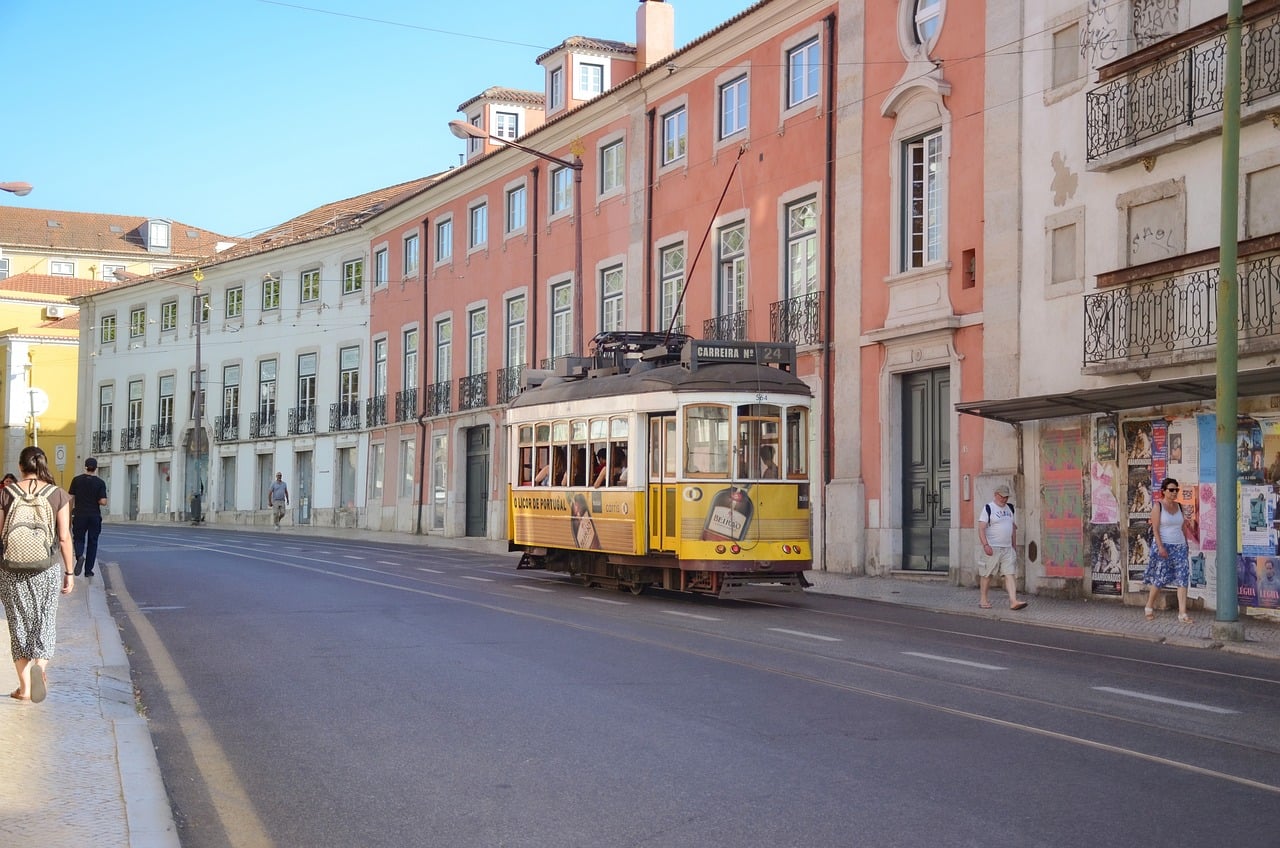
Tram 28 and the Lisboa Card
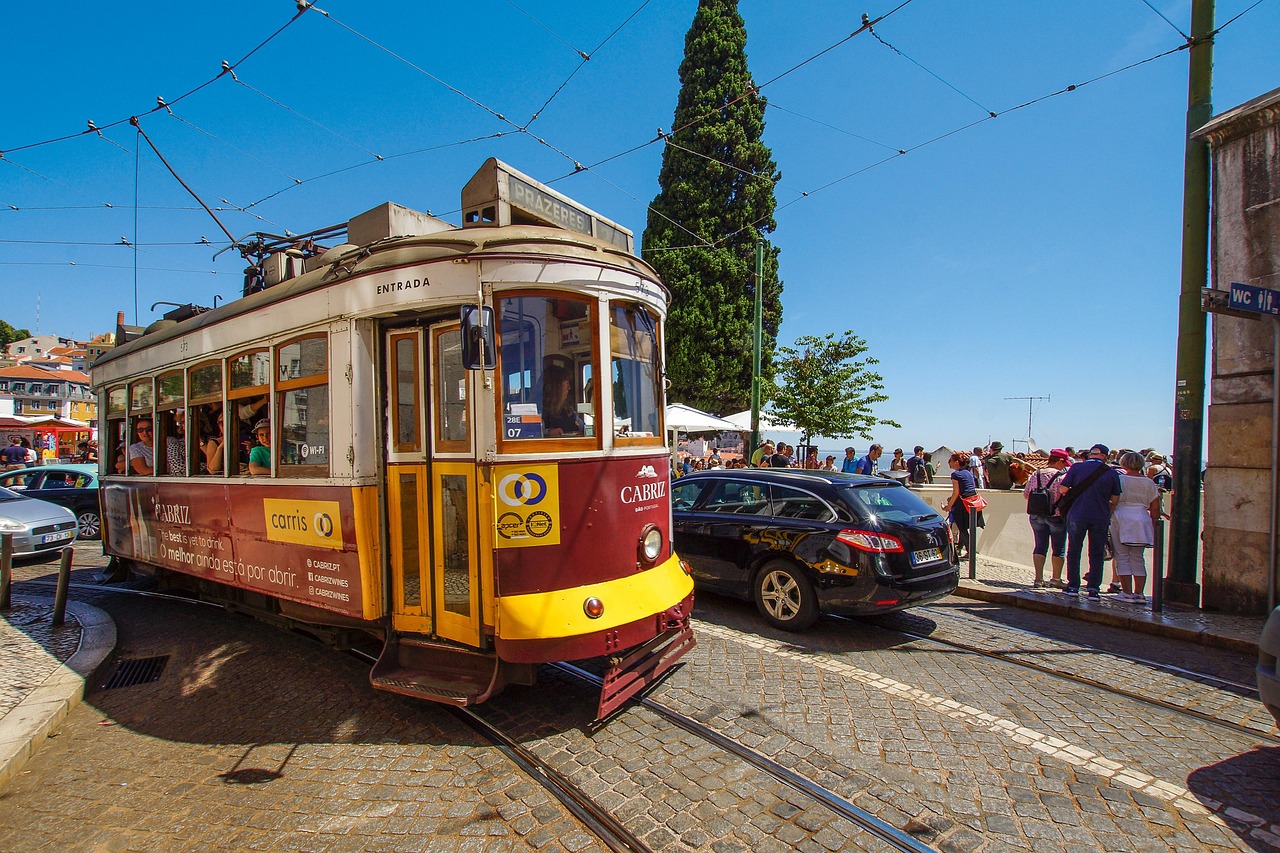
The yellow vintage tram that rattles up Lisbon's steepest lanes through Graça, Alfama, the Baixa, Chiado and Estrela — the city's most famous ride. Board at the ends, ride early, mind your pockets, and let a Lisboa Card cover the fare and dozens of sights.
Lisbon Cathedral (Sé de Lisboa)
Lisbon's fortress-like Romanesque cathedral, begun after the 1147 Christian conquest — twin crenellated towers, a great rose window, a treasury of gold and relics, and a cloister where excavations reveal Roman, Moorish and medieval Lisbon layer by layer.
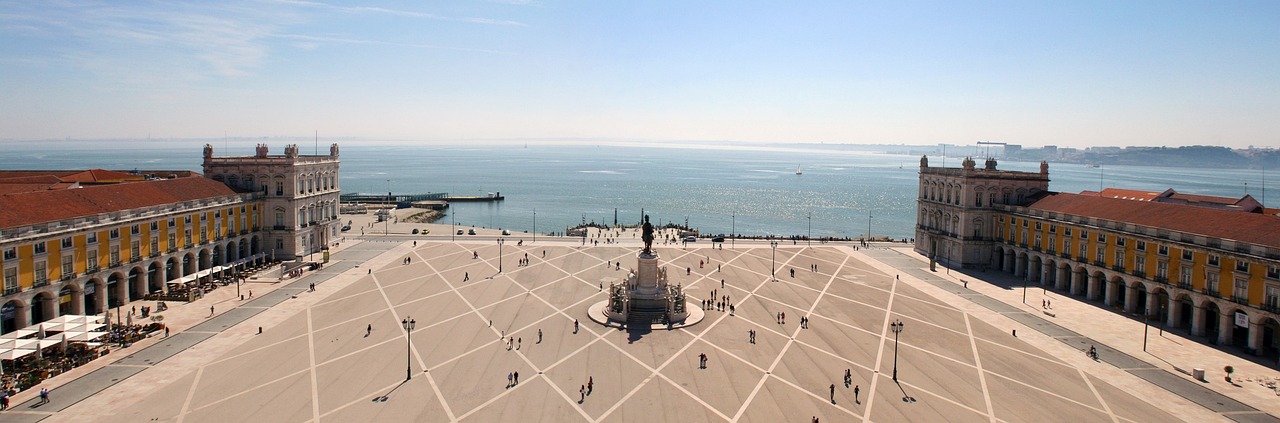
Praça do Comércio and the Rua Augusta Arch
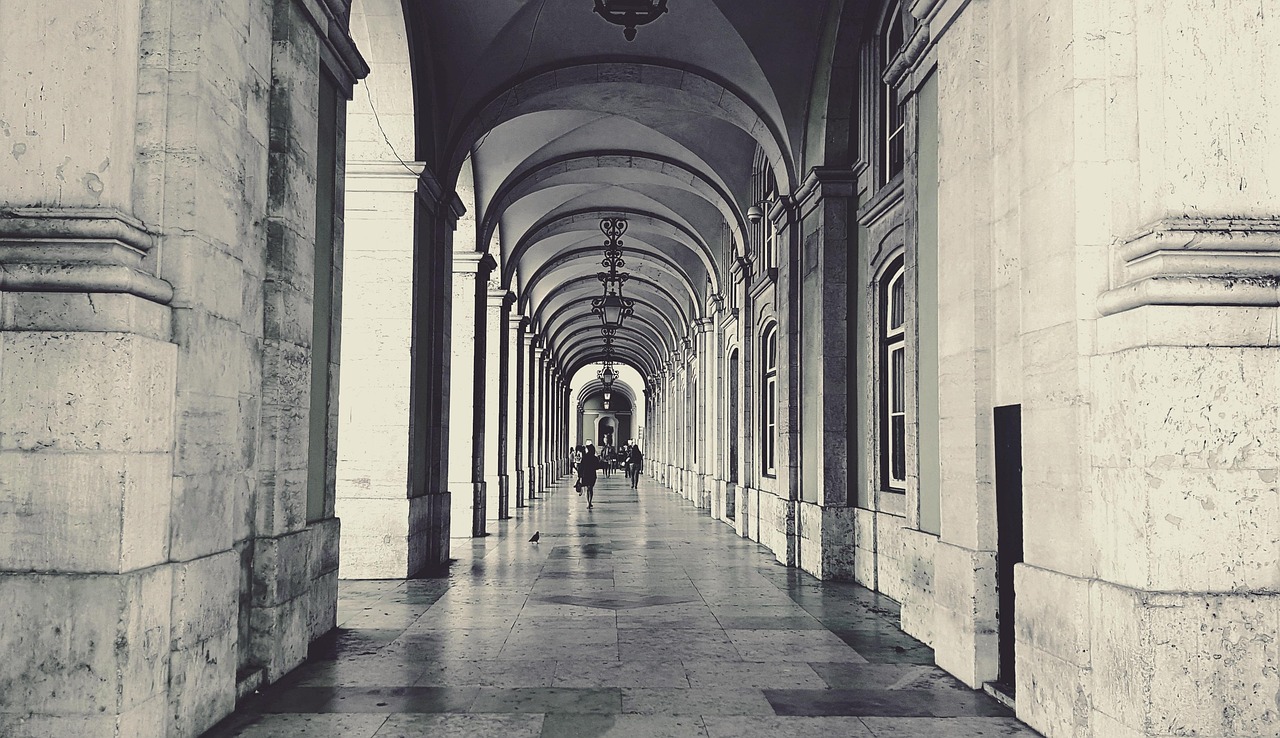
Lisbon's grand riverside square, rebuilt after the 1755 earthquake on the site of the vanished royal palace — yellow arcades, King José on horseback, the marble quay of Cais das Colunas, and the triumphal arch with a rooftop terrace over the Baixa.
Miradouro de São Pedro de Alcântara
The two-tier garden terrace at the edge of Bairro Alto with a front-row view across the Baixa to the castle — tiled map, kiosk drinks, sunset crowds — and the gateway to Bairro Alto nights and the boutiques and gardens of Príncipe Real.



Quinta da Regaleira
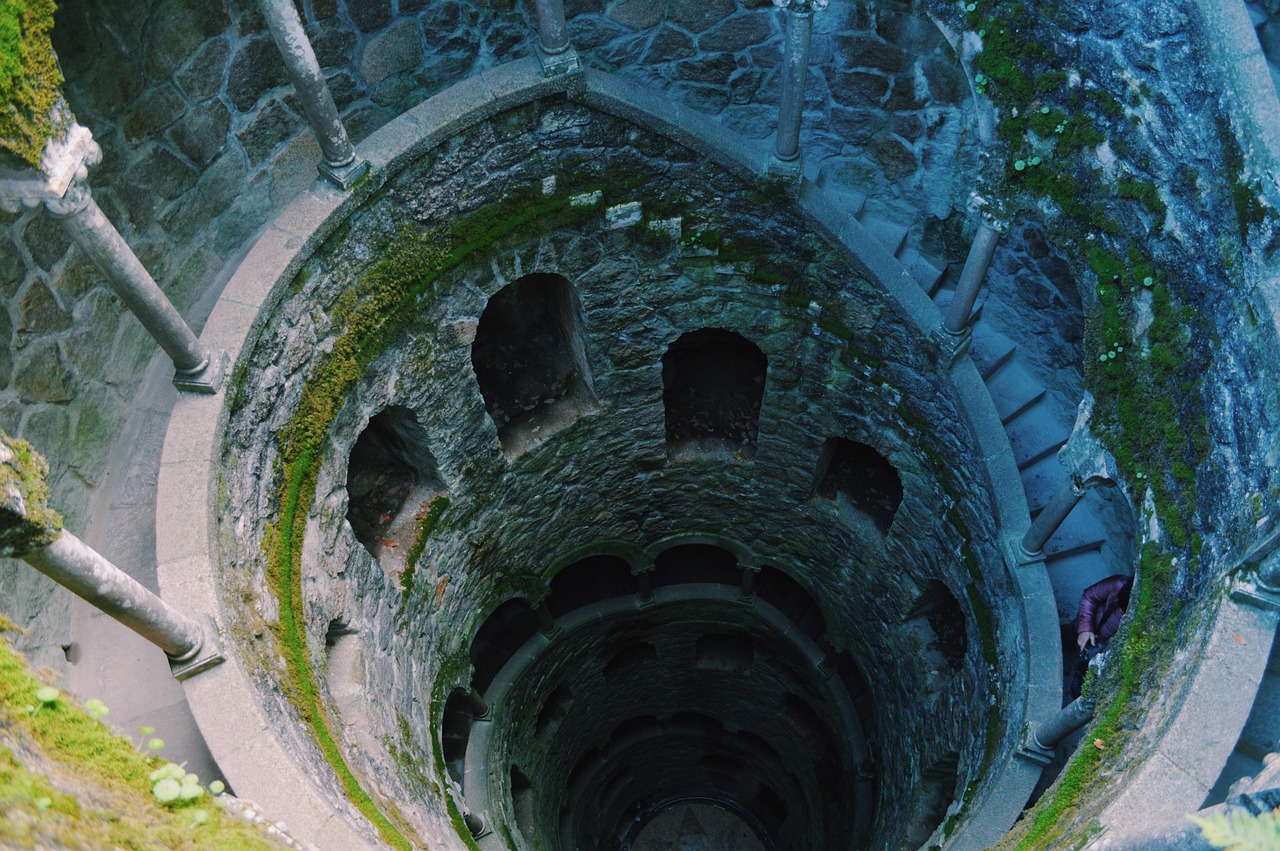
Sintra's most mysterious estate — a neo-Manueline palace, a chapel and a hillside garden full of grottoes, tunnels, towers and the famous Initiation Well, a spiral staircase that winds down into the rock. The easiest of the big Sintra sights to reach on foot from the town centre.
National Palace of Sintra
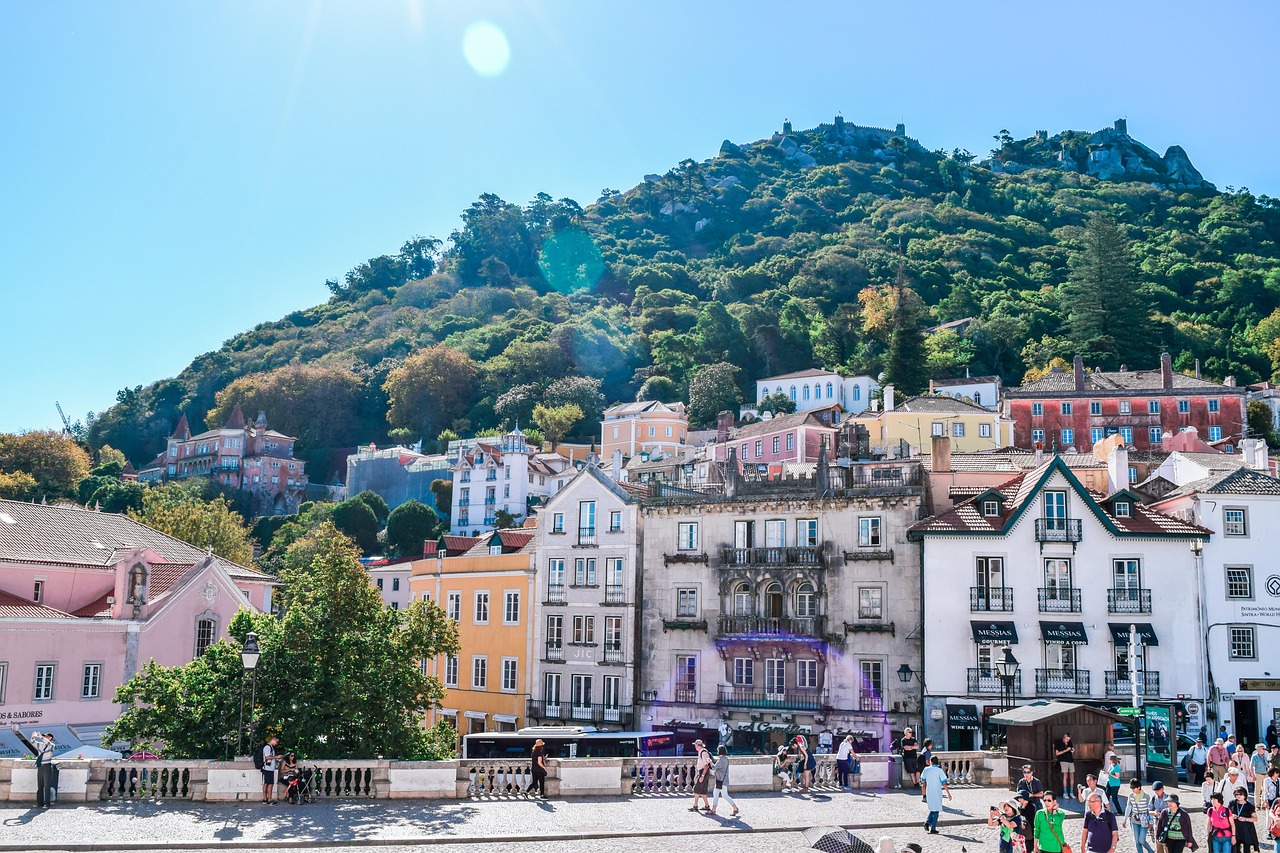
The palace with the giant white chimneys in the heart of Sintra town — Portugal's best-preserved medieval royal residence, used by kings for centuries, with painted ceilings of swans and magpies, a domed hall of noble coats of arms and some of the oldest tiles in the country.
National Tile Museum (Museu Nacional do Azulejo)
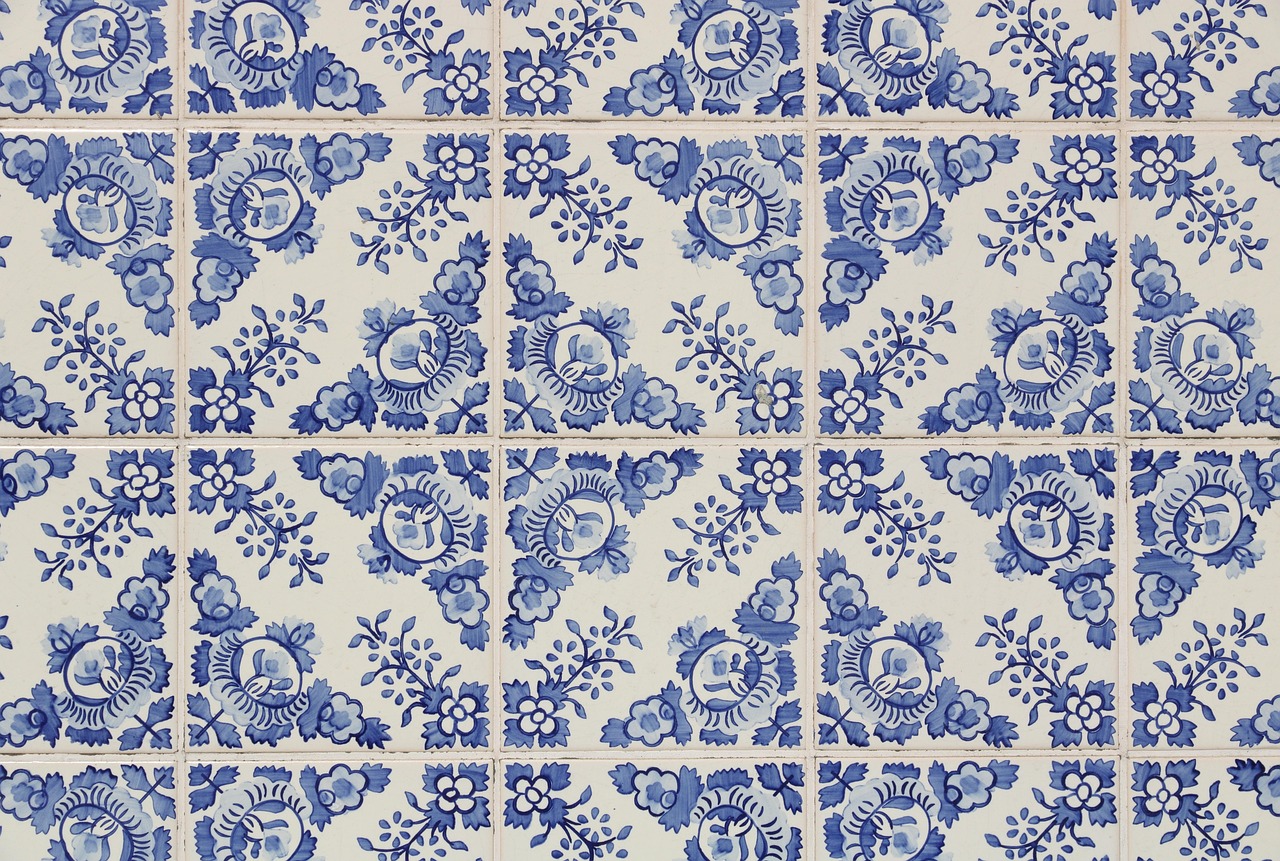
Five centuries of Portuguese azulejos in a sixteenth-century convent — from Moorish geometric tiles to a vast blue-and-white panorama of Lisbon before the earthquake, plus one of the most dazzling gilded churches in the city. The best way to understand the tiles you see on every Lisbon street.
Padrão dos Descobrimentos (Monument to the Discoveries)
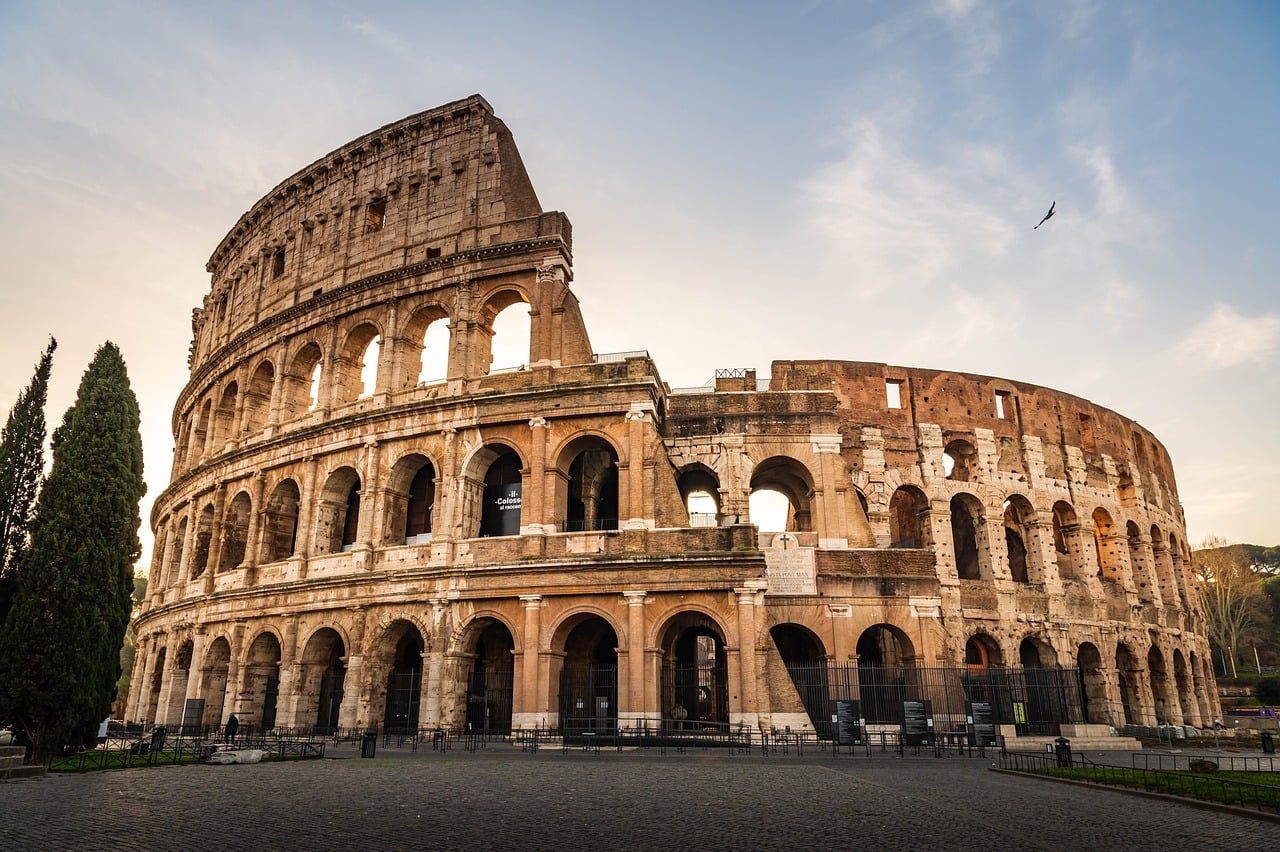
The giant stone caravel prow on the Belém waterfront, led by Henry the Navigator and crowded with the explorers, kings and chroniclers of Portugal's sea voyages — with a rooftop viewpoint over the Tagus, Jerónimos and the 25 de Abril bridge, and a vast marble map of the world at its feet.

National Coach Museum (Museu Nacional dos Coches)
One of the finest collections of royal and ceremonial carriages in the world — gilded Baroque state coaches, sedan chairs, children's carriages and royal landaus from three centuries — in Belém, a short walk from Jerónimos. Surprisingly gripping, even if you think carriages are not your thing.
Calouste Gulbenkian Museum and Garden
Lisbon's finest art collection, freshly reopened in July 2026 after a major renovation — Egyptian, Islamic and Asian treasures, European paintings and the largest Lalique collection outside France, in a mid-century modern building set in a free, wooded garden.
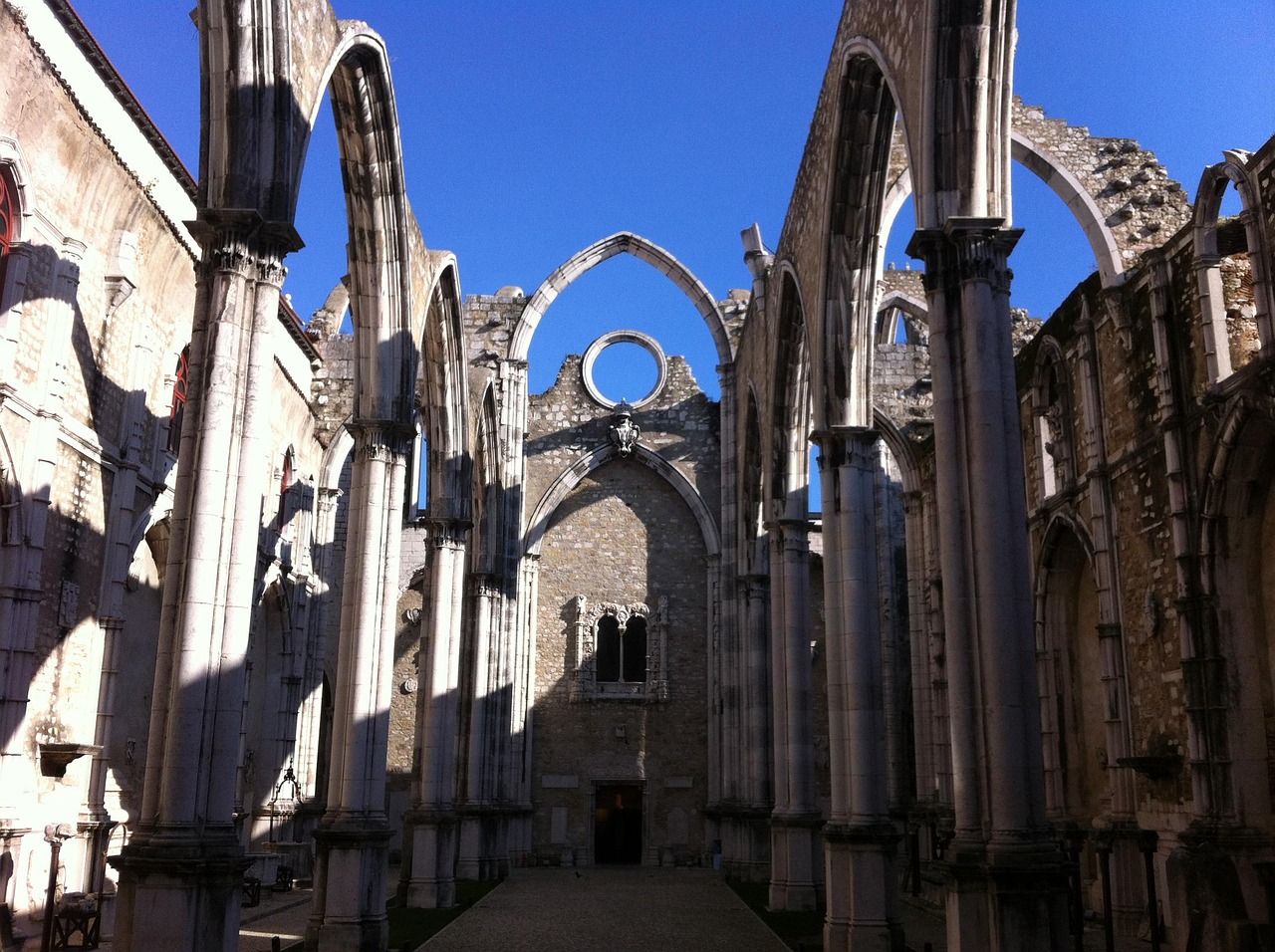
Carmo Convent and Archaeological Museum
The roofless Gothic church that the 1755 earthquake left open to the sky, its stone arches framing nothing but clouds — now a small archaeological museum with tombs, carvings and Peruvian mummies, on one of the prettiest squares in Chiado.
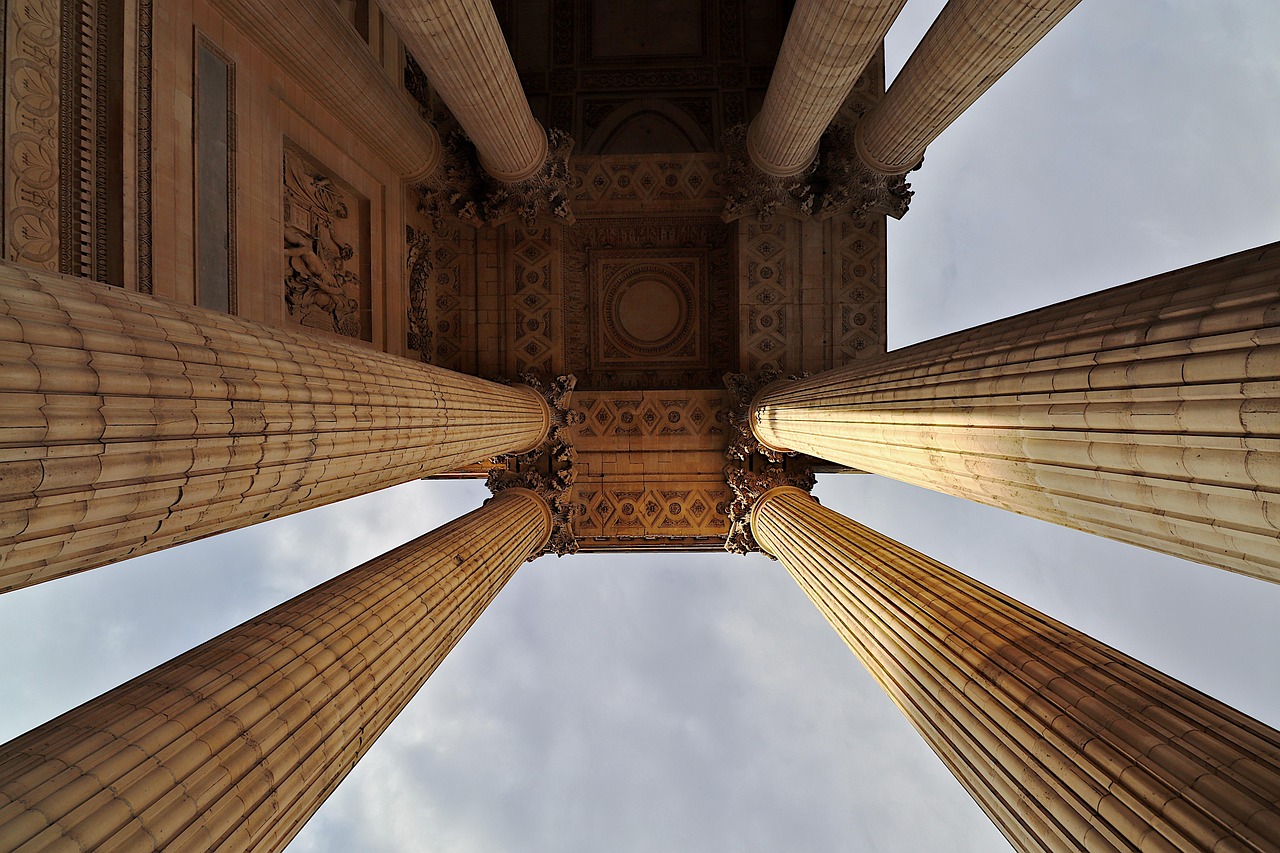
National Pantheon (Church of Santa Engrácia)
The white domed church above Alfama that took nearly three centuries to finish — now Portugal's National Pantheon, with the tombs of presidents, writers and Amália Rodrigues, and a rooftop terrace with one of the best river views in the city.

Feira da Ladra Flea Market
Lisbon's centuries-old flea market, spread across the Campo de Santa Clara on Tuesdays and Saturdays — old tiles, vinyl, postcards, military medals, ceramics and genuine junk, between the National Pantheon and São Vicente de Fora. Free to browse and full of local life.

Travel Guides
Plan It Properly
Lisbon in Three Days: Belém, the Castle, Alfama & a Day in Sintra
The first-timer itinerary that books the timed slots in the right order — Jerónimos and Belém Tower on day one, the castle and Alfama on day two, Pena Palace on day three — and fills the gaps with viewpoints, custard tarts and fado.
First Time in Lisbon: What to Book, How to Get Around & What to Know
The practical playbook for a first visit — timed tickets versus free sights, Monday closures, navegante cards and the Lisboa Card, the 2026 status of the funiculars and lifts, the bread on your table, and the hills.
Where to Stay in Lisbon: Neighbourhoods Compared for Every Kind of Trip
Baixa, Chiado, Alfama, Bairro Alto, Príncipe Real, Avenida da Liberdade and the western riverside compared honestly — hills, noise, transport and atmosphere — with the hotel we would book in each.
What to Eat in Lisbon: Custard Tarts, Seafood, Bifanas & Ginjinha
A food lover's guide to Lisbon — the dishes to order, the pastries to compare, how tascas, cervejarias and fado houses work, the couvert rule, and where the Time Out Market fits in.
The Best Time to Visit Lisbon: Seasons, Festivals, Crowds & Prices
Month-by-month advice for Lisbon — sunny springs and autumns, hot crowded summers, the June festivals of Saint Anthony, mild rainy winters — and how each season changes queues, hotel prices and day trips.
Lisbon's Hills, Trams & Viewpoints: How to Get Up (and What Is Closed in 2026)
The city-specific deep dive — tram 28 and its alternatives, the Glória, Bica and Lavra funiculars and the Santa Justa lift after the 2025 crash, the reopened Graça funicular, and the miradouros worth every step.