The Loire Valley is called the garden of France for good reason: its markets are full of asparagus, mushrooms, orchard fruit, river fish and some of the best goat cheese in the country. A cooking lesson in a French home is the most direct way to taste that bounty, because you cook alongside a local host, in a family kitchen rather than a studio, and sit down to eat what you have made. The format is friendly and small, which suits couples, friends and families, and it turns a day of châteaux into something more personal. You are not watching a demonstration; you are chopping, stirring and tasting, with plenty of time to ask how a dish is really made. Regional wine is usually part of the table, and the pace is unhurried, closer to a long lunch with a teacher than a formal class. If your trip has been all palaces and queues, an afternoon in a home kitchen is a welcome change of rhythm.
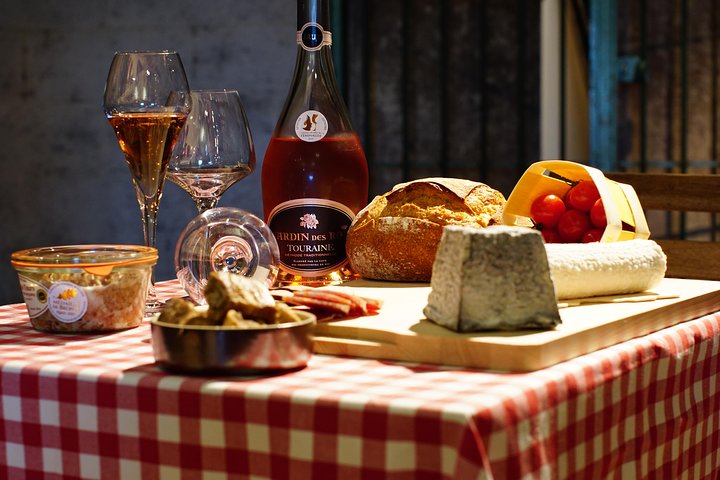
Touraine and the wider Loire have a distinct cuisine that is lighter and more delicate than the heavy cooking of other French regions. Think of pike-perch with a butter sauce made from the local white wine, rillettes and rillons from pork slowly cooked in its own fat, creamy fresh goat cheese from Sainte-Maure and Valençay, mushrooms grown in the old tufa quarries, and tarts made with pears, apples and plums.
Many of these dishes rely on a few good ingredients and careful timing, which is exactly what a home cooking lesson teaches. Expect to learn a technique or two that you can repeat at home, such as building a sauce, handling pastry or dressing a seasonal salad, along with the reasons behind each step.
A typical lesson begins with introductions and a look at the ingredients, then moves on to the cooking itself. You work at a shared table or counter, with your host guiding each stage and keeping the group moving. The menu usually follows the season, so spring may bring asparagus and herbs, summer tomatoes and soft fruit, and autumn mushrooms, squash and apples.
When the dishes are ready, everyone sits down together to eat, usually with local wine chosen to suit the food. This is the real appeal of the experience: you finish with a meal that you helped to prepare, in a setting that feels like a dinner party rather than a restaurant.
Check the details when you book, because the meeting point, the menu, the language of instruction and any dietary options depend on the host and the date. Tell the host in advance about allergies, vegetarian preferences or other needs, since menus are planned around fresh ingredients. The lesson fits well on a day without a major château, or on an evening after sightseeing.
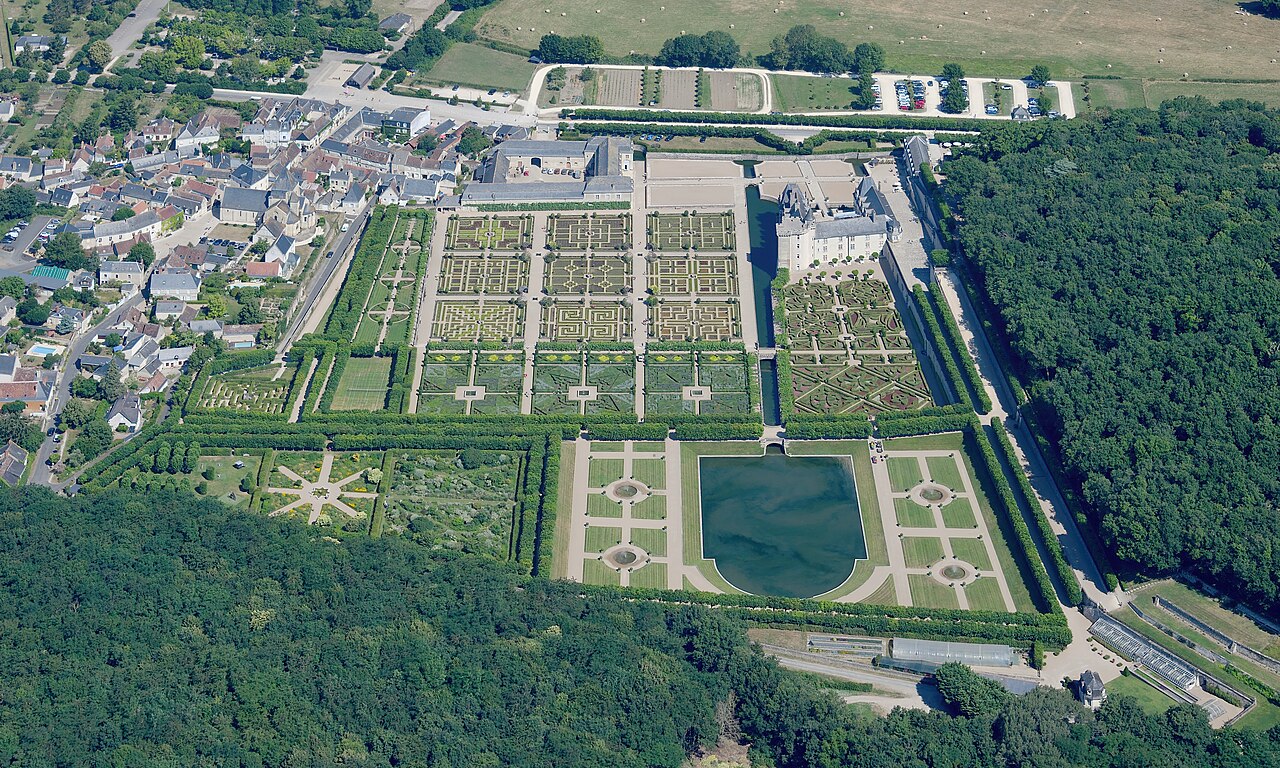
It pairs naturally with a morning at Villandry, whose kitchen garden shows where many of these vegetables come from, or with a wine tasting in Vouvray. Allow a relaxed half day, wear comfortable clothes and come hungry.
Why it works as part of a Loire trip: after days of queues, audio guides and cobbled streets, an evening at a kitchen table gives you something different, which is conversation with a local who lives here. Many travellers say that the recipes and the advice on shopping at a French market are what they remember most.
If you have a kitchen in your accommodation, you can buy the same ingredients at a market the next morning and cook the dish again. Ask your host for tips on where to buy cheese, bread and wine nearby.
What to expect
The experience
A small, hands-on cooking lesson in a French home, followed by a shared meal with regional wine.
Best time
A weekday afternoon or early evening, when you can slow down after a morning of sightseeing.
How long
Allow a relaxed half day, including the meal.
Tips
Mention allergies and dietary needs when you book, wear comfortable clothes and come hungry.
Quick picks
- Best for
- Food lovers and couples who want an evening or afternoon that feels personal.
- Families
- Suitable for older children who like to help in the kitchen; ask the host about minimum ages.
- Couples
- A warm, shared experience that ends with a long table and a glass of wine.
- Pair with
- Villandry's kitchen garden in the morning, or a Vouvray tasting.
- Time needed
- Half a day.
Good questions
What will I cook?+
The menu depends on the season and the host, but it usually draws on regional produce such as vegetables, goat cheese, fish, mushrooms and orchard fruit.
Do we eat what we cook?+
Yes, the lesson ends with a shared meal at the table, normally with regional wine.
Can the class cater for dietary needs?+
Often yes, if you tell the host when you book. Menus are planned around fresh ingredients, so advance notice matters.
Where does it take place?+
In a private home in the Loire Valley, so check the address and meeting details when you book.
Is it suitable for children?+
Older children who enjoy cooking usually do well. Ask about age limits and alcohol-free options before you reserve.