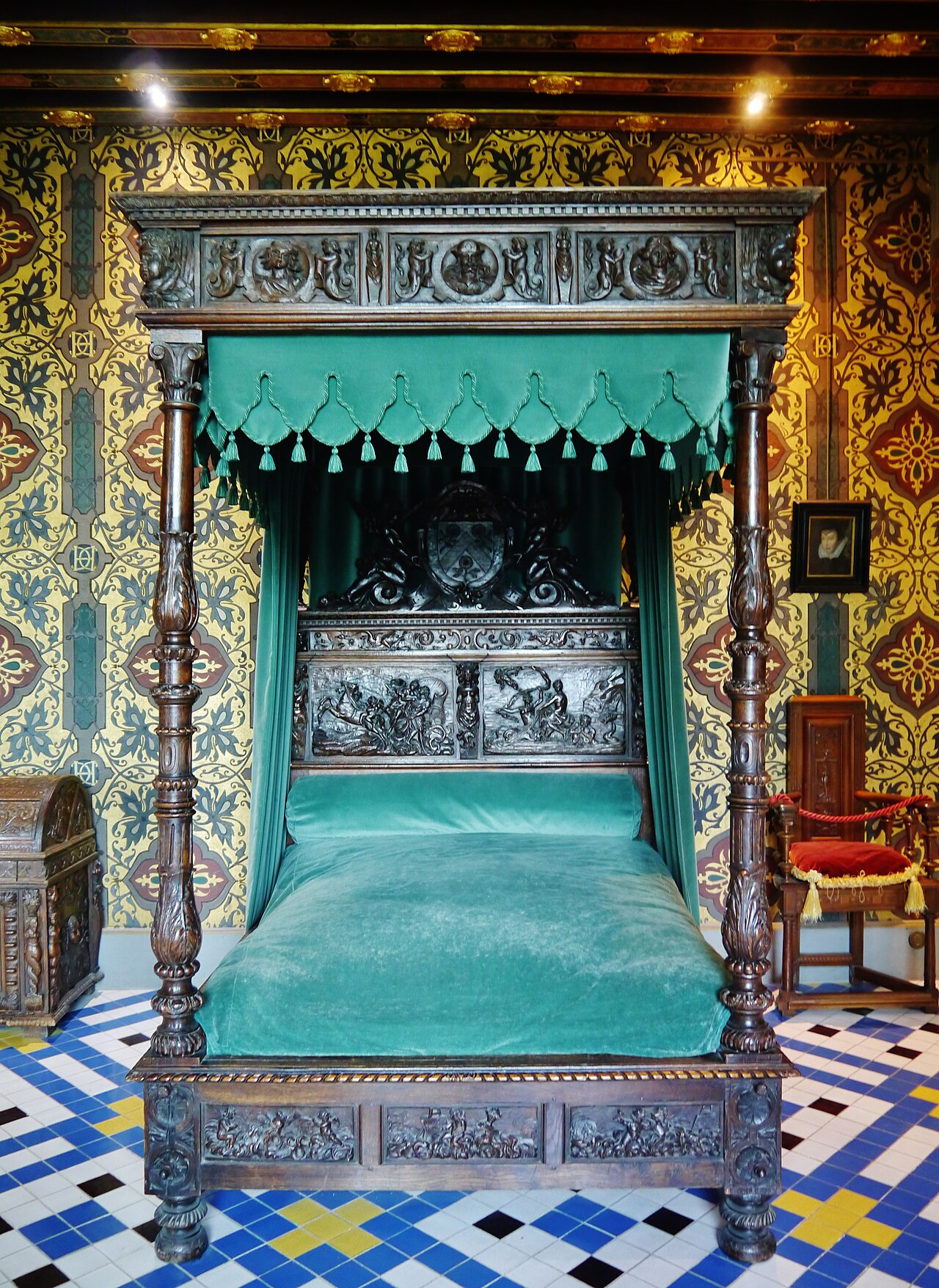
Chenonceau is the château everyone has seen in a photograph before they arrive, and it is better in person. The main building stands on the bank of the Cher, but a two-storey gallery carries on across the water on a bridge of five arches, so the palace seems to float on the river. It is called the Ladies' Château because women ran it for most of its life: Catherine Briçonnet, who began the building in the early sixteenth century, then Diane de Poitiers, favourite of Henri II, who laid out the first gardens and built the bridge, and Catherine de' Medici, who took the estate back after Henri's death and added the gallery. Inside you walk through furnished rooms with tapestries, painted ceilings and period kitchens set into the piers of the bridge, then out into two formal gardens, a farm and a maze. In the First World War the gallery served as a hospital, and in the Second World War the Cher marked the line between occupied and free France, so the far door of the gallery led to freedom. Tickets are timed in busy periods, and the château is a short train ride or drive from Tours and Amboise.
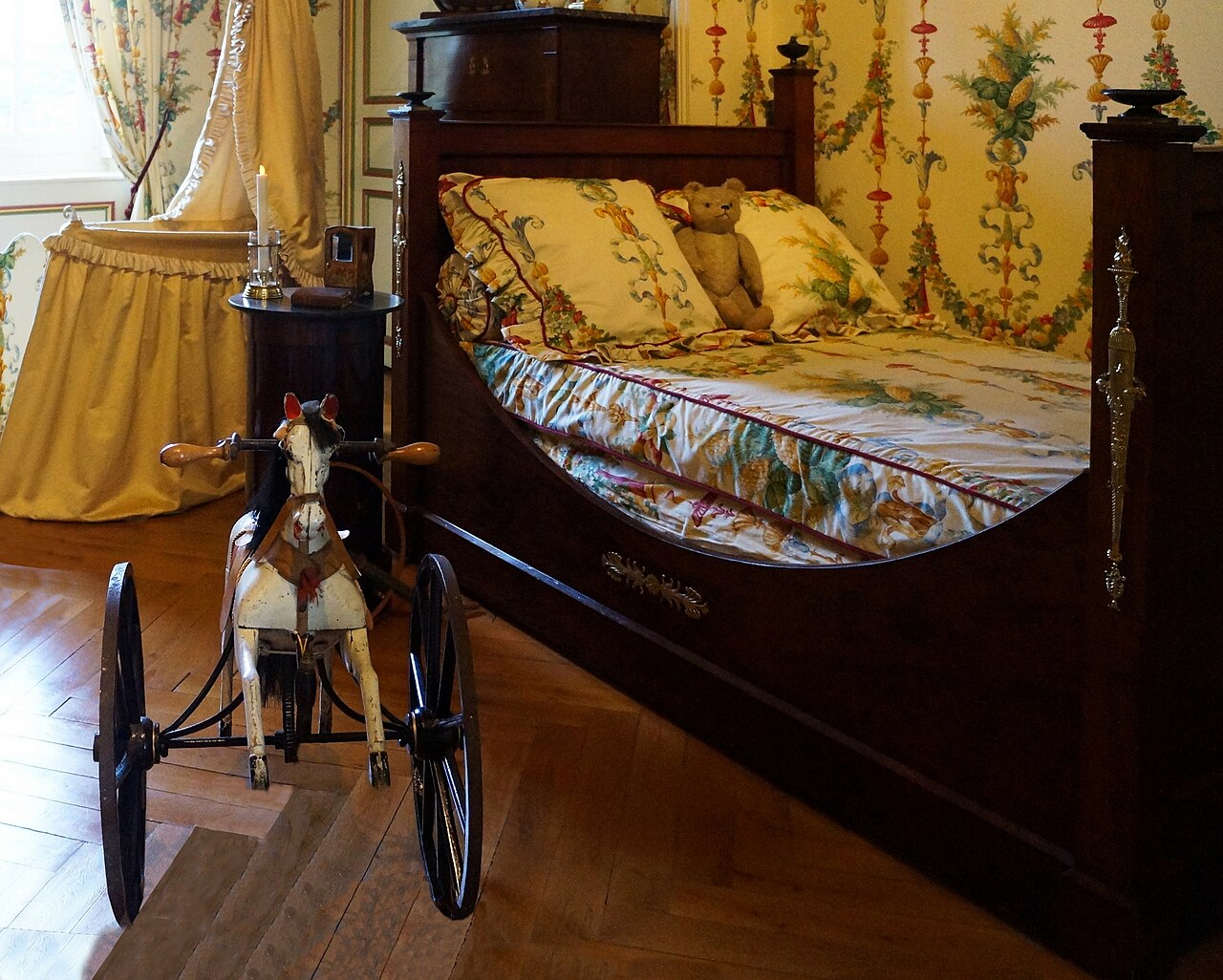
The best way to see Chenonceau is to follow the building as it was meant to be approached: down the long plane-tree avenue, past the maze, and across the little drawbridge to the original tower. Start inside with the ground-floor rooms, the chapel and the guard room, then climb to the Chambre de Catherine de Médicis and the bedrooms upstairs.
The gallery is the highlight, a long hall with a black and white chequerboard floor that Catherine used for balls and fireworks, and later the place where wounded soldiers lay in the First World War. Below it, the kitchens are some of the most atmospheric in France, with copper pans and ovens set in the stone of the piers.
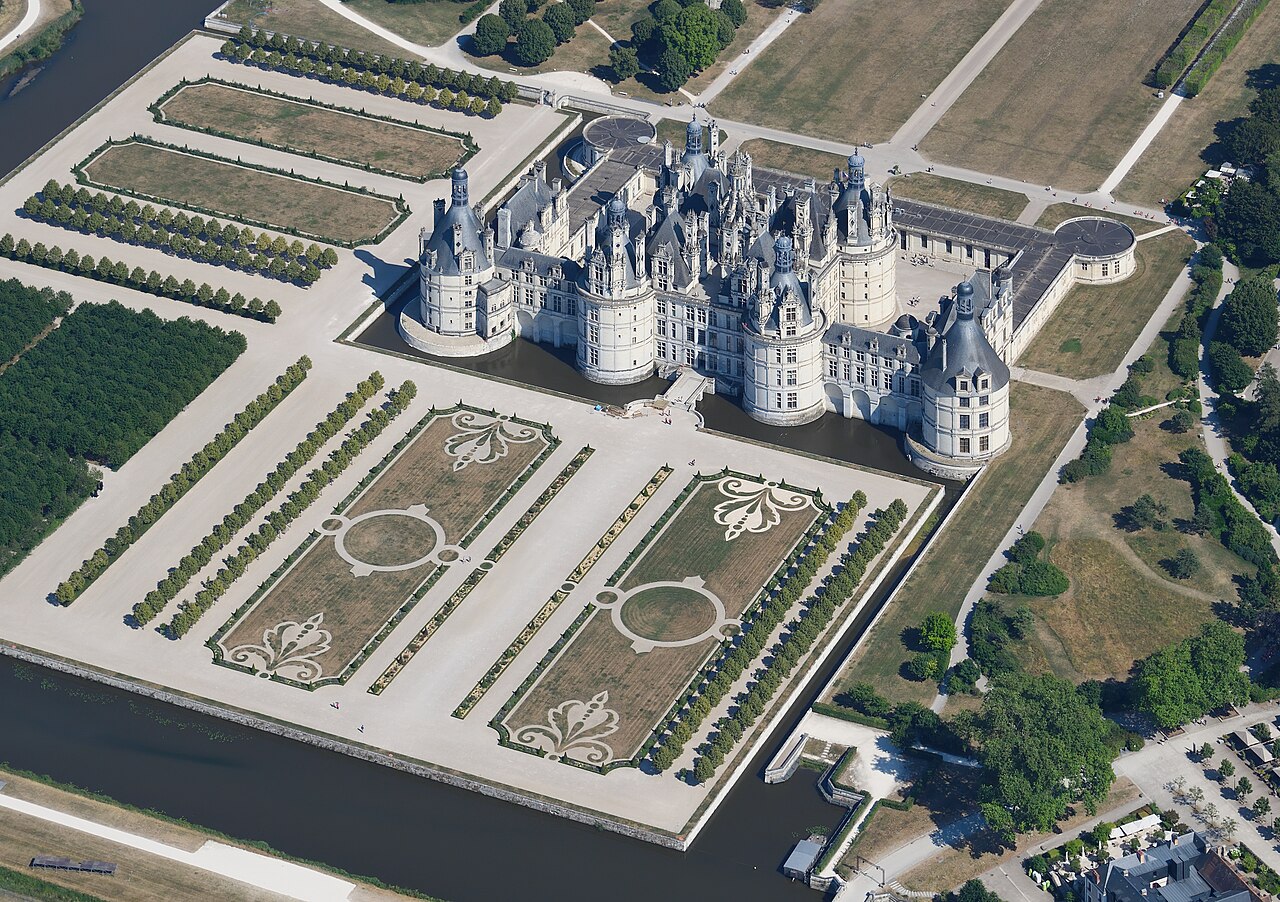
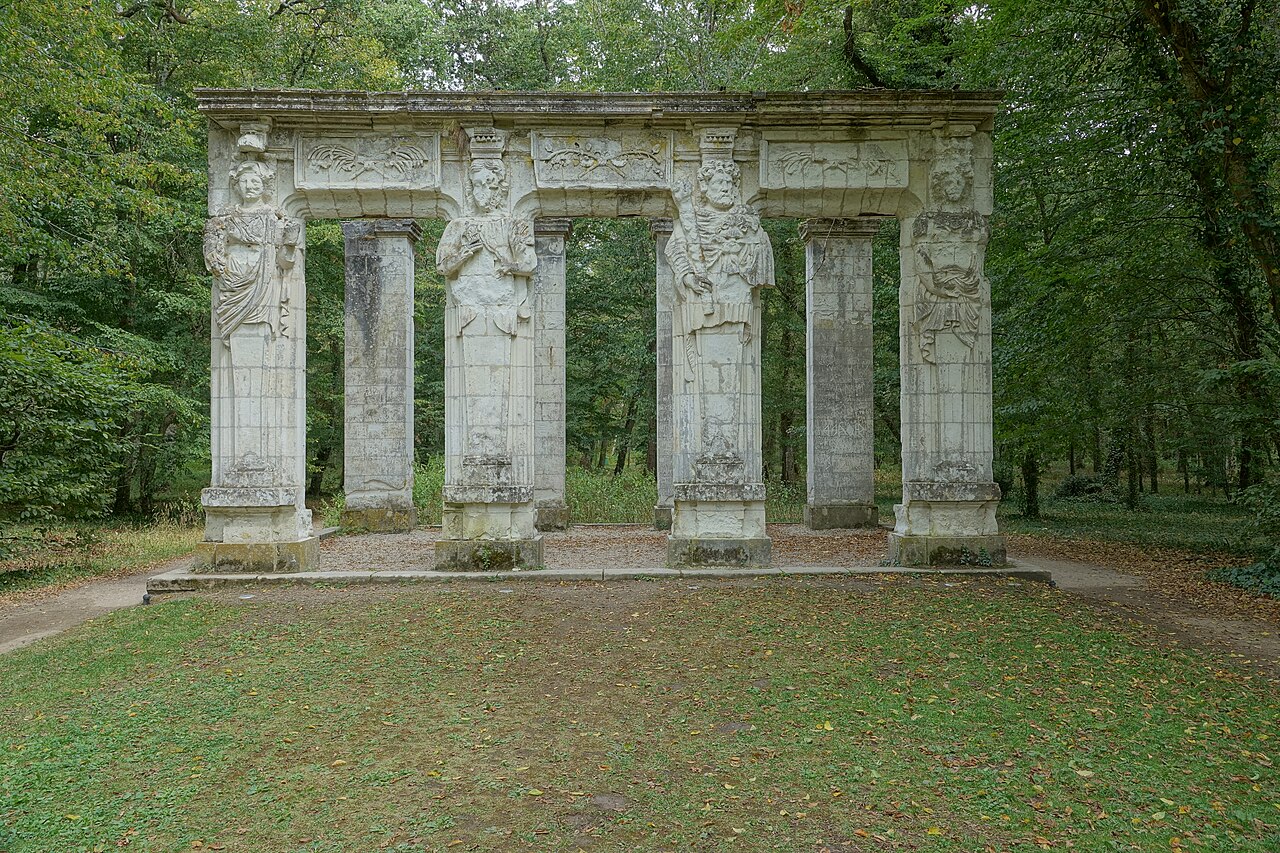
Take your time over the gardens. Diane de Poitiers' garden lies to the east and Catherine de' Medici's to the west, both laid out in formal beds with the flower workshop and the vegetable garden nearby, and the photograph everyone wants is the view of the château from the garden side with the arches reflected in the Cher.
Allow two to three hours for the visit. Walk the grounds first if the weather is fine and leave the interior for when the light drops, because the galleries are at their best when the afternoon sun is low.
Winter changes the visit. From early November the château keeps shorter daytime hours, open daily from morning until the late afternoon, and the gardens are mostly bare, but the crowds are a fraction of summer and the house is warm. Christmas decorations arrive at the end of November, which is a lovely time to see the rooms dressed. Buy a timed entry ticket in advance, arrive at the opening to have the gallery to yourself, and bring a coat for the walk between the gardens and the car park.
What to expect
The experience
A self-guided visit through furnished rooms, the long gallery over the Cher and the kitchens, followed by two formal gardens, a farm and a maze.
Best time
At opening on a weekday, before the tour groups arrive; late November to early January for Christmas decorations.
How long
Two to three hours including the gardens, a little less in winter when the beds are bare.
Tips
Check the day's hours before you go, because from early November the château closes in the late afternoon. Buy your ticket ahead, wear walking shoes and bring a coat for the gardens.
Quick picks
- Best for
- Anyone who wants the one Loire château to see if there is only time for one.
- Families
- Children enjoy the maze, the kitchens and the arches over the water; the grounds are flat and good for pushchairs.
- Couples
- Walk the gallery at the start of the day, then have a slow lunch in the village of Chenonceaux.
- Pair with
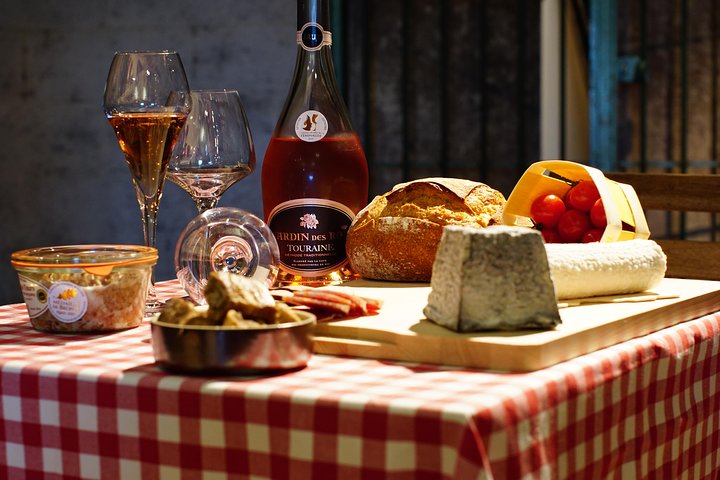
- A Vouvray wine tasting, or Amboise and Clos Lucé on the same day by train and taxi.
- Time needed
- Half a day with travel from Tours or Amboise.
Good questions
How do I get to Chenonceau from Tours or Amboise?+
There is a regional train from Tours to Chenonceaux, with the station a short walk from the château, and Amboise is a short drive away. Many visitors combine it with a taxi or a small-group day tour.
Is Chenonceau open in November?+
Yes, it is open every day, but with shorter winter hours that run from mid-morning to the late afternoon. Check the hours for your date before you travel.
Do I need to book tickets in advance?+
It is wise to, especially at weekends and during school holidays, as entry can be timed. In November a quiet weekday usually has space, but a ticket in hand saves queueing.
Why is it called the Ladies' Château?+
Women owned, built and managed it for much of its history, from Catherine Briçonnet to Diane de Poitiers and Catherine de' Medici. Their influence shaped the gardens, the bridge and the gallery.
How long should I allow?+
Two to three hours covers the interior and the gardens at a relaxed pace. Add time if you want to eat in the grounds or visit the farm.