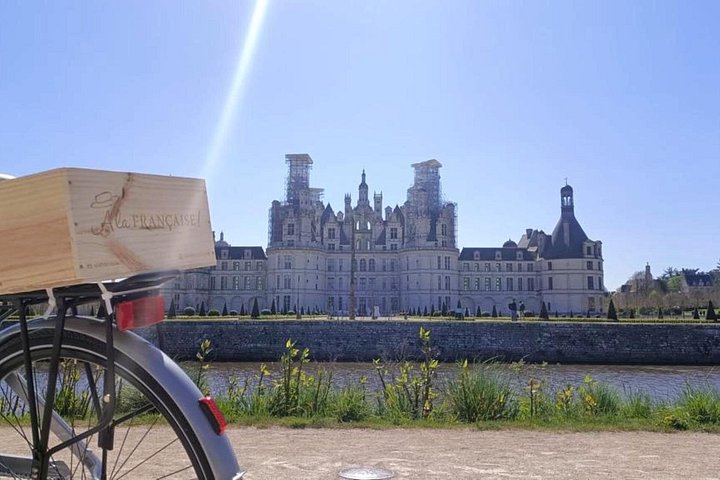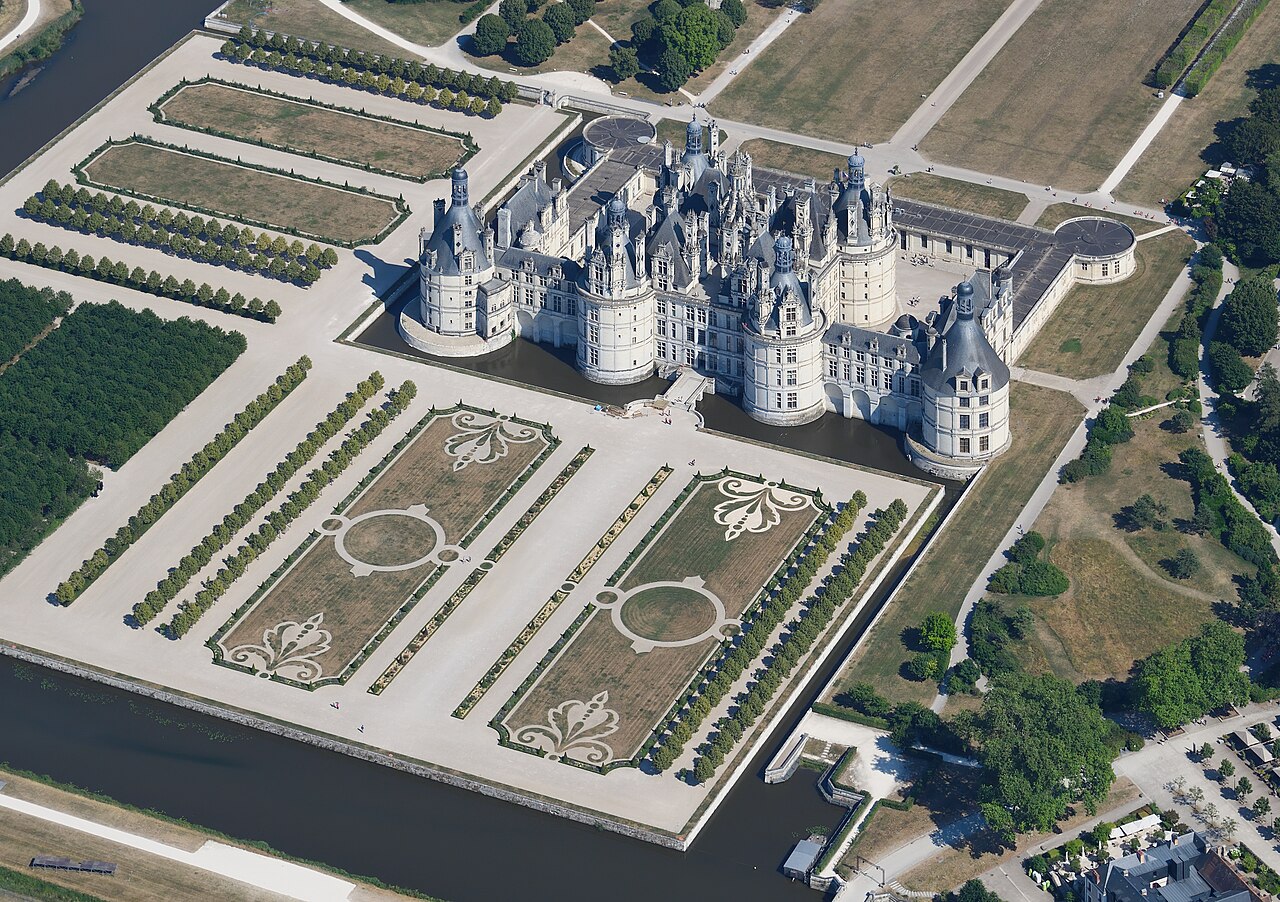
Chambord does not look like a house; it looks like a city of towers. François I began it in 1519 as a hunting lodge in the forest of Boulogne, and the result is the grandest and strangest of the Loire châteaux: a vast white keep ringed by four round towers, topped with a rooftop of chimneys, turrets and lanterns that the king's masons designed to be seen from far across the park. At its centre is the double-helix staircase, two spirals wound around the same core so that people can climb and descend without meeting, and tradition ties its design to Leonardo da Vinci. Rooms are largely unfurnished apart from displays, but the terrace is the highlight, a walk among the chimneys and the roofs that gives views over the estate. Outside, the park around the château is the largest walled forest park in Europe, with trails, deer and a view of the façade from the water. Chambord sits about an hour from Tours and Amboise, a bit further from the rest of the valley, so it suits a half day on its own or a day trip paired with Cheverny or Blois.
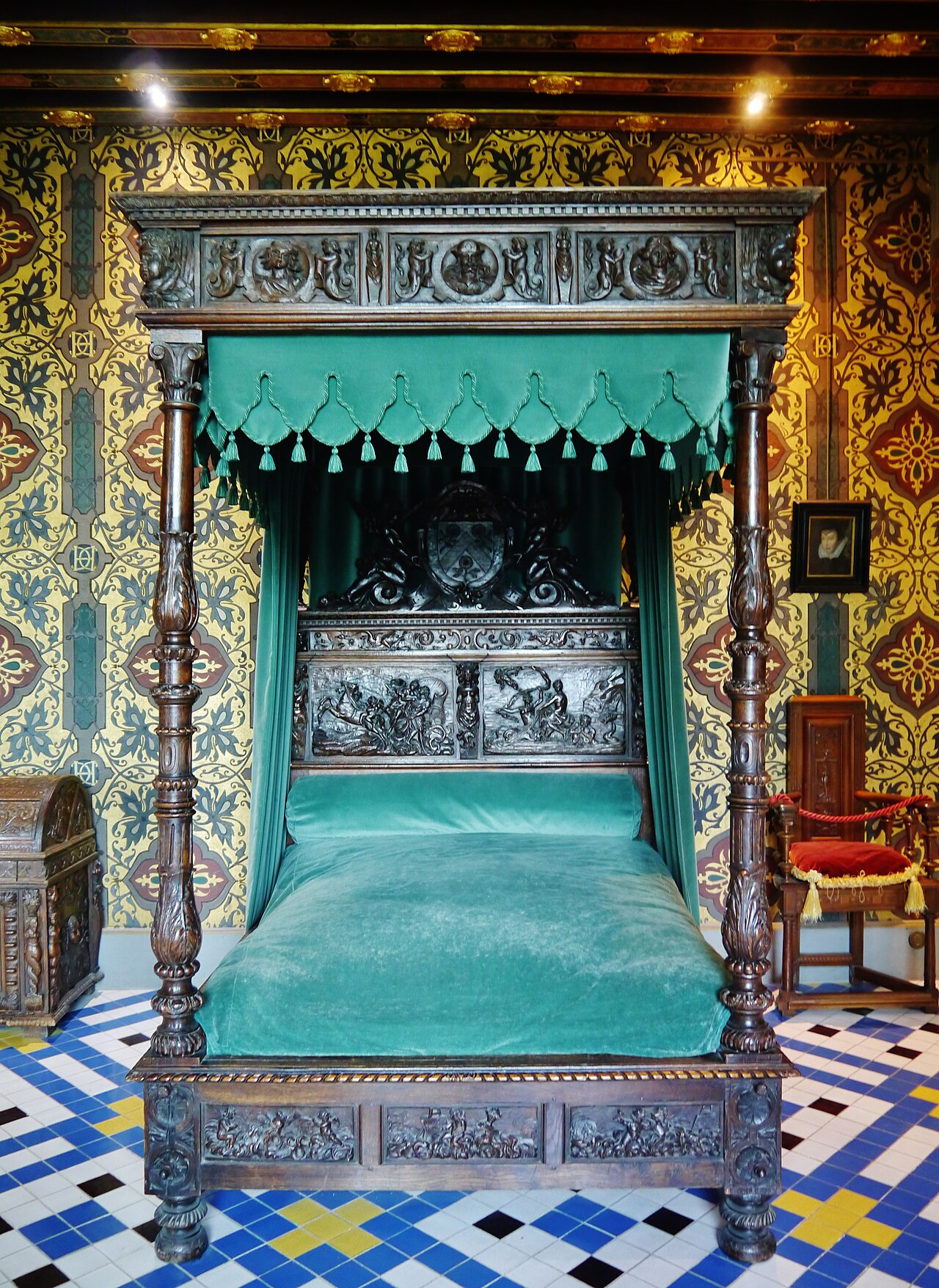
Start with the staircase and the terrace. The double-helix stair is the architectural signature of Chambord, and the roof terrace is where it pays off, a landscape of cones and towers with the forest spread out behind. The rooms on the first floor include the king's apartments and a collection of historical objects, but this is a château of volume and silhouette rather than furniture, so look up as much as you look around.
The grand courtyard and the entrance façade, best photographed from the park, show the way the building was designed to be seen.
The park is half the visit. You can walk or cycle through the forest to the terraces at the edge, hire a boat on the canal in good weather and take the road around the estate by car. The scale of it explains why the château was a hunting lodge: the king and his guests would ride out and return to a banquet. In winter you will often see deer in the clearings, and the colour of the trees in November is spectacular.
The practical points matter more here than at other châteaux. Chambord is in low season from late autumn, with the château generally open from nine in the morning to five in the afternoon through the winter months and some Mondays closed in the quieter months, so check the calendar for your date. The roof is exposed and cold, the forest paths can be muddy, and the nearest food is in the village by the gate, so bring layers and eat before or after. Parking is paid, and the park itself is free to enter.
What to expect
The experience
A self-guided visit through the keep, the double-helix staircase and the roof terrace, with a free walk in the forest park around the château.
Best time
Early in the day on a weekday, when the roof terrace is quiet and the forest is misty.
How long
About three hours for the château and a short park walk; add more to cycle or walk the estate.
Tips
Check for Monday closures in low season. Wear layers for the roof terrace, bring a picnic or eat in the village, and pre-book a ticket so you can walk straight in.
Quick picks
- Best for
- Anyone who wants the grandest skyline in the valley and a forest walk in one trip.
- Families
- Children love the staircase and the roof of chimneys; the park has space to run and bike paths.
- Couples
- The forest at dusk in autumn, with the façade lit across the water.
- Pair with
- Cheverny or Blois, both short drives away, or a guided e-bike day from Tours.
- Time needed
- Half a day, or a full day with the park and a second château.
Good questions
Is Chambord open in November?+
Yes, the château is open daily in low season with shorter days, generally from nine in the morning to five in the afternoon, but some Mondays are closed. Check the calendar before you go.
What is the double-helix staircase?+
It is a central staircase with two spiral flights wound around the same core, so two people can climb and descend without meeting. Tradition links its design to Leonardo da Vinci, though the architect is not recorded.
Can I visit the park without buying a ticket?+
Yes, access to the estate and park is free, and you can walk or cycle through it. You pay for the interior of the château and the roof terrace.
How do I get there from Tours or Amboise?+
The easiest way is by car or taxi, roughly an hour from Tours, or by guided tour. Public transport exists via Blois and a local bus, but it is slow in winter.
Is it good for children?+
Yes, especially the staircase and the roof terrace. The park and the long approach are good for running off energy, but dress warmly in autumn.