Lombok has a tropical climate with two broad seasons, and the right time to visit depends on what you want to do. In general, the dry season brings calmer weather and clearer skies, while the wet season brings showers, greener scenery and fewer visitors. Conditions vary from year to year and from coast to coast, so treat the months below as a guide rather than a promise.
The dry season
The dry season runs roughly from April to October. Days are sunny and warm, nights are comfortable, and humidity is lower than at other times. This is the best period for beaches, snorkeling, waterfalls and mountain walks, and it is the main season for visitors, with July and August the busiest months. Book hotels, boats and treks early if you plan to travel then, and expect higher prices around school holidays. Winds from the southeast become stronger in the middle of the dry season, which can make some sea crossings rougher.
The wet season
The wet season runs roughly from November to March. Expect heavier rain, often in short, intense bursts rather than all day, more humidity and a greener landscape. Waterfalls run stronger and rice fields are at their most vivid. The trade-off is that some roads can be affected by rain, sea conditions can disrupt boats and visibility underwater may drop after storms. Prices are lower and beaches and attractions are quieter, so it can be a good time for flexible travelers who do not mind a rainy afternoon.
The shoulder months
April to June and September to October are often the sweet spot. The weather is mostly dry, seas are generally calm, and crowds are thinner than in July and August. If you can choose your dates, these months offer a good balance of conditions, availability and price.
Snorkeling and the Gilis
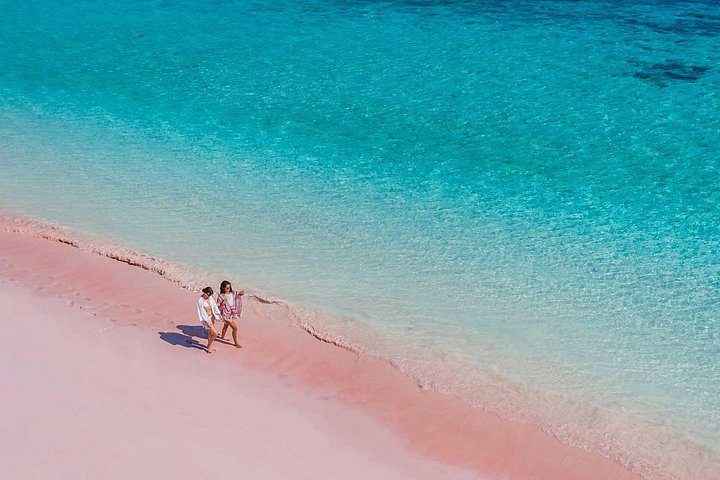
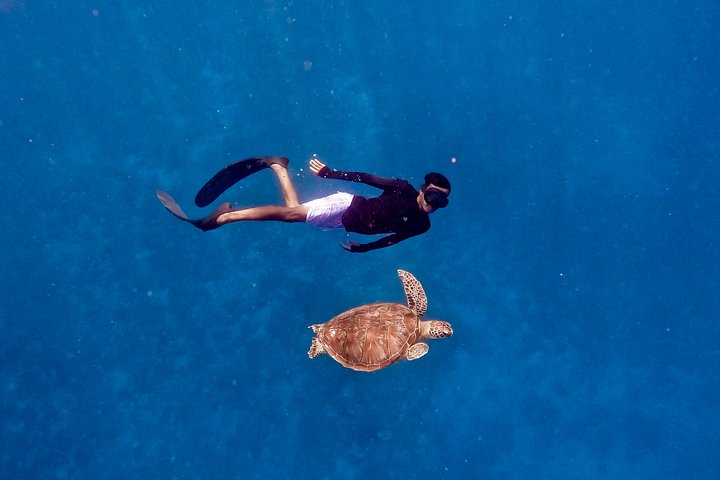
Visibility is usually best in the dry season, particularly in calmer mornings, and the turtles around the Gilis can be seen year round, although sightings are never guaranteed. Fast boats from Bali and public boats from Bangsal can be delayed or cancelled when seas are rough, which is more likely in windy periods or storms, so allow a buffer day before an international flight. If your trip includes a Gili day trip or the Pink Beach boat trip, plan it earlier in your stay in case you need to reschedule.
Surf season
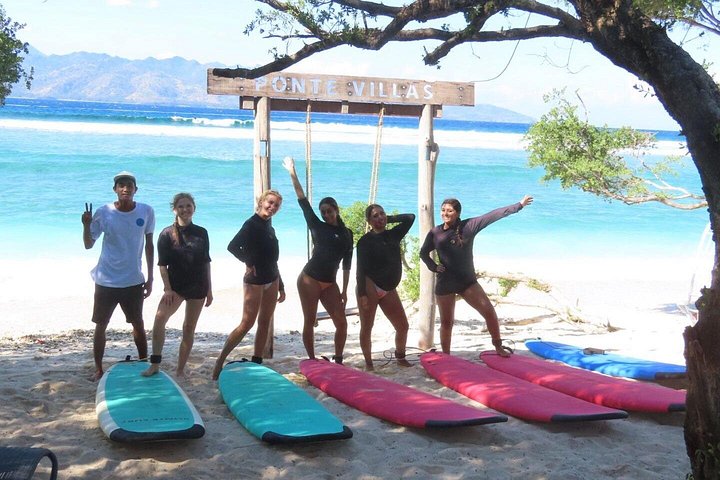
The south coast surf is best from roughly April to October, when ocean swells arrive from the Indian Ocean and winds are often offshore in the morning. Beginners can learn in the gentle bays at Selong Belanak and Kuta throughout the year, but conditions vary, and a good instructor will choose a spot to suit the day. If you want bigger waves and an active surf scene, aim for the middle of the dry season. If you want gentle learning conditions, the shoulder months can be kinder.
Hiking and Mount Rinjani
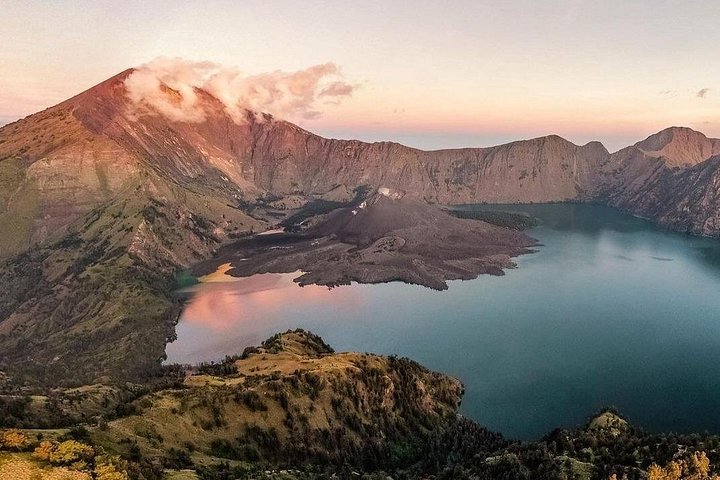
Rinjani trails close each year for the wet season and can close at short notice for weather, fire or safety reasons. The dry season is the time for treks, crater rim hikes and summit attempts, while the one-day Senaru trek, the Pergasingan Hill walk and the waterfall trails all depend on the weather. Always confirm with your operator that the route is open before you travel, and expect mornings to be cool and clear and afternoons to build cloud.
Festivals, holidays and Ramadan
Indonesian public holidays and school holidays bring crowds, higher prices and fully booked boats, so book early if your dates overlap. Ramadan, the Muslim fasting month, shifts each year. Tourism continues as normal, but local life slows in the daytime, some small warungs close and alcohol may be less available outside hotels. Many visitors enjoy the evenings, when communities gather to break the fast, and being discreet about eating and drinking in public during the day is a courteous gesture.
Racing weekends
The Mandalika circuit on the south coast hosts major events from time to time, and hotels around Kuta fill up with higher rates and heavier traffic. Check the calendar if you plan to stay there, and book early or choose another part of the coast if you want peace.
Packing and preparation
Whatever the month, pack a light rain jacket, reef-safe sunscreen, a hat and insect repellent, plus a warm layer for mountain mornings and boat rides. In the wet season, bring quick-drying clothes and a dry bag for your phone. Travel insurance that covers cancellations and delays is sensible any time of year.
Our simple advice
If you want a classic beach-and-snorkel holiday, travel from April to June or September to October. If you want the brightest weather and do not mind crowds, choose July and August. If you want lush scenery and low prices and can accept some rain, the wet months can be rewarding, as long as you stay flexible.