The UXO Lao Visitor Centre is a small, free exhibition in Luang Prabang that explains one of the defining facts of modern Laos: the country was heavily bombed between 1964 and 1973, and a large amount of unexploded ordnance, known as UXO, still lies in fields and forests. The centre is run in connection with the national clearance programme, and it uses real, defused bombs and submunitions, photographs, maps and survivor accounts on the walls to explain what happened, how clearance works and how it affects farmers and children today. A viewing room shows a short documentary about the clearance teams and the communities they serve. The tone is factual and quiet rather than sensational, and it takes about 45 minutes to an hour. Entrance is free, with donations welcome to support the work, and it is open daily during the day. It sits a short walk behind the Souphanouvong Monument, on the road behind the main street, about a twelve-minute stroll from the centre of the old town. For many visitors it is the most moving place in Luang Prabang, and it changes how they see the bomb-casing spoons, bracelets and lamps sold at the night market.
The history is easy to state and hard to absorb. Over nine years, an enormous tonnage of bombs was dropped on Laos, and a significant share of the cluster munitions did not explode on impact. Decades later, farmers, children and foragers can still be injured when they disturb a hidden device, and clearance continues province by province. The centre shows how the problem is surveyed, marked and cleared, and it introduces the people who do the work, which turns an abstract statistic into a human account.
Plan to go with time to read. The galleries are compact, and the survivor stories and the film reward a slow pace. The centre is usually open daily in the daytime with a short midday pause, so aim for a morning slot, and check the hours locally if you are close to opening or closing. It is free, so a donation is a good way to support the programme. Check the signs about photography, be sensitive about photographing survivors' portraits, and keep your voice low in the film room.
Visiting changes how you travel. Many people go here first and then explore the countryside more carefully, staying on established paths and trails, and never picking up or touching unfamiliar metal objects. That is the practical lesson the centre teaches, and it is worth knowing before a trek, a village visit or a day trip to the falls.
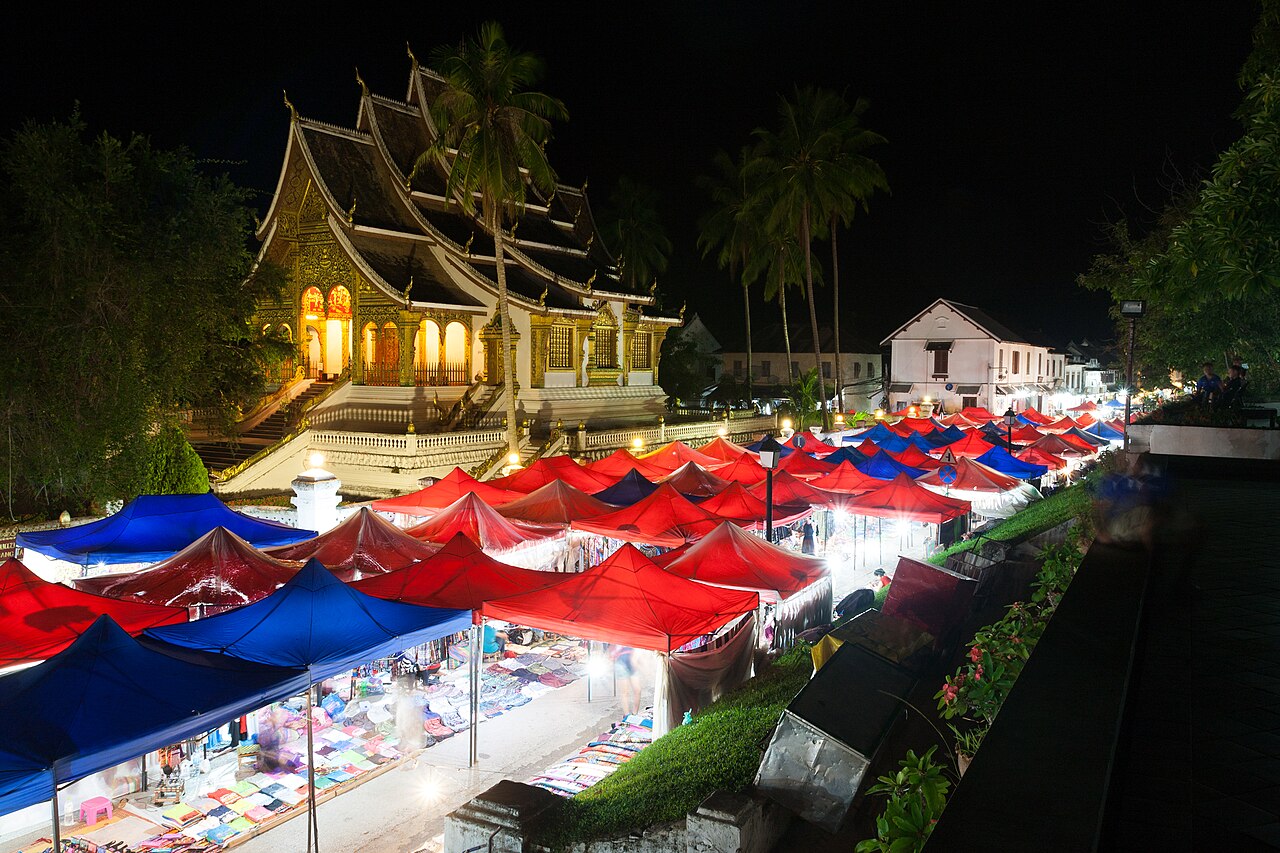
It also helps explain the recycled metal craft you will see at the night market, where spoons, bracelets and vases are made from the remains of casings, and why buying them can support livelihoods in a country still dealing with the legacy.
Pair it with a lighter activity afterwards. A walk along the Nam Khan or a cold drink in a riverside cafe gives you time to take in what you have seen, and the Royal Palace Museum and the night market are both close enough to reach on foot. The centre suits older children and teenagers, who often find it one of the most memorable stops of the trip, but it may be heavy for younger ones, so use judgement.
Allow an hour in total, and go with an open mind. It is not a cheerful stop, and it is not meant to be, but it is one of the most worthwhile places in the town, and it offers context that most visitors take home with them long after the waterfalls fade from memory. The best way to treat it is as a short, quiet pause between the temples, the market and the river.
What to expect
The experience
A self-guided walk through a compact exhibition of real ordnance, photographs and survivor stories, followed by a short documentary in a viewing room.
Best time
Morning, so that you have time to read and watch the film; it is a good rainy-day or midday indoor stop.
How long
About 45 minutes to an hour.
Tips
Go with time to read, leave a donation, be sensitive when photographing survivors' portraits, and use judgement about taking very young children.
Quick picks
- Best for
- Visitors who want to understand modern Laos and the legacy that shapes the countryside.
- Families
- Best for teenagers and thoughtful older children; the content is serious, so use judgement with younger ones.
- Couples
- A quiet, reflective stop, followed by a walk along the Nam Khan or a riverside drink.
- Pair with
- A walk along the river, the Royal Palace Museum or the night market.
- Time needed
- About an hour including the film.
Good questions
Is the UXO Lao Visitor Centre free?+
Yes, entrance is free and donations are welcome to support the clearance work. Hours are typically daytime, daily.
What does the exhibition show?+
Real defused bombs and submunitions, photographs and maps, survivor stories on the walls, and a short documentary about the people who clear unexploded ordnance.
How long does a visit take?+
About 45 minutes to an hour. The galleries are small, but the stories and the film are worth taking slowly.
Where is it?+
Behind the Souphanouvong Monument, on the road behind the main street, about a twelve-minute walk from the centre of the old town.
Is it suitable for children?+
It suits older children and teenagers who can handle serious subjects. For younger ones, use judgement, as the content deals with war and injury.