Luang Prabang has three seasons, and each one changes how the town feels, what the waterfalls look like and how busy and expensive it is. There is no bad month to visit, but the right month depends on what you want most. Here is a season-by-season guide to help you choose.
November to February: the cool, dry season
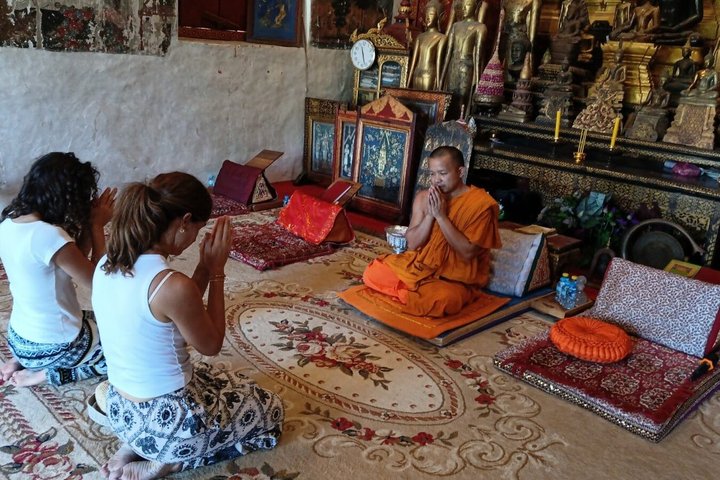
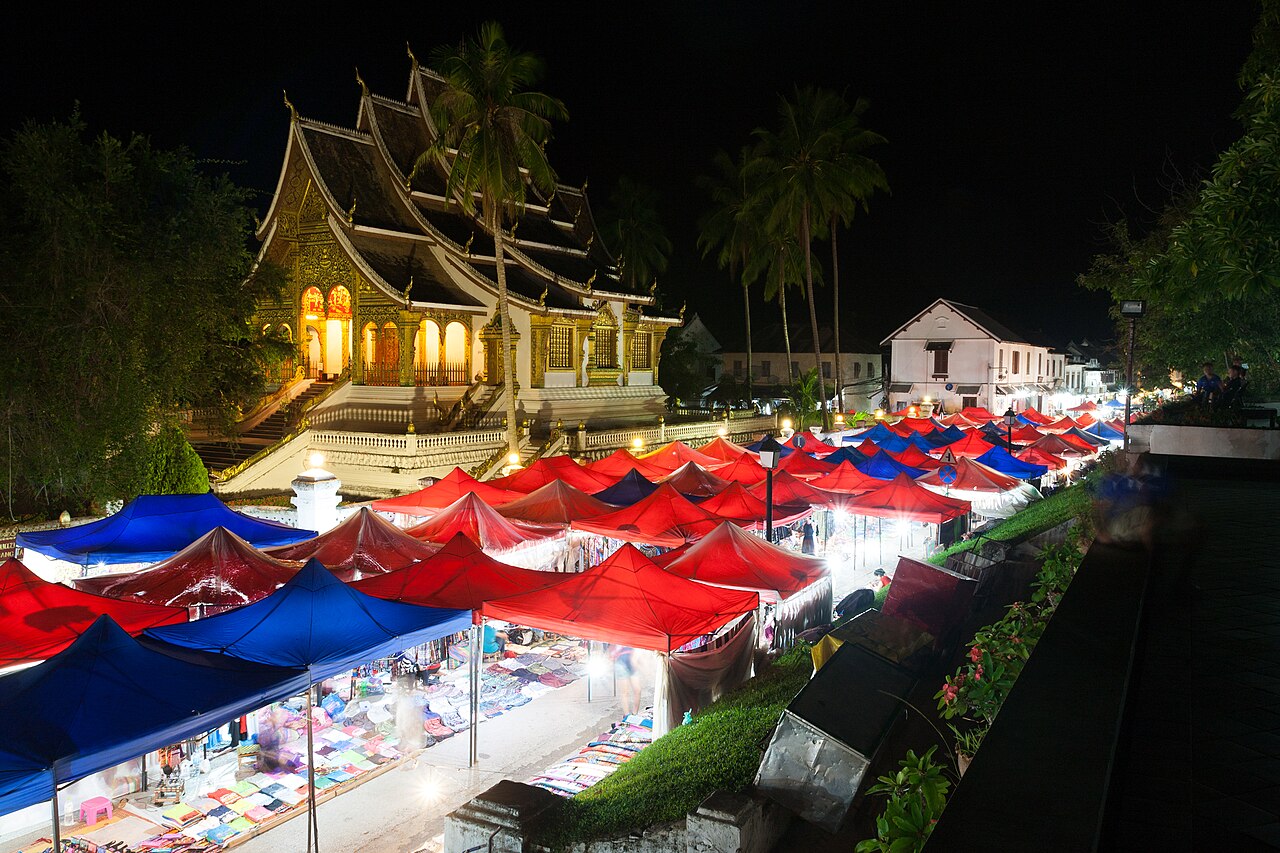
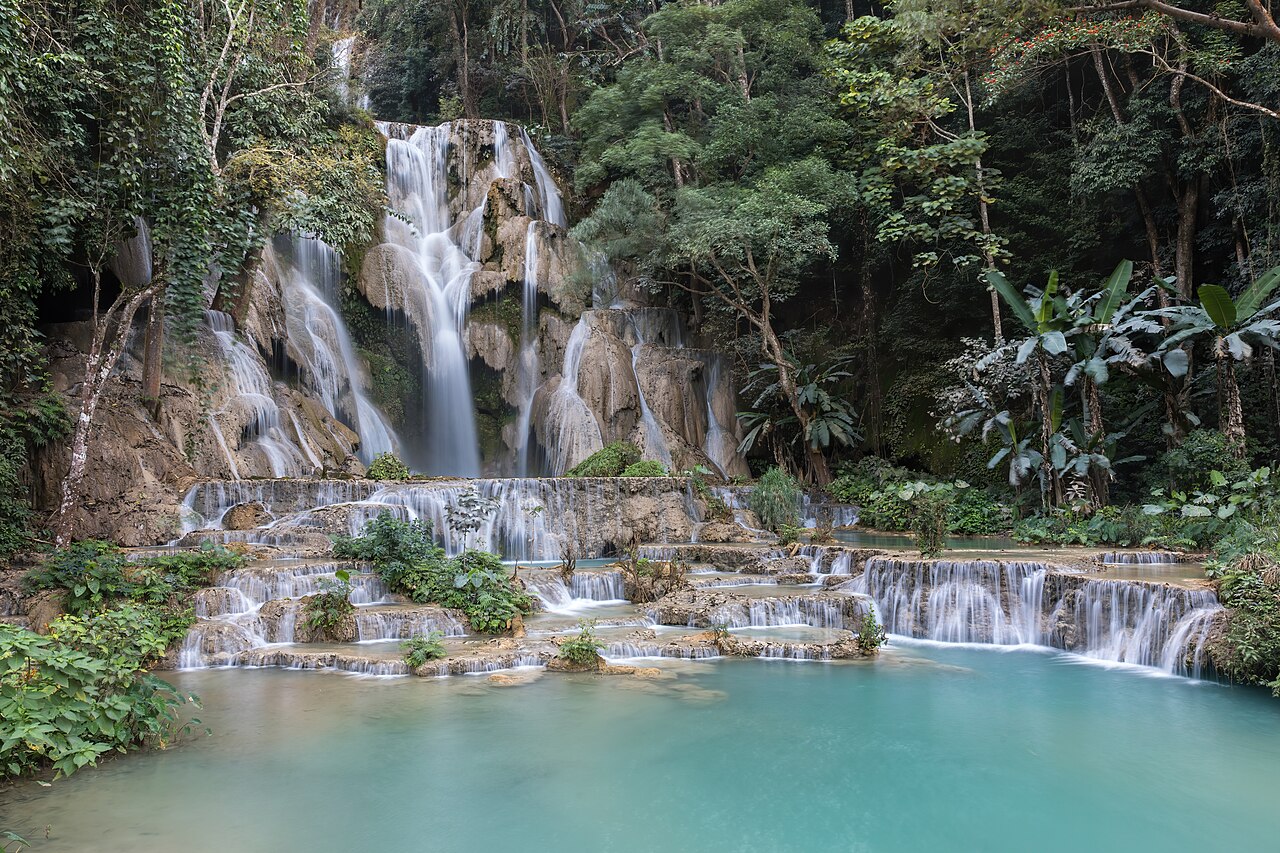
This is the classic time to come, and it is the busiest. Days are sunny and dry, mornings and evenings are cool enough to need a light layer, and the countryside is green from the rains that have just ended. It is the best time for walking, cycling, sunrise on Mount Phousi and long evenings at the night market. The Kuang Si pools turn a clear turquoise from about November, the Mekong falls and sandbars appear, and the alms-giving ceremony is at its most atmospheric in the cool dawn. The trade-off is crowds and higher prices, so book hotels, key tours and flights well ahead, particularly around the end-of-year holidays.
March to May: hot, dry and sometimes hazy
Temperatures climb quickly, and by April afternoons can be very hot. In some years, burning of fields in the region produces smoke and haze that softens the views and can irritate sensitive eyes and lungs, so it is worth checking conditions if you have asthma. The upside is fewer visitors and lower rates, and the swimming pools in hotels and at the waterfalls feel wonderful. Plan sightseeing for early morning and late afternoon, rest in the middle of the day, and carry water. Kuang Si is still lovely in March, but the water can be lower by May, and the flow at Tad Sae drops noticeably.
Mid-April: the Lao New Year
Pi Mai falls in mid-April, and Luang Prabang is one of the best places in Laos to see it. Expect processions, temple ceremonies, sand stupas, water blessings and a lot of water thrown in the streets in good humour. It is joyful and crowded, and rooms book up and prices rise. Some tours and restaurants close for a few days, so check before you plan. If you want to take part, wear clothes you do not mind getting wet and protect your phone. If you prefer quiet temples and uncrowded streets, avoid these days.
June to October: the green, rainy season
The rains arrive in force from about June and continue through September, and the whole landscape turns lush. Showers are often heavy but short, with sunshine in between, so mornings are frequently dry and good for sightseeing. This is the low season, which means quiet temples, lower hotel rates and a more local feel. Rivers rise and the Mekong turns brown and fast, boat trips can be delayed, and the Kuang Si pools can turn muddy and the trails slippery. In contrast, Tad Sae is at its best in the later part of the wet season, when the cascades are full. Bring a light rain jacket, quick-drying clothes and shoes with grip.
Festivals worth planning around
Besides Pi Mai, the end of the Buddhist rains retreat in about October is marked by boat races on the river and lantern festivities in the town, with floating offerings and illuminated boats. Dates follow the lunar calendar, so they move from year to year, and it is worth checking them when you plan. The alms-giving ceremony happens every morning of the year, whatever the season, and the night market runs every evening, though fewer stalls open in heavy rain.
What changes at the waterfalls and on the river
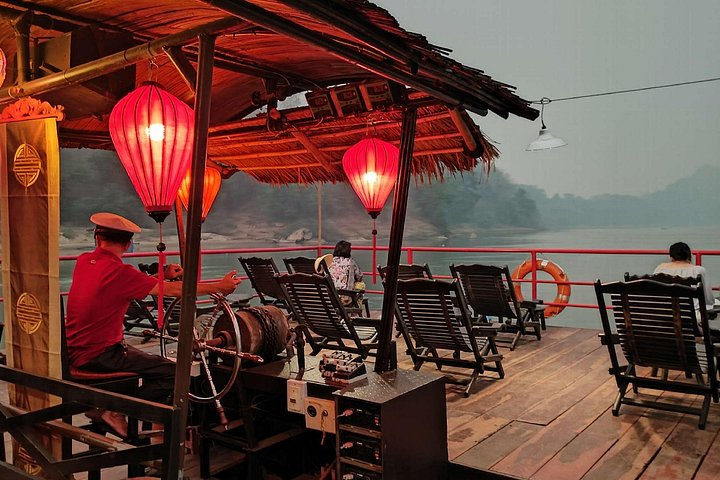
Kuang Si is best from roughly November to May, when the water is clearest and the trails are dry. In the rainy season it can run brown, and swimming pools may be closed when the flow is high. Tad Sae is the reverse, at its best after the rains and low in the hot season. Pak Ou is reachable year-round by boat, but the river is lower and calmer in the dry months, and higher and faster in the wet. A Mekong sunset cruise is lovely in the cool season, when the light is soft and the air is clear.
Our pick for most people
If you want the best balance of weather, scenery and atmosphere, choose late November to early February and book early. If you prefer quiet and lower prices and do not mind some rain, September and October are rewarding, and the town feels green and calm. If you love festivals, plan for April, and if you hate crowds, avoid the end-of-year holiday week. In the hottest months, choose a hotel with a pool and plan your days around the heat.
Booking tips
The busiest months are November to February, and the best hotels sell out first, so reserve rooms as soon as your dates are fixed. A quiet garden hotel suits the hot months, since a pool is a big advantage, while an old town hotel suits the cool months, when you will want to walk everywhere. Tours such as Kuang Si transfers, food tours and cooking classes fill up in the cool season, so arrange them a day or two ahead, and check cancellation terms because some river trips are non-refundable. If your plans are flexible, keep a free afternoon in the schedule, since rain or heat can change what works best.
What to pack by season
In the cool season, bring a light sweater or scarf for dawn and evenings, plus modest clothing for temples. In the hot season, bring a hat, sunscreen, breathable cotton and a refillable water bottle. In the rainy season, bring a rain jacket, insect repellent and quick-drying clothes. In every season, carry small kip notes for markets, tuk-tuks and entrance fees.