Three days is the sweet spot for Lucerne. It is long enough to see the city properly, take a boat on the lake and spend a full day in the mountains, and short enough that nothing feels rushed. The one rule is to hold your mountain day loosely, because the weather decides whether a summit is worth the ticket. This plan is built around that idea: a fixed city day, a flexible mountain day and a third day that can be a second mountain, a museum day or a trip further afield.
Day one: the Old Town and the lake
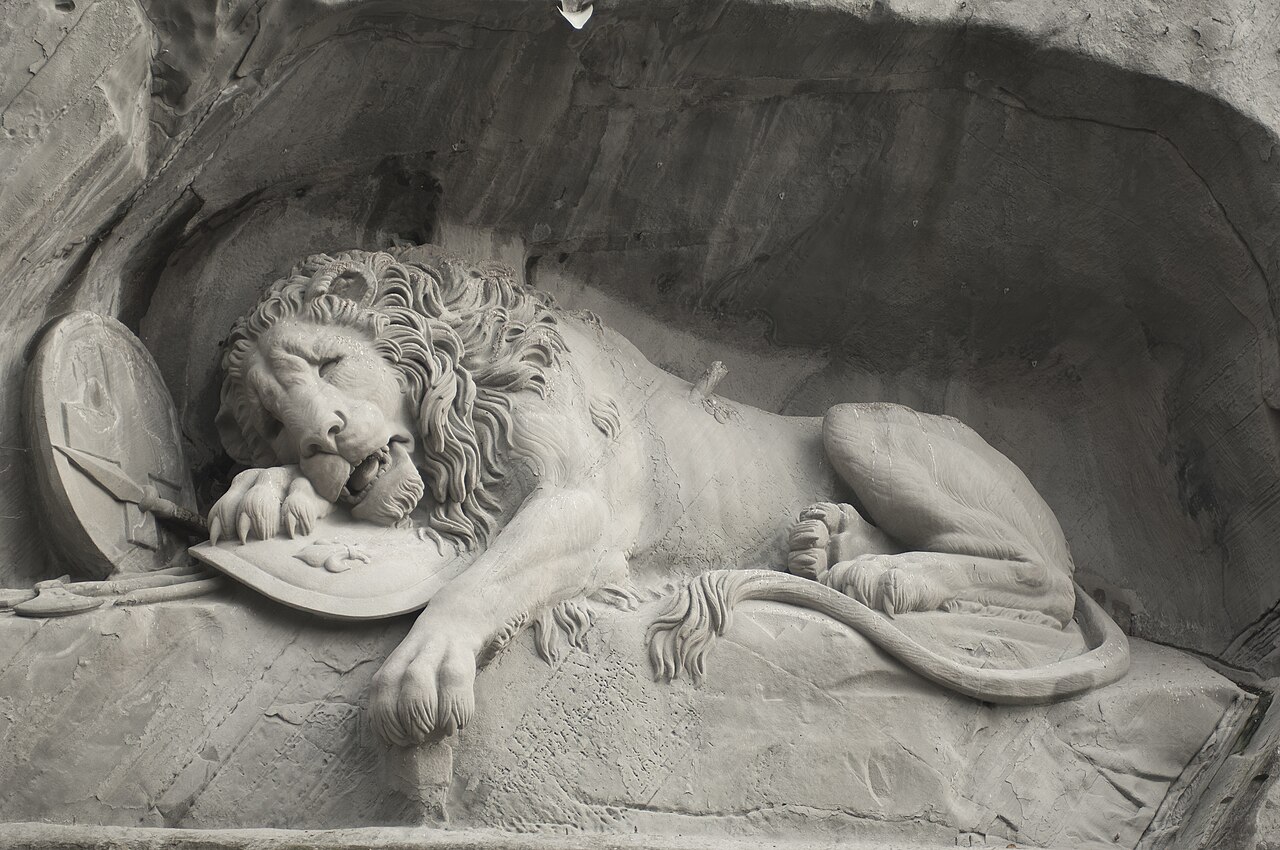
Start early at the Chapel Bridge, when the boards are quiet and the light is soft over the Reuss, then wander the Old Town squares to see the painted facades. Cross back over the Spreuer Bridge and take the lakeside promenade toward the piers. After lunch, walk up to the Lion Monument and the Glacier Garden, which sit side by side, and add the Bourbaki Panorama if you like history. In the early evening, climb the Musegg Wall if the towers are open in your season, then finish with dinner in the Old Town and a walk across the lit bridge. It is an easy, walkable day with no tickets to plan, and it shows you why the city is so loved.
Day two: choose your mountain
Pick the mountain by the forecast and the season. Mount Rigi is the most reliable choice, because its railways run all year and the ride from Vitznau or Arth-Goldau is scenic in every kind of weather. Mount Pilatus gives you a steep cogwheel railway and a gondola descent, though its lifts follow a seasonal calendar, so check which ones are running. The Stanserhorn CabriO is a short, unusual ride in the warmer months, and Mount Titlis is the pick if you want real glacier ice and deep snow, at the cost of a longer, pricier day. If the weather is poor, swap the mountain for a day of museums, and keep the summit for day three.
Day three: lake, culture or a big day trip
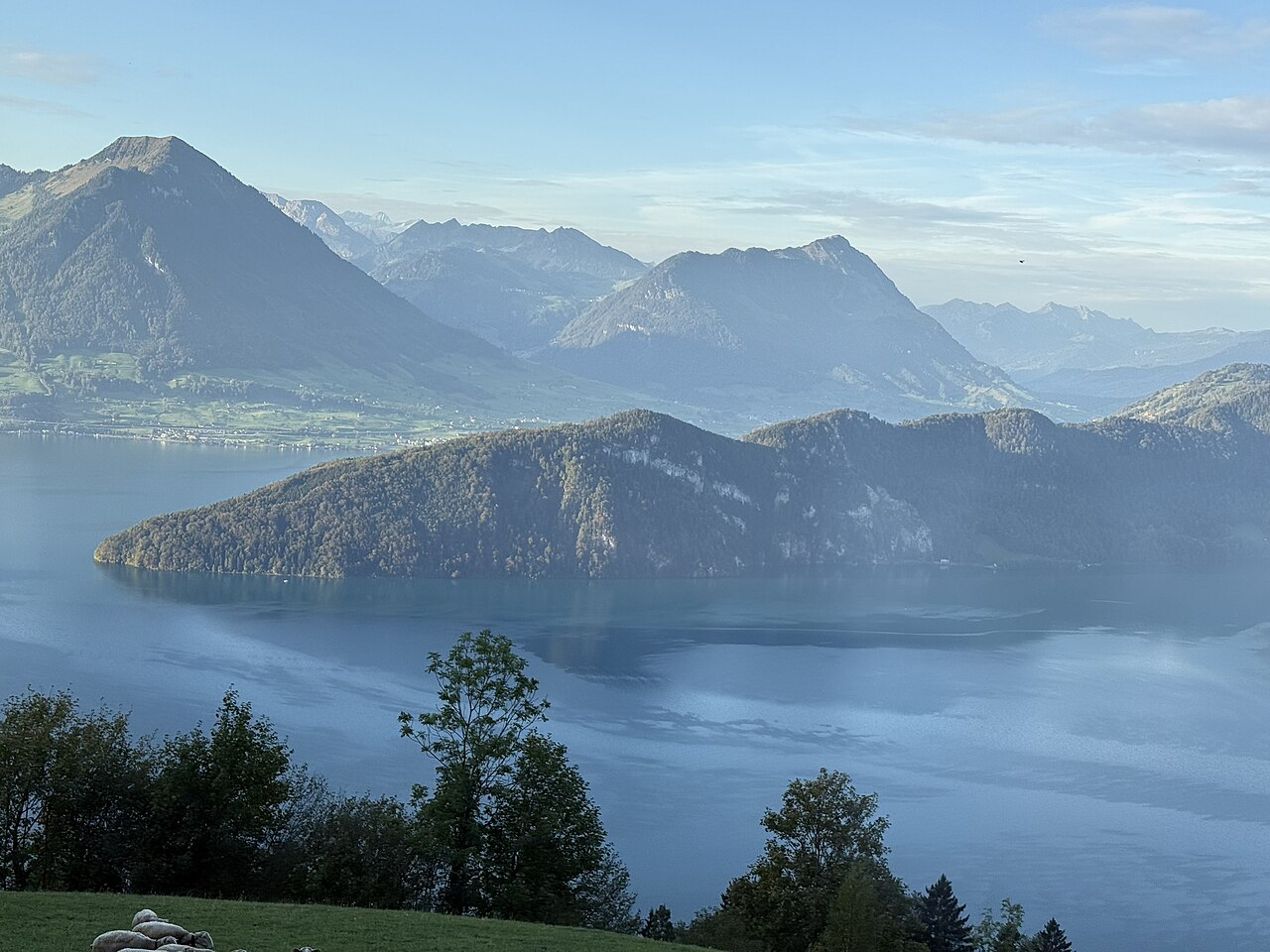
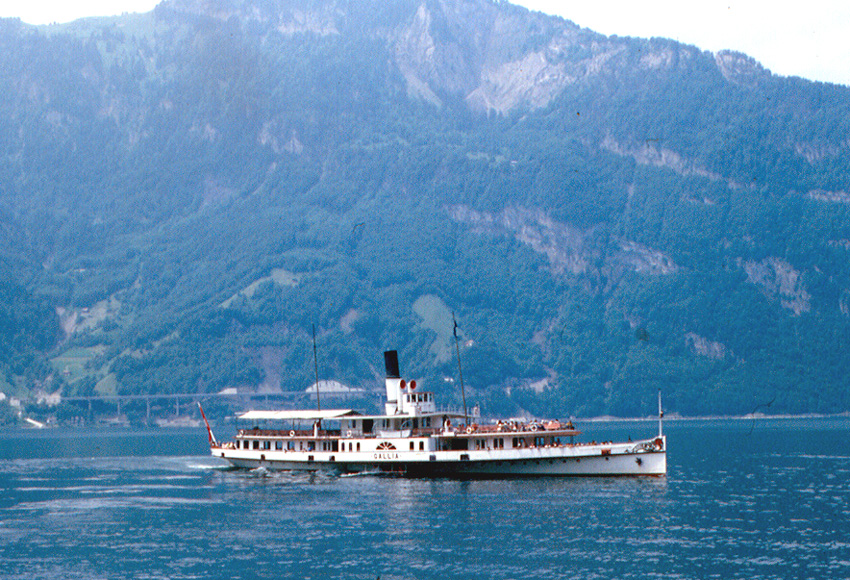
The third day is your wildcard. A Lake Lucerne cruise to Beckenried and back takes about two and a half hours and shows the shape of the lake and its mountains from the water. Combine it with the Swiss Museum of Transport, a lively all-day stop for families and railway fans, or with the Rosengart Collection for a quieter hour among Picasso and Klee. If you have a long day to spare and clear weather, the Jungfraujoch is the big excursion from Lucerne, though it is a very long day, and the Rhine Falls make a good cloudy-day alternative when the peaks are hidden.
Rainy-day swaps
Lucerne handles wet weather well. The Swiss Museum of Transport can fill a whole day, the Rosengart Collection, the Glacier Garden and the Bourbaki Panorama are all indoors, and a concert at the KKL turns an evening into an event. Keep these in your back pocket and shuffle them into the day the forecast looks poor. A good habit is to check the forecast the evening before and decide then, rather than booking everything in advance.
Logistics that make it easy
The station, the lake, the piers and the Old Town sit together, so you rarely need transport within the city. For the mountains you will use trains and boats, and a Swiss Travel Pass can cover most of them. A station-side or lakefront hotel saves time on the mountain days, and a hotel in the Old Town makes the evenings special. Book your mountain tickets once the forecast looks good, ideally with free cancellation, and leave the city sights for the days when the cloud is low.
Where to stay
Where you sleep shapes how the three days feel. A hotel by the station, such as the Waldstätterhof, saves time on the early starts that mountain days demand. An Old Town inn such as the Wilden Mann puts the lit bridge and the lanes on your doorstep for the evenings. A lakefront stay such as the Schweizerhof puts the water and the piers outside your door. All three work without a car, and all three make the transitions between the city days and the mountain days easy.
What to pack
Layers, a windproof jacket and shoes with grip are the essentials in any season, because summits are cold even in summer. Bring sunglasses and sun cream for the glare on snow and water, a small day bag for the mountain days and something warm for the evening on the lake. With these, three days gives you a satisfying mix of postcard Lucerne and the Alps beyond it.