Lucerne works in every season, but each one gives you a different city. The lake, the Old Town and the museums are open all year, while the mountain lifts, the paddle steamers and some towers follow a seasonal calendar. The best time to go depends on whether you want long days on the water, clear summits, a quieter city or snow, and on how much you mind crowds and prices.
Spring
Spring is a lovely, changeable time. Fruit trees blossom around the lake, the Old Town fills its terraces again and the lifts that rested over the winter begin to reopen, though the highest ones come back last. Weather swings between sunny and cool, so pack layers and keep the forecast in mind. Crowds are moderate, hotel prices are often reasonable outside holidays and the Musegg Wall and some mountain railways start their season. It is a good time for city days and for lower mountains like the Rigi, where the green slopes below and the snow above make a striking contrast.
Summer
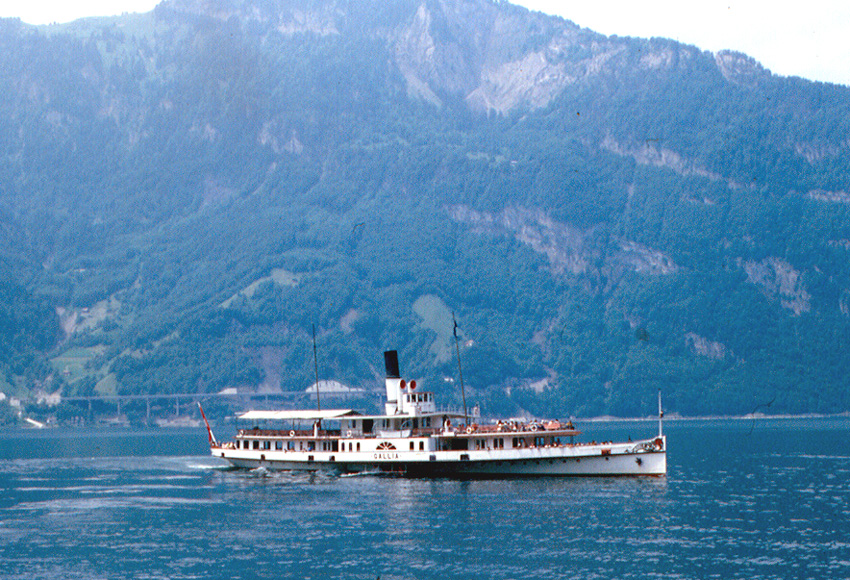
Summer is the high season, with the longest days, the warmest weather and the full programme of boats, including the historic paddle steamers, and mountain lifts. It is the best time for the full Golden Round Trip on Pilatus, the Stanserhorn CabriO, the Bürgenstock cliff walk and a swim in the lake. It is also the busiest and priciest time, with big crowds at the Chapel Bridge and the piers at midday. Start early, book popular tickets in advance and keep an eye on the afternoon, when haze and thunderstorms can spoil views. Evenings are long and lovely on the lake.
Autumn
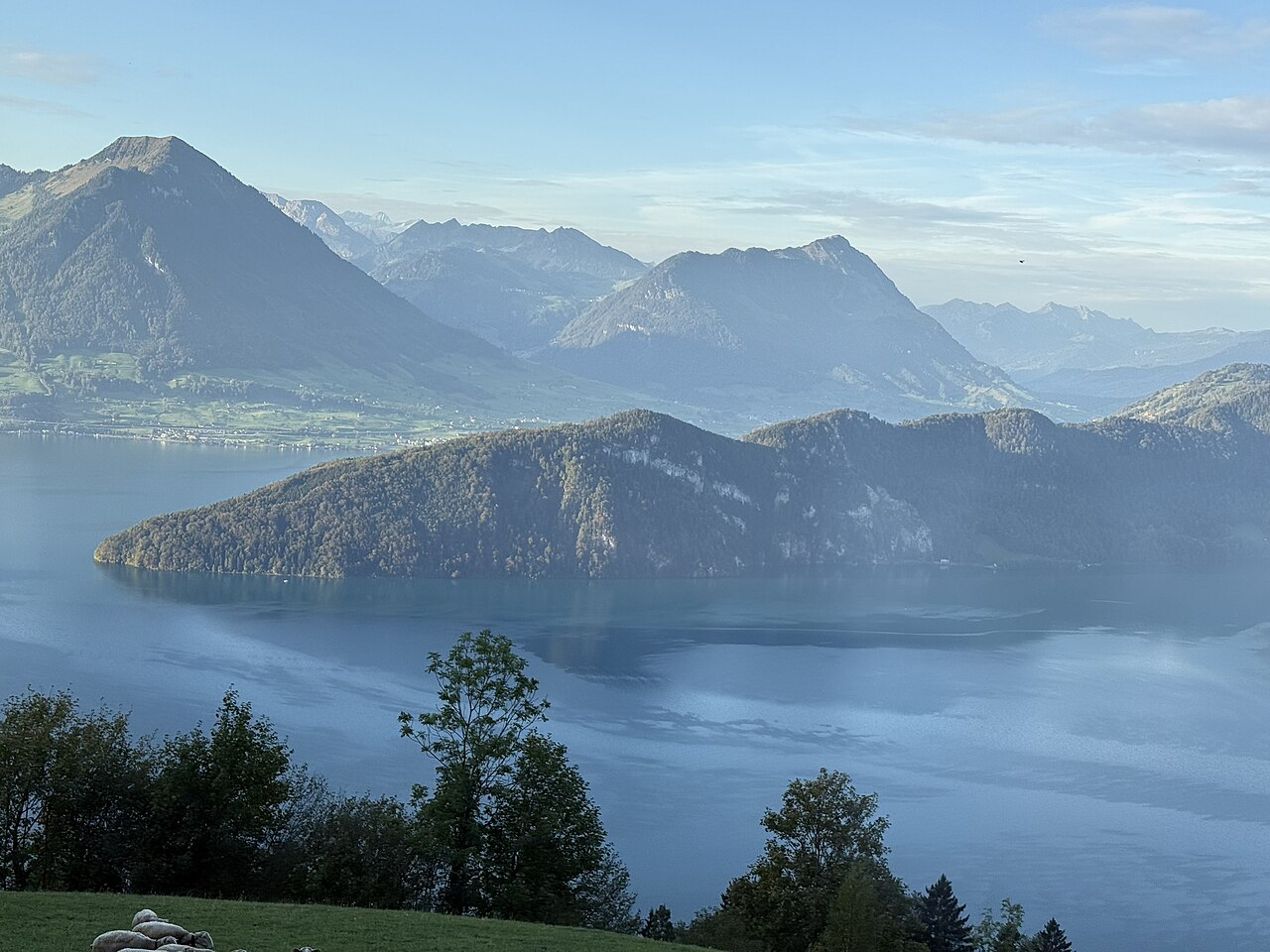
Autumn is a favourite with many regulars. The air is clear, the light is golden and the lake and the slopes turn rich colours. Crowds thin after the summer peak, and on still days a sea of fog often fills the valleys while the summits stand bright above it, which makes Rigi and the Stanserhorn especially rewarding. Some seasonal services end as the weeks pass, including some lifts and boats, and some mountain sights close for maintenance, so check calendars before you plan a specific mountain. Evenings come early and it can turn cold quickly, so bring warm clothes.
Winter
Winter is the quiet season, with the lowest hotel rates outside the holidays and an atmospheric Old Town. The boats run on a reduced winter timetable without the paddle steamers, the Pilatus cogwheel and the Stanserhorn rest, and the towers of the Musegg Wall are closed. The Rigi railways and the Titlis lifts keep running, so there are still mountain days, and Titlis offers real snow and a glacier. Museums, the KKL and the cafés come into their own, and the city looks beautiful under a dusting of snow. Dress warmly, because evenings are dark and cold.
Crowds, prices and booking
The busiest times are the summer months, the school-holiday weeks and weekends when festivals and concerts fill the city. If you can, visit on weekdays and in the shoulder seasons of late spring and early autumn, when the weather is often good and the crowds are lighter. Book hotels early for summer and festival dates, and buy mountain tickets once the forecast looks good, with free cancellation where possible.
Weather and daylight
Lucerne sits at the foot of the Alps, so the weather can change within a day. Summer afternoons can bring thunderstorms after a clear morning, which is a good reason to schedule summits early. In autumn and winter the lowlands can lie under fog for days while the mountains above are in sunshine, so a grey morning in the city is not a reason to give up on the views. Daylight is long in summer and short in winter, when the sun sets in the late afternoon, so plan outdoor activities for the middle of the day and keep museums and dinners for the evening.
Events and festivals
The city hosts concerts and festivals through the year, with music at the KKL a particular strength, and the Old Town has markets and seasonal events. Dates change from year to year, so check the calendar when you plan, and book hotels well ahead if your stay overlaps with a big event, because rooms in a small city fill quickly.
How to choose
For long days and the full programme, choose summer. For clear air, fewer people and golden light, choose early autumn. For blossom and a gentle start, choose late spring. For snow, cosy evenings and quiet streets, choose winter. In every season, keep your mountain day flexible, because the weather decides the view.