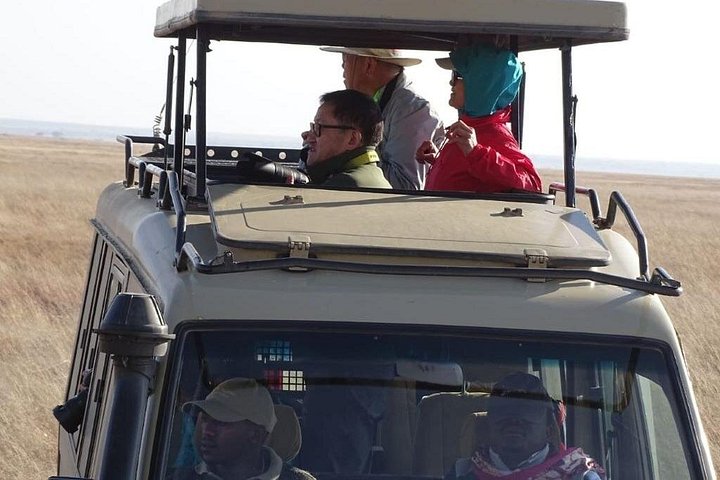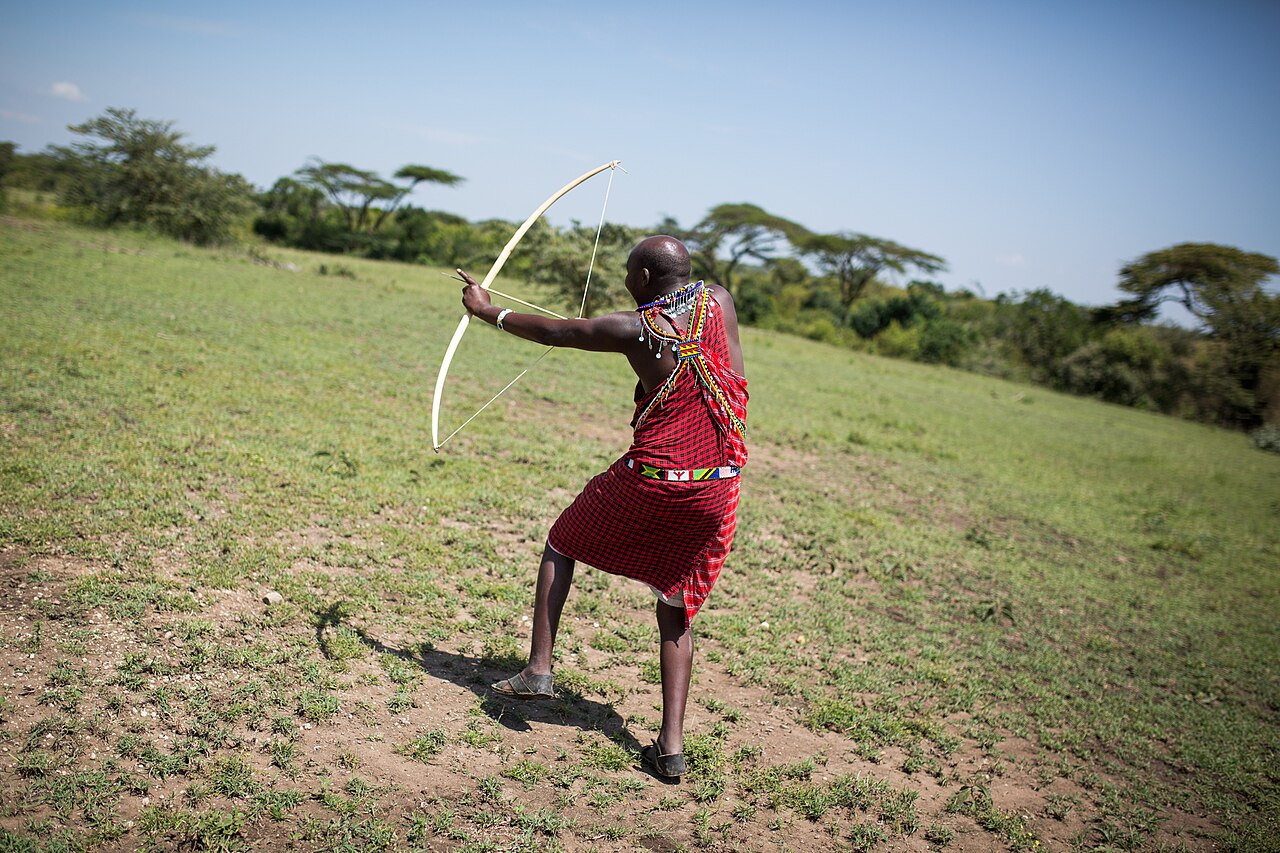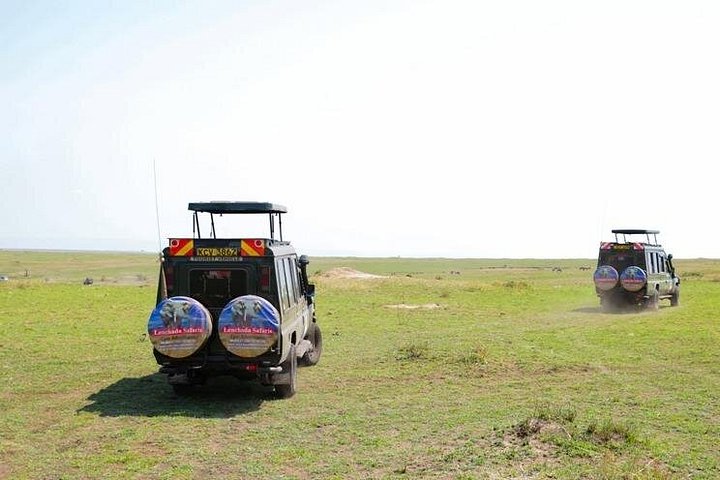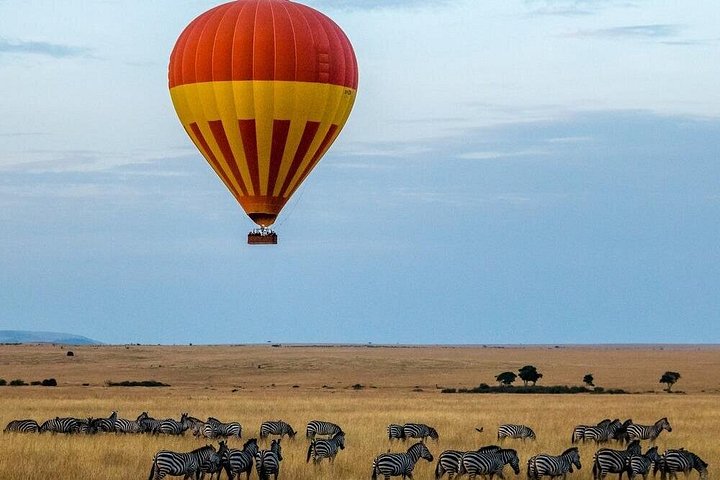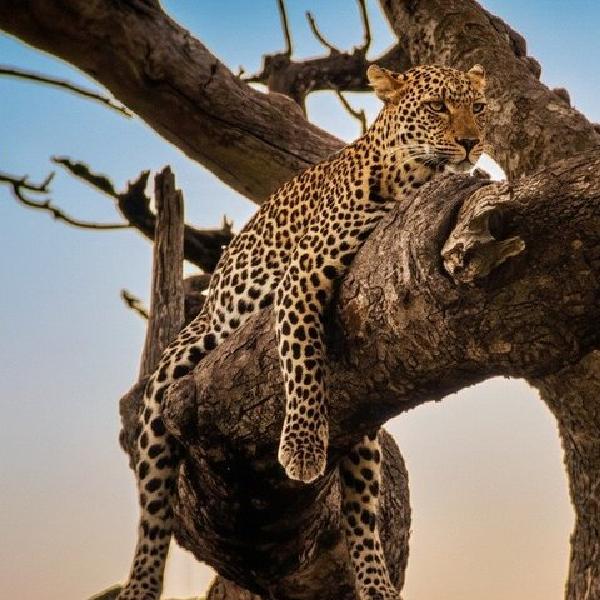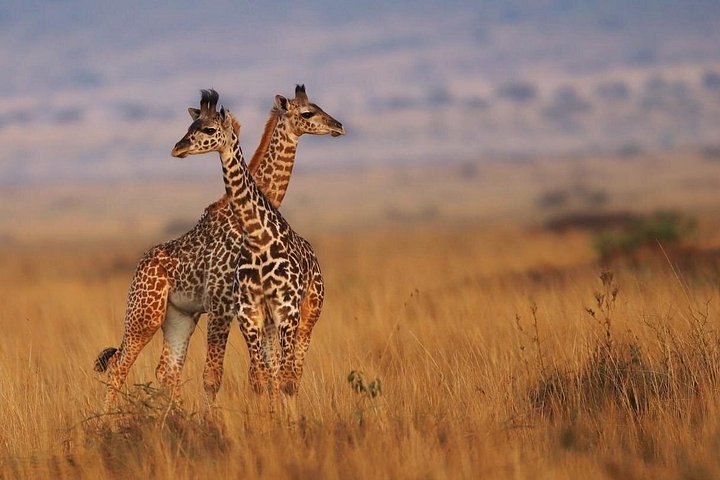
Around the northern and western edges of the national reserve lies a patchwork of community conservancies, areas of Maasai-owned land leased to camp operators and managed for wildlife and for the landowners’ income. The best known are Mara North, covering around 320 square kilometres, Mara Naboisho, which exceeds 200 square kilometres, Olare Motorogi at around 140 square kilometres and the smaller Ol Kinyei. Camps in these areas are limited in number and size, so there are far fewer vehicles than in the reserve itself, which means long, quiet sightings of lions, leopards, cheetahs, elephants and giraffes. Guides in the conservancies can often drive off the main tracks to follow an animal, and the conservancies allow activities that are banned inside the national reserve: walking safaris with armed guides, night drives from dusk to around midnight and, in some areas, horse riding. They also benefit local people directly through lease payments, which gives the Maasai landowners a stake in protecting wildlife.
How you visit depends on where you stay. Conservancy access is mainly through your camp or lodge, so there is rarely a separate ticket to buy and no general-public gate, and you pay a daily conservancy fee instead of, or in addition to, the reserve fee depending on your itinerary.
Reported fees for non-resident adults range from roughly 80 to 120 US dollars per day, with lower rates for children, but figures vary by conservancy and season, so ask your camp for the current rate. Most guests combine conservancy mornings with reserve visits for the river crossings, which are inside the national reserve.
What sets the conservancies apart is the pace. You can sit with a pride of lions for an hour without another vehicle in sight, take a guided bush walk to learn about tracks, dung and insects, or head out after dark with a spotlight to see hyenas, bush babies and aardvark. The Naboisho and Mara North areas are known for strong lion numbers, and Olare Motorogi is popular for leopards and cheetahs. Elephants and giraffes are common, and wild dogs are seen occasionally.
Who it suits
Travellers who value privacy and flexibility over low prices, as camps in the conservancies tend to be small and expensive. If you are on a budget, you can still sample the area by choosing a camp on the edge of a conservancy or adding a single night to a reserve safari.
Book well ahead for the migration season, and ask whether walking and night drives are included in the rate or charged separately. Dress in neutral colours, follow your guide’s instructions closely on foot and keep voices low to get the most from the experience.
Why the model matters
Conservancies spread tourism income to hundreds of Maasai landowners and give them a reason to keep land open for wildlife rather than fencing it for farming or heavy grazing. When you stay in one, you are helping to fund that arrangement through lease payments and conservancy fees. Visitors are asked to respect the rules that keep numbers low, such as limits on vehicles at a sighting, and to follow the camp’s guidance on conduct.
It is a conservation approach that has helped to protect habitat on the edge of the national reserve, and it is one reason the Mara continues to attract top-quality wildlife viewing.
What to expect
The experience
Game drives, bush walks and night drives from a small camp inside a private conservancy next to the reserve.
Best time
Year-round; July to October for the migration crossings in the reserve, January to March for quiet plains.
How long
Two to four nights is ideal.
Tips
Ask what is included, including the daily conservancy fee, walks and night drives.
Quick picks
- Best for
- Travellers who want privacy, off-road viewing and walking safaris.
- Families
- Many camps set minimum ages for walks and night drives, so check first.
- Couples
- Small camps and quiet bush make this a top choice for honeymoons.
- Pair with
- A day in the Mara Triangle or at the Mara River.
- Time needed
- Two nights or more.
Good questions
What is a conservancy?+
A conservancy is a private or community-owned area managed for wildlife, with limited camps and vehicles. In the Mara, Maasai landowners lease the land to operators.
Can I walk or drive at night in the reserve?+
No. Walking safaris and night drives are allowed in the conservancies but not in the national reserve.
Are conservancies more expensive?+
Generally yes. Camps are small, vehicle numbers are limited and conservancy fees are charged on top of lodging.
Do I still need a reserve ticket?+
If you also visit the reserve, for example for river crossings, you pay the reserve fee for those days.
Which conservancy is best?+
It depends on your priorities. Mara North and Naboisho are known for lions, Olare Motorogi for leopards and cheetahs.