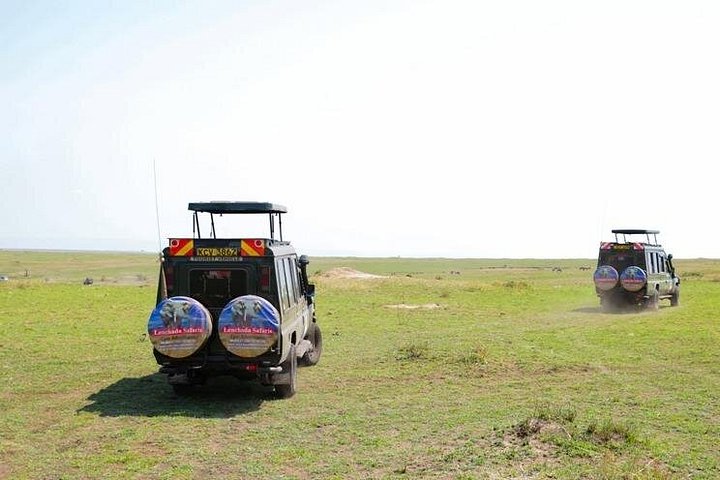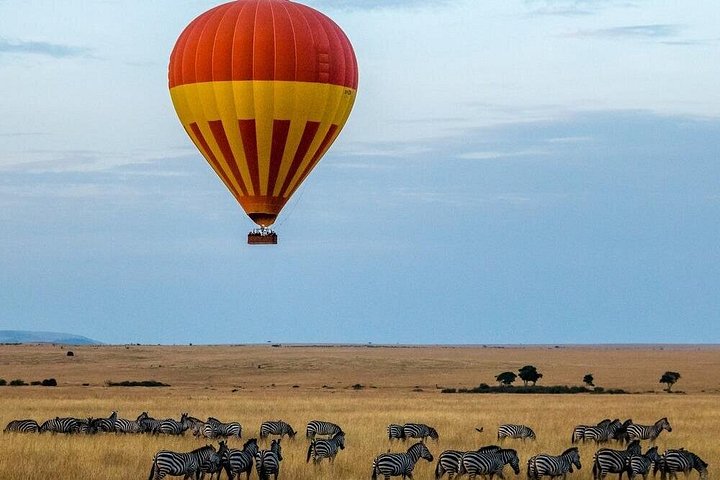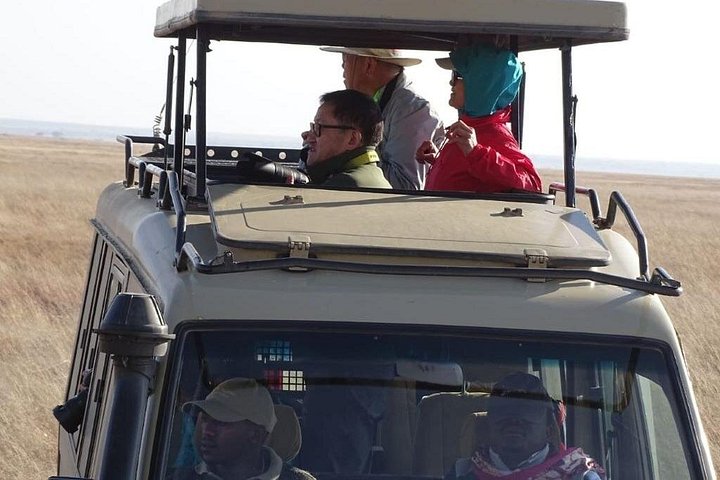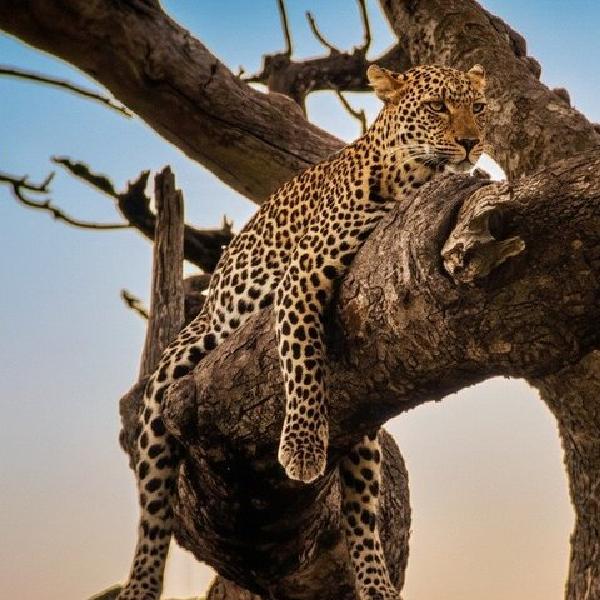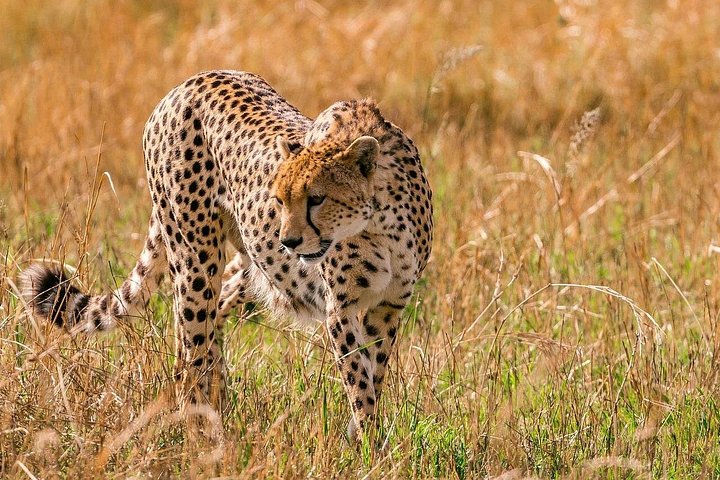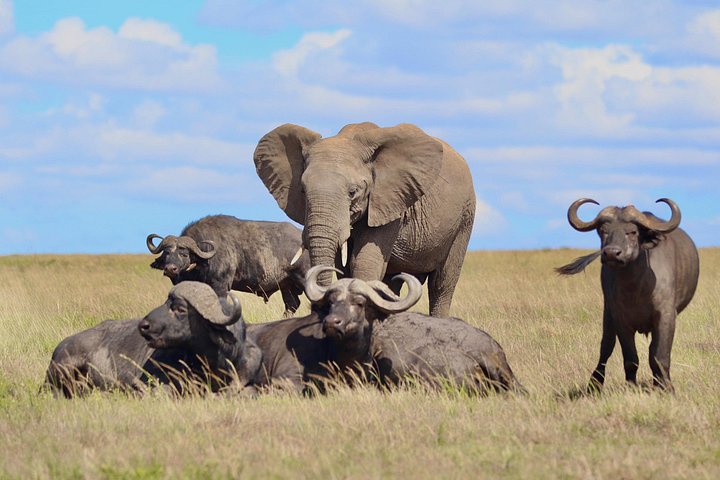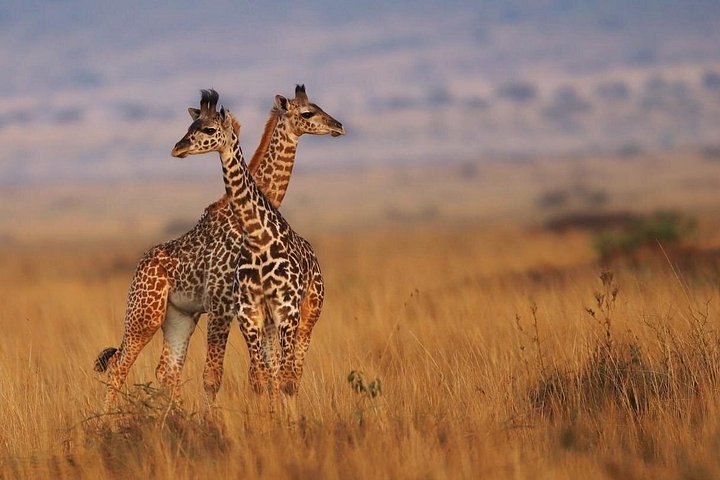
The south-east of the Maasai Mara, around Keekorok and the Sand River, is often overlooked by visitors who head straight for the Mara River or the northern cat country. Yet this corner has its own appeal. It is the area where the first migration herds usually arrive from the Serengeti, crossing the Sand River on the Tanzanian border before spreading across the plains. The landscape is open grassland with scattered trees, and it supports lions, cheetahs, elephants and large herds of plains game. Keekorok Lodge, one of the older lodges in the reserve, anchors the area, and the Sand River Gate provides access from the south. Vehicle numbers are generally lower than in the north, so sightings can feel more private, and the long views make it a good place for photography. The open horizons here reward patience, and the gentle light at dawn and dusk is ideal for photography and for spotting the herds as they drift north.
Because the southern sector is a general area rather than a ticketed attraction, we link the national tourism board for background. Access is through the Narok County gates, and you can explore with a guide as part of any reserve safari. Staying at a lodge in the south, such as the one at Keekorok, saves driving time and lets you reach the river and the border zone quickly in the early morning.
What to do
Look for early migration arrivals in July and August, scan the plains for cheetahs, and visit the Sand River, which marks the boundary with Tanzania. Some operators run drives to the border area, but you cannot cross without proper documentation. The south has fewer permanent water sources than the north, so wildlife concentrates near rivers and waterholes in the dry months.
Tips
A drive from the south to the Mara River takes time, so decide whether to base yourself in one area or move between sectors. If you travel with a group safari, ask about the route and whether time in the south is planned. The region is a good choice for repeat visitors seeking a quieter experience, and for those who want to see the very start of the migration season. Pack the usual essentials, including binoculars, layers and sun protection.
Routes and timing
The southern sector is reached from the same direction as other gates, but internal roads take time, so allow a day to explore it fully. In the green season, the southern plains are lush and the herds are often elsewhere, but resident wildlife remains.
Bring a map or a guide who knows the tracks, and carry enough water, since services are limited. A combination of a night in the south and a night in the north gives variety, and the contrast between sectors is one of the reasons the Mara rewards repeat visits.
Ask your guide about road conditions before heading out, since some tracks near rivers can be impassable after heavy rain, and tell someone at camp where you are going. Carry a spare water bottle, a hat and a camera with a long lens, as distant plains reward patient scanning. The reward for exploring this quiet corner is often an uncrowded sighting you will remember.
What to expect
The experience
Game drives in the south-east sector of the reserve, around Keekorok and the Sand River.
Best time
July and August for early migration arrivals; dry months for wildlife at water.
How long
A half or full day.
Tips
Base yourself in the south to save driving time and bring binoculars.
Quick picks
- Best for
- Repeat visitors and migration followers.
- Families
- A calm sector with long views.
- Couples
- Fewer vehicles and wide horizons.
- Pair with
- A balloon flight from the Keekorok area.
- Time needed
- A half to full day.
Good questions
Where is the Sand River?+
On the southern boundary of the reserve with Tanzania.
Is it less busy?+
Generally yes compared with the northern sector.
Can I cross into Tanzania?+
Not without the proper documents and arrangements.
When do herds arrive?+
Often from July, but timing varies.
Is Keekorok a good base?+
It suits visitors who want to explore the south.