Málaga used to be the airport people passed through on the way to the beach. Now it is a destination in its own right: a compact, walkable old town packed with Moorish monuments and art museums, a lively port, a city beach and some of Andalusia’s best day trips within an hour or two. A little planning helps you see the best of it. Here is how to shape a first visit.
How many days
Three days is the sweet spot for a first visit. Two days cover the old town at a comfortable pace: the Alcazaba, Gibralfaro, the cathedral, the Picasso Museum and the Centre Pompidou. A third day adds one big day trip, either the Caminito del Rey or Ronda. With four or five days you can add the Nerja caves, spend an afternoon on the beach and slow down for long lunches.
What to book ahead
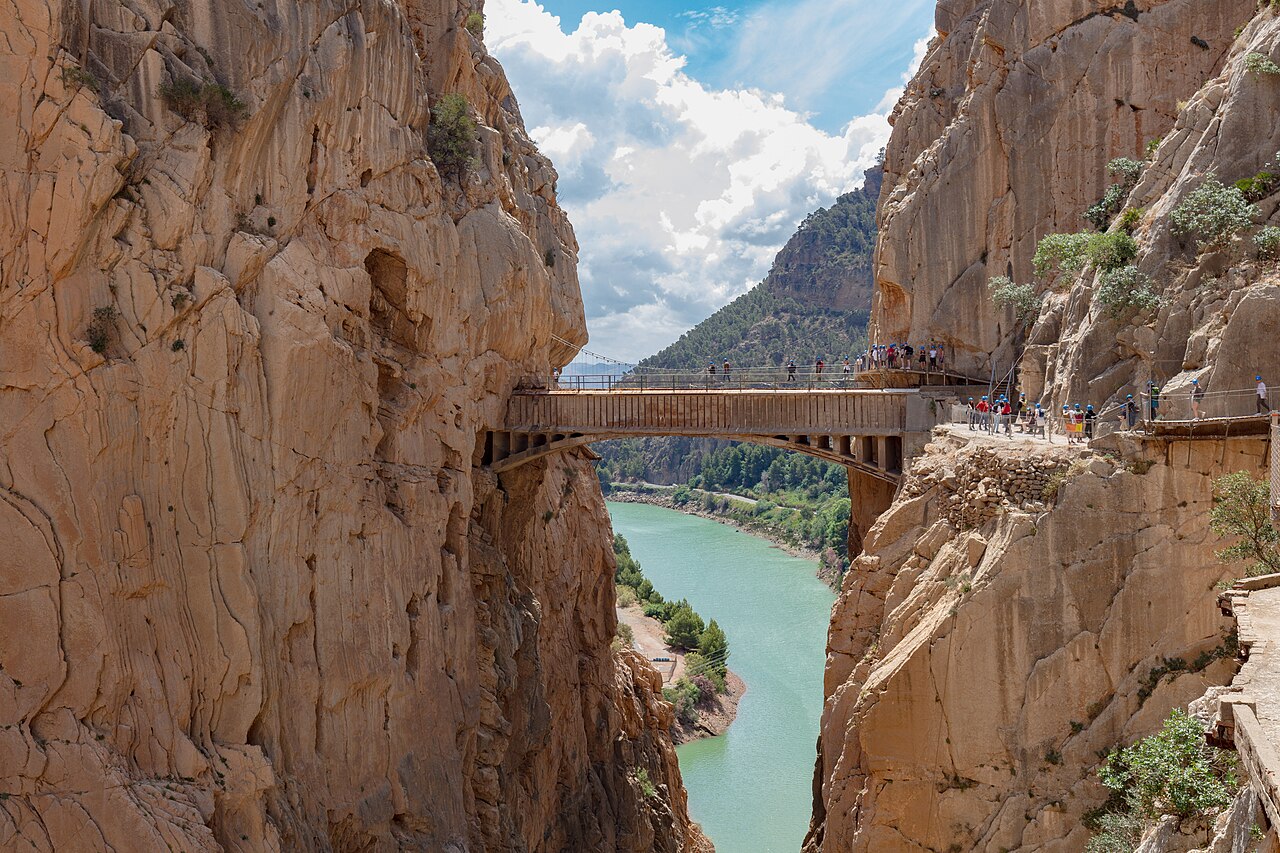
The Caminito del Rey is the one ticket that truly sells out, especially on spring and autumn weekends, so book it as soon as your dates are fixed, and remember it is closed on Mondays and that children under 8 are not allowed. Ronda day tours and transport to the Caminito also fill up. In the city, book a timed ticket for the Picasso Museum to skip the late-morning cruise crowds, and a seat at a flamenco show, because the venues are small. The Alcazaba guided tour, the Nerja caves and the sunset catamaran are worth booking a day or two ahead in high season.
Getting in
Málaga airport is about 8 kilometres from the centre. The local Cercanías train runs from the airport to María Zambrano station and Centro-Alameda in the city centre in a few minutes, and an express bus links the terminals with the port area. Taxis are plentiful and reasonably priced. High-speed trains from Madrid arrive at María Zambrano in under three hours.
Getting around
The old town is compact and largely pedestrian, so walk. The only real climb is to Gibralfaro Castle, where the city bus or a taxi up and a walk down is the smart plan. For day trips, use an organised tour or a hire car: the Caminito del Rey is inland near Ardales, Nerja about 50 kilometres east along the coast and Ronda up in the mountains to the west. Trains also run to El Chorro for the Caminito.
Day one: Moorish and Roman Málaga
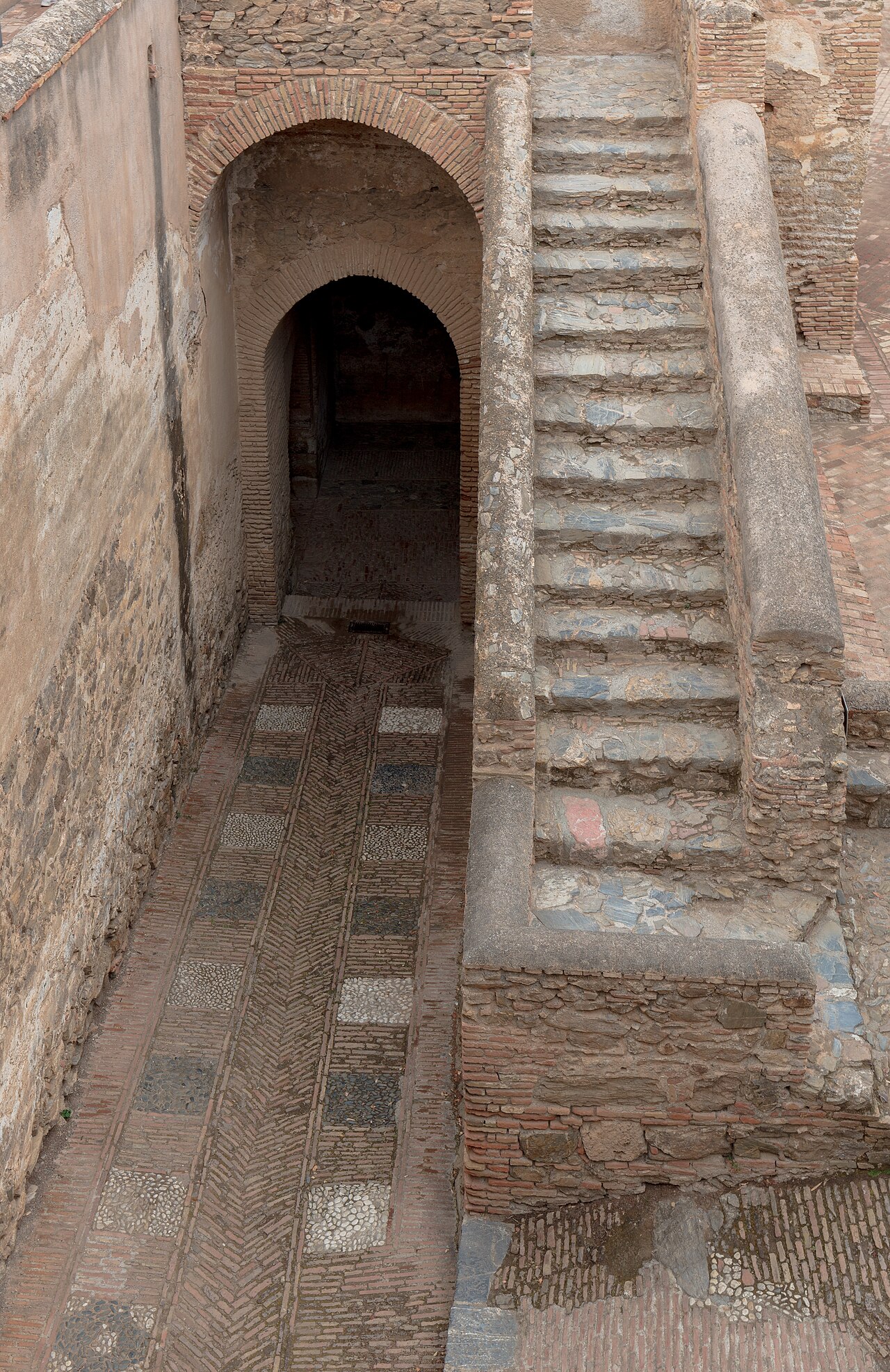
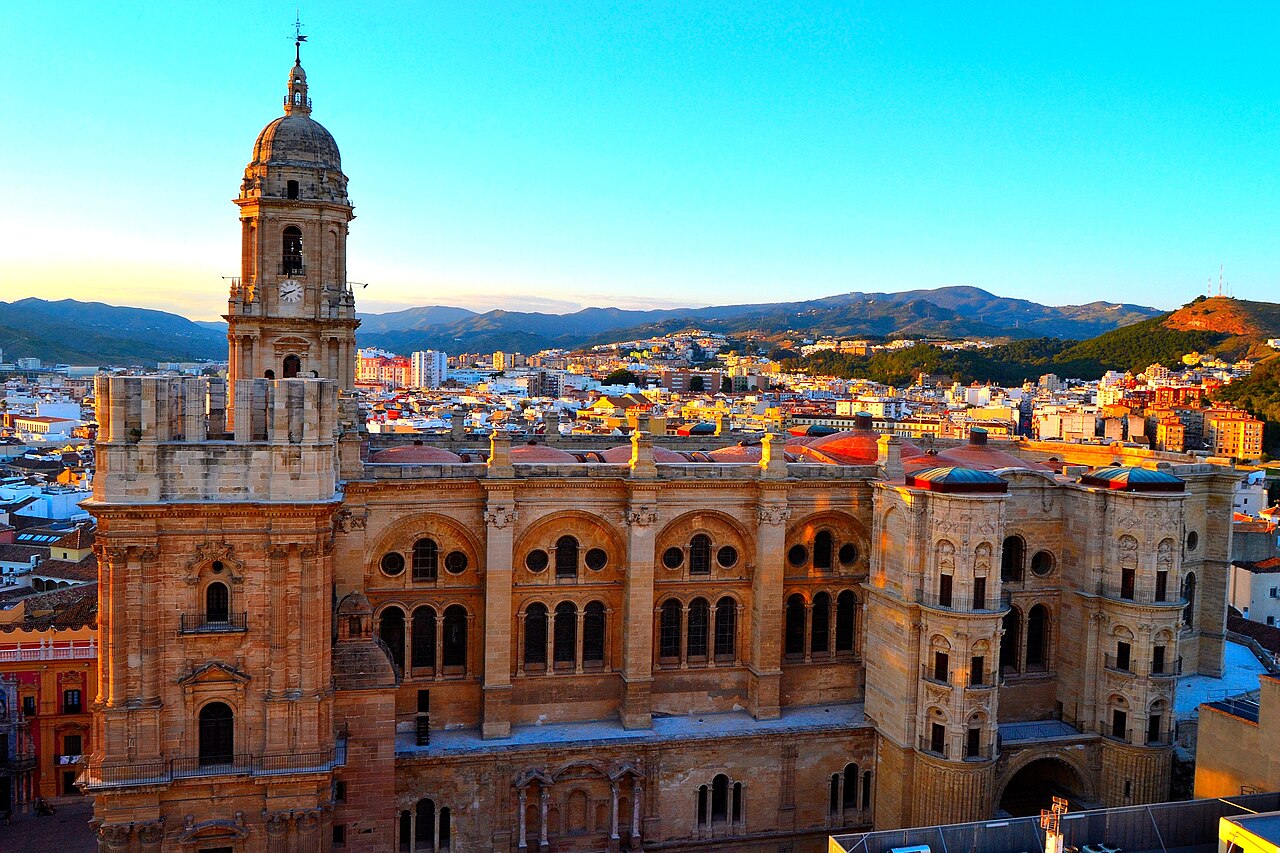
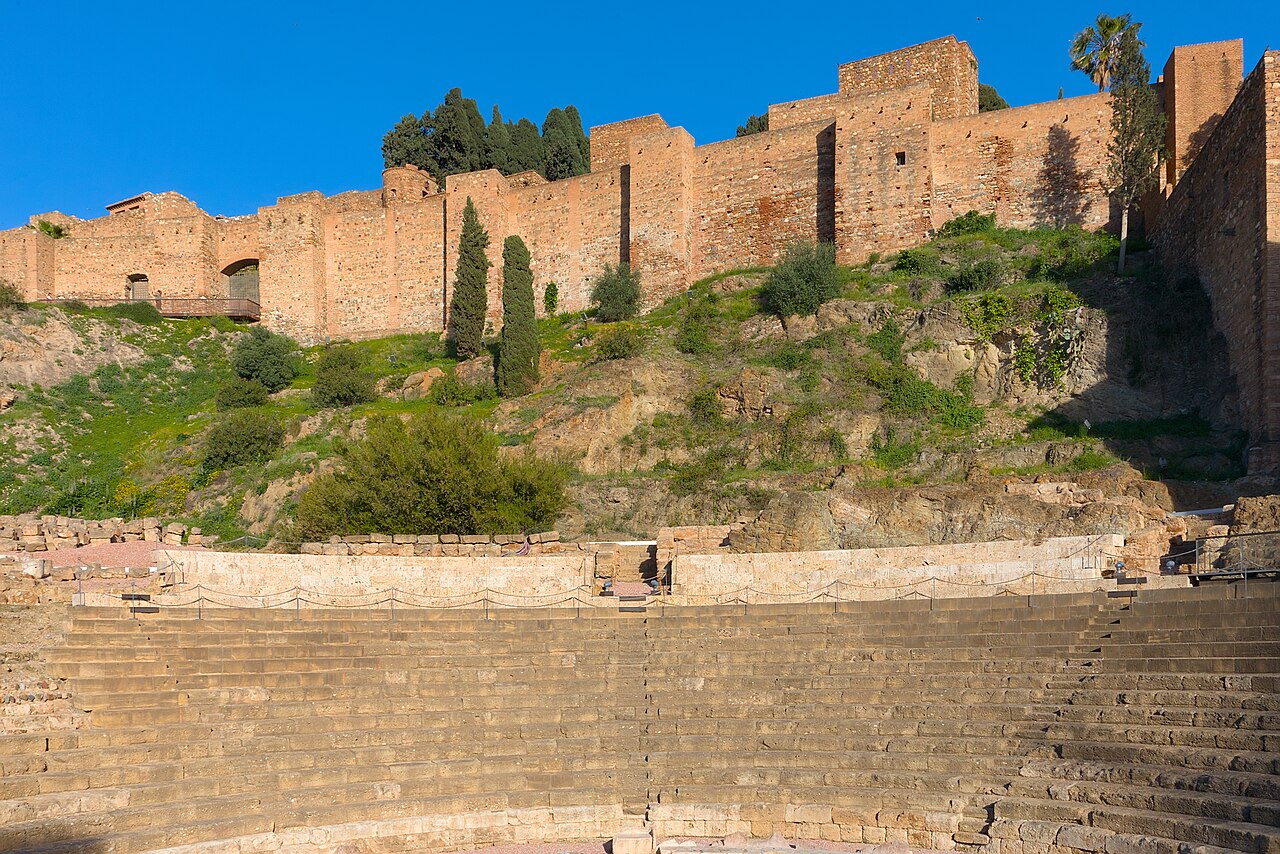
Start at the Roman Theatre and climb through the Alcazaba to its palace courtyards. Continue up to Gibralfaro, using the combined ticket, and walk the ramparts for the view. After lunch, visit the cathedral, known as La Manquita for its missing tower. Note that rooftop tours are suspended while a new roof is built, with the works expected to run to around late 2027. Finish at the Mirador de Gibralfaro or on a terrace in the Plaza del Obispo.
Day two: art and the port
Spend the morning at the Picasso Museum and see his birthplace on the Plaza de la Merced. In the afternoon, walk to the Muelle Uno waterfront for the Centre Pompidou under its coloured glass cube, which is generally closed on Tuesdays, then board the sunset catamaran from the same quay. End with tapas in the old town and a flamenco show.
Day three: a big day out
Choose the Caminito del Rey for drama and exercise, or the guided tour to Ronda and Setenil de las Bodegas for history, gorges and white villages. Both take most of the day. Families with younger children can swap in the Nerja caves and the town’s Balcón de Europa instead.
Seasons
Málaga has mild winters, which makes November a good time to visit: pleasant sightseeing weather, thin crowds and lower hotel prices, though too cool for most to swim. Spring and autumn are ideal for the Caminito del Rey. July and August are hot and busy, and Holy Week and the August fair fill the city, so book hotels early for those dates.
Eating and timing
Málaga eats late: lunch from around 2pm and dinner rarely before 9pm. Try fried fish, espetos of sardines grilled on the beach, and a glass of sweet Málaga wine in an old bodega. Many monuments close earlier in winter, so plan sightseeing for the morning and early afternoon.