Fort St Angelo stands on the very tip of the Birgu peninsula, facing Valletta across the mouth of the Grand Harbour, and for more than four centuries it has been the strongest point on the island. There was a castle on the rock in the Middle Ages, but its great days began in 1530, when the Knights of St John arrived in Malta and made Birgu their base. They turned the old castle into the seat of the Grand Master and strengthened it into a bastioned fortress. When the Ottoman fleet attacked in 1565, the Knights and the Maltese fought off assault after assault around this tip of land, and St Angelo became the symbol of the siege’s defiance. Once Valletta rose on the opposite shore, the Order moved its capital, but the fort kept its role as a garrison and prison. Walking through it today is a layered experience. You pass through the defences into a warren of courtyards, vaulted halls and gun positions, with a small chapel dedicated to St Anne that is among the oldest buildings in the complex. Below, there are prison cells and passages worn by centuries of use, while the upper terraces give a panoramic view of the harbour, the bastions of Valletta, Senglea’s Gardjola watchtower and the forest of masts in the marinas. In the twentieth century the British Royal Navy used the fort as a base and named it HMS St Angelo, and Second World War bombing left heavy scars before careful restoration reopened it to visitors. Information boards and an audio guide tie the architecture to the history, and the interpretation is good enough that you can follow the story without a guide.
Plan on about ninety minutes inside, longer if you like to read every panel or linger on the terraces for photographs. The route includes steps, ramps and uneven stone, and there is little shade on the open ramparts, so bring a hat and water in summer and sturdy shoes at any time of year. The ticket is for entry with an audio guide, and opening days and hours change with the season, so check before you go rather than assuming it is open every day. Heavy rain can make some of the stone surfaces slippery.
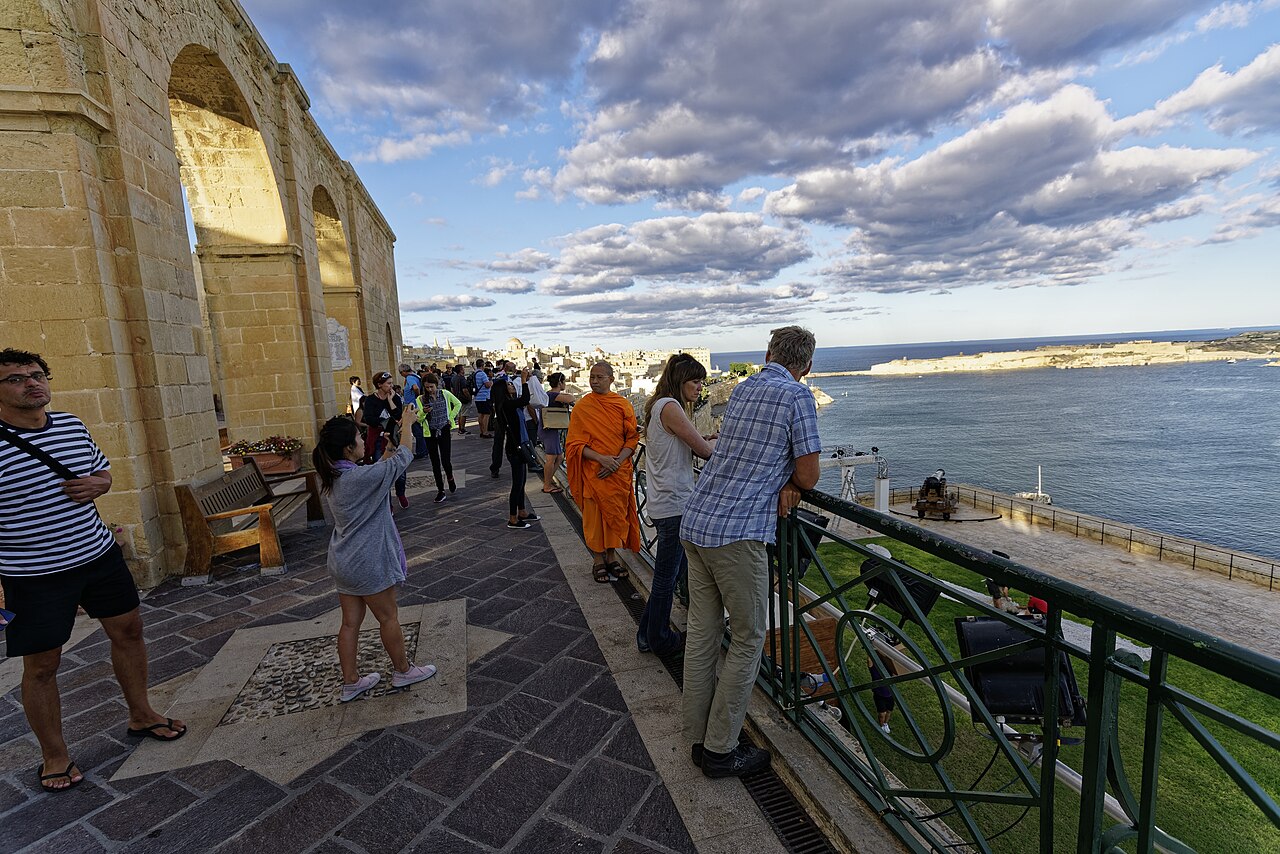
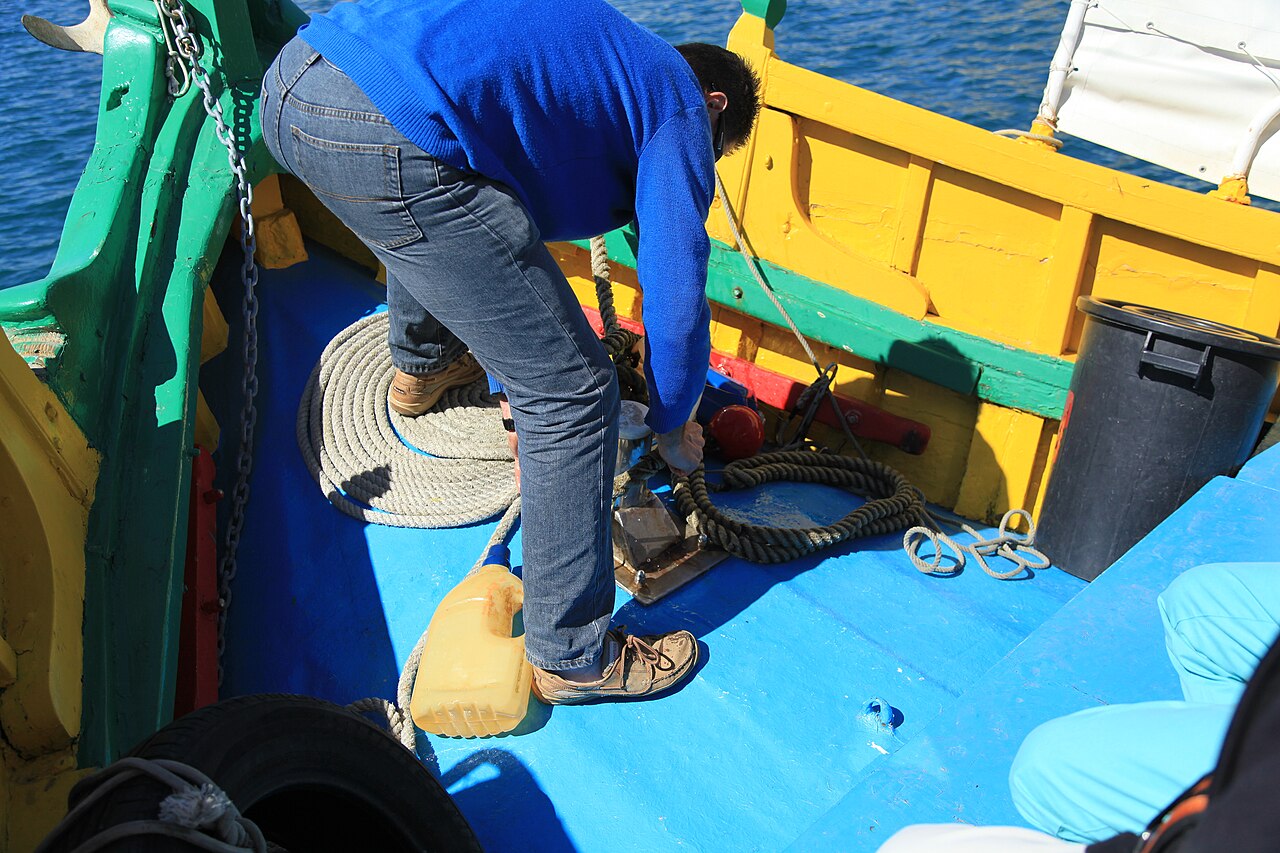
The best way to arrive is by water. Take the ferry that crosses from below the Upper Barrakka Gardens (reached by the Barrakka Lift) to Birgu, or a traditional dgħajsa water taxi, and you approach the fort exactly as the Knights’ supply boats did. From the Birgu waterfront it is a few minutes’ walk along the quay to the entrance.
Many visitors combine the fort with a stroll through Birgu’s lanes, a stop at the Inquisitor’s Palace, and lunch by the marina before taking the ferry back or walking on to Senglea for the Gardjola view.
If you only have a day for the Three Cities, start here while it is cool, then spend the afternoon wandering the streets of Birgu and Senglea. For history lovers, it makes sense to visit Valletta’s fortifications and St Elmo first, then cross the harbour and see the other side of the story.
Walking the ramparts with Valletta glowing across the water, especially in late afternoon, is one of the most atmospheric moments of a Malta trip. Families with children who like castles will find plenty of nooks to explore, though a few edges are steep and need supervision.
What to expect
The experience
Self-guided visit with an audio guide through courtyards, chapel, prison cells and the open ramparts.
Best time
Morning or late afternoon, when the stone is cooler and the harbour light is at its best.
How long
About ninety minutes.
Tips
Arrive by ferry from below the Upper Barrakka Gardens, wear sturdy shoes and bring water; there is little shade on the ramparts.
Quick picks
- Best for
- Siege history, fortress architecture and some of the best harbour views in Malta.
- Families
- Children who like castles enjoy the passages and ramparts; watch younger ones near steep edges.
- Couples
- Time your visit for late afternoon, when Valletta turns gold across the water.
- Pair with
- Birgu’s lanes and the Three Cities, plus a Grand Harbour cruise.
- Time needed
- Ninety minutes, or half a day with Birgu.
Good questions
Why is Fort St Angelo important?+
It was the Knights of St John’s headquarters from 1530 and the heart of the defence during the Great Siege of 1565, before the Order moved to Valletta.
How do I get there from Valletta?+
The most atmospheric way is the ferry from below the Upper Barrakka Gardens to Birgu, followed by a short walk along the waterfront. A traditional water taxi also makes the crossing.
How long does a visit take?+
Allow about ninety minutes, more if you enjoy reading the displays or taking photographs from the ramparts.
Is the fort suitable for children?+
Yes for those who enjoy exploring, but there are steps, uneven surfaces and drops, so younger children need close supervision.
Is there shade?+
Very little on the open ramparts, so bring a hat and water in summer and aim for morning or late afternoon.