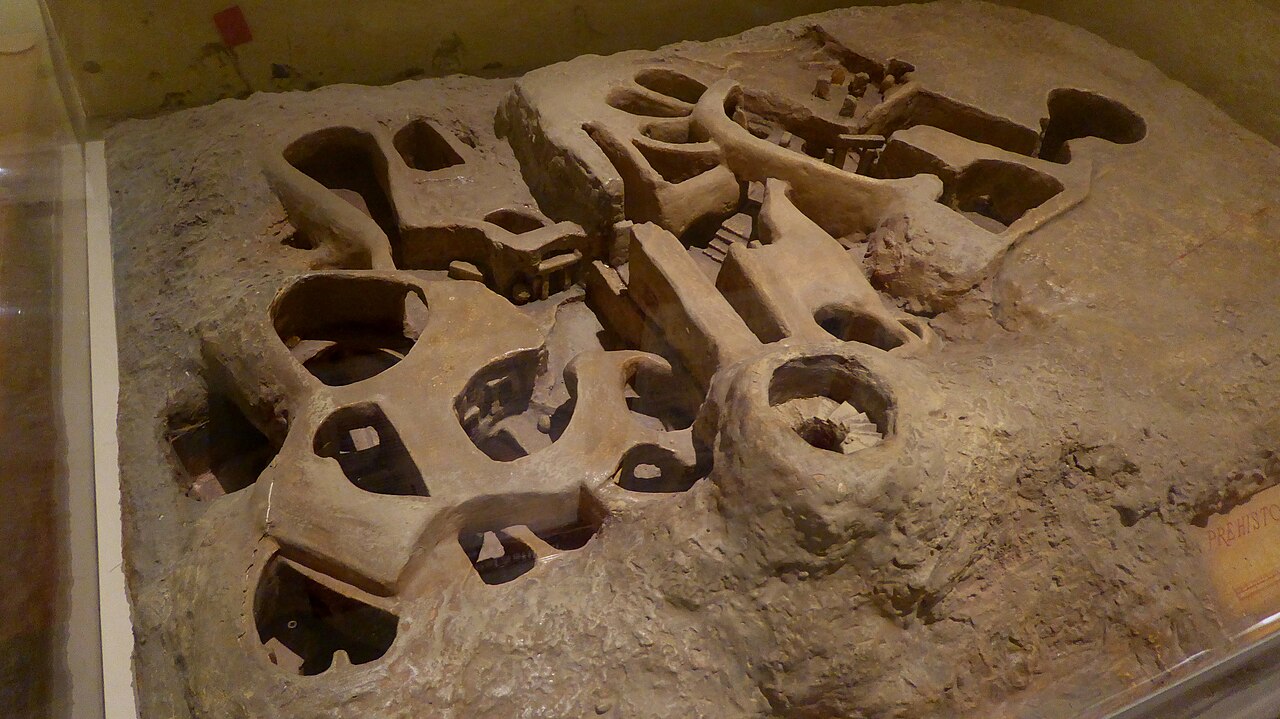
Just outside the walls of Mdina, in the town of Rabat, lies one of the most extensive networks of early Christian burial chambers in the Mediterranean. St Paul’s Catacombs are a labyrinth of tunnels and rock-cut tombs dug in the third and fourth centuries, when Malta was part of the Roman world. Romans buried their dead outside the town walls, and the soft limestone made it easy to carve underground cemeteries. The complex includes hundreds of graves of different sizes, among them tiny child-sized recesses, as well as family chambers and larger tombs for wealthier families. There are also curious round stone tables known as agape tables, where mourners are thought to have shared funeral meals, and simple carved decoration that hints at the beliefs of the people buried here. Walking through the dim passages is a quiet, slightly eerie experience, a very different way to meet the island’s past from the glittering churches of Valletta. Nearby, St Paul’s Grotto lies beneath the church of St Paul in Rabat. According to tradition, the apostle Paul was shipwrecked on Malta around AD 60 and sheltered in this cave during his stay, and the story is central to Malta’s Christian identity. The grotto has been a place of pilgrimage for centuries and sits beside a small museum. Together, the catacombs and the grotto give a thoughtful, atmospheric half-day that pairs very naturally with a visit to Mdina, and add depth to the story of the island from Roman times through the early Christian era.
The catacombs are cool and mostly level, with some steps and low passages, so they are a pleasant retreat on a hot day, though they can feel enclosed for anyone uneasy in small spaces. Lighting is dim, so bring your phone torch if you like to look closely at the carvings, and wear shoes with grip.
A visitor centre and displays at the entrance explain how the catacombs were used, and an audio guide or a guided tour will help you make sense of what you see. Allow about an hour for the catacombs themselves and a bit more for the grotto and the church above.
Rabat lies directly beside Mdina, a short walk from the main gate, and buses run from Valletta to both. Many visitors do the two on the same day: Mdina in the afternoon and evening for its atmosphere, and Rabat’s catacombs earlier in the day. Guided walking tours that combine Mdina, Rabat, the catacombs and the grotto are widely available, and they are an efficient way to see the sights with context. If you are on your own, a morning visit to the catacombs followed by lunch in Rabat and an afternoon in Mdina works well.
Rabat itself is worth a wander, with its busy square and the Maltese pastizzi sold from small shops near the church. Try the pastizzi with ricotta or peas, a local favourite, and look out for the local sweets and the old-fashioned bakeries.
For anyone interested in Roman Malta and early Christianity, the catacombs are a highlight, and for families with curious older children, the passages and the agape tables are memorable. Give yourself time, because the context repays the effort: this is the place where Malta’s pre-Knights history becomes tangible, and it makes a thoughtful companion to the Hypogeum and the Neolithic temples.
What to expect
The experience
A walk through dim underground passages and burial chambers, with a visit to the nearby grotto and church; often done on a guided Mdina and Rabat walk.
Best time
Midday, when the cool underground is a welcome break from the heat.
How long
One to two hours including the grotto.
Tips
Wear shoes with grip, bring a phone torch and allow time for Rabat’s pastizzi.
Quick picks
- Best for
- Roman and early Christian history, and anyone who likes an atmospheric underground visit.
- Families
- Curious older children enjoy the tunnels; anyone nervous in small spaces may not.
- Couples
- Pair with an evening in Mdina.
- Pair with
- Mdina, the Silent City.
- Time needed
- One to two hours.
Good questions
How old are the catacombs?+
They were dug in the third and fourth centuries, during the Roman period.
What are agape tables?+
Round carved stone tables in some chambers where mourners are thought to have shared funeral meals.
What is St Paul’s Grotto?+
A cave beneath the church in Rabat where tradition says the apostle Paul sheltered after his shipwreck on Malta.
Is it close to Mdina?+
Yes, Rabat sits directly beside Mdina, a short walk from the main gate.
Is it suitable for children?+
Yes for curious older children, though the passages are dim and low in places.