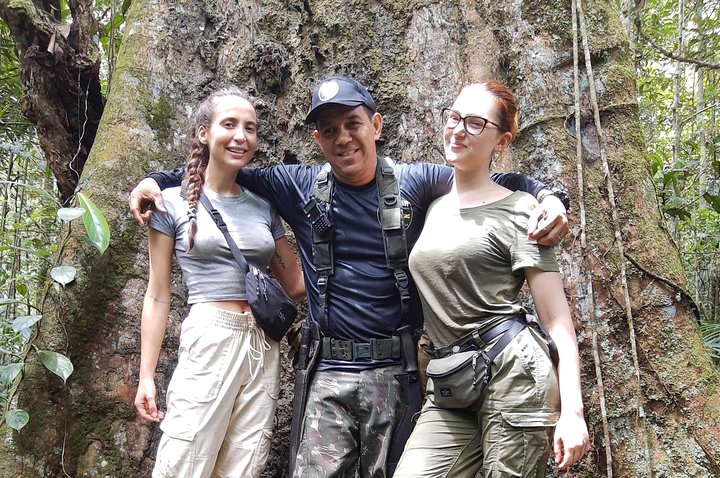
If you like learning by doing, a jungle survival day is among the most engaging ways to spend time in the Amazon. The tour linked here is a full-day survival programme from Manaus, led by guides who grew up in the forest. You travel to a forest area, receive a briefing and spend the day learning practical skills: how to read signs, find drinking water in vines, use palm leaves for shelter, start a fire and recognise edible and medicinal plants. It is physical, educational and often funny, and it works for adults and teenagers who enjoy outdoor skills. Unlike a passive boat ride, this programme puts you in the forest and asks you to participate.
A typical day starts early with a transfer from Manaus and a short walk into the forest. Guides explain the dangers and the rules, then demonstrate and invite you to try. You may build a small shelter from branches and leaves, practise knots, collect tinder and make a fire with simple tools, and learn about trees that give food, rope, waterproofing or medicine. Lunch might include foods you gather or prepare, with the programme ending in the late afternoon. Ask the operator exactly what the day includes, as formats vary.
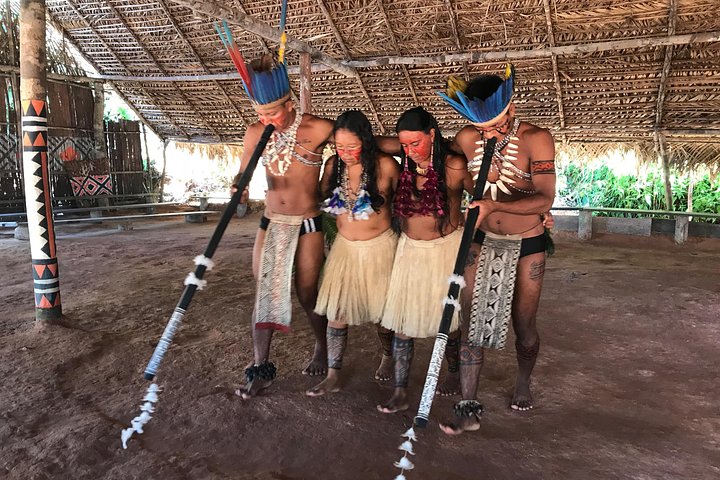
The knowledge is rooted in local life. Guides often come from riverside or Indigenous communities, and their lessons reflect generations of experience. Listening respectfully, asking questions and following instructions are part of the pleasure. Remember that the exercises are demonstrations for learning, not a substitute for proper expedition training, and nobody should attempt serious forest travel without a guide. The skills are also a great way to appreciate how people live in the forest year-round.
Preparation helps. Wear long trousers, long sleeves and sturdy closed shoes that can get muddy, and bring a hat, repellent, water and a small towel. A change of clothes is useful for the ride home. The programme involves walking, bending and some physical effort, so it may not suit those with mobility problems. Heat and humidity are constant, and the guide will set the pace to keep everyone safe, with regular water breaks.
It pairs well with a quieter day. After a survival day, many visitors prefer a gentler river outing or a city day with the opera house and market. If you plan an overnight lodge, the skills you learn make forest walks more rewarding. For teenagers and adventurous families, this tour is often the highlight of a stay, because it turns the forest from scenery into something you can touch and understand.
A good mindset helps the day go well. Come ready to listen, laugh at your own mistakes and ask lots of questions. Guides appreciate curiosity and respect, and they are generous with stories about family, hunting, fishing and medicine. Do not expect to master every skill in a day, and focus instead on the few that interest you most.
Bring a small notebook to record plant names and uses, and thank your guide at the end, as a tip is customary. The best souvenir of the day is the confidence to look at the forest differently.
What to expect
The experience
A guided forest day teaching shelter, fire, water and plant skills, with transfers from Manaus.
Best time
Any season. Start early.
How long
A full day.
Tips
Wear long sleeves, long trousers and sturdy shoes. Bring repellent, water and a change of clothes.
Quick picks
- Best for
- Teenagers and adults who like hands-on learning.
- Families
- Good for active older children.
- Couples
- Fun and unusual.
- Pair with
- A gentler river day next.
- Time needed
- A full day.
Good questions
Is it dangerous?+
Guides lead and supervise. It is a controlled learning experience, not an expedition.
What will I learn?+
Basics such as shelter, fire, finding water and using forest plants.
Who are the guides?+
Often people with deep local knowledge. Ask the operator about their experience.
Do I need to be fit?+
Moderate fitness helps, as there is walking and some physical tasks.
What should I wear?+
Long sleeves, long trousers and sturdy closed shoes.