The food of Manaus is shaped by the rivers and the forest. Fish from the Amazon basin, manioc in many forms, Brazil nuts, tropical fruit and spicy sauces made from local peppers define the cuisine, and much of it is unfamiliar to visitors. Eating well in Manaus is part of the adventure, from market breakfasts to riverside grills, and a few guidelines help you enjoy it safely.
Start at the market
The Adolpho Lisboa market is the best place to see the ingredients of the region. Stalls sell river fish such as tambaqui, pirarucu and tucunare, piles of Brazil nuts, guarana, cupuacu and acai, and herbs and oils used in traditional remedies. Cafes in and around the market serve breakfast dishes: tapioca pancakes with cheese or coconut, fried banana, sandwiches with fish or sausage, and strong coffee. A local guide can explain what you are eating and help you choose.
River fish
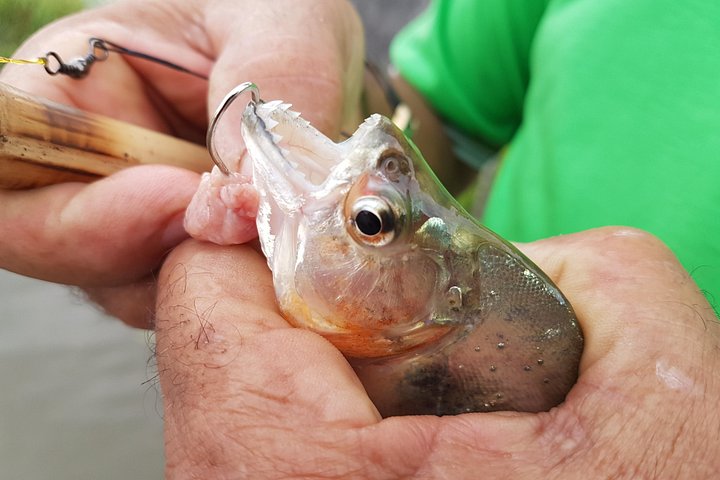
Fish is the centre of the Amazon table. Tambaqui, a large, rich fish, is famous for its ribs, grilled over charcoal. Tucunare, also called peacock bass, is served fried or in stew. Pirarucu, one of the largest freshwater fish in the world, appears in dishes cooked with rice or served dried and salted. Fish is typically accompanied by rice, farofa made from manioc flour, beans and a salad. Ask for it grilled if you prefer lighter food.
Forest fruit and juices
The fruit is a revelation. Cupuacu has a tangy, creamy flavour used in juices, ice cream and desserts. Acai in the Amazon is often eaten as a thick, unsweetened purple paste with fish and manioc, rather than the sweet bowls of coastal cities. Camu camu, graviola, tucuma and bacuri also appear in juices and sweets. Fresh juices are served at market stalls and juice bars, and you can ask for them with or without sugar. Take care with ice and water, and prefer bottled water or fruit that you peel yourself.
Snacks and street food
Look for tapioca crepes, pasteis, coxinhas, tacaca soup, a hot tapioca broth with dried shrimp and a tingling herb called jambu, and the X-caboquinho, a sandwich with cheese, banana and local flavours. Tacaca is typically sold in the late afternoon from street carts, and its numbing effect surprises first-timers. Choose busy stalls with fast turnover and food cooked in front of you.
Where to eat
The historic centre has cafes and lunch restaurants serving regional plates, while Ponta Negra has riverside restaurants and grills with views, ideal for sunset. Hotels and lodges often serve set meals with local dishes. Many restaurants offer a self-service lunch by weight, a convenient way to sample several dishes. Dinner tends to start early to mid-evening, and Sunday hours may be shorter. Cards are widely accepted in restaurants, but carry cash for markets and stalls.
Drinks
Fruit juices and coffee are staples, and guarana soda is a favourite local soft drink. Cold beer is widely served, and cachaca, a sugarcane spirit, appears in caipirinhas and local cocktails. In the heat, drink water often, and consider an electrolyte mix on long days. Ask hotels and tour operators about the safety of tap water, and use bottled or filtered water for drinking and brushing teeth.
Eating safely and respectfully
Choose freshly cooked food, avoid raw salads in doubtful places and wash your hands often. If you have allergies or dietary restrictions, tell restaurants and lodges in advance. Buy Brazil nuts, chocolate and craft foods from reputable sellers, and avoid products made from protected species. Tip when service is not included, and be curious. A meal of grilled tambaqui, a glass of cupuacu juice and a view of the river is one of the great pleasures of the Amazon.
A sample day of eating
Start with tapioca and coffee at the market, enjoy a self-service lunch of grilled fish, rice and salad in the centre, take a cold cupuacu juice in the afternoon, and finish with grilled tambaqui at a riverside table in Ponta Negra. Add a bowl of tacaca at dusk if you are brave. Try one new fruit each day, and you will taste more of the Amazon in a week than most visitors manage in a month.