Manaus is the gateway to the Brazilian Amazon, a city of more than two million people on the north bank of the Rio Negro, a few kilometres above the point where it meets the Solimoes to form the Amazon proper. It is reached by air, mostly through connections from Sao Paulo, Brasilia and other Brazilian hubs, with a smaller number of international routes, and by slow river boat from towns such as Belem, Santarem and Tabatinga. Few cities in the world combine a grand Belle Epoque centre, an enormous river port and untouched rainforest within an hour of the airport, and that contrast is what makes a first visit so memorable.
How long to stay
Three nights is a workable minimum, and five or six lets you do the city, a day trip and a night in the forest without rushing. A common pattern is one day in the historic centre, one day on the river for the Meeting of the Waters, and one or two nights at a jungle lodge, with a spare day for waterfalls or a quiet morning at Ponta Negra. If you only have two days, combine the opera house and market in the morning with a river trip in the afternoon, and book an overnight lodge only if you can spare a third day.
What the city offers
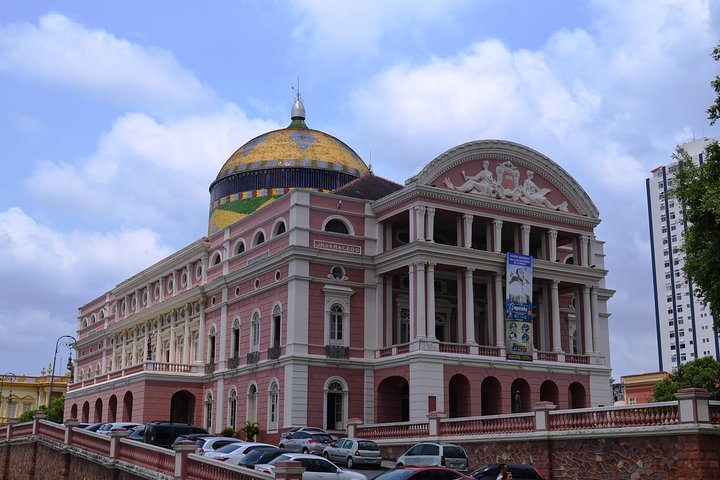
The centre is compact and rewarding. The opera house, Teatro Amazonas, is the headline sight, a pink-and-gold theatre from the rubber boom with a dome tiled in the colours of the Brazilian flag. Nearby you will find the Rubber Museum, old palaces, the iron-framed Adolpho Lisboa market and the floating docks, where river boats load for distant towns. Further out are the Science Forest, the MUSA forest museum with its canopy tower, and the Ponta Negra promenade. Most of these can be done with a guide, by taxi or on a mix of walking and short rides.
What the rivers offer
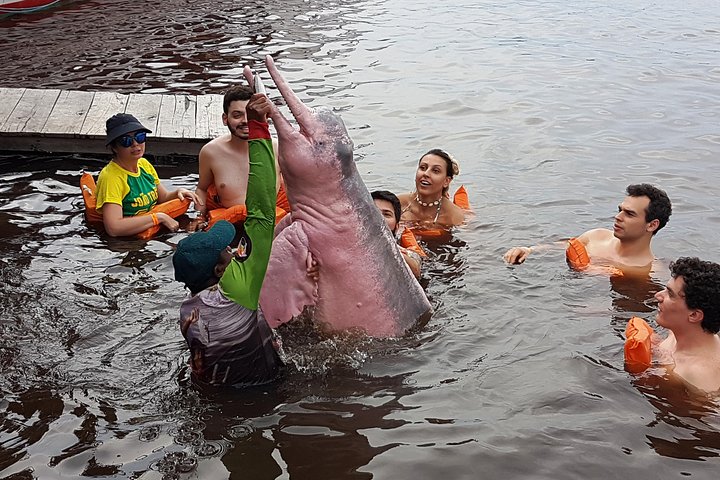
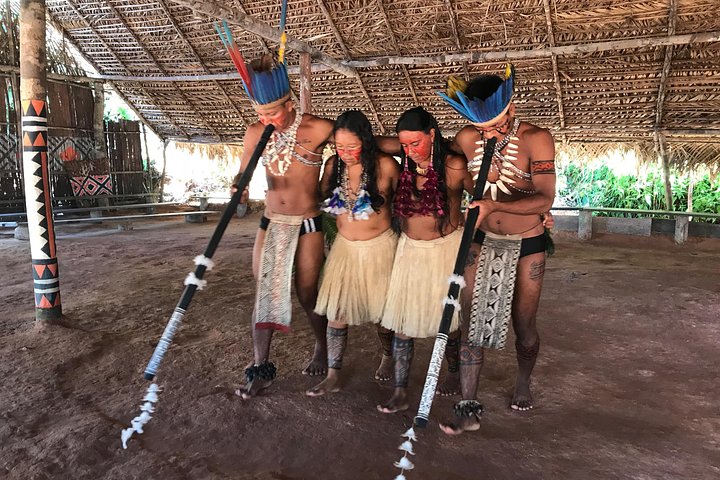
The Meeting of the Waters is the signature excursion, where the dark Rio Negro and the pale Solimoes flow side by side for kilometres without mixing. Day tours also visit riverside villages, spot pink dolphins and walk short forest trails. Further afield, the Anavilhanas archipelago offers a quieter, wilder landscape of islands, and Presidente Figueiredo, to the north, offers waterfalls and caves. For deeper immersion, overnight and multi-day lodge stays put you in the forest with guides, and the choice between them is covered in our guide to choosing a jungle tour.
Heat, rain and health
The climate is hot and humid all year, with daytime temperatures usually in the thirties Celsius and little relief at night. A rainy season runs roughly from December to May, with heavy but often brief downpours, and a drier season follows. Light, breathable clothing, a hat, sunscreen and insect repellent are essentials, and a lightweight rain jacket is useful in any month. Drink plenty of bottled or treated water, and ask your doctor well before travel about vaccinations and malaria advice for the Amazon region, since requirements change. Many visitors are surprised by how tiring the heat is, so plan a slow midday.
Money and getting around
Brazil uses the real, and cards are widely accepted in hotels and larger restaurants, while small vendors and market stalls prefer cash. Taxis and ride-hailing apps are the easiest way to move around the city, and tours include pickup from most hotels. The centre is walkable in the cooler hours, but as in any large city, take normal precautions: keep valuables out of sight, avoid walking long distances after dark and use registered taxis. Download maps and translation tools before you arrive, since English is not widely spoken outside tourism.
Choosing tours
Most visitors book river and forest excursions through operators in Manaus, either in advance online or through their hotel. Quality varies, so look for recent comments, small group sizes, clear descriptions of what is included and guides who speak your language. Ask about safety equipment on boats, about how villages benefit from visits and about how wildlife encounters are handled. Be wary of anything that promises guaranteed animal sightings or that seems to chase or feed wildlife. Good guides are the difference between a sightseeing trip and a real introduction to the forest.
Respect and responsibility
The Amazon is home to Indigenous and riverside communities as well as wildlife, and a visit should be conducted with courtesy. Ask before photographing people, buy crafts directly from makers where you can, avoid buying products made from animal parts or protected species, and take your rubbish with you. Tip guides and boat crews, who often work long days for modest pay. Travel with curiosity and patience, and Manaus will repay you with scenes you will not forget: a seam of two rivers, a pink opera house in the rainforest and a night sky full of forest sounds.