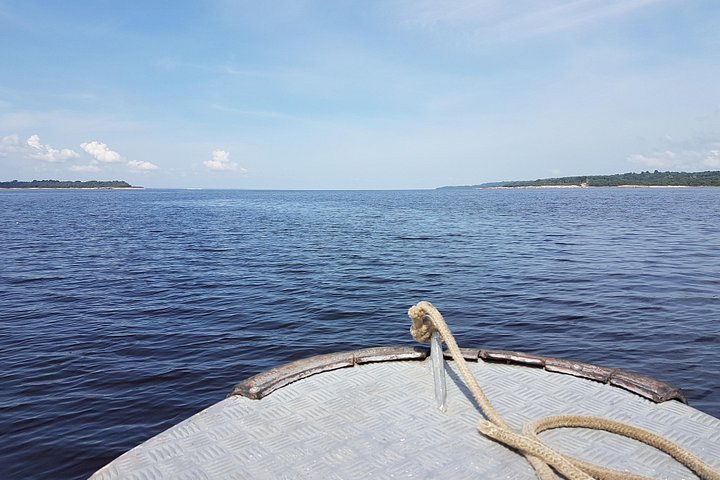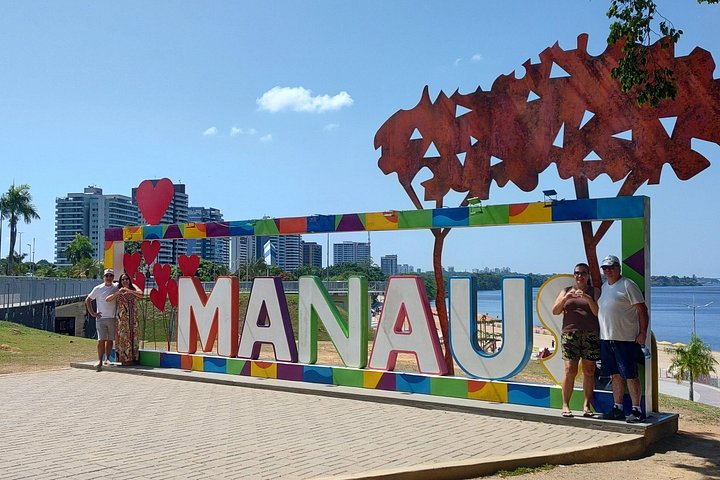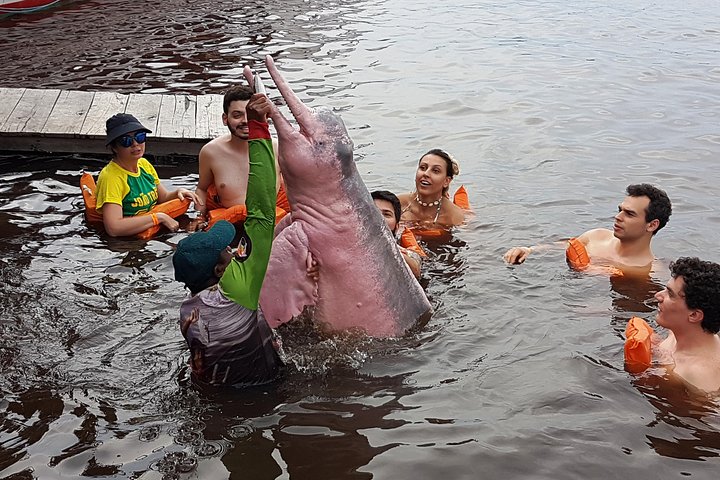
Manaus sits almost on the equator, so temperature barely changes through the year. Days are hot and humid, usually in the thirties Celsius, and nights bring little relief. What changes is the water. The Rio Negro rises and falls by many metres over the year, flooding forests in one season and revealing beaches in another, and that rhythm shapes what you see, how you travel and which activities are possible. There is no bad time to visit, only different experiences. This guide explains each season so that you can choose the one that suits you.
The rainy season
Rain falls most heavily from roughly December to May. Showers are often intense but short, arriving in the afternoon and clearing for the evening, although some days are grey and wet from morning. The humidity is very high, and the forest is lush and green. The river begins to rise, filling channels and lakes. Mosquitoes can be more numerous in some areas, so bring repellent. On the positive side, there are fewer international visitors, hotel rates can be lower, and the sky after a storm can be spectacular. Pack a light waterproof jacket and quick-dry clothes, and keep electronics in dry bags.
High water
The river reaches its peak around the middle of the year, typically from June to August, when the forest floods and the igapo, or flooded forest, is at its most dramatic. Boats can glide among tree trunks, canoe trips pass through the canopy, and fish and dolphins move into flooded areas. Lodges may sit at the water's edge, and some trails become waterways. Walking is limited, but paddling is a joy. Beaches vanish, and the Ponta Negra shoreline is narrow. If you love boat travel and flooded forest, this is the season for you.
The drier season
From about August to November, rain eases, skies are brighter and the water falls. Sandbanks and beaches appear, trails extend farther into the forest and wildlife concentrates along the shrinking waterways. Birdwatching can be excellent, and walking tours are easier. The Ponta Negra beach is at its widest, and evenings on the promenade are lively. This is also a popular time for visitors, so book lodges and tours early. Heat can be intense, and dust or smoke from distant fires may reduce visibility on some days, so check conditions before you travel.
Seasonal events
The Amazonas Opera Festival usually takes place around April and May and fills Teatro Amazonas with performances, so hotels in the centre can be busy. Brazilian school holidays and national holidays raise demand and prices. The Parintins folklore festival, held downriver in June, draws large crowds and affects boats and flights. Check dates for the year of your trip, and book early if your plans coincide with a major event.
Which season suits which traveller
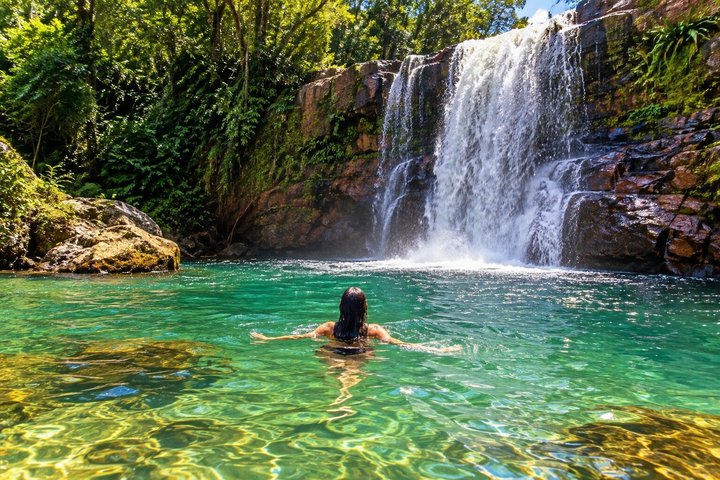
For flooded forest and canoeing, choose high water. For trails, beaches and birdwatching, choose the drier season. For fewer crowds and lush scenery, choose the rainy season. For waterfalls at Presidente Figueiredo, the wetter months give the most power, while the drier months give easier access and clearer pools. For the Meeting of the Waters, any season works, although water colours and sandbanks differ.
Packing by season
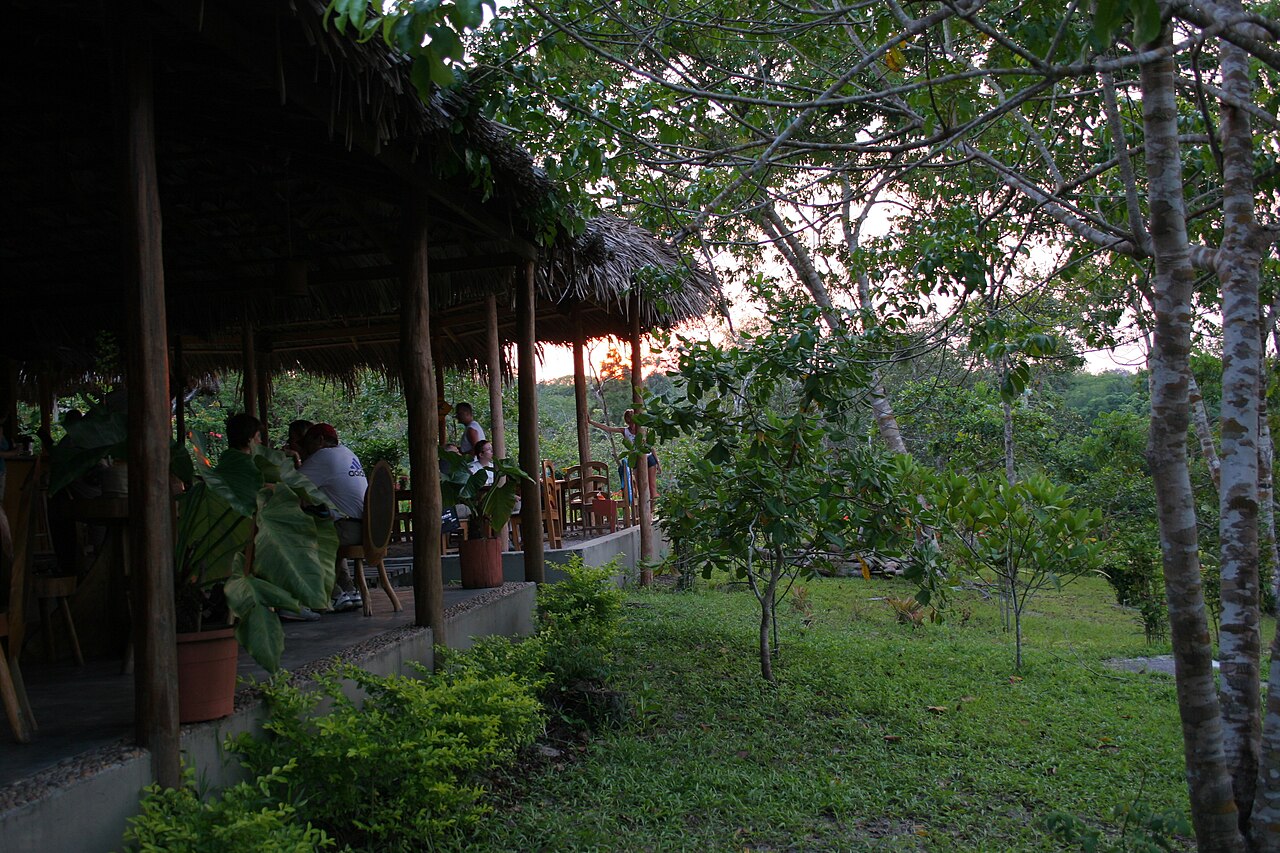
Always bring repellent, sun protection, a hat, lightweight long sleeves and trousers, closed shoes, sandals and a swimsuit. In rainy months add a poncho or jacket and a dry bag. In dry months add a bandana or buff for dust and an extra water bottle. Pack a small headlamp for night walks and lodges, and a power bank for long days.
Health and planning
Talk to a doctor or travel clinic before your trip about vaccinations and malaria advice for the Amazon region, as requirements change. Drink bottled or treated water, eat freshly prepared food and rest in the heat. Whatever the season, allow a flexible day for weather and give yourself time to adjust to the humidity. The Amazon rewards patience, and the right season is the one that matches your sense of adventure.
A simple rule of thumb
If you can choose only one window, aim for the shoulder periods when the water is falling and the rain is easing, because trails, boats and lodges are all working well and the skies are friendlier. If you are tied to school holidays or work, any month will still deliver the key sights. Whatever you choose, book key tours and lodges ahead and keep one flexible day for storms. The Amazon is at its best when you adapt to its rhythm.