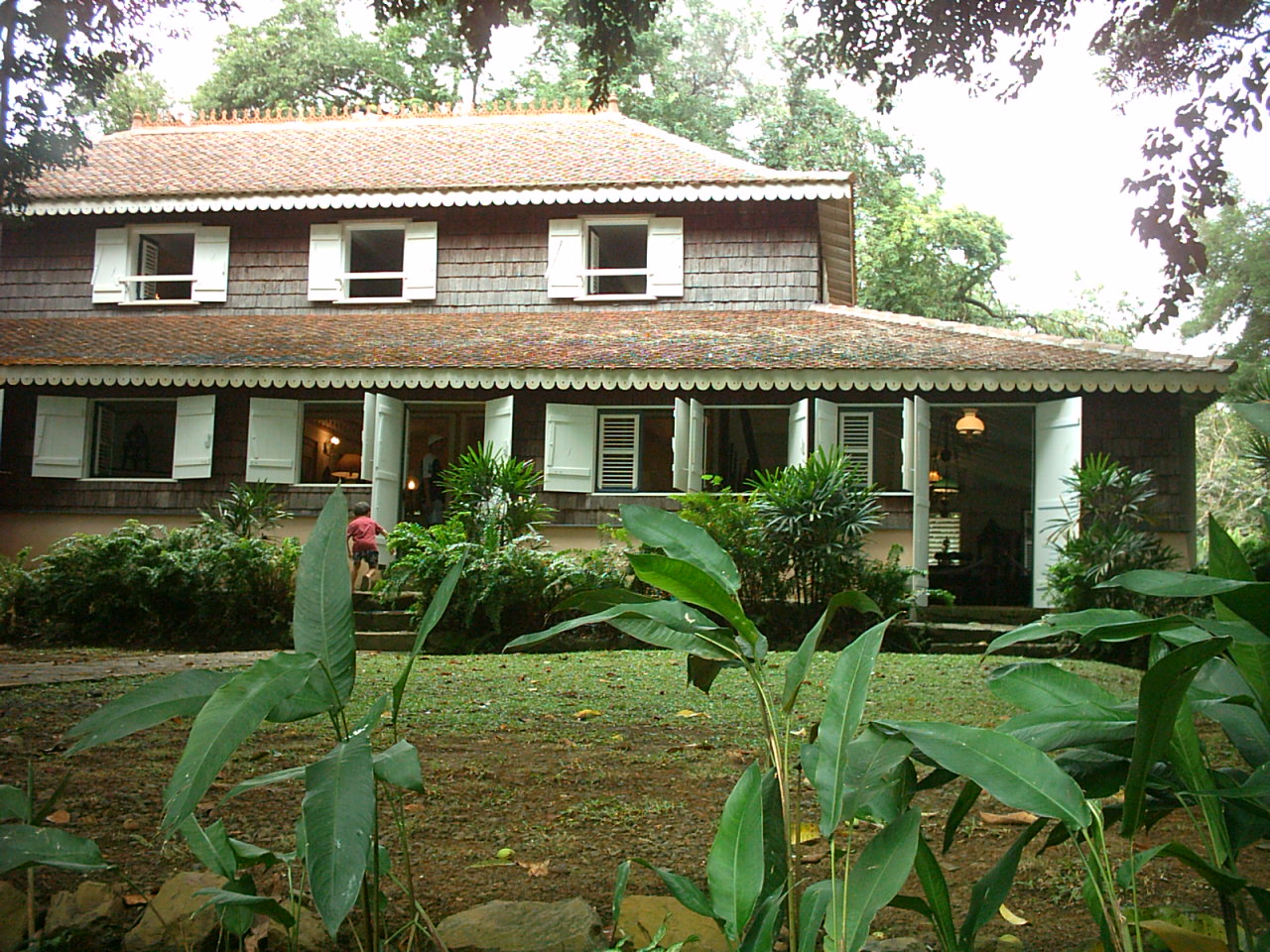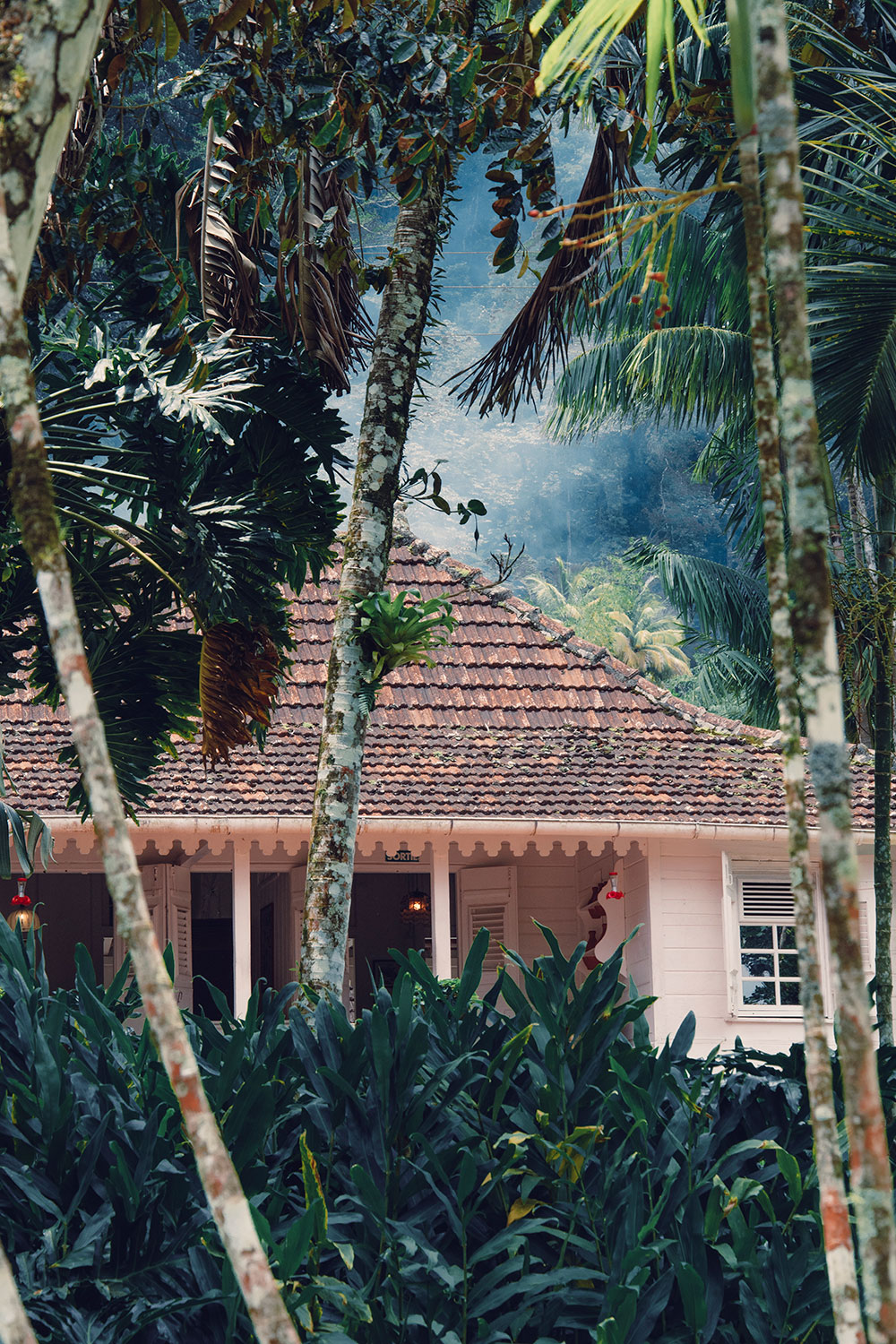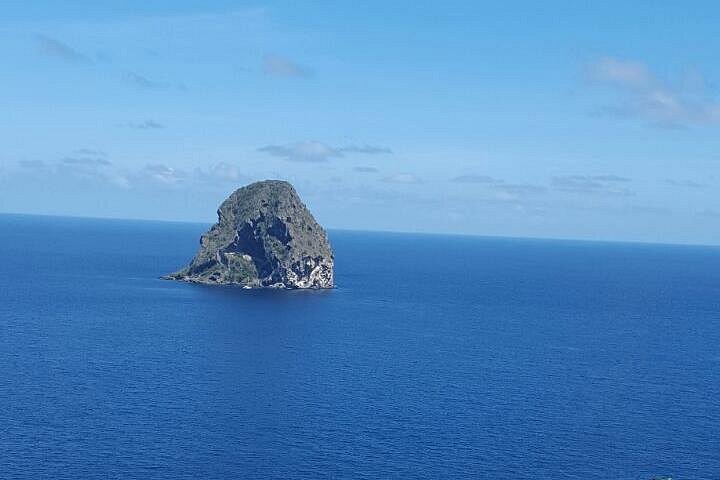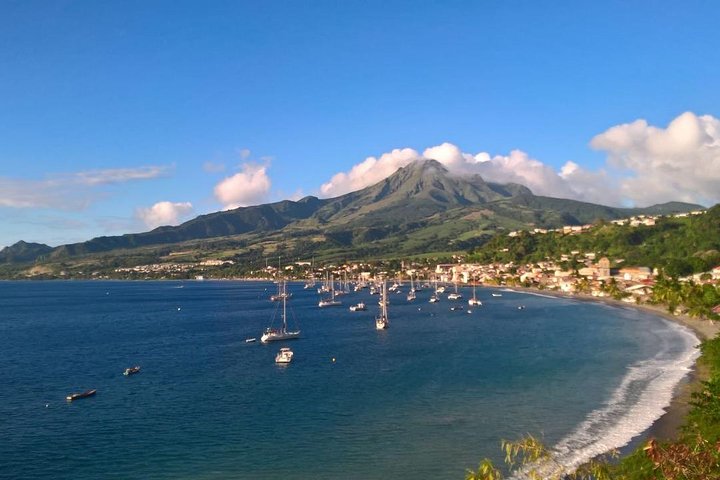
The Caravelle peninsula juts out into the Atlantic near La Trinité and Tartane, and most of it is a protected nature reserve of 378 hectares, safeguarded since 1976 and part of the Martinique Regional Nature Park. The tourism board describes banana and sugar cane plantations, a dry forest, beaches sheltered by coves and plant and bird species typical of the Lesser Antilles. That mix is what makes it special: a few minutes from the surf village of Tartane the green, humid Martinique of the postcards gives way to scrubby, wind-bent woodland, rocky headlands and quiet bays. Walkers can choose between a shorter loop and a longer circuit, and guided excursions are also available. The ruins of Château Dubuc, an old plantation estate, sit at the entrance to the reserve and make a natural starting point.
Why it is worth the drive
The Caravelle is where Martinique feels least developed. The trails pass through dry forest, along mangrove edges and out to exposed viewpoints over the Atlantic, and the short loop is manageable for most reasonably fit visitors. The longer circuit goes further out toward the tip of the peninsula and is better suited to people who like a proper half-day walk.
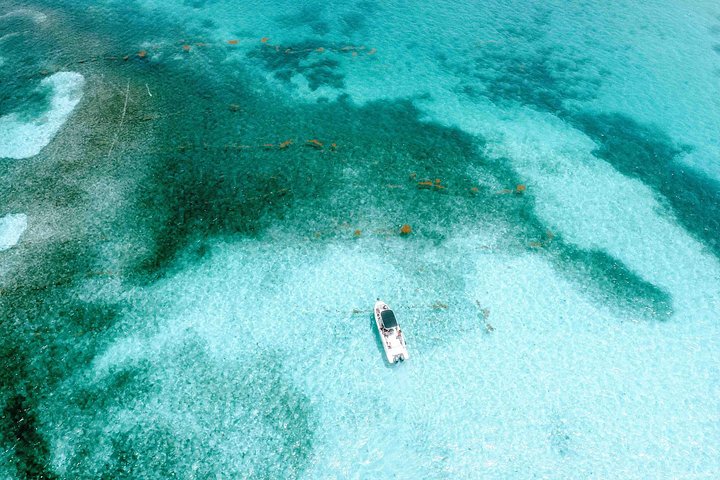
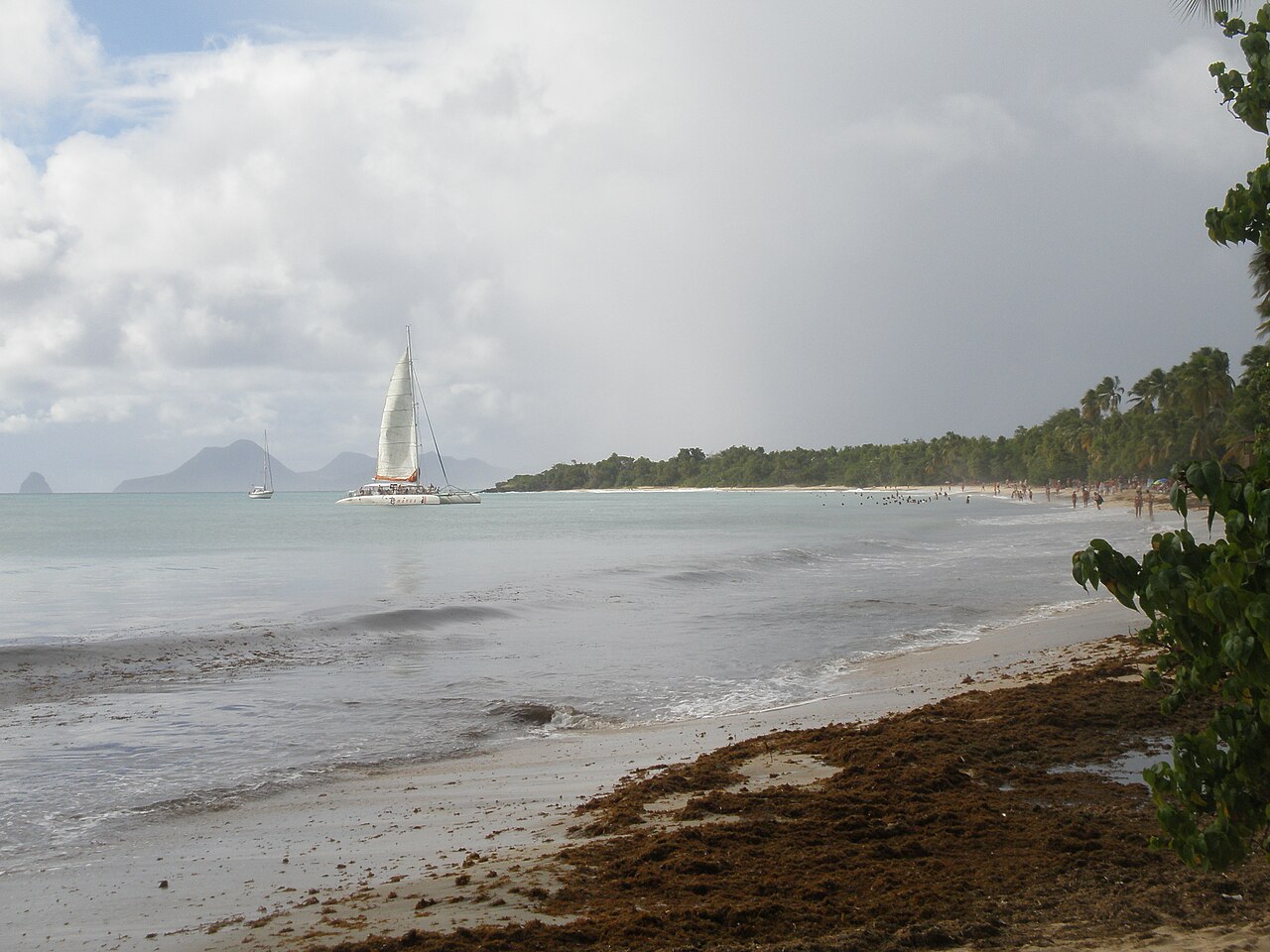
Along the way the tourism board notes the Baie du Trésor as a swimming spot, which turns a hike into a beach morning if the sea is calm. The Atlantic side can be rough, so look at conditions before getting in the water.
What to know before you go
The trails are exposed to sun for long stretches, so wear a hat, use sunscreen and carry more water than you think you need. Shoes with grip help on rocky and sometimes muddy ground, and insect repellent is sensible near the mangroves. The tourism page does not give trail lengths, opening hours or fees, so check at the entrance or by phone before setting out, and leave enough daylight to get back to your car.
A guided excursion is worth considering if you want the plants, birds and plantation history explained, since the reserve signage is limited.
Making it work
The peninsula is on the Atlantic coast, roughly an hour from Fort-de-France by road depending on traffic, so it suits visitors with a car or a hired driver. Combine it with a lunch in Tartane, a look at the village's surf beach, and, if you are staying nearby, a quiet evening at one of the area's small hotels.
It pairs naturally with Habitation Clément and the Baignoire de Joséphine boat day on the same coast, though not on the same day as a long boat trip. It is also a good alternative to the Mount Pelée climb if cloud is covering the volcano, because the Caravelle is often drier and sunnier.
Best season and weather
The peninsula is open to the trade winds, which keeps the heat bearable but can make the sea choppy, particularly in the winter months. The dry season, roughly from December to May, is the most comfortable time for walking, while the wetter months bring muddier trails and more insects.
Whatever the month, start early and keep an eye on the sky, since showers can sweep in quickly from the Atlantic. If you are travelling with a mixed group, some can take the short loop and relax at a cove while the others tackle the longer circuit, and meet up again afterward.
What to expect
The experience
A self-guided walk on marked loops through dry forest, mangrove edges and rocky headlands, with the option of a guided excursion.
Best time
Morning, before the sun is high, on a dry day with a calm sea if you want to swim at Baie du Trésor.
How long
Allow a half day for the longer circuit, or a couple of hours for the shorter loop.
Tips
Bring plenty of water, a hat, sun protection and grippy shoes, and check conditions and opening times locally before you set out.
Quick picks
- Best for
- Walkers who want a wilder, drier side of Martinique without a long mountain climb.
- Families
- Fine for active children on the shorter loop; the sun and rocky ground make the longer circuit harder going.
- Couples
- Quiet trails, sea views and a cove to swim in, followed by lunch in nearby Tartane.
- Pair with
- Habitation Clément and a rum tasting, or a night at one of the boutique hotels on the peninsula.
- Time needed
- A half day, including the drive from the capital.
Good questions
Where is La Caravelle Nature Reserve?+
On the Caravelle peninsula in La Trinité, on Martinique's Atlantic coast. The tourism board gives the address as Château Dubuc, 97220 La Trinité.
How big is the reserve?+
It covers 378 hectares and has been protected since 1976 as part of the Martinique Regional Nature Park.
What will I see?+
Banana and sugar cane plantations, dry forest, beaches sheltered by coves, and plants and birds typical of the Lesser Antilles.
Are there guided walks?+
Yes, the tourism board mentions guided excursions alongside the walking trails. Ask locally for current times and costs.
Is it free to enter?+
The tourism page gives no fee or opening hours, so check at the entrance or call ahead before you go.